Introduction: The Evolution of Hands-Free Highway Driving
The automotive industry is rapidly transitioning from passive driver assistance to active, hands-free highway automation. While Level 3 and Level 4 autonomy remain on the distant horizon for mass-market vehicles, Level 2+ systems are currently bridging the gap. Among the most prominent contenders in this space is Ford BlueCruise. Designed to allow true hands-free driving on pre-qualified sections of divided highways, BlueCruise represents a critical stepping stone in the Advanced Driver Assistance Systems (ADAS) landscape. In this real-world review, we evaluate the current capabilities of Ford BlueCruise, compare it against key rivals, and analyze how its underlying technology and business model point toward the future trends of the smart driving industry.
Real-World Performance: Testing BlueCruise in the Wild
To properly evaluate BlueCruise, we tested the system (specifically version 1.3 and the newer 1.4 updates) on a variety of mapped 'Blue Zones' across the United States, including heavily trafficked corridors like I-95 and I-5. The first thing that becomes apparent is the system's reliance on high-definition mapping and GPS geofencing. Unlike systems that attempt to read any road with painted lines, BlueCruise only engages when the vehicle confirms it is on a verified divided highway.
Driver Monitoring and Eye Tracking
The most significant differentiator between Ford BlueCruise and Tesla’s Autopilot is the driver monitoring system (DMS). Ford utilizes an infrared driver-facing camera mounted on the instrument cluster to track eye gaze and head position. In our real-world testing, the system accurately detected when our eyes drifted to a smartphone or the center console, issuing escalating visual and audible warnings before eventually disengaging and slowing the vehicle. This robust DMS aligns with safety guidelines and provides the confidence required for true hands-off operation, addressing a major criticism of torque-based steering wheel sensors.
Lane Centering and Automated Lane Change Assist
BlueCruise’s lane centering is exceptionally smooth, avoiding the 'ping-pong' effect sometimes experienced in older ADAS suites. With the introduction of Automated Lane Change Assist (ALCA) in version 1.3, the vehicle can now initiate lane changes to pass slower traffic or route around obstacles, provided the driver confirms the maneuver. Furthermore, Predictive Speed Assist smoothly adjusts the vehicle's speed based on upcoming road curves, a feature that significantly enhances passenger comfort and mimics human-like anticipation.
Competitive Landscape: BlueCruise vs. The Industry
To understand where Ford stands, we must compare its hardware and software philosophy against its primary competitors in the L2+ space: General Motors' Super Cruise and Tesla's Autopilot/Full Self-Driving (FSD).
| Feature | Ford BlueCruise (v1.3+) | GM Super Cruise | Tesla Autopilot / FSD |
|---|---|---|---|
| Hands-Free Operation | Yes (Mapped Blue Zones) | Yes (Mapped HD Roads) | No (Requires steering wheel torque) |
| Driver Monitoring | Infrared Eye-Tracking Camera | Infrared Eye-Tracking Camera | Basic Cabin Camera / Steering Torque |
| Sensor Fusion | Cameras, Radar, Ultrasonic | Cameras, Radar, LiDAR (Select Models) | Vision-Only (Cameras) |
| Automated Lane Change | Yes (Driver Confirmation) | Yes (Automatic & Confirmation) | Yes (FSD Beta / Supervised) |
| Business Model | Hardware + Subscription | Hardware + Subscription (3 yrs free) | One-time Purchase / Monthly FSD |
Future Trends: How BlueCruise Shapes the ADAS Outlook
Reviewing BlueCruise isn't just about evaluating today's commute; it is about observing the foundational shifts in how automakers develop, deploy, and monetize vehicle intelligence.
The Shift to SaaS and Recurring Revenue Models
The most profound industry trend highlighted by BlueCruise is the shift toward Software-as-a-Service (SaaS). Historically, ADAS features were bundled into expensive, one-time trim packages. Today, Ford charges for the necessary hardware upfront (e.g., the Co-Pilot360 Active 2.0 Prep Package) but treats the hands-free software as a subscription. After an initial trial period, owners pay $75 per month or $800 annually to maintain BlueCruise access. This provides automakers with a continuous, high-margin revenue stream long after the vehicle leaves the dealership lot, a financial model that will define the future of automotive software.
Sensor Fusion vs. Vision-Only Philosophies
While Tesla has famously pivoted to a 'Tesla Vision' camera-only approach, Ford and GM are doubling down on sensor fusion. BlueCruise relies on a combination of forward-facing cameras, millimeter-wave radar, and ultrasonic sensors. According to the SAE International's J3016 standard, achieving higher levels of driving automation requires redundant sensing to handle edge cases like heavy fog, blinding sun glare, or obscured lane markings. Ford's commitment to radar and camera fusion suggests the industry consensus is moving away from vision-only systems for safety-critical, hands-off L2+ and future L3 applications.
Data Collection and AI Training Pipelines
Every mile driven with BlueCruise engaged feeds a massive data pipeline. Ford uses its connected fleet to identify 'disengagements'—moments when the driver is forced to take over or the system fails. This real-world data is crucial for training machine learning models to recognize obscure obstacles and improve predictive algorithms. As the NHTSA's Standing General Order mandates rigorous crash reporting for ADAS-equipped vehicles, automakers are incentivized to use over-the-air (OTA) updates to rapidly patch software vulnerabilities based on fleet-wide telemetry.
Practical Advice for Prospective BlueCruise Buyers
If you are considering a Ford EV or truck equipped with BlueCruise, here is actionable advice regarding costs, hardware, and setup:
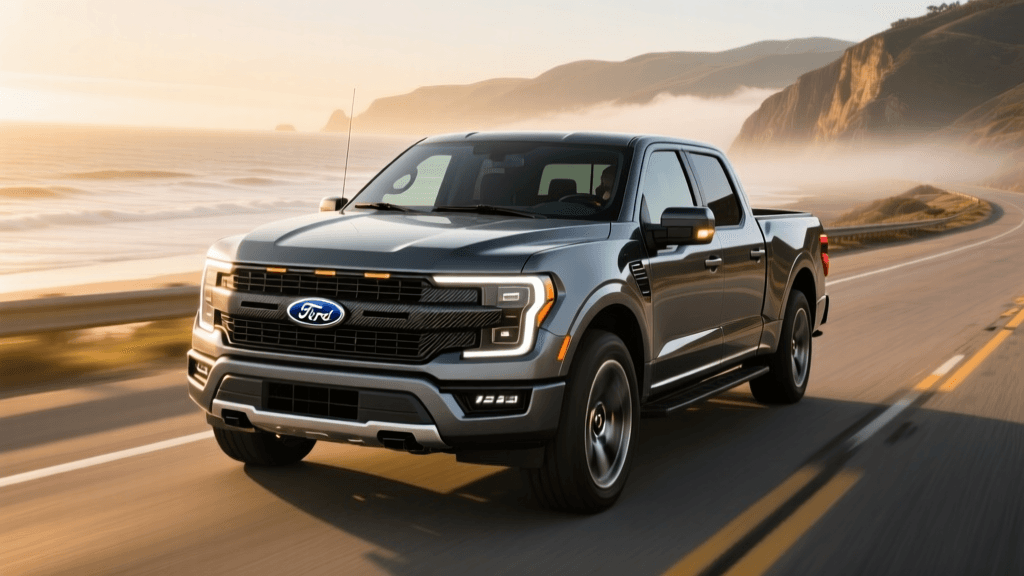
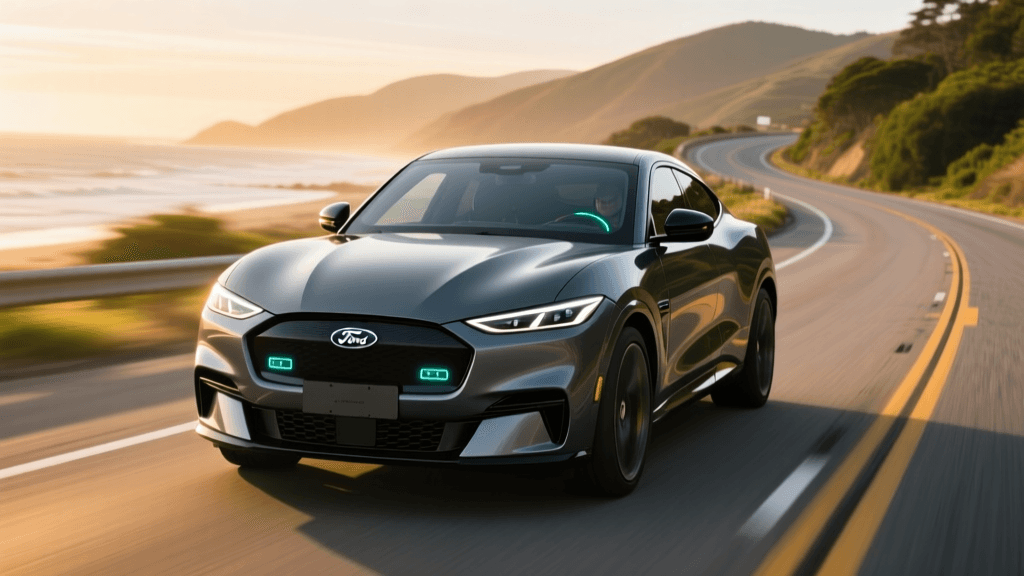
- Verify the Hardware Package: Not all trims include the necessary sensors. If buying a new F-150 Lightning or Mustang Mach-E, ensure the window sticker lists the 'Co-Pilot360 Active 2.0 Prep Package' or 'BlueCruise Equipped' package. This hardware typically adds between $1,595 and $2,100 to the MSRP.
- Understand the Subscription Timeline: Most new BlueCruise-equipped vehicles come with a 90-day to 3-year complimentary trial, depending on the model year and specific promotional offers. Mark your calendar to evaluate whether the $800 annual renewal fee aligns with your highway commuting habits.
- Pre-Trip Software Updates: BlueCruise relies heavily on OTA updates to expand its 'Blue Zone' map coverage. Before embarking on a long road trip, connect your vehicle to a home Wi-Fi network to ensure the latest HD maps and firmware are installed. Ford officially expanded its Blue Zone network to over 130,000 miles of North American highways, but your vehicle needs the latest patch to recognize new routes.
- Manage Sun Glare and Sunglasses: Because the infrared DMS camera tracks your eyes, heavily polarized or infrared-blocking sunglasses can sometimes interfere with the system's ability to verify your gaze. Test your preferred driving glasses with the system in a safe environment to ensure compatibility.
Conclusion
Ford BlueCruise delivers a remarkably polished, confidence-inspiring hands-free highway experience that rivals the best in the industry. Its strict adherence to geofenced 'Blue Zones' and rigorous infrared driver monitoring prioritize safety over the illusion of full autonomy. From an industry outlook perspective, BlueCruise is a masterclass in the future of ADAS: it leverages sensor fusion for redundancy, utilizes fleet data for continuous AI improvement, and establishes a lucrative SaaS subscription model. For the daily highway commuter, it is a transformative comfort feature; for the automotive industry, it is the blueprint for the software-defined vehicle era.