The ADAS Pricing Maze: Why Buyers Get It Wrong
When shopping for a new electric vehicle, hybrid, or modern daily driver, Advanced Driver Assistance Systems (ADAS) are no longer a niche luxury—they are a primary selling point. From Toyota Safety Sense to Tesla Autopilot and GM Super Cruise, automakers are in a fierce battle to offer the most capable semi-autonomous and safety features. However, the pricing structures for these systems are notoriously opaque. Consumers often fall victim to clever marketing, bundled packages, and confusing subscription models, leading to costly mistakes at the dealership.
At AutoEdgeView, we specialize in cutting through the noise. In this deep dive, we are busting the most common myths surrounding ADAS feature package pricing across all major automotive brands. Whether you are eyeing a hands-free highway system or just want standard automatic emergency braking without overpaying, understanding the real costs is critical for your wallet.
Myth 1: You Must Pay Thousands Extra for Basic Collision Avoidance
The Myth: To get essential safety features like Automatic Emergency Braking (AEB), Lane Keeping Assist, and Adaptive Cruise Control, you must upgrade to a premium trim level or purchase an expensive technology package.
The Reality: For mainstream brands, this is almost entirely false today. Thanks to industry-wide safety commitments and consumer demand, foundational ADAS suites are now largely standard equipment across entry-level trims. Toyota Safety Sense (TSS), Honda Sensing, and Subaru EyeSight are included at no extra cost on nearly every model they sell, from the base Corolla to the top-trim Outback.
The Insurance Institute for Highway Safety (IIHS) confirmed that a voluntary commitment by 20 major automakers to make AEB standard on virtually all new passenger vehicles has been overwhelmingly met. If a salesperson tries to upsell you on a $2,000 "Safety Package" just to get lane centering and AEB on a mainstream commuter car, you are likely looking at the wrong brand or an outdated model year. The common mistake here is assuming luxury-tier pricing applies to foundational safety tech on economy and mid-market cars.
Myth 2: Tesla FSD is the Most Expensive ADAS on the Market
The Myth: Tesla’s Full Self-Driving (FSD) capability, with its massive upfront price tag, is the most expensive driver assistance system you can buy.
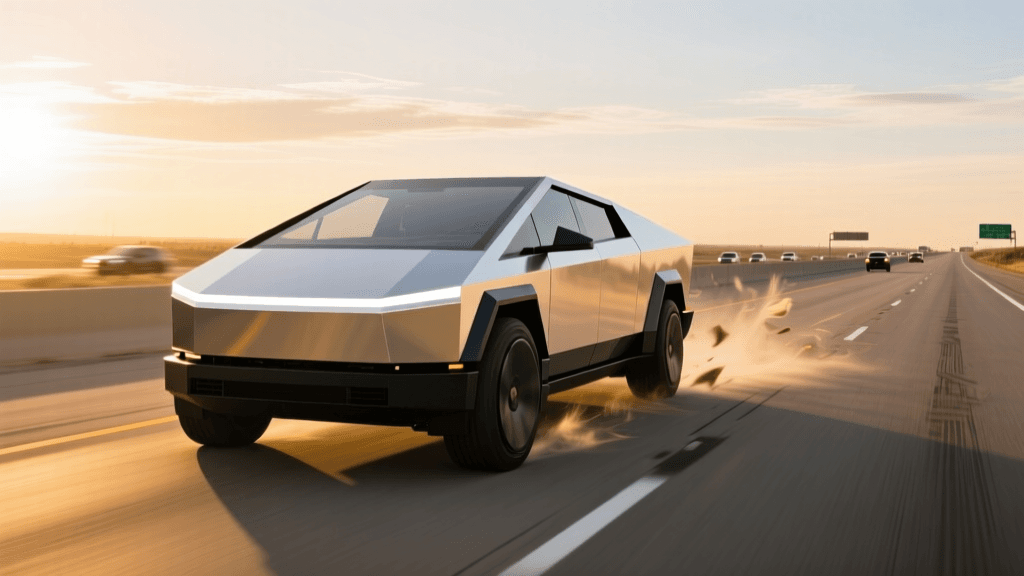
The Reality: While Tesla FSD commands a high premium, it is not the most expensive when you analyze long-term ownership and emerging Level 3 systems. In early 2024, Tesla notably reduced the upfront cost of FSD to make it more accessible, as reported by Reuters. At $8,000 for a lifetime license, it is a steep one-time investment. Alternatively, Tesla offers it for $99 per month.
Compare this to the cutting-edge, true Level 3 Mercedes-Benz Drive Pilot. Mercedes charges $2,500 for a single year of access in approved states like California and Nevada. Over a standard five-year ownership cycle, Drive Pilot will cost you $12,500—significantly more than Tesla’s lifetime FSD purchase. Furthermore, GM’s Super Cruise requires a $2,200 upfront hardware package for the first three years, after which it transitions to a $25 monthly subscription. If you keep your GM vehicle for eight years, your total ADAS outlay surpasses $3,600, and that is only for hands-free highway driving, not the point-to-point autonomy Tesla promises.
Myth 3: Luxury Brands Include Advanced ADAS in the Sticker Price
The Myth: If you spend $60,000 or more on a premium European vehicle, all advanced semi-autonomous features are included for free.
The Reality: Luxury automakers are actually the worst offenders when it comes to pay-walling advanced ADAS. While a base BMW or Volvo will include basic AEB and blind-spot monitoring, the highly desirable "hands-on-wheel" lane centering and automated lane change features are locked behind expensive add-on packages.
For example, the BMW Driving Assistant Professional package—which adds active cruise control with stop-and-go, steering and lane control assistant, and automated lane change—typically costs an additional $1,700 on top of a premium trim. Similarly, while Volvo Pilot Assist is generously included on many higher trims of the XC90 and EX90, advanced features on lower trims or specific packages still require the $1,950 Advanced Package. The biggest buyer mistake in the luxury segment is configuring a vehicle online, seeing a massive MSRP, and assuming that a high price tag inherently includes the brand's top-tier highway assistance tech. Always check the line-item build sheet.
The Biggest Buyer Mistake: Ignoring the Subscription vs. Upfront Math
The most critical error modern car buyers make is failing to calculate the Total Cost of Ownership (TCO) regarding ADAS subscriptions versus upfront hardware purchases. Automakers have realized that software subscriptions yield high-margin recurring revenue, leading to a fragmented pricing landscape.
Take Ford BlueCruise as a prime example. Ford offers hands-free driving on pre-qualified divided highways. You can purchase a one-year subscription, a monthly plan, or sometimes bundle it into an upscale equipment group. However, the hardware requirements differ. If you buy a used Ford EV or truck from 2021, it might only support BlueCruise 1.0 due to camera limitations, whereas 2023 and newer models feature the hardware for BlueCruise 1.3 or 1.4, which allows for hands-free lane changes and predictive speed assist. Paying a monthly subscription for an outdated hardware suite is a massive waste of money.
When evaluating ADAS pricing, use this simple rule of thumb: If you plan to keep the vehicle for more than three years and the system requires a monthly fee after an initial free trial, calculate the 60-month cost. Compare that against the cost of a competing brand that includes the hardware and software permanently in the MSRP.
Comprehensive ADAS Pricing Comparison Chart
To help you visualize the true costs across the industry, we have compiled a comparison of the most popular ADAS suites, breaking down standard safety costs versus advanced hands-free or semi-autonomous pricing models.
| Automaker | ADAS Suite Name | Base Safety Tech Cost | Advanced / Hands-Free Cost | Pricing Model & Notes |
|---|---|---|---|---|
| Toyota | Toyota Safety Sense (TSS) | Standard ($0) | N/A (No hands-free highway) | Included on all trims. Excellent value for basic AEB and Lane Tracing. |
| Honda | Honda Sensing | Standard ($0) | N/A (No hands-free highway) | Included on all trims. Traffic Jam Assist available on select higher trims. |
| Tesla | Autopilot / FSD | Standard ($0) | $8,000 upfront or $99/mo | FSD is a lifetime license or monthly sub. Enhanced Autopilot is $6,000. |
| GM (Chevy/Cadillac) | Super Cruise | Standard ($0) | $2,200 (3 yrs) then $25/mo | Requires compatible trim. Hardware cost includes 3 years of connectivity. |
| Ford | BlueCruise | Standard ($0) | $2,100 (3 yrs) or $75/mo | Available on select EVs and trucks. Pricing varies by model year hardware. |
| Mercedes-Benz | Drive Pilot (Level 3) | Standard ($0) | $2,500 / year | True Level 3 autonomy. Currently limited to specific highways in CA and NV. |
| BMW | Driving Assistant Pro | Standard ($0) | ~$1,700 upfront | One-time package cost. Requires hands on wheel, but features lane change assist. |
Actionable Advice: How to Navigate ADAS Packaging
To avoid overpaying or under-equipping your next vehicle, follow these practical steps before signing the paperwork:
- Define Your Commute: If you drive mostly in heavy, stop-and-go urban traffic, GM Super Cruise and Ford BlueCruise (which excel on mapped divided highways) may not activate as often as you think. In this case, Toyota’s TSS or Tesla’s basic Autopilot offer better daily utility without the steep hands-free premium.
- Verify Hardware Generations: Never assume a subscription ADAS system will receive future feature updates on older hardware. As noted by Car and Driver, the rollout of advanced Level 3 systems requires specific LiDAR and camera arrays. Ask the dealer explicitly which hardware generation is installed in the vehicle.
- Calculate the Break-Even Point: If a luxury brand offers an advanced ADAS package for $1,700 upfront, and a competitor charges $25/month for a similar system, the competitor's subscription will surpass the upfront cost in just 68 months. If you lease vehicles every 36 months, subscriptions make sense. If you buy and hold for a decade, always choose the upfront, lifetime license option.
- Test the System, Not Just the Car: A $10,000 ADAS package is worthless if the user interface is frustrating or the lane centering is overly aggressive. Always schedule a test drive that includes at least 15 minutes of highway driving with the ADAS system actively engaged to ensure it matches your comfort level.
Ultimately, the ADAS market is shifting from a one-time hardware purchase to a software-as-a-service model. By busting these common myths and doing the math on total cost of ownership, you can ensure that you are paying for genuine safety and convenience, rather than marketing hype.