Toyota Sienna Hybrid Mileage: The Quick Verdict
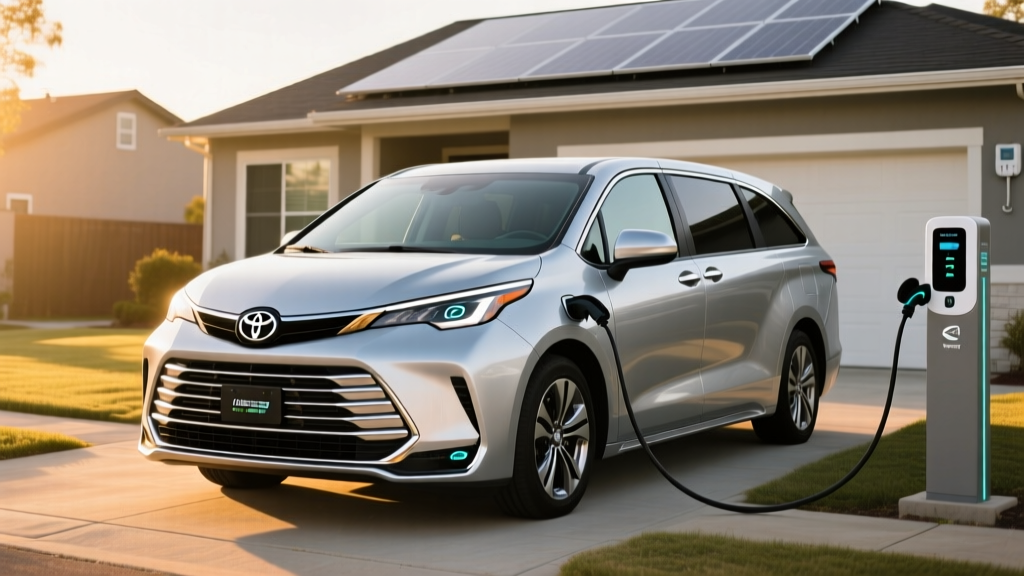
The Toyota Sienna has been a hybrid-only minivan since the 2021 model year, and the 2026 version continues to use Toyota's fourth-generation hybrid system to deliver class-leading fuel economy. The Toyota Sienna hybrid mileage lands at an EPA-estimated 36 MPG combined (36 city / 36 highway) for front-wheel-drive models and 35 MPG combined (35 city / 35 highway) with all-wheel drive. These numbers are not aspirational — they're achievable in everyday driving, and many owners report exceeding them in city traffic where the hybrid system recovers the most energy through regenerative braking.
At roughly 18 gallons per tank, that translates to an estimated 640+ miles of total range — enough for a Chicago-to-Nashville drive without stopping for fuel. For families who average 15,000 miles per year, the Sienna's hybrid powertrain saves approximately $800–$1,100 annually in fuel compared to a conventional V6 minivan like the pre-2024 Honda Odyssey or Chrysler Pacifica gas models, based on current national fuel prices.
EPA MPG vs. Real-World Toyota Sienna Hybrid Mileage
The Sienna's EPA figures are unusually symmetric — 36 city and 36 highway for FWD — which is rare and worth explaining. Most hybrids favor city driving (where electric motor assist and regen braking dominate). The Sienna's relatively modest highway number reflects its minivan aerodynamics and 4,600-pound curb weight working against it at sustained speeds.
| Drivetrain | City MPG | Highway MPG | Combined MPG | Est. Total Range |
|---|---|---|---|---|
| FWD (LE, XLE, Limited) | 36 | 36 | 36 | ~648 miles |
| AWD (all trims available) | 35 | 35 | 35 | ~630 miles |
- City / suburban driving: 37–42 MPG (hybrid system excels with frequent stops and low-speed electric assist)
- Highway cruising (70–75 mph): 30–34 MPG (aerodynamic drag and weight take their toll)
- Cold weather (below 32°F): 28–32 MPG combined (engine runs more often for cabin heat; battery efficiency drops)
- Loaded with passengers and cargo: Subtract 2–4 MPG from combined figures
The key insight for Sienna shoppers: if your driving is primarily urban and suburban — school runs, grocery trips, commuting in stop-and-go traffic — you will likely beat the EPA combined number. If your miles are mostly interstate highway at 75+ mph, expect to fall a few MPG short. This is normal hybrid behavior and is driven by physics, not a defect.
Hybrid Powertrain: How the Sienna Achieves 36 MPG
The 2026 Sienna uses Toyota's Hybrid Synergy Drive with a 2.5-liter inline-4 Atkinson-cycle gasoline engine paired with two front-mounted electric motor-generators (MG1 and MG2). AWD trims add a third, independent rear electric motor that engages when traction is needed — there is no mechanical driveshaft connecting the front and rear axles.
| Specification | Detail |
|---|---|
| Engine | 2.5L 4-cylinder Atkinson-cycle (189 hp) |
| Front Electric Motor (MG2) | 134 hp / 199 lb-ft torque |
| Rear Electric Motor (AWD only) | 54 hp / 89 lb-ft torque |
| Combined Net Horsepower | 245 hp |
| Transmission | eCVT (planetary gearset, not a belt CVT) |
| Hybrid Battery | 1.9 kWh nickel-metal hydride (NiMH) |
| 0–60 mph (est.) | ~7.1 seconds (FWD) |
| Towing Capacity | 3,500 lbs (all trims) |
The 1.9 kWh battery is small by EV standards — it's a conventional hybrid (HEV), not a plug-in. The battery never charges from a wall outlet. Instead, it captures energy during braking and deceleration (regenerative braking) and from the gas engine during cruising. The electric motor provides torque-fill from a stop, assists during acceleration, and can propel the van at low speeds (typically under 25 mph) for short distances on electric power alone.
Toyota Sienna Hybrid Battery Warranty and Longevity
Hybrid battery lifespan is the single most common concern among prospective Sienna buyers, and Toyota addresses it with one of the strongest warranties in the industry.
- Coverage: 10 years / 150,000 miles (whichever comes first)
- Applies to: Hybrid battery pack, hybrid control module, and all hybrid system components
- Transferability: Fully transferable to subsequent owners
- Capacity threshold: Toyota warrants against failure, not gradual capacity loss (typical for HEVs where the battery buffer is managed by the system)
In practice, Toyota's hybrid batteries have proven remarkably durable. The Prius — which uses a similar NiMH chemistry — regularly exceeds 200,000 miles on its original battery pack. The Sienna's 1.9 kWh battery is lightly stressed compared to an EV battery because the hybrid control system keeps the state of charge (SoC) in a narrow operating window, typically between 40% and 80%. This shallow-cycling approach dramatically reduces degradation.
Hybrid battery replacement cost: If the battery does fail outside warranty, a replacement Toyota Sienna hybrid battery pack costs approximately $3,000–$4,500 installed at a dealership, or $2,000–$3,000 through an independent hybrid specialist using refurbished cells. Given the 10-year/150,000-mile warranty and the track record of Toyota hybrid batteries lasting well beyond that, this is a low-probability expense for most owners.
2026 Sienna Pricing, Trims, and Tax Credit Eligibility
The 2026 Toyota Sienna starts at $38,685 (LE FWD, including destination charge) and climbs to approximately $53,500 for a fully loaded Platinum AWD. Here's the trim-level breakdown:
| Trim | Drivetrain | MSRP (incl. destination) | Key Features |
|---|---|---|---|
| LE | FWD / AWD | $38,685 / $39,460 | Toyota Safety Sense 3.0, 8" touchscreen, power sliding doors |
| XLE | FWD / AWD | $43,185 / $43,960 | SofTex seats, power liftgate, wireless CarPlay/Android Auto |
| XSE | FWD / AWD | $44,685 / $45,460 | Sport-tuned suspension, 20" wheels, black exterior accents |
| Limited | FWD / AWD | $49,185 / $49,960 | Leather, 12.3" display, JBL audio, heated/ventilated front seats |
| Platinum | FWD / AWD | $52,735 / $53,510 | Panoramic roof, 360° camera, rear-seat entertainment, digital rearview mirror |
Federal tax credit: The Toyota Sienna hybrid does not qualify for the IRS §30D Clean Vehicle Credit. That credit applies only to battery electric vehicles (BEVs) and plug-in hybrids (PHEVs) with sufficient battery capacity and compliant battery mineral sourcing. As a conventional hybrid, the Sienna is ineligible regardless of buyer income or MSRP.
State incentives: Some states offer modest rebates or HOV lane access for conventional hybrids, but these programs are increasingly focused on PHEVs and BEVs. Check your state's energy office or DMV for current programs — they vary significantly by jurisdiction and change frequently.
Sienna Hybrid vs. Competitors: MPG and Value Compared
The minivan segment is small but competitive. Here's how the Sienna's hybrid mileage stacks up against the alternatives:
| Vehicle | Powertrain | Combined MPG | City / Highway | Starting MSRP |
|---|---|---|---|---|
| Toyota Sienna | HEV (standard) | 36 | 36 / 36 | $38,685 |
| Chrysler Pacifica | Gas V6 | 22 | 19 / 28 | $39,090 |
| Chrysler Pacifica PHEV | Plug-in Hybrid | 30 combined (82 MPGe) | 32 mi electric-only | $51,090 |
| Honda Odyssey | Gas V6 | 22 | 19 / 28 | $39,635 |
| Kia Carnival | Gas V6 / Hybrid | 22 / 34 (Hybrid) | 34 / 31 (Hybrid) | $34,590 / $40,590 |
| Hyundai Santa Fe (3-row) | Hybrid | 34 | 35 / 32 | $41,550 |
The Sienna holds a clear fuel-economy advantage over gas-only minivans and matches or slightly beats the Kia Carnival Hybrid. The Chrysler Pacifica PHEV offers 32 miles of electric-only driving before the gas engine engages, making it more efficient for short commutes that can be completed on battery alone — but its higher starting price ($12,400 more than the Sienna LE) and smaller total range offset that advantage for most families. The Pacifica PHEV may qualify for a partial federal tax credit (check current IRS eligibility), which can narrow the price gap.
Sienna Hybrid Pros
- Best-in-class 36 MPG combined (FWD)
- 640+ miles of total range per tank
- Standard Toyota Safety Sense 3.0 (adaptive cruise, lane-keeping, auto emergency braking)
- 10-year / 150,000-mile hybrid battery warranty
- AWD available across all trims (rear electric motor, no mechanical complexity)
- Proven hybrid system with 20+ years of Toyota refinement
- 3,500-lb towing capacity
Sienna Hybrid Cons
- 245 hp feels adequate, not quick — especially loaded (0–60 in ~7.1s)
- No plug-in hybrid option (can't drive on electric only at highway speeds)
- No federal tax credit eligibility
- Highway MPG drops to 30–34 in real-world 75 mph driving
- Infotainment system lags behind competitors in responsiveness
- Third-row seat doesn't fold flat into the floor (unlike Pacifica/Odyssey)
- Cold-weather fuel economy drops noticeably (28–32 MPG)
Who Should Choose the Sienna Hybrid vs. a PHEV or Full EV?
The Sienna occupies a specific niche, and it's worth mapping out which type of driver benefits most from its conventional hybrid setup versus stepping up to a PHEV or considering an electric vehicle entirely.
- Choose the Sienna HEV if: You want maximum range without plugging in, drive 15,000+ miles per year across mixed city/highway, don't have reliable home charging access, or want the lowest-complexity ownership experience with proven long-term reliability.
- Choose the Pacifica PHEV if: Your daily driving is under 30 miles (covering most errands on electric only), you have a garage or driveway with a 120V or 240V outlet for overnight charging, and you want to reduce gasoline consumption significantly while keeping gas-engine range for road trips.
- Consider a full EV (e.g., Kia EV9, Tesla Model X) if: You have home Level 2 charging, your daily range needs are under 250 miles, you want zero tailpipe emissions, and you're willing to plan around DC fast charging for longer road trips.
For most minivan buyers — families doing school drop-offs, activities, grocery runs, and occasional road trips — the Sienna's hybrid system offers the best balance of fuel savings and zero lifestyle change. You fuel it like a gas car, maintain it like a gas car (though with fewer wear items thanks to regenerative braking extending brake pad life), and save $800+ per year at the pump without ever thinking about charging.
Ownership Costs: 5-Year Sienna Hybrid vs. Gas Minivan
The fuel savings compound meaningfully over an ownership cycle. Here's a simplified 5-year / 75,000-mile cost comparison:
| Cost Category | Toyota Sienna HEV (36 MPG) | Gas Minivan (22 MPG) |
|---|---|---|
| Fuel (75,000 mi @ $3.50/gal avg) | $7,292 | $11,932 |
| Maintenance (est. 5 yrs) | $2,800 | $3,400 |
| Insurance (avg, varies by driver) | $7,500 | $7,200 |
| Fuel + Maintenance Total | $10,092 | $15,332 |
| 5-Year Savings (Sienna) | ~$5,240 saved | |
The Sienna's hybrid system also reduces brake wear significantly — regenerative braking handles most deceleration, and many owners report original brake pads lasting 80,000+ miles. This partially offsets the slightly higher insurance premiums some carriers charge for hybrid vehicles.
Frequently Asked Questions
How many MPG does the Toyota Sienna hybrid get?
The 2026 Toyota Sienna hybrid gets an EPA-estimated 36 MPG combined (36 city / 36 highway) with front-wheel drive, or 35 MPG combined with all-wheel drive. In real-world city driving, many owners report 37–42 MPG thanks to the hybrid system's efficiency at low speeds. Highway driving at 75+ mph typically returns 30–34 MPG.
Does the Toyota Sienna hybrid need to be plugged in?
No. The Sienna is a conventional hybrid (HEV), not a plug-in hybrid. It charges its own small battery through regenerative braking and the gas engine. You never plug it in — you simply fill it with gasoline like a traditional car.
How long will the Sienna hybrid battery last?
Toyota warrants the hybrid battery for 10 years or 150,000 miles. Based on the track record of Toyota's hybrid systems across the Prius, Camry Hybrid, and RAV4 Hybrid, these batteries regularly last 200,000+ miles. Replacement cost, if needed outside warranty, is approximately $3,000–$4,500 at a dealership.
Does the Toyota Sienna hybrid qualify for a tax credit?
No. The Sienna is a conventional hybrid and does not qualify for the federal §30D Clean Vehicle Credit, which is limited to plug-in hybrids (PHEVs) and battery electric vehicles (BEVs). Some states may offer minor incentives for hybrids — check your state's energy office for current programs.
Is the Sienna hybrid reliable compared to a gas minivan?
Toyota's hybrid system is among the most proven in the automotive industry, with over 25 years of continuous refinement since the original Prius. The eCVT transmission has no belts or clutches to wear out — it uses a planetary gearset that is mechanically simple and extremely durable. The Sienna has earned strong reliability ratings from both IIHS and owner surveys. The hybrid components add complexity in theory but have proven to reduce overall maintenance costs in practice.
How does the Sienna hybrid perform in cold weather?
Expect fuel economy to drop to approximately 28–32 MPG combined in sustained below-freezing temperatures. The gas engine runs more frequently to provide cabin heat (since there's no large battery to power a heat pump, as an EV would), and the battery's charge/discharge efficiency decreases in cold conditions. This is normal for all hybrids and is less severe than the range loss experienced by battery electric vehicles in cold weather.