Quick Verdict: The Family Hauler That Sips Fuel
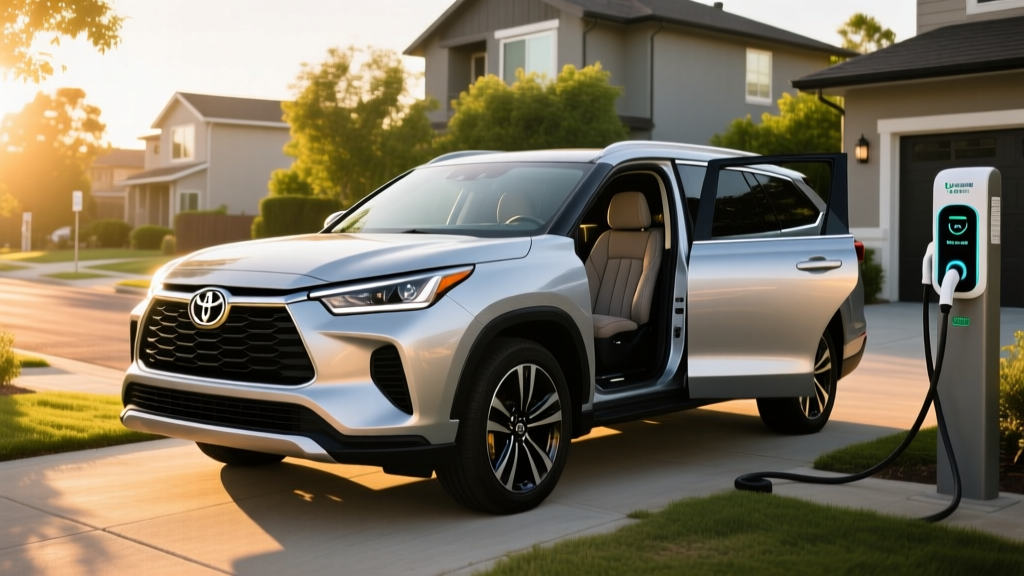
The 2023 Toyota Highlander Hybrid remains one of the most practical three-row SUVs for buyers who want serious fuel savings without changing their fueling habits. With an EPA-estimated 35 MPG combined and seating for up to eight, it occupies a sweet spot between thirsty gas-only competitors and fully electric alternatives that may not yet fit every family's road-trip lifestyle. After examining its powertrain, real-world efficiency data, and long-term ownership economics, the Highlander Hybrid earns its reputation as a low-risk, high-reward entry into electrified driving.
Fuel Economy: EPA Numbers and Real-World MPG
Hybrid fuel economy is where the Highlander Hybrid makes its strongest case. Here's the official EPA breakdown for the 2023 model year:
| Drivetrain | City | Highway | Combined |
|---|---|---|---|
| FWD (LE trim) | 36 MPG | 35 MPG | 36 MPG |
| AWD (all other trims) | 35 MPG | 34 MPG | 35 MPG |
Source: fueleconomy.gov
Real-World MPG: What Owners Actually See
Toyota's hybrid system excels in stop-and-go city driving, where the electric motor handles low-speed propulsion and regenerative braking recaptures energy. In real-world ownership, many drivers report 33–37 MPG combined, with city-heavy commutes sometimes pushing above the EPA estimate to 37–39 MPG. Highway-dominant driving at 75–80 mph tends to drop the figure to around 30–32 MPG, as the gasoline engine does more of the work and aerodynamic drag increases.
Cold-weather impact on a conventional hybrid is modest compared to a full EV. Expect a 2–4 MPG reduction in freezing temperatures due to the engine running more frequently to provide cabin heat and maintain battery temperature. This is a fraction of the 20–30% range loss EVs experience in the same conditions.
Powertrain: How the Hybrid System Works
The 2023 Highlander Hybrid pairs a 2.5-liter inline-4 Atkinson-cycle engine with two front-mounted electric motor-generators and an eCVT (electronically controlled continuously variable transmission). AWD models add a third electric motor on the rear axle, providing on-demand all-wheel drive without a mechanical driveshaft.
| Specification | Value |
|---|---|
| Engine | 2.5L I4 Atkinson-cycle |
| Combined System Horsepower | 243 hp |
| Transmission | eCVT |
| Drivetrain | FWD or AWD (electric rear motor) |
| Hybrid Battery | 1.6 kWh (NiMH), sealed, not plug-in |
| 0–60 mph (est.) | ~7.8 seconds |
| Towing Capacity | 3,500 lbs |
The 243 combined horsepower is adequate for family duty but not thrilling. Merging onto highways and passing at speed is confident enough, though the eCVT produces the characteristic drone under hard acceleration that Toyota hybrids are known for. The rear electric motor on AWD models provides up to 121 lb-ft of torque to the rear wheels, improving traction in rain and light snow without the weight and friction losses of a traditional mechanical AWD system.
The 1.6 kWh nickel-metal hydride (NiMH) battery is compact and proven. Because this is a conventional HEV, the battery serves as a buffer — it captures energy from braking and engine excess, then deploys it for electric assist and low-speed EV-mode driving (typically under 1 mile at low speeds). You never plug it in, and there is no meaningful electric-only range to track.
Pricing, Trims, and Tax Credit Eligibility
The 2023 Highlander Hybrid was offered across four trims, all sharing the same 243-hp hybrid powertrain:
| Trim | MSRP (AWD) |
|---|---|
| LE | $41,670 |
| XLE | $44,670 |
| Limited | $48,870 |
| Platinum | $51,070 |
Note: FWD was available only on the LE trim at approximately $1,600 less. Prices shown are original MSRP before destination charges.
Does the Highlander Hybrid Qualify for a Federal Tax Credit?
No. Under current IRS §30D rules, the federal clean vehicle credit applies only to plug-in electric vehicles (BEVs and PHEVs) with a battery capacity of at least 7 kWh. The Highlander Hybrid's 1.6 kWh NiMH battery does not meet this threshold, and Toyota does not sell a plug-in variant of the Highlander in the United States. There is no federal tax credit available for conventional HEVs.
Some states and local utilities offer modest rebates for hybrid purchases, but these vary widely by jurisdiction and change frequently. Check your state's energy office or utility provider for current programs. For definitive federal credit rules, consult the IRS Clean Vehicle Credit page.
Battery Warranty, Reliability, and Replacement Cost
Hybrid battery longevity is consistently one of the top concerns for buyers considering their first hybrid. Toyota's track record here is among the best in the industry, dating back to the original Prius in 2000.
How Long Will the Battery Actually Last?
Toyota's NiMH hybrid batteries have demonstrated remarkable longevity in real-world use. Data from high-mileage Prius and Camry Hybrid fleets shows these batteries commonly lasting 150,000–200,000+ miles before significant degradation. The Highlander Hybrid's battery operates within a narrow state-of-charge window (roughly 40–80%), which dramatically reduces stress on the cells compared to a full EV battery that cycles through a wider range.
If replacement is eventually needed outside warranty, a new OEM hybrid battery for the Highlander Hybrid typically costs between $2,000 and $4,000 including labor. Refurbished or reconditioned units are available for $1,000–$2,000. This is a fraction of the cost of replacing a large EV traction battery.
Overall Reliability
Toyota's hybrid powertrain is one of the most thoroughly proven in the automotive industry. The eCVT has no conventional gears, belts, or clutches to wear out — it's a planetary gearset that's extraordinarily durable. The 2.5L Atkinson-cycle engine is understressed and designed for efficiency over peak output, which contributes to longevity. The 2023 Highlander Hybrid carries strong reliability ratings from major automotive research firms, consistent with Toyota's hybrid lineup broadly.
Hybrid vs. PHEV vs. Full EV: Which Is Right for You?
The Highlander Hybrid is an HEV — the simplest form of electrification. Here's how it compares to the alternatives for a family SUV buyer:
| Factor | HEV (Highlander Hybrid) | PHEV (e.g., Grand Cherokee 4xe) | BEV (e.g., Kia EV9) |
|---|---|---|---|
| Plugs In? | No | Yes | Yes |
| Electric-Only Range | ~0.5 mi (low-speed) | 25–35 mi typical | 250–300+ mi |
| Fuel/Charging | Gas only | Gas + plug-in | Electricity only |
| Home Charging Needed? | No | Recommended (L2) | Essential (L2) |
| Federal Tax Credit | None | Up to $3,750–$7,500* | Up to $7,500* |
| Road-Trip Convenience | Excellent (5-min gas stop) | Excellent (gas backup) | Good (20–40 min DC stops) |
| Running Cost | Low (35 MPG) | Very low (if plugging daily) | Lowest (home charging) |
* Federal tax credit eligibility for PHEVs and BEVs depends on MSRP caps, buyer income limits, and battery sourcing requirements under §30D. Verify current rules at irs.gov.
- Choose the Highlander Hybrid (HEV) if: You want lower fuel costs with zero change to your routine — no plug, no charging app, no route planning. You live in an apartment or lack home charging access. You take frequent long road trips and don't want to think about charging infrastructure.
- Choose a PHEV if: You have home charging and a short commute (under 30 miles) that could be fully electric most days, but you still want a gas engine for weekend road trips. You want to reduce daily emissions without range anxiety.
- Choose a full BEV if: You have reliable home Level 2 charging, want the lowest operating costs, and are comfortable planning DC fast-charging stops on longer trips. You want to eliminate gasoline entirely and qualify for the maximum federal tax credit.
Ownership Costs: Fuel Savings vs. Gas-Only Highlander
The 2023 Highlander Hybrid carries a premium over its gas-only counterpart. Here's the math on whether that premium pays off:
| Metric | Hybrid (35 MPG) | Gas V6 (24 MPG) |
|---|---|---|
| Annual Fuel Use | 429 gallons | 625 gallons |
| Annual Fuel Cost ($3.50/gal) | $1,501 | $2,188 |
| 5-Year Fuel Cost | $7,505 | $10,940 |
| 5-Year Savings | ~$3,435 | |
With a typical hybrid premium of $1,600–$2,500 over equivalent gas trims, the fuel savings alone recoup the price difference within 3–4 years at current gas prices. Factor in the hybrid's strong resale value — Toyota hybrids historically depreciate less than their gas counterparts — and the total cost of ownership case strengthens further.
Pros and Cons
Pros
- 35 MPG combined — exceptional for a three-row SUV
- No plug-in required; zero lifestyle change
- 600-mile range per tank
- 10-year/150,000-mile hybrid battery warranty
- Proven, reliable Toyota hybrid powertrain
- 3,500-lb towing capacity
- Strong resale value
Cons
- No federal tax credit eligibility
- 243 hp feels modest for a vehicle this size
- eCVT drone under hard acceleration
- Third-row space is tight for adults
- Hybrid premium adds $1,600+ over gas trims
- No PHEV option available in the US
- Infotainment system trails competitors in responsiveness
Frequently Asked Questions
How many MPG does the 2023 Toyota Highlander Hybrid get?
The EPA rates the AWD Highlander Hybrid at 35 city / 34 highway / 35 combined MPG. The FWD LE trim achieves 36/35/36 MPG. Real-world results typically range from 30–32 MPG on highway-dominant trips to 37–39 MPG in city-heavy driving.
Does the Highlander Hybrid need to be plugged in?
No. The 2023 Highlander Hybrid is a conventional hybrid (HEV). It charges its battery entirely through regenerative braking and the gasoline engine. There is no plug, no charging cable, and no electric-only driving range beyond brief low-speed EV-mode operation.
Is the hybrid battery reliable, and what does replacement cost?
Toyota's NiMH hybrid batteries are among the most durable in the industry, commonly lasting 150,000–200,000+ miles. The battery is covered by a 10-year/150,000-mile warranty. Out-of-warranty replacement costs $2,000–$4,000 for a new OEM unit, or $1,000–$2,000 for a refurbished battery.
Does the 2023 Highlander Hybrid qualify for any tax credit?
It does not qualify for the federal §30D clean vehicle credit, which requires a plug-in vehicle with at least 7 kWh of battery capacity. Some state or utility-level hybrid incentives may apply — check your local programs. For federal rules, see irs.gov.
Should I buy the Highlander Hybrid or wait for a full EV three-row SUV?
If you lack home charging, frequently drive long distances through areas with sparse charging infrastructure, or simply don't want to think about charging logistics, the Highlander Hybrid is the pragmatic choice today. Full EV three-row options like the Kia EV9 and Rivian R1S offer zero tailpipe emissions and lower running costs, but require home Level 2 charging and planning for road-trip DC fast charging. The right answer depends on your charging access, driving patterns, and willingness to adapt.
How does the Highlander Hybrid perform in cold weather?
Cold weather reduces hybrid efficiency by roughly 2–4 MPG because the gasoline engine runs more often to generate cabin heat and keep the battery at optimal temperature. This is a minor impact compared to the 20–30% range loss that full EVs experience in freezing conditions. The AWD system's electric rear motor provides confident traction in snow and ice.