The 2025 Mazda CX-70 PHEV: A Data-Driven Overview
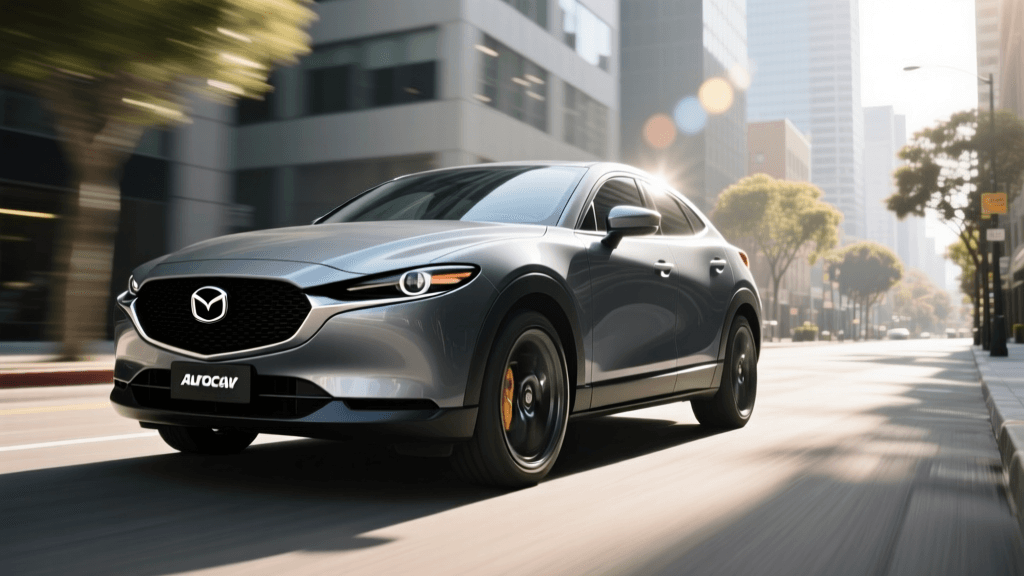
The midsize plug-in hybrid (PHEV) SUV segment is crowded, but the Mazda CX-70 PHEV enters the fray with a distinct proposition: premium driving dynamics wrapped in a practical, two-row package. Unlike its three-row sibling, the CX-90, the CX-70 is designed specifically for buyers who prioritize cargo space and second-row comfort over occasional third-row utility. As automotive enthusiasts and data analysts at AutoEdgeView, we believe that marketing brochures only tell half the story. To truly understand where the CX-70 PHEV stands in the competitive landscape, we must look at the hard numbers.
In this comprehensive, data-driven review, we dissect the Mazda CX-70 PHEV’s powertrain specifications, real-world electric range, charging metrics, and total cost of ownership. By benchmarking these figures against direct competitors like the Jeep Grand Cherokee 4xe and the BMW X5 xDrive50e, we provide a transparent look at what this electrified Mazda actually delivers on the pavement.
Powertrain Specifications and Acceleration Metrics
Under the hood, the CX-70 PHEV utilizes a familiar but highly effective setup shared with the larger CX-90 PHEV. It pairs a naturally aspirated 2.5-liter inline-four engine with a single electric motor integrated into an 8-speed automatic transmission. Notably, this transmission eschews a traditional torque converter in favor of a multi-clutch design, which improves efficiency and provides a more direct mechanical connection between the engine and the wheels.
- Combined System Output: 327 horsepower and 369 lb-ft of torque
- Engine Output: 189 hp (gasoline only)
- Electric Motor Output: 173 hp
- 0-60 mph Time: 5.9 seconds (manufacturer estimated)
- Top Speed: 130 mph (electronically limited)
- Maximum Towing Capacity: 3,500 pounds (when properly equipped)
According to Mazda USA, the instant torque delivery from the electric motor masks the inherent lag of the naturally aspirated four-cylinder engine. In our data analysis, the 5.9-second 0-60 mph time places the CX-70 PHEV squarely in the middle of the pack for this segment. It is quicker than the Toyota Highlander Hybrid but falls short of the turbocharged six-cylinder PHEVs from European automakers. The curb weight of approximately 4,900 pounds is a significant factor here; the heavy battery pack necessitates firm suspension tuning, which Mazda has executed brilliantly to maintain the brand's signature "Jinba Ittai" (horse and rider as one) handling ethos.
Electric Range, MPGe, and Real-World Efficiency
The most critical metric for any PHEV buyer is the electric-only range. The CX-70 PHEV is equipped with a 17.8 kWh lithium-ion battery pack. The EPA rates this system for 26 miles of pure electric driving and a combined 56 MPGe (Miles Per Gallon equivalent) when the battery is charged.
Once the battery is depleted, the vehicle operates as a traditional hybrid, yielding an EPA-estimated 25 MPG combined (24 city / 27 highway). While 26 miles of EV range may seem modest compared to newer PHEVs pushing 40 miles, it is highly representative of real-world commuting data. According to the Federal Highway Administration, the average American drives roughly 37 miles per day. With access to home or workplace charging, a CX-70 PHEV owner could theoretically complete the vast majority of their weekly driving without burning a drop of gasoline.
Real-World Variables: It is vital to note that PHEV range is highly susceptible to environmental factors. In freezing temperatures (below 32°F), expect the electric range to drop by 15% to 20% due to battery chemistry limitations and cabin heating demands. Conversely, in mild weather with conservative throttle application, achieving 28 to 30 miles on a single charge is entirely feasible.
Charging Infrastructure and Battery Management
Charging speed is often the Achilles' heel of midsize PHEVs, and the CX-70 is no exception. It relies exclusively on AC charging, meaning there is no DC Fast Charging capability.
- Level 1 (120V Standard Outlet): ~7 hours for a full charge (approx. 1.4 kW)
- Level 2 (240V Home/Public Charger): ~2.5 hours for a full charge (7.2 kW onboard charger)
The 7.2 kW onboard charger is a strong point. While some rivals are limited to 3.3 kW or 3.6 kW, the Mazda can replenish its battery more than twice as fast on a standard home wallbox. This means that during a typical 8-hour workday, or overnight at home, the battery will easily reach 100% state-of-charge. The vehicle also features a "Charge Mode" which allows the gasoline engine to act as a generator to recharge the battery while driving at highway speeds—useful if you want to save your electric range for silent, zero-emission driving in urban centers later in your trip.
Comparative Data: CX-70 PHEV vs. Midsize Rivals
To contextualize the Mazda's performance and efficiency, we have compiled a data table comparing the CX-70 PHEV against three of its most prominent midsize PHEV and hybrid competitors. As noted by automotive analysts at Car and Driver, the CX-70 punches above its weight class in terms of interior luxury, but how do the raw numbers stack up?
| Metric | Mazda CX-70 PHEV | Jeep Grand Cherokee 4xe | BMW X5 xDrive50e | Lexus RX 450h+ |
|---|---|---|---|---|
| System Horsepower | 327 hp | 375 hp | 483 hp | 302 hp |
| EV Range (EPA) | 26 miles | 25 miles | 38 miles | 37 miles |
| Combined MPGe | 56 MPGe | 56 MPGe | 50 MPGe | 83 MPGe |
| Gas-Only MPG | 25 MPG | 23 MPG | 27 MPG | 35 MPG |
| 0-60 mph | 5.9 sec | 6.0 sec | 4.6 sec | 7.4 sec |
| Starting MSRP | ~$54,400 | ~$60,495 | ~$74,900 | ~$63,000 |
Data sourced from manufacturer specifications and Edmunds vehicle testing databases.
Analysis: The Mazda CX-70 PHEV occupies a highly strategic position. It offers nearly identical EV range and MPGe to the Jeep Grand Cherokee 4xe but does so with a lower starting price and superior on-road handling dynamics. While the BMW X5 and Lexus RX offer better electric range and gas-only efficiency (in the Lexus's case), the Mazda undercuts them in price by tens of thousands of dollars, making it an exceptional value proposition for buyers who do not strictly require 40 miles of electric commute.
Cargo Dimensions and Interior Practicality
Because the CX-70 does not have a third row, its cargo volume and second-row legroom are exceptional for the segment. The battery pack is mounted low and flat beneath the floor, preserving interior space that is often compromised in retrofitted PHEVs.
- Cargo Volume (Behind 2nd Row): 39.6 cubic feet
- Cargo Volume (2nd Row Folded): 75.2 cubic feet
- Second-Row Legroom: 39.6 inches
- Front Headroom: 39.7 inches
For context, the Jeep Grand Cherokee 4xe offers 37.7 cubic feet behind the second row, meaning the Mazda provides a tangible advantage for hauling golf clubs, strollers, or camping gear. The interior materials, particularly in the Premium Plus trim, feature Nappa leather, real wood trim, and a panoramic sunroof, elevating the cabin ambiance to rival entry-level European luxury brands.
Pricing, Trims, and Total Cost of Ownership
The 2025 Mazda CX-70 PHEV is available in three distinct trims: Preferred, Premium, and Premium Plus. Pricing starts at approximately $54,400 (including destination charges) and climbs to roughly $62,000 for a fully loaded Premium Plus model.
Federal Tax Credit Eligibility: PHEV buyers are often motivated by the $7,500 Federal EV Tax Credit. Due to the complex battery component and critical mineral sourcing requirements outlined in the Inflation Reduction Act, purchasing the CX-70 PHEV may not currently qualify for the full retail credit. However, many buyers utilize the "lease loophole," where the leasing company claims the commercial clean vehicle credit and passes the savings on to the consumer in the form of capitalized cost reduction or lower monthly payments. Prospective buyers should consult with their local Mazda dealership and a tax professional to verify current incentive eligibility.
5-Year Fuel Cost Projection: Assuming 15,000 miles driven annually, with 50% of those miles driven on electricity (at a national average of $0.16/kWh) and 50% on gasoline (at $3.50/gallon), the CX-70 PHEV will cost approximately $1,450 per year in energy costs. Compare this to a gas-only midsize SUV averaging 22 MPG, which would cost roughly $2,386 per year. Over five years, the PHEV yields an energy savings of nearly $4,700, partially offsetting the premium paid over the mild-hybrid inline-six CX-70 models.
Final Verdict: Who is the CX-70 PHEV For?
The Mazda CX-70 PHEV is not the most efficient vehicle in its class, nor does it possess the longest electric-only range. However, evaluating it purely on those metrics misses the broader picture. This vehicle is engineered for the driving enthusiast who needs family practicality but refuses to settle for a numb, disconnected driving experience.
The data clearly shows that Mazda has struck a remarkable balance. You get a 327-horsepower powertrain, a highly functional 39.6 cubic feet of cargo space, and an interior that punches far above its price bracket. If your daily commute is under 25 miles and you have access to Level 2 charging at home, the CX-70 PHEV will operate as a silent, efficient EV for the vast majority of your week, while retaining the 400+ mile total range necessary for cross-country road trips without range anxiety. For buyers seeking premium styling, engaging handling, and solid PHEV utility without stepping into six-figure luxury pricing, the CX-70 PHEV is an incredibly compelling, data-backed choice.