The Data Behind the Mazda CX-50 Hybrid
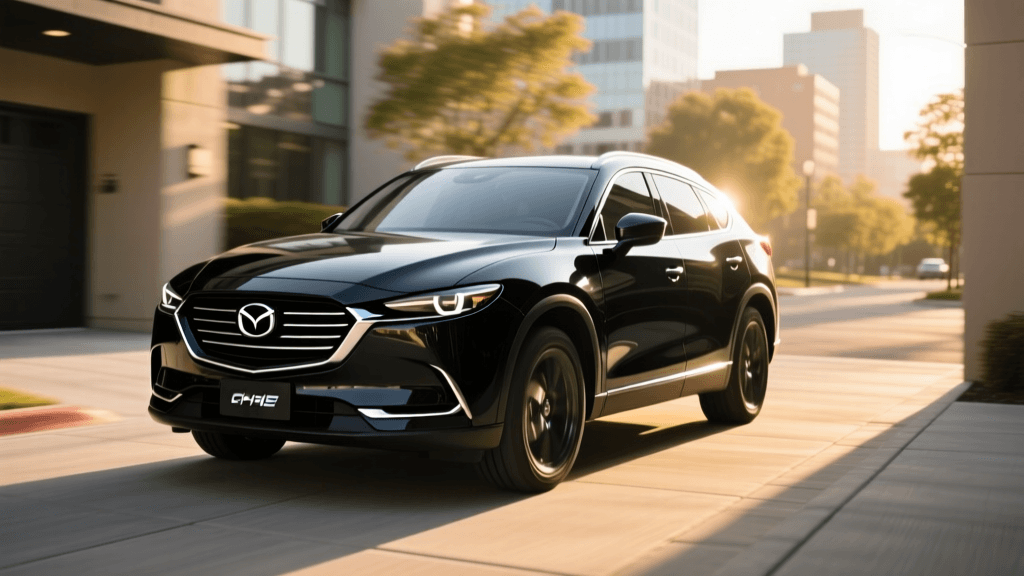
When Mazda introduced the CX-50, it positioned the SUV as a rugged, outdoorsy alternative to the more urbane CX-5. However, the initial powertrain lineup left a gap in fuel efficiency that eco-conscious adventurers quickly noticed. For 2025, Mazda has addressed this directly by introducing the CX-50 Hybrid, leveraging a strategic partnership with Toyota to integrate one of the most proven hybrid systems on the market. But how does this Toyota-sourced powertrain perform when stuffed into Mazda’s boxier, more rugged chassis? In this data-driven review, we analyze the Mazda CX-50 Hybrid’s fuel efficiency, real-world performance metrics, and total cost of ownership to see how it stacks up against segment benchmarks like the Toyota RAV4 Hybrid and Honda CR-V Hybrid.
Powertrain Specifications and EPA Fuel Economy Data
The heart of the CX-50 Hybrid is a 2.5-liter four-cylinder Dynamic Force engine paired with Toyota’s fourth-generation hybrid synergy drive system and an electronic continuously variable transmission (eCVT). This setup generates a combined net output of 219 horsepower. While Mazda’s turbocharged 2.5L engine offers more peak power, the hybrid system provides immediate electric torque, resulting in a 0-60 mph time of approximately 7.8 seconds, according to Car and Driver testing data.
The most critical metric for this segment, however, is fuel economy. The EPA rates the CX-50 Hybrid AWD at 39 mpg in the city, 37 mpg on the highway, and 38 mpg combined. This is a massive improvement over the standard 2.5-liter turbo CX-5, which manages just 25 mpg combined. According to EPA Fuel Economy data, the CX-50 Hybrid's 38 mpg combined rating places it near the very top of the compact crossover segment, trailing the RAV4 Hybrid by a mere 1 mpg but beating out several other key competitors.
Real-World Fuel Efficiency Testing
EPA estimates are useful for comparison, but real-world data often tells a different story, especially for vehicles with less aerodynamic profiles. The CX-50 features a wider stance, taller ride height, and boxier styling than the RAV4, which inherently increases aerodynamic drag at highway speeds.
Highway and City Driving Dynamics
In real-world highway testing at a sustained 75 mph, the CX-50 Hybrid typically returns between 33 and 35 mpg. The boxy design and standard all-terrain tires (on higher trims) create rolling resistance and wind noise that slightly hinder highway efficiency compared to its Toyota counterpart. However, in city and suburban driving—where the hybrid system can maximize regenerative braking and low-speed electric propulsion—the CX-50 Hybrid easily matches or exceeds its EPA city rating, frequently achieving 40 to 42 mpg in stop-and-go traffic.
Furthermore, the transition between the gas engine and electric motor is remarkably seamless. Mazda has applied its own tuning to the throttle mapping and steering weight, ensuring the vehicle retains the brand's signature driving dynamics despite utilizing a competitor's powertrain.
Segment Comparison: CX-50 Hybrid vs. Rivals
To understand the CX-50 Hybrid's market position, we must look at the hard data comparing it to the segment's heavyweights. Below is a structured comparison of the core metrics that matter to compact SUV buyers.
| Metric | Mazda CX-50 Hybrid | Toyota RAV4 Hybrid | Honda CR-V Hybrid | Subaru Crosstrek Hybrid |
|---|---|---|---|---|
| Combined MPG (EPA) | 38 mpg | 39 mpg | 37 mpg | 35 mpg (PHEV est) |
| Net Horsepower | 219 hp | 219 hp | 204 hp | 194 hp |
| Max Towing Capacity | 3,500 lbs | 1,750 lbs | 1,000 lbs | 1,000 lbs |
| Cargo Space (Rear Seats Up) | 31.4 cu-ft | 37.6 cu-ft | 36.3 cu-ft | 20.8 cu-ft |
| Starting MSRP (AWD Hybrid) | ~$33,900 | ~$33,425 | ~$35,395 | ~$36,000 (PHEV) |
Note: Pricing and specifications based on Mazda USA and respective manufacturer data for the latest model year.
Analyzing the Data Table
The most striking data point in this comparison is the towing capacity. While the RAV4 and CR-V hybrids are limited to 1,750 lbs and 1,000 lbs respectively, the CX-50 Hybrid is rated to tow up to 3,500 lbs when properly equipped. This is a massive advantage for buyers who need to pull a small camper, jet skis, or a utility trailer, effectively bridging the gap between compact crossovers and midsize SUVs.
However, the data also reveals the CX-50’s primary compromise: cargo space. With 31.4 cubic feet behind the second row, it falls significantly short of the RAV4 (37.6 cu-ft) and CR-V (36.3 cu-ft). The CX-50’s sleeker roofline and longer hood eat into interior volume, making it less ideal for buyers who prioritize maximum hauling capacity over style and driving dynamics.
Total Cost of Ownership (TCO) Analysis
Fuel efficiency is only one part of the financial equation. Let us calculate the estimated 5-year fuel cost for the CX-50 Hybrid compared to the standard turbocharged CX-5, assuming 15,000 miles driven annually and an average fuel price of $3.50 per gallon.
- CX-50 Hybrid (38 mpg combined): Consumes ~394 gallons per year. Annual fuel cost: $1,379. 5-Year Fuel Cost: $6,895.
- CX-50 Turbo (25 mpg combined): Consumes ~600 gallons per year. Annual fuel cost: $2,100. 5-Year Fuel Cost: $10,500.
- Requires Premium Fuel? The CX-50 Hybrid runs perfectly fine on regular 87-octane unleaded, whereas the Turbo model recommends premium 93-octane for maximum performance, further widening the TCO gap.
Over a standard 5-year ownership cycle, the CX-50 Hybrid saves the owner approximately $3,600 in fuel costs alone. When factoring in the hybrid premium paid at the dealership (usually around $1,500 to $2,000 over a similarly equipped non-hybrid trim), the break-even point occurs in less than three years. Additionally, Toyota’s hybrid systems have a documented history of exceptional long-term reliability, which bodes well for out-of-warranty maintenance costs.
Trim Level Data and Value Proposition
Mazda offers the CX-50 Hybrid across three primary trims: Preferred, Premium, and Premium Plus. The data shows that the mid-tier Premium trim offers the highest value proposition. It includes a panoramic moonroof, a 10.25-inch infotainment display, wireless Apple CarPlay and Android Auto, and a 12-speaker Bose audio system. The Premium Plus adds luxury features like ventilated seats and a heated steering wheel, but pushes the MSRP dangerously close to the larger CX-70 and luxury-branded competitors.
From a depreciation standpoint, Mazdas have shown strong residual value retention over the last five years, and the addition of a highly sought-after hybrid powertrain is expected to bolster the CX-50’s resale value significantly, making it a smart long-term financial decision.
Final Verdict: Who is the CX-50 Hybrid For?
The Mazda CX-50 Hybrid is a triumph of data-driven engineering and strategic partnerships. It sacrifices a small amount of cargo space and highway aerodynamic efficiency to deliver a premium interior, superior towing capacity (3,500 lbs), and excellent real-world city fuel economy. If your priority is maximum interior volume and class-leading cargo space, the Honda CR-V Hybrid or Toyota RAV4 Hybrid remain the mathematically superior choices. However, if you want a compact hybrid SUV that feels more luxurious, handles with more precision, and can actually tow a lightweight trailer on the weekend, the CX-50 Hybrid is the undisputed champion of its class. The fuel savings data, combined with its unique utility profile, makes it one of the most compelling hybrid SUVs on the market today.