Introduction: A New Era for the Midsize Luxury Hybrid
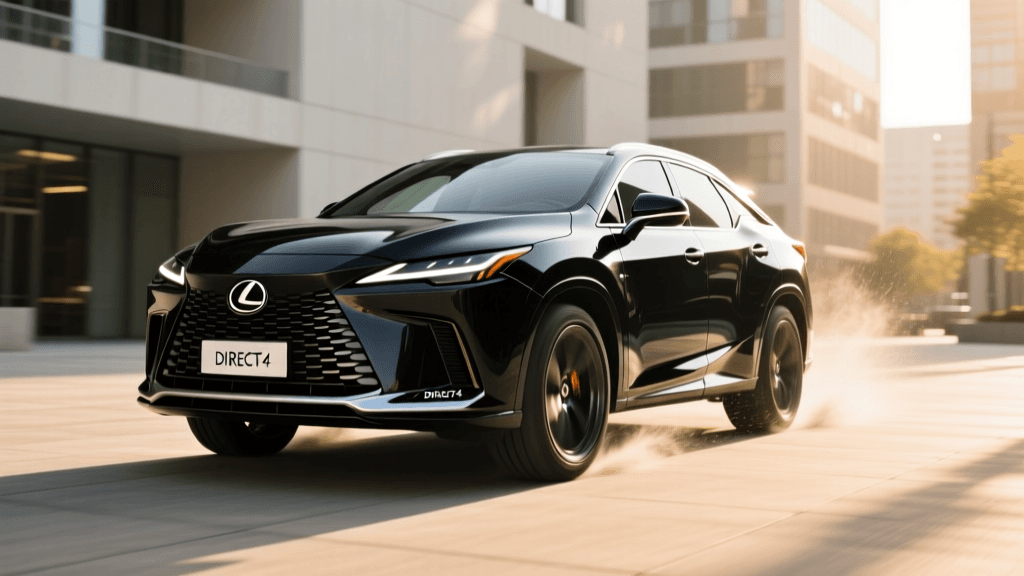
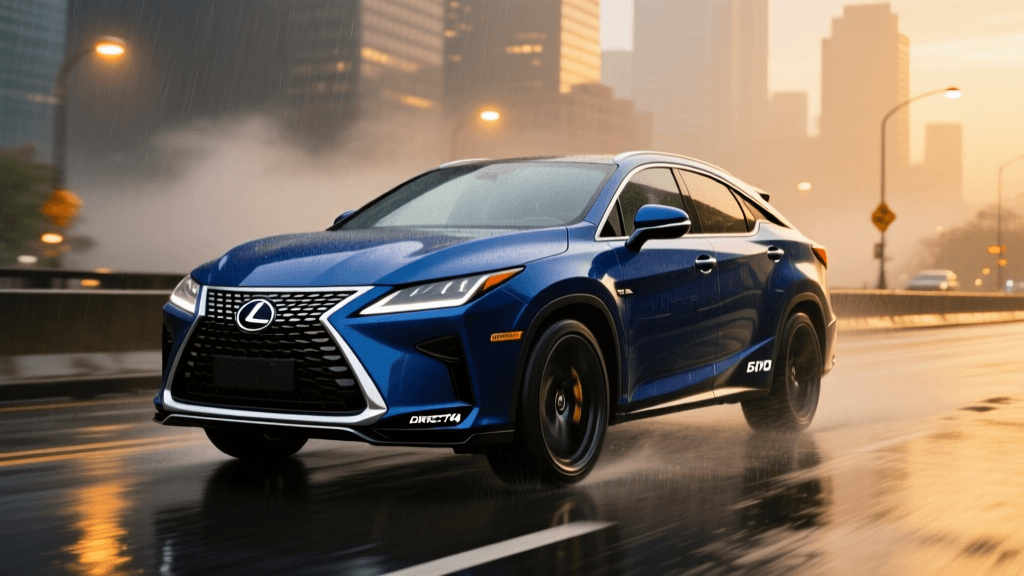
For over two decades, the Lexus RX has been the undisputed benchmark in the midsize luxury SUV segment, prized for its whisper-quiet cabin, plush ride, and bulletproof reliability. However, the transition to the brand's latest TNGA-K platform has brought a radical shift in engineering philosophy. Sitting at the absolute pinnacle of this new generation is the Lexus RX 500h F Sport Performance. This is not merely a trim upgrade; it is a profound technology showcase that replaces the traditional V6 and the sluggish CVTs of the past with a high-output turbocharged hybrid architecture. In this technology deep dive, we dissect the engineering marvels that make the RX 500h a legitimate performance contender while maintaining the luxury DNA that Lexus buyers demand.
Under the Hood: The 2.4-Liter Turbo Hybrid Powertrain
The heart of the RX 500h is a highly advanced parallel hybrid system that pairs a 2.4-liter turbocharged inline-four engine with a high-output electric motor integrated into the front transaxle. Unlike the naturally aspirated 2.5-liter setups found in the lower-tier RX 350h and the RX 450h+ plug-in hybrid, this turbocharged powerhouse generates a combined system output of 366 horsepower and a massive 406 lb-ft of torque.
Crucially, Lexus has abandoned the Continuously Variable Transmission (CVT) for this specific performance model. Instead, the RX 500h utilizes a Direct Shift 6-speed automatic transmission. From an engineering standpoint, this eliminates the 'rubber-band' effect and drone associated with CVTs under heavy acceleration. The physical gears provide a direct, mechanical connection to the road, allowing the turbo engine to stay in its optimal power band while delivering crisp, predictable shifts. According to independent testing by Car and Driver, this powertrain configuration enables the RX 500h to sprint from 0 to 60 mph in just 5.9 seconds, a significant leap over its hybrid siblings.
DIRECT4 All-Wheel Drive: The Technological Crown Jewel
The most compelling piece of technology in the RX 500h is the implementation of the DIRECT4 all-wheel-drive system. Originally developed for the RZ 450e electric vehicle, adapting DIRECT4 for a hybrid application required significant software and hardware calibration. The system utilizes a dedicated rear e-axle (a compact electric motor and reduction gear assembly) that operates independently of the front powertrain.
DIRECT4 continuously monitors an array of sensors, including steering angle, lateral g-forces, vehicle speed, and individual wheel slip. It can instantly shift torque distribution between the front and rear axles anywhere from 100:0 to 20:80 in milliseconds. When cornering, the system proactively sends more torque to the rear wheels to induce a slight yaw moment, effectively rotating the vehicle into the turn and mitigating the understeer typically associated with heavy, front-biased crossover SUVs. This torque vectoring capability ensures that the RX 500h feels remarkably agile for a vehicle weighing over 4,600 pounds.
Dynamic Rear Steering (DRS) and Chassis Dynamics
Complementing the DIRECT4 system is the available Dynamic Rear Steering (DRS). At low speeds (below 30 mph), the rear wheels turn up to 4 degrees in the opposite direction of the front wheels. This reduces the turning circle by nearly three feet, making the midsize SUV as maneuverable as a compact hatchback in tight urban environments and parking garages. At highway speeds, the rear wheels turn in the same direction as the front, enhancing high-speed lane-change stability and tracking.
The F Sport Performance trim also features a specially tuned Adaptive Variable Suspension (AVS). The dampers can adjust their firmness in milliseconds based on road conditions and driving inputs. While the standard RX prioritizes cloud-like isolation, the AVS on the 500h tightens the body control, significantly reducing pitch during hard braking and roll during aggressive cornering, without transmitting harsh impacts into the cabin.
Interior Luxury and the 14-Inch Lexus Interface
Step inside, and the technology deep dive continues with the Tazuna cockpit concept. Inspired by the reins used to control a horse, the layout is designed to minimize eye movement. The centerpiece is a massive 14-inch touchscreen running the latest Lexus Interface software. It features cloud-based navigation, an intelligent voice assistant, and wireless Apple CarPlay and Android Auto.
For the driver, the F Sport Performance steering wheel includes haptic touch controls that interact directly with the head-up display (HUD). When you touch a steering wheel button, the corresponding icon is projected onto the windshield, allowing you to adjust adaptive cruise control or media settings without looking down. Furthermore, the RX 500h utilizes acoustic laminated glass on both the front and rear windows, alongside active noise cancellation, to ensure that the turbocharged engine note remains a distant, refined hum rather than an intrusive roar.
Efficiency, Economy, and Powertrain Comparison
While performance is the priority for the 500h, it remains a hybrid at its core. The high-output battery pack is strategically mounted beneath the rear seats to lower the center of gravity and preserve cargo volume. Below is a structured comparison of the current RX hybrid lineup to contextualize the 500h's position.
| Model | Powertrain | Net Horsepower | EPA Est. MPG (Combined) | 0-60 MPH (Est.) |
|---|---|---|---|---|
| RX 350h | 2.5L I4 Hybrid | 246 hp | 36 MPG | 7.4 sec |
| RX 450h+ (PHEV) | 2.5L I4 Plug-in Hybrid | 302 hp | 35 MPG + 37 mi EV | 6.5 sec |
| RX 500h F Sport | 2.4L Turbo Hybrid | 366 hp | 27 MPG | 5.9 sec |
As noted by the EPA's green vehicle guidelines, the trade-off for a 50% increase in horsepower over the 350h is a drop to 27 MPG combined. However, for buyers seeking V8-like torque with the reliability of a hybrid system, this is a highly acceptable compromise. For more detailed specifications, buyers can consult the official Lexus RX model lineup.
Actionable Advice for Prospective Buyers
If you are considering the Lexus RX 500h F Sport Performance, keep the following practical and financial details in mind:
- Fuel Requirements: Unlike the RX 350h which runs perfectly on regular 87-octane fuel, the turbocharged 2.4-liter engine in the RX 500h requires Premium Unleaded (91 octane or higher) to achieve its peak 366 horsepower and prevent engine knock. Factor this into your monthly operating budget.
- Wheel and Tire Selection: The F Sport Performance comes standard with striking 21-inch alloy wheels. While they fill the wheel arches beautifully and improve steering response, they do result in a slightly firmer ride over broken pavement and carry a higher replacement cost for tires compared to the 19-inch options on lower trims.
- Hybrid Battery Warranty: Lexus provides a 10-year/150,000-mile warranty on the hybrid battery and related components. Because the 500h uses a high-discharge battery setup, adhering to the severe maintenance schedule (checking the hybrid cooling system intake filter every 10,000 miles) is vital for long-term longevity.
- Towing Capacity: Thanks to the robust torque curve and the 6-speed automatic transmission, the RX 500h is rated to tow up to 3,500 pounds when properly equipped, making it suitable for light campers or a pair of jet skis.
Final Verdict
The Lexus RX 500h F Sport Performance successfully bridges the gap between traditional luxury and modern driving dynamics. By leveraging the DIRECT4 e-axle, Dynamic Rear Steering, and a physical 6-speed transmission, Lexus has created a hybrid SUV that genuinely rewards the driver. It may not be the most fuel-efficient option in the showroom, but as a technology showcase and a luxury performance vehicle, it is an absolute triumph.