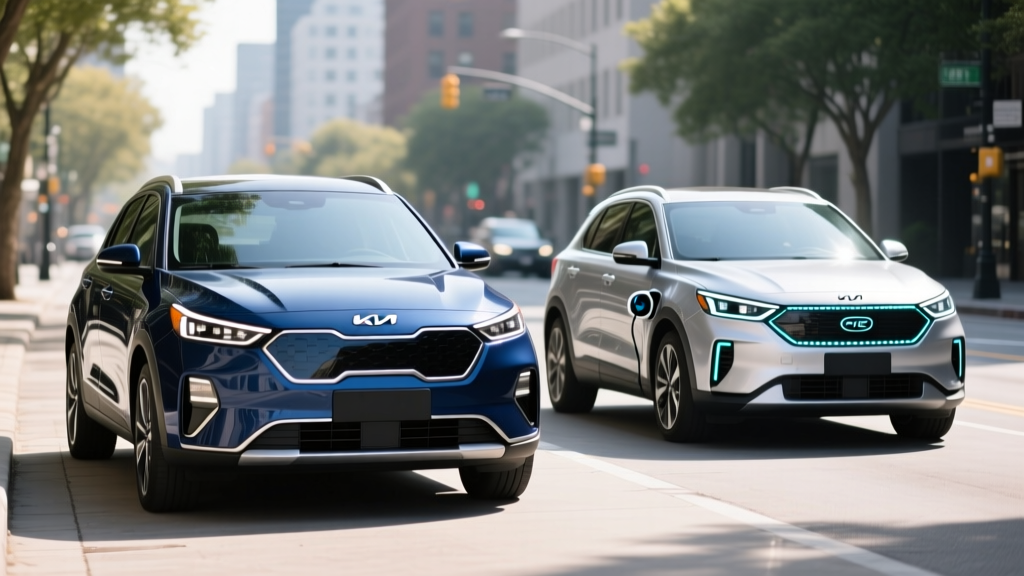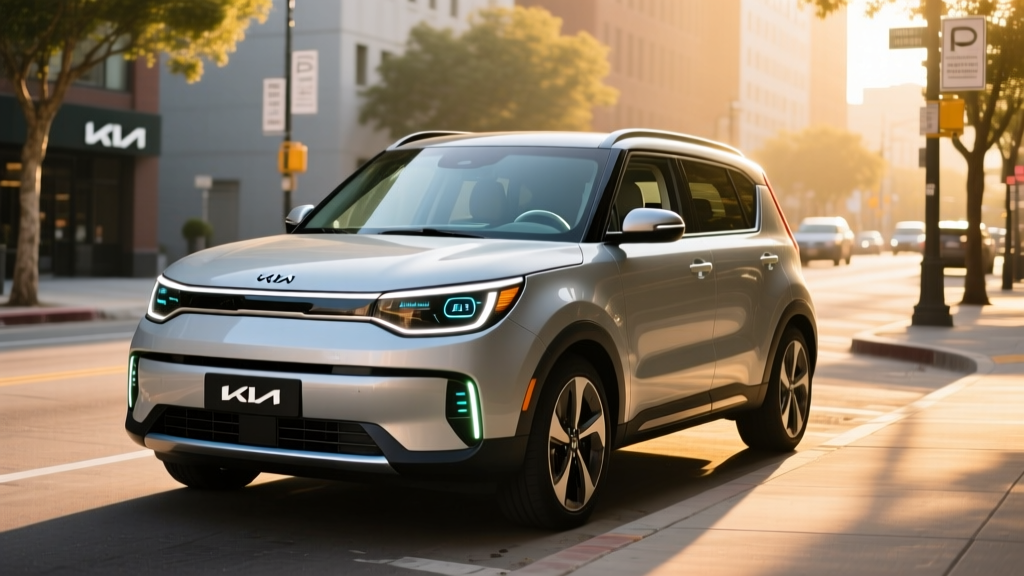
If you've been searching for a Kia Soul hybrid, you're not alone — the boxy, practical subcompact has a loyal following, and the idea of pairing its versatile interior with hybrid efficiency is compelling. But before you head to a dealership, there's a critical fact you need to know: as of the 2026 model year, Kia does not sell a hybrid version of the Soul in the United States.
The Soul remains a gasoline-only nameplate, powered by either a 2.0L four-cylinder or an available 1.6L turbocharged engine. No conventional hybrid (HEV) and no plug-in hybrid (PHEV) variant has been announced for the current generation. That said, the hybrid conversation around the Soul is worth exploring — because Kia does offer excellent hybrid alternatives in its lineup, and understanding what a hypothetical Soul hybrid would look like helps you make a smarter purchase decision today.
Why Isn't There a Kia Soul Hybrid?
The Soul occupies a unique niche: it's a front-wheel-drive, boxy hatchback built on a platform shared with the Hyundai Kona. While Kia has aggressively electrified other models — the Niro, Sportage, and Sorento all come in HEV and PHEV variants — the Soul's relatively low sales volume and budget-oriented pricing have kept it gasoline-only.
Adding a hybrid powertrain increases manufacturing cost by roughly $1,500–$3,000 per vehicle. For a car that starts around $22,000, that premium would push the Soul into territory where buyers cross-shop the Kia Niro Hybrid — a vehicle that already delivers exceptional efficiency in a similarly practical package. From Kia's perspective, the Niro is the Soul hybrid, just wearing a different nameplate.
Kia Soul Gas MPG vs. Kia Niro Hybrid: The Real Comparison
Since the Soul hybrid doesn't exist, the most useful comparison is the current gas-powered Soul against the Kia Niro Hybrid, which shares a similar footprint, cargo capacity, and price range. Here's how the EPA numbers stack up:
| Model | City MPG | Highway MPG | Combined MPG | Annual Fuel Cost* |
|---|---|---|---|---|
| 2026 Kia Soul 2.0L (IVT) | 27 | 33 | 29 | ~$1,650 |
| 2026 Kia Niro Hybrid (HEV) | 53 | 48 | 50 | ~$950 |
| 2026 Kia Niro PHEV | 48 (hybrid mode) | 44 | 46 / 108 MPGe | ~$750 |
*Based on 15,000 miles/year at $3.20/gallon regular unleaded. Source: fueleconomy.gov
The Niro Hybrid delivers nearly double the city fuel economy of the gas Soul. This is typical of conventional hybrids, which recapture braking energy and use electric motor torque at low speeds where gasoline engines are least efficient. If your commute involves stop-and-go traffic, the real-world advantage is even more pronounced — many Niro Hybrid owners report 52–56 MPG in city driving, exceeding the EPA estimate.
HEV vs. PHEV vs. Full EV: Which Powertrain Fits You?
Whether you were hoping for a Soul hybrid or you're considering the Niro instead, understanding the three electrified powertrain types is essential:
| Feature | HEV (Conventional Hybrid) | PHEV (Plug-In Hybrid) | BEV (Battery Electric) |
|---|---|---|---|
| Plugs in? | No | Yes | Yes |
| Electric-only range | None (motor assists only) | 25–40 miles typical | 200–350+ miles |
| Gas engine? | Yes | Yes | No |
| Fuel cost savings | Moderate (30-50%) | High (50-80% on short commutes) | Highest (60-80% vs gas) |
| Home charging needed? | No | Recommended for max savings | Essential |
| Tax credit (§30D) | Not eligible | Up to $7,500 (with caveats) | Up to $7,500 (with caveats) |
Choose an HEV if you want better fuel economy with zero lifestyle changes — no plug, no range planning, no charging apps. The Niro Hybrid is the closest thing to a "Kia Soul hybrid" you can buy today.
Choose a PHEV if you have a short commute (under 35 miles round-trip), access to home or workplace charging, and still want a gas engine for road trips. The Niro PHEV offers roughly 33 miles of electric-only range before the hybrid system kicks in.
Choose a BEV if you're ready to eliminate gas entirely, have reliable home charging, and want the lowest operating costs. The Kia Niro EV offers 252 miles of EPA range and qualifies for the full federal tax credit (subject to eligibility).
Kia Niro Hybrid Powertrain and Performance Specs
Since the Niro Hybrid is the functional answer to "what if the Soul were a hybrid," here's a detailed look at what you're getting:
| Specification | Detail |
|---|---|
| Engine | 1.6L GDI 4-cylinder |
| Electric motor | 32 kW permanent-magnet synchronous |
| Combined horsepower | 139 hp |
| Combined torque | 195 lb-ft |
| Transmission | 6-speed dual-clutch automatic (DCT) |
| Hybrid battery | 1.56 kWh lithium-ion polymer |
| Drivetrain | Front-wheel drive |
| 0–60 mph | ~9.3 seconds |
| EPA combined MPG | 50 MPG (LX/EX trim), 49 MPG (SX Touring) |
| Cargo volume | 22.8 cu ft (rear seats up) / 54.5 cu ft (folded) |
| Base MSRP | ~$28,990 (LX trim) |
The 1.56 kWh battery in the Niro HEV is small by EV standards — it's not designed for plug-in charging or electric-only driving. Instead, it acts as a buffer: capturing energy from regenerative braking and deploying it through the electric motor to assist the gas engine during acceleration. This is why you'll never plug in a conventional hybrid — it charges itself through driving.
Kia Niro PHEV: The Plug-In Option
If you want genuine electric-only commuting capability in a Kia package close to the Soul's size, the Niro PHEV is the answer:
| Specification | Detail |
|---|---|
| Combined horsepower | 180 hp |
| Hybrid battery capacity | 11.1 kWh lithium-ion polymer |
| EPA electric-only range | 33 miles |
| Total range (electric + gas) | ~430 miles |
| MPGe (electric mode) | 108 MPGe combined |
| MPG (hybrid mode, battery depleted) | 46 combined |
| Level 2 charge time (0–100%) | ~2 hours 45 minutes (at 3.3 kW onboard charger) |
| DC fast charging | Not available |
| Base MSRP | ~$35,390 (EX trim) |
The Niro PHEV's 33-mile electric range covers most daily commutes entirely on electricity. Charge at home overnight on a standard 120V outlet (roughly 9 hours for a full charge) or a Level 2 home charger (~2 hours 45 minutes), and you may go weeks without visiting a gas station. When the battery depletes, the car seamlessly transitions to hybrid mode at 46 MPG combined — no range anxiety, no behavior change required.
Federal Tax Credit Eligibility for Kia Hybrids and PHEVs
This is where the distinction between HEV and PHEV becomes financially significant:
- Kia Niro Hybrid (HEV): Does not qualify for the federal §30D tax credit. Conventional hybrids are ineligible because they cannot be plugged in and lack sufficient battery capacity under IRS rules.
- Kia Niro PHEV: May qualify for up to $3,750 under the §30D New Clean Vehicle Credit, depending on battery component and critical mineral sourcing requirements. The full $7,500 requires meeting both the critical minerals and battery component thresholds.
- Kia Niro EV (BEV): Eligible for up to $7,500 if all sourcing requirements are met and the buyer meets income caps.
Key §30D eligibility requirements (2026 tax year):
- Buyer AGI must not exceed $150,000 (single) / $300,000 (joint) / $225,000 (head of household)
- Vehicle MSRP must not exceed $55,000 for sedans / $80,000 for SUVs, vans, and trucks
- Battery components and critical minerals must meet phased-in domestic sourcing thresholds
- Credit can now be transferred to the dealer at point of sale, reducing your purchase price directly
Always verify current eligibility on IRS.gov before purchasing, as sourcing requirements tighten annually and model eligibility can change mid-year.
Battery Warranty and Long-Term Reliability
One of the most common questions from hybrid shoppers is: "What happens when the hybrid battery dies, and what will it cost?"
Real-world longevity data is reassuring. Kia's lithium-ion polymer hybrid batteries have shown minimal degradation in fleet and owner reports. The 1.56 kWh battery in the Niro HEV operates within a narrow state-of-charge window (roughly 40–60%), which dramatically reduces stress on the cells. Many first-generation Niro Hybrids (2017–2022) have exceeded 150,000 miles with no battery replacement needed.
If replacement is ever necessary outside of warranty:
- Niro HEV hybrid battery replacement: approximately $2,000–$3,500 (parts and labor)
- Niro PHEV high-voltage battery replacement: approximately $5,000–$8,000 due to the larger 11.1 kWh pack
For context, the Niro's hybrid battery replacement cost is significantly lower than a full EV battery replacement ($10,000–$20,000+), and the 10-year warranty means most owners will never face this expense.
On IIHS crash testing, the Niro has earned strong safety scores across model years, and Kia's overall brand reliability ratings from Consumer Reports and J.D. Power have improved steadily. The hybrid system adds complexity but removes other wear items — regenerative braking extends brake pad life significantly, and the DCT transmission in the Niro has proven durable.
Soul vs. Niro: Interior Space and Practicality
Part of the Soul's appeal is its surprisingly spacious interior despite a compact footprint. Here's how the Niro compares on the dimensions that matter:
| Dimension | Kia Soul (Gas) | Kia Niro Hybrid |
|---|---|---|
| Wheelbase | 102.4 in | 106.3 in |
| Overall length | 165.2 in | 174.0 in |
| Headroom (front) | 39.9 in | 40.5 in |
| Legroom (rear) | 36.4 in | 39.8 in |
| Cargo (seats up) | 24.2 cu ft | 22.8 cu ft |
| Cargo (seats folded) | 62.1 cu ft | 54.5 cu ft |
| Ground clearance | 6.7 in | 6.3 in |
The Soul wins on maximum cargo volume with seats folded — its boxy roofline creates a taller, more usable cargo area. The Niro, however, offers more rear legroom and a longer wheelbase for a smoother ride. If you regularly haul tall items (bicycles, furniture, dog crates), the Soul's vertical space is hard to beat. If you prioritize fuel savings and a more refined driving experience, the Niro is the clear choice.
Who Should Buy What? A Decision Framework
Buy the Kia Soul (gas) if you want the lowest purchase price (~$22,000), maximum cargo versatility in a compact footprint, and don't mind 29 MPG combined. It's a solid value play for budget-conscious buyers who drive under 10,000 miles per year.
Buy the Kia Niro Hybrid (HEV) if you want 50 MPG without changing any habits. No plug, no apps, no range planning — just dramatically lower fuel costs. Ideal for high-mile commuters, rideshare drivers, and anyone tired of gas station visits.
Buy the Kia Niro PHEV if your commute is under 35 miles round-trip and you can charge at home. You'll drive most days on electricity alone, with a gas backup for road trips. The potential $3,750 tax credit helps offset the higher MSRP.
Buy the Kia Niro EV if you're ready to go fully electric, have home charging, and want the lowest operating costs plus the full $7,500 tax credit (if eligible). 252 miles of range covers most needs.
Frequently Asked Questions
Will Kia ever make a Soul Hybrid?
Kia has not announced any plans for a hybrid or plug-in hybrid Soul as of 2026. The company's hybrid strategy has focused on the Niro, Sportage, and Sorento lines. Given the Soul's positioning as a budget-friendly, gasoline-only model, a hybrid variant is unlikely before the next full redesign — if it happens at all. The Kia Niro Hybrid effectively fills that role in the lineup.
How many MPG does the Kia Soul get?
The 2026 Kia Soul with the 2.0L engine and IVT automatic transmission achieves an EPA-estimated 27 city / 33 highway / 29 combined MPG. The available 1.6L turbocharged engine (in GT-Line and X-Line trims) drops to approximately 26 city / 31 highway / 28 combined. Real-world highway driving at speeds above 70 mph typically yields 30–31 MPG; city driving with moderate traffic aligns closely with the EPA estimate.
Does the Kia Soul Hybrid qualify for a tax credit?
There is no Kia Soul Hybrid. The conventional Kia Soul (gas) does not qualify for any federal EV or hybrid tax credit. The Kia Niro Hybrid (HEV) also does not qualify for the §30D credit. The Kia Niro PHEV may qualify for up to $3,750, and the Niro EV may qualify for up to $7,500, subject to income, MSRP, and battery sourcing requirements outlined by the IRS.
Is the Kia Niro Hybrid reliable?
Yes. The Niro Hybrid has been in production since 2017 with a proven powertrain. Kia's 10-year/100,000-mile hybrid battery warranty is among the best in the industry. The lithium-ion polymer battery operates in a narrow charge window that minimizes degradation. Independent reliability surveys from J.D. Power and Consumer Reports have rated the Niro Hybrid favorably. Brake pad life is extended significantly thanks to regenerative braking.
What's the battery replacement cost for a Kia hybrid?
If needed outside of the 10-year/100,000-mile warranty, the Niro HEV hybrid battery costs approximately $2,000–$3,500 to replace. The Niro PHEV's larger 11.1 kWh battery costs approximately $5,000–$8,000. Most owners never face this expense, as hybrid batteries are designed to last the life of the vehicle under normal driving conditions.
Can I convert my Kia Soul to a hybrid?
No. There are no commercially available or certified aftermarket hybrid conversion kits for the Kia Soul. Such conversions would void the factory warranty, likely fail emissions certification, and cost more than purchasing a Niro Hybrid outright.