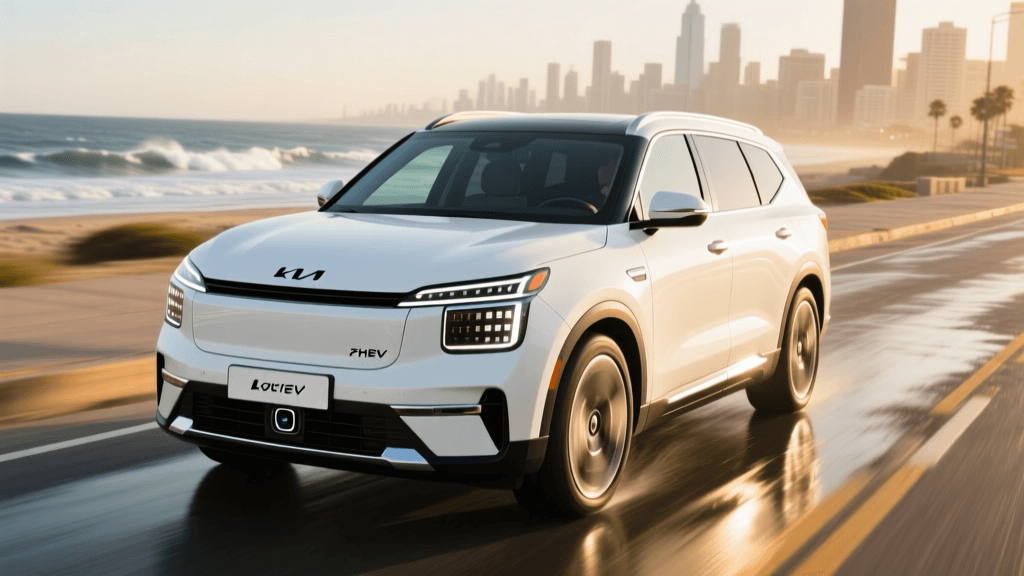
Introduction to the Kia Sorento PHEV
The Kia Sorento Plug-In Hybrid (PHEV) is a compelling choice for families seeking the versatility of a three-row SUV combined with the efficiency of a plug-in hybrid powertrain. With its 1.6-liter turbocharged four-cylinder engine paired with a 66.9-kW electric motor, the Sorento PHEV delivers a robust 261 horsepower and an EPA-estimated 32 miles of pure electric range. However, like any complex electrified vehicle, owners occasionally encounter quirks that require troubleshooting. Whether you are dealing with winter charging woes, infotainment glitches, or range anxiety, this comprehensive guide will help you diagnose and resolve the most common Kia Sorento PHEV issues.
Common Kia Sorento PHEV Problems and Troubleshooting
1. Charging Port Door Freezing in Winter
One of the most frequently reported issues among Sorento PHEV owners in colder climates is the charging port door freezing shut. The Sorento’s charging port is located on the passenger side rear quarter panel, and the rubber weather seal can trap moisture. When temperatures drop below freezing, this moisture turns to ice, effectively sealing the door and preventing you from plugging in. To troubleshoot and prevent this, start by applying a high-quality automotive silicone grease or spray to the rubber gasket surrounding the charging door. Avoid using petroleum-based products like WD-40, as these can degrade the rubber over time. If the door is already frozen, do not yank it open, as the plastic latch mechanism can snap. Instead, use a hairdryer on a warm setting, or pour a small amount of lukewarm (not boiling) water over the seam to melt the ice. Long-term, utilizing the Kia Connect app to precondition the cabin while the vehicle is still plugged in will generate enough ambient heat to keep the charging port area thawed.
2. Unexpected Drops in Electric-Only Range
Owners often express concern when their real-world electric-only range falls short of the EPA-estimated 32 miles, particularly during seasonal transitions. The Sorento PHEV utilizes a 13.8-kWh lithium-ion polymer battery pack. Lithium-ion chemistry is inherently sensitive to temperature extremes. In winter weather, it is entirely normal to see your EV range drop to between 20 and 24 miles. This is because the battery management system (BMS) diverts energy to heat the battery cells, and cabin heating draws heavily from the pack. To maximize your range, switch to the heated seats and heated steering wheel rather than cranking up the cabin air temperature. Seat heaters require a fraction of the wattage compared to the PTC electric heater used for the cabin air. Additionally, ensure your tires are inflated to the exact PSI listed on the driver’s side door jamb. The Sorento PHEV is significantly heavier than its gas-only counterpart due to the battery pack, and under-inflated tires will drastically increase rolling resistance and sap your electric range. For official efficiency metrics, owners can consult the EPA Fuel Economy Guide to understand baseline expectations.
3. On-Board Charger (OBC) and Charging Speed Glitches
The Sorento PHEV is equipped with a 7.2-kW On-Board Charger (OBC), allowing for a full charge in roughly 3.4 hours on a Level 2 (240-volt) home charger. However, some owners report charging interruptions or the vehicle failing to initiate a charge when plugged in. First, inspect the J1772 connector on your charging cable. Look for any signs of pitting, melting, or debris on the metal pins. A dirty or damaged pin will cause the OBC to halt the charging sequence as a safety precaution. Clean the pins with a dry, lint-free cloth and compressed air. If the issue persists, check your home charger’s status lights. A ground fault or voltage drop in your home’s electrical panel can trigger the Sorento’s sensitive safety relays. If you suspect an OBC failure—which is typically covered under Kia’s 10-year/100,000-mile hybrid system warranty—you will need a dealer to pull the diagnostic trouble codes (DTCs). You can find more warranty and service details via the Kia Official Owners Portal.
4. Infotainment and Kia Connect App Sync Errors
The 10.25-inch infotainment screen and the Kia Connect app are central to the Sorento PHEV experience, but software glitches can cause the app to fail to communicate with the car. If the app shows the vehicle as "offline" or fails to execute remote start and charging commands, the issue often stems from the vehicle's 12-volt accessory battery, not the high-voltage traction battery. The 12V battery powers the telematics control unit (TCU). If the 12V battery is aging or experiencing voltage drops, the TCU will shut down to preserve power, severing your app connection. Have your 12V battery load-tested at an auto parts store. If the 12V battery is healthy, perform a hard reset of the infotainment head unit by pressing and holding the physical power button on the left side of the screen for 10 to 15 seconds until the system reboots. This clears the cache and forces the TCU to reconnect to the cellular network.
5. Third-Row Space and Cargo Compromises
While not a mechanical "fault," the compromise in cargo and third-row space is a common pain point that requires practical problem-solving. Because the high-voltage battery is mounted under the floor, the Sorento PHEV sits slightly higher, and the third-row seating is best suited only for small children. Furthermore, cargo space behind the third row is limited to just 12.6 cubic feet. To troubleshoot this spatial limitation, families should invest in a low-profile roof cargo box. Brands like Thule or Yakima offer aerodynamic boxes that mount to the Sorento’s factory roof rails, freeing up the interior cabin for passengers. When the third row is folded flat, you regain a much more usable 45 cubic feet of space. For a deeper look at interior dimensions and real-world usability, the Edmunds Kia Sorento Hybrid Hub provides excellent comparative measurements against rival SUVs.
Sorento PHEV Troubleshooting Quick-Reference Table
| Issue | Common Symptom | DIY Troubleshooting Step |
|---|---|---|
| Charging Door Frozen | Door will not unlatch in freezing temps | Apply silicone grease to seal; use lukewarm water to melt ice |
| Reduced EV Range | Range drops below 25 miles in winter | Use seat heaters instead of cabin air; check tire pressure |
| Charge Fails to Start | Plugged in but dashboard shows no charge | Inspect J1772 pins for debris; check home breaker panel |
| App Offline / Glitches | Kia Connect app cannot locate vehicle | Hard reset head unit (hold power 15s); test 12V battery |
| Limited Cargo Space | Luggage doesn't fit behind 3rd row | Utilize roof cargo box; fold 3rd row for 45 cu ft space |
Maximizing Your Sorento PHEV Efficiency and Regenerative Braking
Beyond troubleshooting faults, optimizing how you drive the Sorento PHEV can prevent premature wear and improve your daily electric range. The Sorento PHEV features steering-wheel-mounted paddle shifters that control the regenerative braking levels, ranging from 0 (coasting) to 3 (maximum regeneration). For stop-and-go city traffic, setting the regen to Level 3 allows for near one-pedal driving, capturing kinetic energy and feeding it back into the 13.8-kWh battery pack. This not only extends your range but also significantly reduces wear on the physical friction brake pads.
Additionally, utilize the vehicle's Smart Cruise Control (SCC) with Stop and Go. The radar-based SCC is programmed to optimize acceleration and deceleration curves for maximum efficiency, often outperforming human drivers in hyper-miling scenarios. When embarking on a long road trip that exceeds your electric range, use the navigation-based battery management feature. By inputting your destination into the native Kia navigation system, the PHEV will automatically manage the battery's state of charge, saving electric power for city driving at your destination where the electric motor is most efficient.
When to Visit the Dealership
While many of the issues outlined above can be resolved at home, certain warning indicators require professional diagnostic equipment. If your dashboard illuminates the "Check Hybrid System" warning, or if you experience a sudden, unexplained loss of power while driving in EV mode, safely pull over and contact your local Kia service center. These symptoms could indicate a fault in the high-voltage inverter, the electric motor, or the battery management system. Fortunately, Kia backs the Sorento PHEV’s core hybrid components with an industry-leading 10-year/100,000-mile warranty, ensuring that major powertrain and battery defects are covered well into the vehicle's lifespan. By staying proactive with your maintenance and utilizing the troubleshooting steps provided, your Sorento PHEV will remain a reliable, efficient family hauler for years to come.