Introduction to the Kia Sorento PHEV
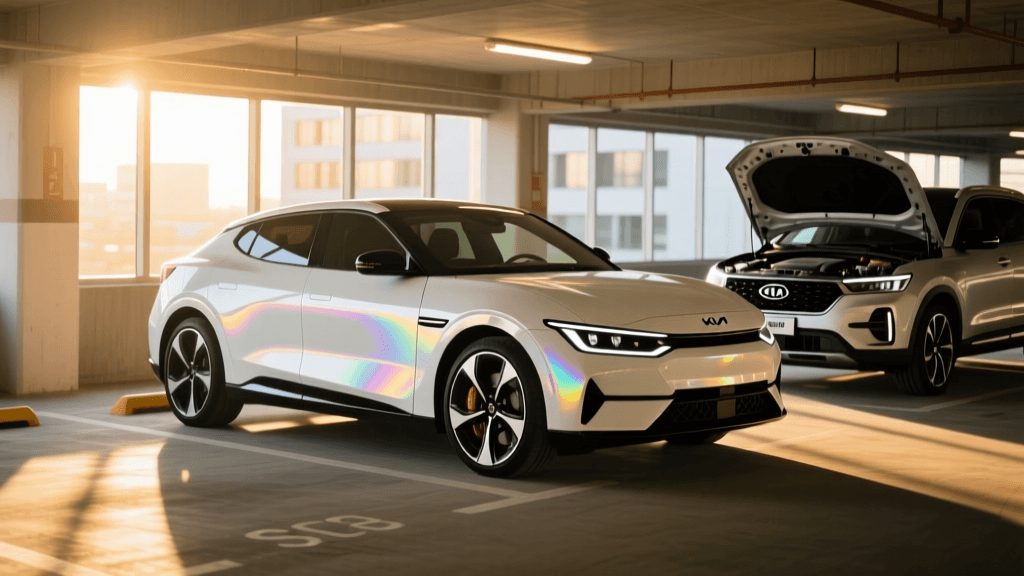
The Kia Sorento Plug-In Hybrid (PHEV) occupies a unique space in the automotive market. As one of the few three-row SUVs offering a plug-in hybrid powertrain, it pairs a 1.6-liter turbocharged inline-four engine with a 90-kW electric motor and a 13.8-kWh lithium-ion battery pack. This setup generates a combined 261 horsepower and 258 lb-ft of torque, delivering an EPA-estimated 32 miles of pure electric range. According to Kia America's official pressroom, the vehicle is designed to bridge the gap between daily electric commuting and long-distance family road trips. However, the complexity of mating a turbocharged gas engine, a high-voltage battery, and a traditional six-speed automatic transmission creates a unique set of challenges. In this comprehensive review, we dive deep into the most common issues reported by owners and provide actionable troubleshooting steps to maximize your Sorento PHEV's reliability, efficiency, and comfort.
The 12-Volt Auxiliary Battery Dilemma
One of the most frequent troubleshooting scenarios for modern Hyundai and Kia plug-in hybrids involves the 12-volt auxiliary battery. Unlike older vehicles that use a standard lead-acid battery under the hood, the Sorento PHEV utilizes a 12V lithium-ion unit. If the 12V system drains, the vehicle's main computers cannot boot up, meaning the car will not start—even if the main high-voltage (HV) battery is completely full.
Troubleshooting the 12V Reset
Kia anticipated this issue and included a clever hardware solution. On the lower left side of the dashboard, near the driver's knee, there is a button labeled '12V Battery Reset'. If your Sorento PHEV is completely unresponsive and the dashboard is dark:
- Press and hold the 12V Battery Reset button for about 3 to 5 seconds.
- You should hear a clicking sound from the rear of the vehicle as a relay closes, drawing power from the main 13.8-kWh HV pack to jumpstart the 12V system.
- Immediately press the brake pedal and push the Start/Stop button to turn the vehicle ON.
- Leave the vehicle in the 'READY' state for at least 30 minutes to allow the DC-DC converter to fully recharge the 12V lithium-ion module.
Pro Tip: To prevent parasitic drain, avoid leaving dashcams plugged into the 12V accessory ports while the car is off, and ensure all interior lights are manually switched off if you plan to leave the vehicle parked at an airport for more than a week.
EV Range Anxiety and Cold Weather Degradation
The EPA estimates the Sorento PHEV can travel 32 miles on electricity alone. However, real-world owners frequently report range dropping to 22-25 miles during winter months. This is not necessarily a defect, but rather a characteristic of lithium-ion chemistry, which experiences increased internal resistance in freezing temperatures. Furthermore, using the cabin heater draws heavily from the 13.8-kWh battery.
Solutions for Maximizing Winter EV Range
To troubleshoot and mitigate winter range loss, you must change how you precondition the vehicle. The U.S. Department of Energy notes that preconditioning a PHEV while it is still plugged into the grid is one of the most effective ways to preserve battery capacity. Use the Kia Connect app to schedule climate control activation 20 minutes before your departure while the car is still connected to your Level 2 home charger. This warms the cabin and the battery pack using grid electricity rather than battery power.
Additionally, utilize the Sorento's heated seats and heated steering wheel instead of blasting the main HVAC system. The resistive heating elements in the seats draw a fraction of the wattage compared to the PTC (Positive Temperature Coefficient) cabin heater, easily netting you an extra 4 to 6 miles of electric range in sub-40-degree weather.
Charging Hardware and Kia Connect App Glitches
Another common pain point revolves around charging initiation and telematics. Some owners report that plugging in the J1772 connector does not immediately start the charging session, or the Kia Connect app fails to send remote commands.
Fixing Delayed Charging and Sync Errors
If your Sorento PHEV refuses to charge upon plugging in, check the infotainment system's 'Scheduled Charging' menu. A common user error is accidentally enabling a delayed charging window that doesn't align with the current time. If the schedule is correct and the car still won't charge, perform a soft reset of the infotainment and telematics unit by pressing and holding the physical volume/power knob on the dash for 10 seconds until the screen reboots.
Regarding the Kia Connect app, remote commands (like remote start or unlocking) rely on the vehicle's embedded LTE modem. If the app shows the vehicle as 'Offline', check the infotainment settings menu for 'Privacy Mode'. If Privacy Mode is toggled ON, it disables the telematics modem's GPS and cellular transmission, severing the connection to the Kia servers. Toggle it OFF, drive the vehicle through an area with strong cellular coverage, and the app should resync within 15 minutes.
Powertrain Shudders and TMED Calibration
The Sorento PHEV uses a TMED (Transmission Mounted Electric Device) layout. The 90-kW electric motor is sandwiched directly between the 1.6L turbo engine and the six-speed automatic transmission. While this provides excellent highway passing power, it can result in clunky, shuddering transitions when the battery depletes and the gas engine kicks in to assist.
Smoothing Out the Hybrid Transition
If you experience harsh engagement when the engine turns on, the Transmission Control Unit (TCU) may have adapted poorly to your driving habits, or the battery buffer is too low. To troubleshoot this:
- Manage the Battery Buffer: When driving on the highway, switch the drive mode to 'Hybrid' and activate 'Charge Mode' via the center screen. This forces the gas engine to recharge the battery slightly. Keeping the battery above a 15% state-of-charge ensures the electric motor has enough torque to smooth out the transmission shifts when you exit the highway and enter stop-and-go city traffic.
- ECU/TCU Reset: If the shudder persists, visit your local Kia dealer and request an ECU/TCU software update and adaptation reset. This clears the learned shift points and forces the computer to relearn the clutch engagement parameters, often completely eliminating the low-speed shudder.
Real-World Economy vs. EPA Estimates
Understanding how the Sorento PHEV performs in the real world is crucial for troubleshooting your own fuel economy complaints. Below is a data table comparing the official EPA estimates with aggregated real-world observations from long-term testing, along with tips to bridge the gap.
| Driving Scenario | EPA Estimate | Real-World Observed | Troubleshooting / Optimization Tip |
|---|---|---|---|
| EV Only (City/Mixed) | 32 Miles | 26 - 29 Miles | Precondition cabin while plugged in; use seat heaters in winter. |
| Hybrid Mode (City) | 34 MPG | 28 - 32 MPG | Maximize regenerative braking using steering wheel paddles; avoid aggressive throttle inputs. |
| Hybrid Mode (Highway 75mph) | 34 MPG | 26 - 29 MPG | The boxy aerodynamics hurt at high speeds; use adaptive cruise control to maintain steady momentum. |
| Charge Mode (Highway) | N/A | 22 - 25 MPG | Only use to build battery for upcoming city driving; engine works overtime to generate electricity. |
As noted in Car and Driver's Sorento Hybrid overview, the aerodynamic penalty of a three-row SUV becomes apparent at speeds over 70 mph. To troubleshoot poor highway fuel economy, rely on the vehicle's smart cruise control with stop-and-go functionality to eliminate micro-accelerations that waste fuel.
Third-Row Utility and Cargo Compromises
While the Sorento PHEV offers a third row, the packaging of the high-voltage battery and the rear electric motor compromises the rear cargo area. The floor is slightly higher than in the gas-only Sorento, and the third-row seats do not fold completely flat, creating a noticeable step-up in the cargo floor.
Solving the Cargo Space Deficit
If you frequently use the third row and find yourself struggling with luggage space, the best troubleshooting solution is to invest in a low-profile aerodynamic roof cargo box. Because the Sorento PHEV comes with flush-mounted roof rails, adding a crossbar and cargo box system allows you to store bulky, lightweight items (like sleeping bags, jackets, and strollers) up top, leaving the rear hatch available for heavier groceries and gear. Additionally, utilizing the under-floor storage compartments (located behind the third row where the spare tire would normally sit in other trims) is essential for hiding charging cables and emergency kits out of the way.
Final Verdict: Is the Sorento PHEV Worth the Troubleshooting?
The Kia Sorento PHEV remains a highly compelling vehicle for families who want electric daily commuting without the range anxiety of a full EV. While the TMED powertrain can be occasionally unrefined, and the 12V battery system requires a basic understanding of the reset procedure, these are manageable quirks rather than deal-breaking flaws. By utilizing the Kia Connect app for preconditioning, managing your battery buffer on the highway, and understanding the physical limitations of the cargo area, you can easily troubleshoot the most common complaints. When driven and maintained with its specific hybrid architecture in mind, the Sorento PHEV delivers exceptional value, robust safety features, and the versatility that modern families demand.