Introduction to the Jeep Wrangler 4xe
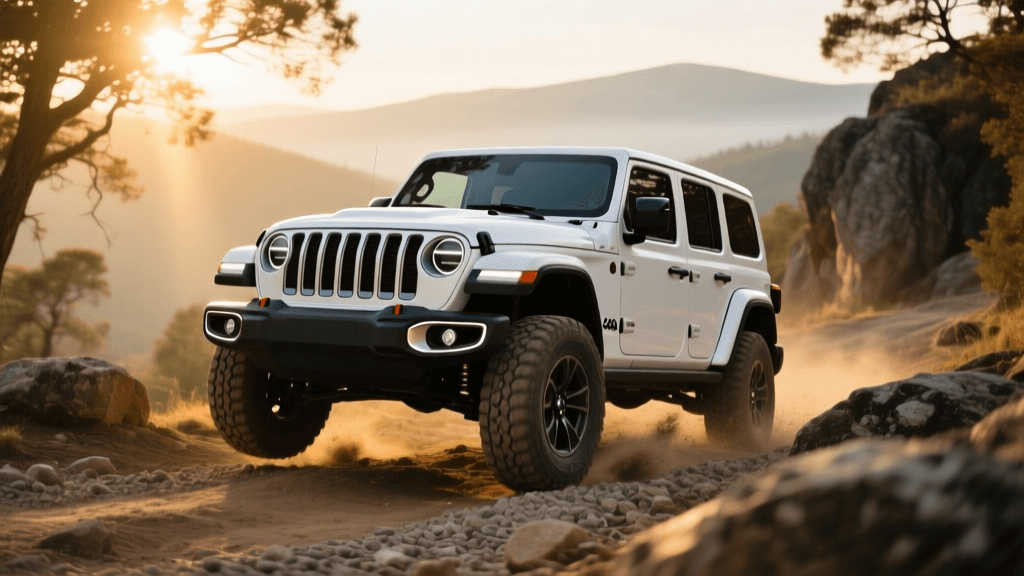
For decades, the Jeep Wrangler has been the undisputed king of off-road enthusiasts, celebrated for its rugged utility, removable doors, and trail-conquering prowess. However, the modern automotive landscape demands better fuel efficiency and lower emissions. Enter the Jeep Wrangler 4xe (pronounced 'four-by-e'), a plug-in hybrid electric vehicle (PHEV) that attempts to bridge the gap between old-school trail rating and new-school electrification. For beginners stepping into the hybrid market, the 4xe represents a fascinating case study: can a vehicle shaped like a brick truly benefit from a battery pack? According to Car and Driver's comprehensive model overview, the 4xe has quickly become one of the best-selling PHEVs in America, proving that electrification and ruggedness can coexist.
The Powertrain: Combining Turbo and Electric
Before diving into range and off-road metrics, beginners must understand what powers the 4xe. The system pairs a 2.0-liter turbocharged inline-four gasoline engine with two electric motors and a 17.3-kWh lithium-ion battery pack (with roughly 15 kWh usable). This combination produces a robust 375 horsepower and a massive 470 lb-ft of torque. Because one of the electric motors is mounted directly to the transmission, the torque delivery is immediate and seamless, completely eliminating the turbo lag typically associated with gas-only Wranglers. The battery pack is cleverly mounted under the rear seat, preserving interior cargo space and keeping the center of gravity relatively low.
Real-World Electric Range: EPA vs. Reality
The most common question from PHEV beginners is: 'How far can I actually drive on electricity alone?' The EPA officially rates the Wrangler 4xe at 21 miles of pure electric range. However, real-world testing reveals that the Wrangler's boxy aerodynamics and heavy curb weight heavily influence this number depending on your driving environment. The EPA's guide to plug-in hybrids notes that PHEV range can fluctuate significantly based on speed, temperature, and terrain.
Below is a breakdown of what beginners can expect in real-world scenarios compared to the official estimates:
| Metric | EPA Estimate | Real-World (City / Low Speed) | Real-World (Highway / 70 MPH) |
|---|---|---|---|
| Pure EV Range | 21 miles | 19 - 22 miles | 14 - 16 miles |
| Efficiency (EV Mode) | 49 MPGe | 45 - 50 MPGe | 32 - 38 MPGe |
| Gas Mileage (Battery Depleted) | 20 MPG | 19 - 21 MPG | 17 - 18 MPG |
As the table illustrates, city driving and lower speeds allow the regenerative braking system to recapture energy, often pushing the EV range slightly past the EPA estimate. Conversely, highway driving at 70+ MPH forces the Wrangler to push a massive wall of air, draining the battery much faster. Furthermore, equipping your 4xe with aggressive 35-inch mud-terrain tires will noticeably reduce both your electric range and your depleted gas mileage.
Off-Roading on Electrons: Trail-Rated Electrification
Where the Wrangler 4xe truly shines is off the pavement. For beginners to off-roading, the electric motors provide a massive advantage: instant, predictable torque at zero RPM. When crawling over rocks or navigating steep inclines, you no longer need to rev the engine and slip the clutch or torque converter. You simply modulate the pedal, and the electric motors deliver precise, immediate power to the wheels.
A crucial feature for off-road beginners to master is the 'E-Save' driving mode. If your favorite trail is 30 miles away on the highway, you can engage E-Save to force the gas engine to do the heavy lifting, preserving your battery's state of charge. Once you reach the trailhead, you switch to 'Electric' mode. This allows you to tackle the trail in near silence, which is not only peaceful but also allows you to hear your spotter's instructions and the sound of the tires gripping the rocks. Additionally, Jeep has thoroughly waterproofed the high-voltage battery and electronics, allowing the 4xe to maintain the same water-fording capabilities (up to 30 inches on Rubicon trims) as its gas-only siblings.
Charging and Battery Management for Beginners
To get the most out of the 4xe, you need a charging strategy. The 17.3-kWh battery can be charged in two primary ways:
- Level 1 Charging (120V): Using a standard household outlet, the 4xe will draw about 1.4 kW. A full charge from 0% to 100% will take approximately 12 to 14 hours. This is only viable if you drive very little daily or have ample time between trips.
- Level 2 Charging (240V): Using a dedicated home wallbox or public Level 2 charger, the 4xe can accept up to 7.2 kW. This reduces the charging time to roughly 2 to 2.5 hours, making it easy to top up while at work or running errands.
Beginners should also utilize the 'Max Regen' button on the dashboard. When engaged, this increases the aggressive regenerative braking, allowing you to slow the heavy SUV down without touching the brake pedal, while simultaneously feeding valuable electrons back into the battery pack.
Fuel Economy and Total Cost of Ownership
When the battery is fully depleted, the 4xe operates as a traditional hybrid, relying on its 2.0L turbo engine and a smaller assist motor. Expect fuel economy to hover around 20 MPG combined, which is respectable for a 5,000-pound off-road vehicle but not class-leading among crossovers. According to the Department of Energy's Alternative Fuels Data Center, PHEVs offer the best total cost of ownership for drivers who can charge daily at home or work, effectively turning their daily commute into an all-electric experience while retaining a gas engine for weekend road trips.
Maintenance costs are generally similar to the gas Wrangler, though regenerative braking significantly extends the life of your brake pads. Depending on your local utility rates, charging at home can reduce your 'fuel' cost per mile by more than 50% compared to burning premium gasoline.
Final Verdict: Is the Wrangler 4xe Right for You?
The Jeep Wrangler 4xe is not for everyone. If your primary goal is maximum highway fuel efficiency, a unibody crossover like the Toyota RAV4 Prime will serve you better. However, if you are an outdoor enthusiast who wants to commute silently during the week and conquer rugged trails on the weekend, the 4xe is an unparalleled compromise. By understanding its real-world range limitations on the highway and leveraging its instant torque on the dirt, beginners can unlock the full, electrified potential of this modern American icon.