The Hyundai Tucson PHEV: Separating Fact from Fiction
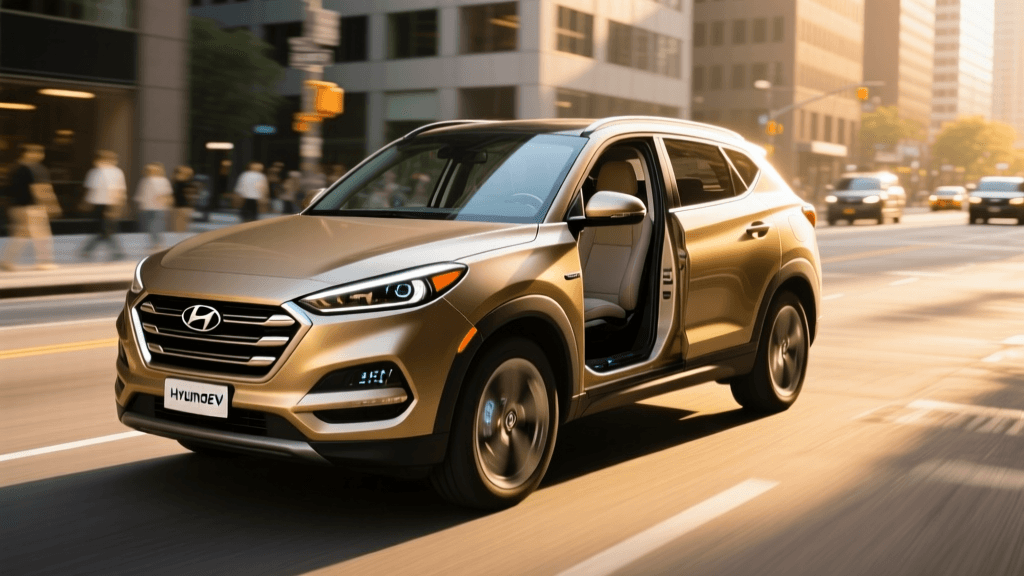
The Hyundai Tucson Plug-In Hybrid (PHEV) has carved out a massive space in the compact SUV market, offering a compelling blend of electric-only commuting and gas-powered road trip capability. With a 1.6-liter turbocharged engine, an electric motor, and a combined output of 261 horsepower, it is undeniably quick and capable. However, as with any plug-in hybrid, the internet forums and comment sections are rife with misinformation. From exaggerated claims about battery degradation to widespread misunderstandings about its true financial value, prospective buyers are often left confused.
In this comprehensive review, we are busting the most common myths surrounding the Hyundai Tucson PHEV’s real-world electric range and overall value proposition. We will also highlight the critical mistakes new owners make that compromise their efficiency and vehicle health. Whether you are cross-shopping the Tucson PHEV against the standard Tucson Hybrid or a fully electric vehicle, this guide will give you the unvarnished truth.
Myth #1: The 33-Mile EV Range is a 'Lie'
One of the most frequent complaints on automotive forums is that the Tucson PHEV fails to achieve its EPA-estimated 33 miles of electric-only range. Owners report seeing as little as 20 miles on the dashboard before the gas engine kicks in, leading to accusations of false advertising. The reality is far more nuanced and rooted in physics rather than deception.
The EPA range test for PHEVs heavily favors low-to-moderate speed city and suburban driving, where regenerative braking is highly effective and aerodynamic drag is minimal. In real-world testing, if you are driving through stop-and-go traffic or cruising at 45 mph in mild weather, hitting 33 to 35 miles on the 13.8 kWh battery pack is entirely achievable. However, the U.S. Environmental Protection Agency (EPA) notes that PHEV efficiency drops significantly at highway speeds.
If you take the Tucson PHEV onto the freeway and cruise at 75 mph, aerodynamic drag exponentially increases. Furthermore, there are fewer opportunities for regenerative braking to recapture energy. Add in the draw from the climate control system, and your real-world electric range will plummet to roughly 20 to 24 miles. This is not a defect; it is a universal reality of battery electric physics. The myth arises from drivers expecting EV efficiency to mirror the static nature of a gasoline tank, rather than understanding how speed and temperature impact battery chemistry and energy consumption.
Myth #2: The PHEV Premium Never Pays Off
Another pervasive myth is that the Tucson PHEV is a 'financial scam' compared to the standard Tucson Hybrid. The PHEV typically carries a price premium of several thousand dollars over its non-plug-in sibling, leading many to claim the math never works out. This myth ignores the variables of individual driving habits, local electricity rates, and the standard inclusion of Hyundai’s HTRAC All-Wheel Drive on the PHEV.
Let us break down the real-world value. According to data from the Department of Energy's Alternative Fuels Data Center, PHEVs offer the lowest operating costs when drivers maximize their electric-only range for daily commuting. If your round-trip commute is under 30 miles and you have access to Level 2 charging at home or work, you could theoretically drive for months without visiting a gas station, only using the engine for weekend road trips.
Furthermore, the Tucson PHEV is not just a standard Hybrid with a bigger battery; it is a performance upgrade. The standard Tucson Hybrid produces 226 horsepower, while the PHEV bumps that to 261 horsepower and 258 lb-ft of torque, resulting in a noticeably quicker and more refined driving experience. When you factor in the performance bump, the standard AWD system, and the potential for near-zero daily fuel costs, the value proposition shifts dramatically in favor of the PHEV for the right buyer.
Real-World Data: Tucson Powertrain Comparison
To truly understand the value, we must look at the numbers side-by-side. Below is a comparison of the three main Tucson powertrains based on real-world testing and EPA estimates.
| Model | Powertrain | Real-World EV / MPG | Total Range | Best Use Case |
|---|---|---|---|---|
| Tucson ICE | 2.5L Gas I4 | 28 MPG Combined | ~380 Miles | Low mileage drivers, budget buyers |
| Tucson Hybrid | 1.6L Turbo HEV | 38 MPG Combined | ~430 Miles | High mileage commuters, no home charging |
| Tucson PHEV | 1.6L Turbo PHEV | 24 mi EV / 35 MPG | ~400+ Miles | Sub-30mi commuters with home Level 2 charging |
Note: Real-world EV range for the PHEV assumes highway/mixed driving. City driving can yield up to 33 miles.
Common Mistakes Tucson PHEV Owners Make
Busting myths is only half the battle; avoiding common operational mistakes is crucial for maximizing your investment. Many owners treat the Tucson PHEV like either a pure EV or a standard gas car, missing the unique maintenance and driving requirements of a plug-in hybrid.
Mistake 1: Ignoring Level 2 Charging Infrastructure
The Tucson PHEV is equipped with a robust 7.2 kW onboard charger. However, many new owners attempt to charge the vehicle using a standard 120V household outlet (Level 1). At Level 1, charging the 13.8 kWh battery from empty to full takes upwards of 12 to 14 hours. This means if you deplete the battery on your evening commute, it will not be fully charged by the next morning. To actually realize the value of the PHEV, investing in a 240V Level 2 home charger is practically mandatory. A Level 2 setup will replenish the battery in roughly two hours, allowing you to easily top off during the day or overnight.
Mistake 2: Letting Gasoline Go Stale
Because the Tucson PHEV can run entirely on electricity for daily tasks, many owners go months without the gas engine turning on. While Hyundai utilizes a sealed fuel tank system to reduce evaporative emissions and maintain pressure, gasoline still degrades over time. Stale fuel can lead to varnish buildup and fuel injector issues. It is a common mistake to 'baby' the engine by forcing EV mode. You should intentionally take the vehicle on a long highway drive at least once a month to burn through older fuel, cycle the engine oil, and keep the mechanical components properly lubricated.
Mistake 3: Panicking Over Winter Range Loss
When winter hits, Tucson PHEV owners frequently take to social media claiming their battery is 'degrading' because their EV range drops from 30 miles to 18 miles. This is a fundamental misunderstanding of lithium-ion chemistry. Cold temperatures increase the internal resistance of the battery and require significant energy to heat the cabin and the battery pack itself. This range loss is entirely temporary. As detailed in long-term fleet reviews by experts at Car and Driver, modern PHEVs utilize advanced thermal management systems to protect the battery from permanent damage. Once spring returns, your original range will return with it.
Final Verdict: Is the Tucson PHEV Worth It?
The Hyundai Tucson PHEV is a masterclass in transitional automotive technology, provided you understand its limitations and strengths. The myth that its range is 'fake' ignores the realities of high-speed aerodynamics, and the myth that it lacks financial value ignores the nuances of home charging and daily commute distances. If you have a predictable commute under 30 miles, access to Level 2 charging, and a desire for a premium, torque-rich AWD SUV that can still tackle cross-country road trips without range anxiety, the Tucson PHEV remains one of the most compelling and well-rounded vehicles in its class.