The Luxury PHEV SUV Battle Lines Are Drawn
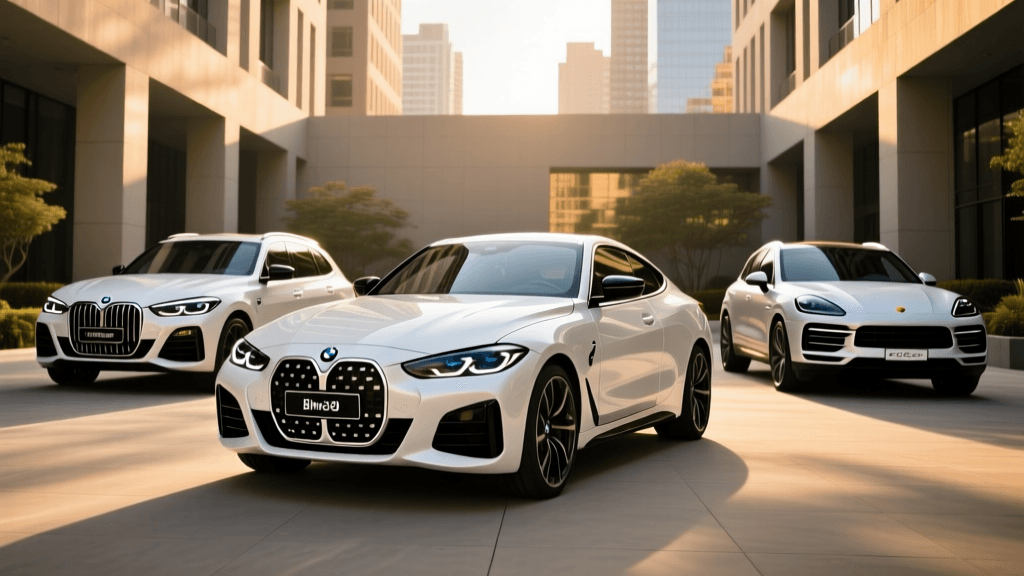
The luxury midsize SUV segment has undergone a massive transformation, with plug-in hybrid electric vehicles (PHEVs) emerging as the perfect bridge between traditional internal combustion and full electrification. For buyers who demand premium badges, cutting-edge technology, and the ability to commute on pure electricity without range anxiety, two heavyweights stand above the rest: the BMW X5 xDrive50e and the Porsche Cayenne E-Hybrid.
In this head-to-head product showdown, we are putting the updated BMW X5 xDrive50e against the newly refreshed Porsche Cayenne E-Hybrid. Both vehicles promise to deliver the best of both worlds, but they approach the PHEV formula with distinctly different philosophies. BMW prioritizes daily electric usability, seamless powertrain integration, and technological luxury. Porsche, true to its crest, focuses on dynamic handling, sports car-like feedback, and aggressive performance. Which luxury PHEV SUV deserves a spot in your driveway? Let us break down the data, the driving experience, and the total cost of ownership.
Powertrain and Performance: Inline-Six vs. Turbo V6
Under the hood, the BMW X5 xDrive50e utilizes a masterful 3.0-liter turbocharged inline-six engine paired with an electric motor cleverly integrated into the housing of the 8-speed ZF automatic transmission. This setup produces a combined 483 horsepower and 516 lb-ft of torque. The inline-six is renowned for its silky smoothness, and the electric motor fills in the torque curve instantly, resulting in a 0-60 mph sprint in just 4.6 seconds. According to extensive testing by Car and Driver, the X5's powertrain calibration is so seamless that it is nearly impossible to detect the exact moment the gas engine wakes up to assist the electric motor.
The Porsche Cayenne E-Hybrid counters with a 3.0-liter turbocharged V6 and an electric motor, generating a combined 463 horsepower and 479 lb-ft of torque in its latest iteration. While it trails the BMW slightly in peak output, the Porsche's 8-speed Tiptronic S transmission and standard all-wheel-drive system are tuned for aggressive, sporty launches, achieving a 0-60 mph time of 4.4 seconds. The Porsche wins on steering feel and cornering dynamics, offering a level of driver engagement that the heavier, more comfort-oriented BMW simply cannot match.
Battery Capacity, Electric Range, and Charging
For PHEV buyers, electric-only range is arguably the most critical metric, as it dictates how often you will actually visit a gas station. Here, the BMW X5 xDrive50e holds a distinct advantage. It packs a substantial 25.7 kWh battery (with roughly 22 kWh usable), which translates to an EPA-estimated 38 to 40 miles of pure electric driving. This is enough to cover the vast majority of daily commutes without burning a drop of premium fuel.
The Porsche Cayenne E-Hybrid has also received a significant battery upgrade for its latest model year, now featuring a 25.9 kWh gross capacity. However, due to its less aerodynamic profile and sportier tire compounds, its real-world and EPA-estimated electric range hovers closer to the 30 to 35-mile mark. As detailed on the official Porsche USA site, the Cayenne compensates with a faster onboard AC charger, capable of accepting up to 11 kW compared to the BMW's 7.4 kW limit. This means the Porsche can recharge its slightly larger usable battery in about two and a half hours on a Level 2 home charger, whereas the BMW takes closer to four hours.
Interior Technology and Everyday Practicality
Stepping inside the BMW X5, you are greeted by the expansive BMW Curved Display, running the latest iDrive 8.5 operating system. The interface is highly intuitive, featuring a dedicated EV menu that allows you to precondition the cabin, manage charging schedules, and view detailed energy flow graphics. The cabin materials are exceptional, with standard Sensafin upholstery and available premium options like glass controls and open-pore wood. Cargo space is slightly compromised by the battery placement, but the X5 still offers a generous 33.9 cubic feet behind the second row.
Furthermore, the BMW X5 offers an available panoramic sunroof that floods the cabin with light, whereas the Porsche requires an upgrade to a fixed glass roof or a sliding one at extra cost. The X5's split-folding tailgate (a signature BMW X5 feature) also makes loading heavy groceries or sitting on the edge of the trunk at a weekend tailgate significantly easier than the Cayenne's standard single-piece liftgate.
The Porsche Cayenne's interior has been completely overhauled, featuring a new 12.3-inch curved digital instrument cluster and a redesigned center console with a haptic-feedback climate control panel. An optional passenger display adds a modern, high-tech flair. However, Porsche's options list is notoriously expensive, and achieving the same level of standard luxury equipment found in the BMW will cost you thousands extra. Cargo capacity in the Cayenne E-Hybrid is also slightly tighter than the X5 due to the packaging of the hybrid components and the sloping roofline of the standard SUV shape.
Head-to-Head Specification Comparison
To truly understand how these two luxury PHEVs stack up, we have compiled a side-by-side data table based on manufacturer specifications and data from the EPA's fueleconomy.gov database.
| Specification | BMW X5 xDrive50e | Porsche Cayenne E-Hybrid |
|---|---|---|
| Powertrain | 3.0L Turbo I-6 + Electric Motor | 3.0L Turbo V6 + Electric Motor |
| Total System Output | 483 hp / 516 lb-ft | 463 hp / 479 lb-ft |
| Battery Capacity (Gross) | 25.7 kWh | 25.9 kWh |
| Est. Electric Range | 38 - 40 miles | 30 - 35 miles |
| AC Charging Speed | 7.4 kW | 11.0 kW |
| 0-60 MPH | 4.6 seconds | 4.4 seconds |
| Starting MSRP | ~$73,100 | ~$91,700 |
Total Cost of Ownership and Pricing
When it comes to the bottom line, the BMW X5 xDrive50e is the undisputed champion of value in this matchup. With a starting MSRP hovering around $73,100, it undercuts the Porsche by nearly $20,000. Furthermore, BMW tends to include features like adaptive suspension, heated seats, and advanced driver assistance systems as standard or in reasonably priced packages. Porsche, on the other hand, requires buyers to check expensive option boxes for essentials like adaptive cruise control, premium audio, and even certain leather upholstery choices, easily pushing a well-equipped Cayenne E-Hybrid past the $110,000 mark.
From a fuel economy perspective, once the battery is depleted, the BMW X5 returns an impressive 27 MPG combined in hybrid mode, while the Porsche's sportier tuning and wider tires drop it to around 21 MPG combined. Over a five-year ownership period, the BMW will save its owner thousands of dollars in fuel, depreciation, and initial purchase costs. Consider these additional ownership factors:
- Depreciation: BMWs generally hold their value well, but the X5's lower entry price means a smaller absolute dollar depreciation over three years compared to the heavily optioned Porsche.
- Maintenance: BMW's inclusion of complimentary scheduled maintenance for the first three years or 36,000 miles provides immediate out-of-pocket savings that Porsche does not offer.
- Federal Tax Credit: Both vehicles are assembled outside the United States, meaning neither qualifies for the $7,500 Federal EV Tax Credit under current IRA rules, making the lower MSRP of the BMW even more critical for budget-conscious luxury buyers.
The Final Verdict
Choosing between the BMW X5 xDrive50e and the Porsche Cayenne E-Hybrid ultimately comes down to your priorities as a driver. If you view your luxury SUV as a daily commuter, a family hauler, and a technological sanctuary, the BMW X5 xDrive50e is the clear winner. Its superior electric range, smoother powertrain integration, and vastly superior value proposition make it the smartest PHEV purchase in the segment.
However, if you refuse to compromise on driving dynamics and demand a vehicle that attacks canyon roads with the fervor of a sports car, the Porsche Cayenne E-Hybrid remains the benchmark for performance SUVs. You will pay a steep premium for the badge and the handling, but for driving enthusiasts, the Porsche's steering feel and chassis balance are worth every penny.