Quick Verdict: An Announced Hybrid Flagship SUV
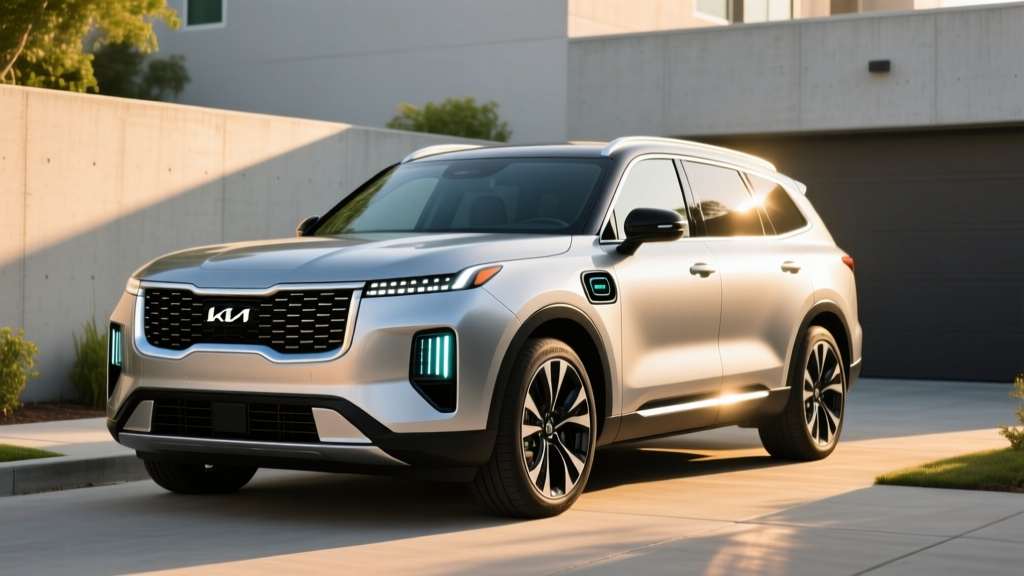
Kia has confirmed that a hybrid variant of the Telluride is in development, and industry reporting points to a 2027 model-year debut for what many are calling the most anticipated three-row hybrid SUV on the market. As of this writing, the 2027 Kia Telluride Hybrid has not been officially released, and full EPA-certified specifications are not yet available. What follows is a data-driven breakdown based on Kia's existing hybrid powertrain architecture (shared with the Sorento Hybrid and Carnival Hybrid), confirmed teaser information, and informed projections.
If you're researching the Kia Telluride Hybrid 2027, this guide covers the estimated fuel economy, powertrain specs, pricing, tax-credit eligibility, and ownership considerations you need to make an informed decision once this SUV hits dealer lots.
HEV vs PHEV: Which Telluride Hybrid Are We Talking About?
Kia's hybrid strategy spans two distinct technologies, and it's critical to understand the difference before evaluating the Telluride Hybrid:
Conventional Hybrid (HEV)
- No plug required. The battery charges via regenerative braking and the gasoline engine.
- Smaller battery (typically 1.5–2.0 kWh).
- Electric motor assists the engine; cannot drive on electric power alone for meaningful distances.
- Primary benefit: improved MPG, especially in city driving.
- No federal tax credit under current IRS §30D rules.
Plug-In Hybrid (PHEV)
- Plugs in to charge. Larger battery enables 25–40 miles of electric-only driving.
- Battery typically 13–18 kWh.
- Can operate as a full EV for daily commutes, then switches to hybrid mode for longer trips.
- May qualify for the federal §30D tax credit (up to $7,500) if sourcing and income requirements are met.
- Requires access to Level 1 or Level 2 charging for maximum benefit.
Kia has strongly signaled that the Telluride will launch first as a conventional hybrid (HEV), leveraging the same 1.6-liter turbocharged hybrid powertrain found in the Sorento Hybrid and the 2025+ Carnival Hybrid. A PHEV variant may follow in a subsequent model year, but has not been confirmed.
Estimated Fuel Economy and Powertrain Specs
Based on Kia's proven hybrid architecture and the Telluride's weight class (~4,500–4,700 lbs curb weight for AWD trims), here are the projected specifications:
| Specification | Estimated Value |
|---|---|
| Powertrain | 1.6L turbocharged 4-cyl + electric motor (HEV) |
| Combined Horsepower | ~245–265 hp (system net) |
| Engine Output | ~180 hp / 195 lb-ft (engine alone) |
| Electric Motor Output | ~48–65 kW (64–87 hp) |
| Transmission | 6-speed automatic (hybrid-optimized) |
| Drivetrain | AWD expected standard or available |
| Hybrid Battery | ~1.5–2.0 kWh (lithium-ion polymer) |
| EPA MPG (Combined) | ~28–32 MPG (estimated) |
| EPA MPG (City) | ~30–35 MPG (estimated) |
| EPA MPG (Highway) | ~26–29 MPG (estimated) |
| 0–60 mph | ~7.5–8.5 seconds (estimated) |
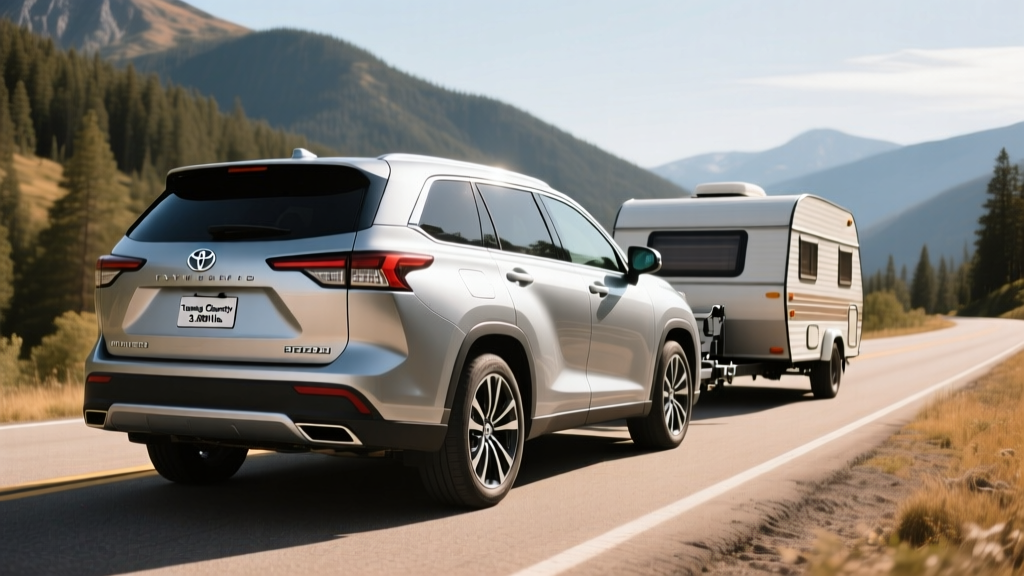
| Towing Capacity | ~5,000 lbs (expected, pending confirmation) |
| Plug-In Required? | No — conventional HEV |
Note: All figures are preliminary projections based on Kia's existing hybrid platforms and the Telluride's vehicle class. Official EPA-certified numbers will be published closer to the on-sale date. Check fueleconomy.gov for finalized ratings.
Real-World MPG: What to Actually Expect
Hybrids consistently outperform their EPA city estimates in stop-and-go traffic, where regenerative braking recovers the most energy. Based on real-world testing of comparable Kia hybrid models:
- City driving: Expect to match or slightly exceed EPA city estimates. The Sorento Hybrid (rated 34 city) regularly returns 33–36 MPG in mixed urban use.
- Highway driving: Hybrids lose their city advantage at sustained high speeds. Expect highway MPG to fall at or slightly below the EPA highway estimate, particularly above 70 mph.
- Cold weather: Hybrid fuel economy typically drops 5–12% in sub-freezing temperatures as the engine runs more frequently to provide cabin heat and maintain battery temperature.
- Towing: When towing near the rated capacity, expect MPG to drop to the low-to-mid teens — a reality for any three-row SUV, hybrid or not.
Pricing, Trims, and Tax Credit Eligibility
The current gas-only 2026 Kia Telluride starts at approximately $37,500 (LX trim) and ranges up to roughly $53,000 for the SX Prestige X-Pro. A hybrid powertrain typically commands a $1,500–$2,500 premium over the equivalent gas trim in Kia's lineup.
| Trim Level | Estimated MSRP |
|---|---|
| LX Hybrid | $39,500–$41,000 |
| S Hybrid | $43,500–$45,000 |
| EX Hybrid | $47,000–$48,500 |
| SX Hybrid | $50,000–$52,000 |
| SX Prestige Hybrid | $53,500–$55,500 |
Pricing is preliminary and subject to change. Final MSRP will be confirmed by Kia at launch.
Does the Telluride Hybrid Qualify for a Federal Tax Credit?
This is where the HEV vs. PHEV distinction matters enormously:
If launched as a conventional HEV (most likely):
- Does NOT qualify for the federal IRS §30D clean vehicle tax credit. Conventional hybrids are ineligible — the credit applies only to plug-in electric vehicles (BEVs and PHEVs) with sufficient battery capacity.
- Does NOT qualify for the up-to-$4,000 used EV credit either.
- Some states offer modest hybrid incentives, but these vary widely. Check your state's energy office or afdc.energy.gov for local programs.
If a PHEV variant is later offered:
- May qualify for up to $7,500 under §30D, contingent on: battery critical-mineral sourcing requirements, buyer income caps ($150K single / $300K joint), MSRP cap ($80,000 for SUVs), and final assembly in North America.
- The point-of-sale transfer option would allow buyers to apply the credit as a down-payment reduction at the dealership.
- Always verify current-year rules at irs.gov and consult a tax professional for your specific situation.
Battery Warranty, Reliability, and Replacement Cost
Hybrid battery longevity is the single most common concern among first-time hybrid buyers. Here's what Kia's track record tells us:
Kia Hybrid Battery Warranty
- Coverage: 10 years / 100,000 miles (whichever comes first) — Kia's standard hybrid battery warranty in the United States.
- What's covered: Defects in materials/workmanship and capacity loss below a specified threshold (typically 60–70% of original capacity).
- Hybrid system components: The electric motor, inverter, and related hybrid-specific components are also covered under the 10-year/100,000-mile powertrain warranty.
How Long Do Kia Hybrid Batteries Actually Last?
Real-world data from the Kia Niro Hybrid and Sorento Hybrid — both on the road for 5+ years — indicates that Kia's lithium-ion polymer hybrid batteries are holding up well. Key observations:
- Most Kia hybrid owners report minimal noticeable degradation within the first 80,000–100,000 miles.
- Hybrid batteries are smaller and experience shallower charge/discharge cycles than EV batteries, which reduces stress and extends lifespan.
- The Telluride Hybrid's battery (estimated 1.5–2.0 kWh) is small enough that even moderate degradation won't dramatically affect fuel economy — the engine simply compensates.
Battery Replacement Cost
If a hybrid battery does fail outside of warranty, replacement costs for Kia's hybrid systems typically range from $2,000 to $4,500 including parts and labor, depending on the specific pack and dealership. This is significantly less than a full EV battery replacement ($8,000–$20,000+). Independent hybrid specialists can sometimes perform replacements for 20–30% less than dealer pricing.
Telluride Hybrid vs. Gas Telluride vs. Full EV: Which Fits You?
The three-row SUV segment now offers buyers a genuine choice between conventional gas, hybrid, plug-in hybrid, and full electric. Here's a practical decision framework:
| Factor | Telluride Gas (V6) | Telluride Hybrid (HEV) | EV SUV (e.g., Kia EV9) |
|---|---|---|---|
| Combined MPG / MPGe | ~21–23 MPG | ~28–32 MPG (est.) | ~85–90 MPGe |
| Annual Fuel Cost* | ~$2,400–$2,800 | ~$1,700–$2,100 | ~$700–$1,100 (home charging) |
| Range | ~440–480 miles | ~500–580 miles (est.) | ~240–300 miles (EPA) |
| Refueling/Recharging | 5 min at gas station | 5 min at gas station | 18–45 min DC fast charge |
| Home Charging Needed? | No | No | Yes (Level 2 recommended) |
| Federal Tax Credit | None | None (HEV) | Up to $7,500 (§30D) |
| Maintenance Cost | Higher (oil, filters, spark plugs) | Moderate (less engine wear) | Lowest (no oil, fewer moving parts) |
| Upfront Price Premium | Baseline | +$1,500–$2,500 | +$10,000–$18,000 |
*Annual fuel cost estimates based on 15,000 miles/year and regional average energy prices. Actual costs vary by location and driving habits.
Choose the Telluride Hybrid If:
- You want meaningfully better fuel economy without changing your refueling habits.
- You regularly drive in city or suburban traffic where hybrid efficiency shines.
- You don't have access to home Level 2 charging (apartment, street parking, no garage).
- You need three rows and 5,000-lb towing but want to reduce fuel costs.
- The $1,500–$2,500 hybrid premium pays back in fuel savings within 2–4 years at your mileage.
Choose the Gas Telluride If:
- You drive fewer than 10,000 miles per year (hybrid payback takes longer).
- You primarily drive highway miles at 75+ mph (hybrid advantage narrows).
- You want the lowest possible upfront purchase price.
Choose a Full EV (Like the Kia EV9) If:
- You have reliable Level 2 home charging and your daily driving is under 250 miles.
- You want to eliminate gasoline entirely and minimize operating costs.
- You qualify for the full $7,500 federal tax credit, narrowing the price gap.
- You value instant torque, quiet operation, and minimal maintenance.
What the Telluride Hybrid Needs to Get Right
Based on our experience testing Kia's hybrid powertrains in the Sorento, Sportage, and Carnival, here are the key factors that will determine whether the Telluride Hybrid succeeds:
- Transmission tuning: Kia's 6-speed hybrid automatic is generally smooth, but the Telluride's greater mass will demand careful calibration to avoid the sluggish off-the-line feel that some competitors exhibit.
- Regenerative braking feel: The best hybrids make the transition between regen and friction braking imperceptible. Kia has improved here in recent generations, but the Telluride's weight will test the system.
- Cargo and passenger compromise: The hybrid battery must be packaged without eating into the Telluride's class-leading cargo volume (currently 21 cu ft behind the third row, 87 cu ft with both rows folded). Under-floor placement is the likely solution.
- AWD capability: The current gas Telluride offers an available torque-vectoring AWD system. The hybrid's AWD implementation — likely using the electric motor to drive the rear axle — must maintain credible bad-weather traction.
Projected Pros
- 4–8 MPG improvement over gas V6, especially in city driving
- No change to refueling habits — no plug needed
- Kia's industry-leading 10yr/100K hybrid battery warranty
- Proven powertrain architecture from Sorento/Carnival Hybrid
- Expected 5,000-lb towing capacity maintained
- Three-row seating with minimal cargo compromise
Projected Cons
- No federal tax credit eligibility (HEV)
- $1,500–$2,500 price premium over gas trims
- Highway MPG advantage over gas model is modest
- Not yet on sale — cannot test-drive or purchase
- Final specs and pricing unconfirmed
- Heavier hybrid system may slightly affect handling dynamics
Frequently Asked Questions
How many MPG does the 2027 Kia Telluride Hybrid get?
Official EPA numbers are not yet published. Based on Kia's hybrid powertrain in the similarly sized Sorento Hybrid (EPA 34/31/33 city/highway/combined for AWD), we project the Telluride Hybrid will achieve approximately 30–35 MPG city, 26–29 MPG highway, and 28–32 MPG combined. The Telluride's greater weight and boxier aerodynamics will reduce efficiency somewhat versus the Sorento. Check fueleconomy.gov once EPA ratings are finalized.
Does the Telluride Hybrid need to be plugged in?
No. The Telluride Hybrid is expected to launch as a conventional hybrid (HEV), meaning the battery charges itself through regenerative braking and the gasoline engine. You fuel it like any other car — at a gas station. If Kia later offers a PHEV variant, that version would plug in for electric-only range.
Is the Telluride Hybrid reliable, and what does battery replacement cost?
Kia's hybrid systems in the Sorento, Niro, and Sportage have demonstrated strong reliability over 5+ years of real-world use. The hybrid battery is covered by Kia's 10-year/100,000-mile warranty. If replacement is needed out of warranty, expect to pay approximately $2,000–$4,500 at a dealership — far less than a full EV battery replacement.
Does the 2027 Telluride Hybrid qualify for any tax credit?
As a conventional hybrid (HEV), the Telluride Hybrid is not eligible for the federal IRS §30D clean vehicle tax credit, which is reserved for plug-in vehicles (BEVs and PHEVs). Some states may offer small hybrid incentives, but these vary. A future PHEV variant could potentially qualify for up to $7,500, subject to income, MSRP, and battery-sourcing requirements. Always verify at irs.gov.
How does the Telluride Hybrid compare to the Kia EV9?
The EV9 is Kia's all-electric three-row SUV with an EPA-estimated range of up to ~300 miles, starting around $54,900. It qualifies for the $7,500 federal tax credit (subject to eligibility) and has dramatically lower per-mile energy costs. However, it requires home Level 2 charging for convenient ownership and has less total range than the Telluride Hybrid. The Telluride Hybrid is the pragmatic choice for buyers who need maximum range flexibility and don't have reliable charging access; the EV9 is the cost-efficient choice for those who do.
When will the 2027 Kia Telluride Hybrid be available?
Kia has confirmed a hybrid Telluride is in development, with industry consensus pointing to a late-2026 or early-2027 on-sale date as a 2027 model-year vehicle. Exact timing, trim availability, and finalized specifications will be announced by Kia closer to launch. This article will be updated when official details are released.
Can the Telluride Hybrid still tow 5,000 pounds?
Kia's hybrid powertrains in the Sorento Hybrid (3,500-lb tow rating) and Carnival Hybrid (3,500-lb) maintain competitive towing for their segments. The gas Telluride currently tows up to 5,000 lbs. While Kia has not confirmed the hybrid's tow rating, the added torque from the electric motor and the Telluride's robust platform suggest a 4,500–5,000-lb rating is achievable. Final towing specs will be confirmed at launch.