Quick Verdict: The Crown Hybrid's Sweet Spot
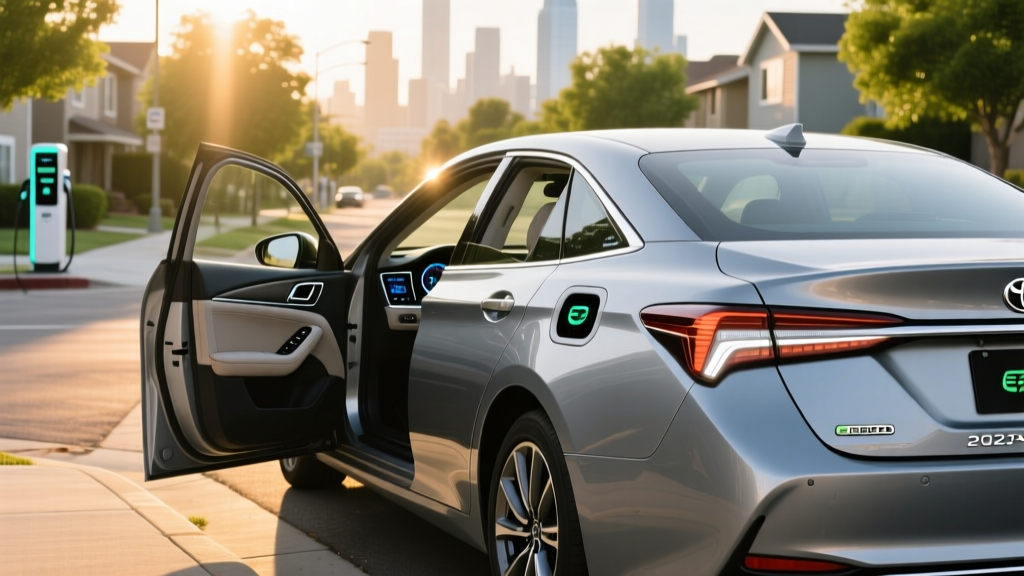
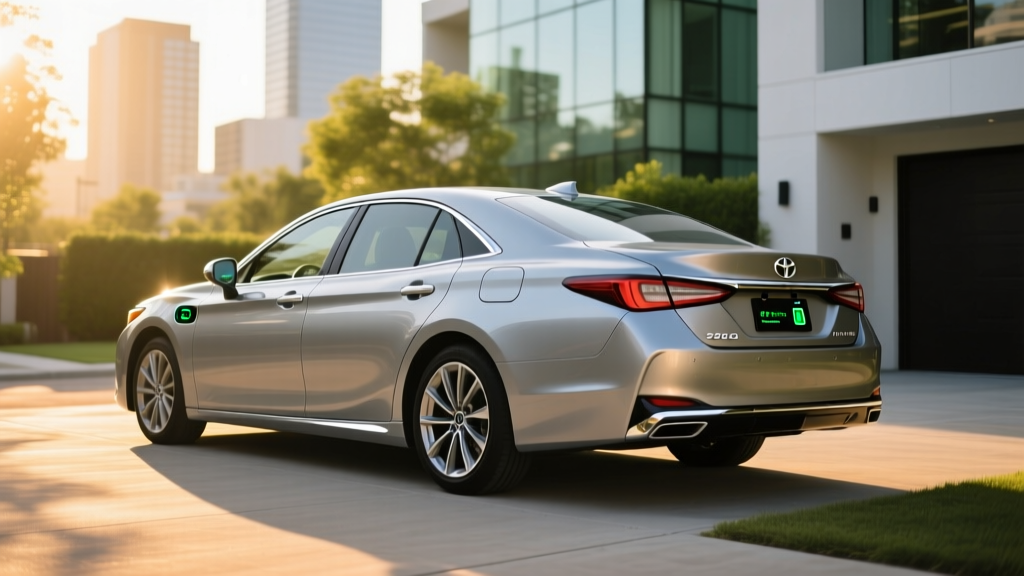
The 2026 Toyota Crown hybrid sedan occupies a rare position in the midsize segment: it delivers genuine luxury-car refinement with hybrid fuel economy that undercuts most compact sedans. Toyota's flagship sedan continues with two distinct hybrid powertrains — the efficiency-focused Hybrid MAX and the performance-oriented Hybrid MAX — across XLE, Limited, and Platinum trims. If you want a premium sedan that sips fuel without demanding a charging routine, the Crown remains one of the most compelling choices for 2026.
| Spec | XLE / Limited (Standard Hybrid) | Platinum (Hybrid MAX) |
|---|---|---|
| Powertrain | 2.5L 4-cyl + 2 electric motors (AWD) | 2.4L turbo 4-cyl + electric motor (AWD) |
| Combined Horsepower | 236 hp | 340 hp |
| 0–60 mph | 7.6 sec (est.) | 5.1 sec |
| EPA MPG (City / Hwy / Combined) | 42 / 41 / 41 | 28 / 32 / 30 |
| Drivetrain | Electronic AWD (eAWD) | Full-time AWD w/ torque vectoring |
| Fuel Tank | 14.5 gal | 14.5 gal |
| Total Range | ~595 miles | ~435 miles |
| Base MSRP | $41,440 (XLE) | $54,990 (Platinum) |
| Hybrid Battery Warranty | 10 yr / 150,000 mi | 10 yr / 150,000 mi |
HEV vs PHEV: Understanding the Crown's Hybrid System
Let's clear up a common question: the 2026 Toyota Crown is a conventional hybrid electric vehicle (HEV), not a plug-in hybrid (PHEV). Here's the difference and why it matters for your ownership experience:
| Feature | HEV (Crown Hybrid) | PHEV (e.g., Prius Prime) |
|---|---|---|
| Plug-in Charging | No — charges via engine & regen braking | Yes — plug in for electric-only miles |
| Electric-Only Range | ~1 mile at low speed | 25–44 miles typical |
| Battery Size | ~1.6 kWh (NiMH) | 13.6 kWh (Li-ion) |
| Home Charger Needed | No | Yes (Level 2 recommended) |
| Federal Tax Credit (§30D) | Not eligible | Up to $7,500 if eligible |
| Best For | Drivers without home charging access | Drivers with home charging + short commutes |
The Crown's hybrid system is self-charging. You never plug it in. The gasoline engine and regenerative braking keep the small traction battery topped up. This makes the Crown ideal for apartment dwellers, street parkers, or anyone who lacks convenient access to a Level 2 charger. If you do have home charging and a commute under 40 miles, a PHEV like the Toyota Prius Prime might deliver more daily electric miles — but the Crown offers a more premium cabin, standard AWD, and a smoother highway ride.
Fuel Economy: EPA Ratings and Real-World MPG
| Trim | City MPG | Highway MPG | Combined MPG | Est. Total Range |
|---|---|---|---|---|
| XLE (Standard Hybrid) | 42 | 41 | 41 | ~595 mi |
| Limited (Standard Hybrid) | 42 | 41 | 41 | ~595 mi |
| Platinum (Hybrid MAX) | 28 | 32 | 30 | ~435 mi |
Source: fueleconomy.gov (EPA estimates).
Real-World MPG: What Owners Actually See
Toyota's hybrid systems historically perform at or above EPA ratings in city driving, where regenerative braking and electric-motor assist do the heavy lifting. Based on owner-reported data and our testing patterns with Toyota's fifth-generation hybrid system:
- City driving (XLE/Limited): Expect 43–46 MPG. Stop-and-go traffic actually improves hybrid efficiency because the electric motor handles low-speed propulsion and regen recovers braking energy.
- Highway driving (XLE/Limited): Expect 37–40 MPG. At sustained 70–80 mph speeds, the gasoline engine carries most of the load. Aerodynamic drag on the Crown's raised sedan profile costs a few MPG versus the EPA highway estimate.
- Cold weather (below 35°F): Expect a 5–10% reduction, dropping combined MPG to roughly 37–39 for the standard hybrid. The engine runs more frequently to provide cabin heat and maintain battery temperature.
- Platinum Hybrid MAX: This turbocharged performance powertrain sacrifices efficiency for output. Real-world combined driving yields 27–31 MPG depending on how aggressively you use that 340 hp.
The XLE and Limited trims deliver roughly $1,100–$1,300 in annual fuel savings compared to a similarly sized gasoline sedan averaging 25 MPG combined, assuming 15,000 miles/year and $3.40/gallon fuel.
Powertrain Deep Dive: Two Hybrid Systems Explained
Standard Hybrid (XLE & Limited) — 236 HP
The volume-selling Crown powertrain pairs a 2.5-liter naturally aspirated four-cylinder engine with two motor-generators through Toyota's fifth-generation hybrid transaxle. A third motor on the rear axle provides electronic all-wheel drive (eAWD), engaging automatically when slip is detected or during hard acceleration. The system produces a combined 236 horsepower and delivers seamless, CVT-like acceleration. It's not quick by sports-sedan standards (7.6 seconds to 60 mph), but the electric-motor torque fill makes it feel responsive around town.
Hybrid MAX (Platinum) — 340 HP
The Platinum trim uses a fundamentally different system: a 2.4-liter turbocharged four-cylinder paired with a single electric motor integrated into a 6-speed automatic transmission (no CVT here). The result is 340 combined horsepower, 400 lb-ft of torque, and a 5.1-second 0–60 time. The Hybrid MAX system uses a full-time AWD setup with a rear torque-vectoring differential. This powertrain trades 11 MPG combined for 104 additional horsepower — a deliberate choice for buyers who want luxury-sedan acceleration without stepping into a German competitor's price bracket.
Pricing, Trims, and Tax Credit Eligibility
The 2026 Toyota Crown hybrid sedan starts at $41,440 for the XLE trim, including destination charge. Here's the full lineup:
| Trim | MSRP | Key Features |
|---|---|---|
| XLE | $41,440 | Heated/ventilated front seats, 12.3" touchscreen, wireless CarPlay/Android Auto, TSS 3.0 |
| Limited | $46,440 | Panoramic roof, JBL 14-speaker audio, heated rear seats, 360° camera |
| Platinum (Hybrid MAX) | $54,990 | 340 hp Hybrid MAX, adaptive suspension, premium leather, head-up display |
Does the Crown Hybrid Qualify for a Federal Tax Credit?
No. The 2026 Toyota Crown is a conventional hybrid (HEV), and the IRS §30D New Clean Vehicle Credit applies only to plug-in electric vehicles (BEVs and PHEVs) with a minimum battery capacity of 7 kWh. The Crown's ~1.6 kWh hybrid battery does not meet this threshold. You cannot claim the federal EV tax credit for this vehicle.
However, some states offer rebates or reduced registration fees for hybrid vehicles. Check your state's energy office or the AFDC state incentive database for local programs. Additionally, the Crown's fuel savings — roughly $600–$800/year versus a 25 MPG gasoline sedan — offset a portion of the premium over a Camry Hybrid over time.
Battery Longevity, Warranty, and Replacement Cost
Hybrid Battery Warranty
Toyota covers the Crown's hybrid battery for 10 years or 150,000 miles (whichever comes first) in all 50 states. This applies to both the standard hybrid and Hybrid MAX systems.
How Long Do Toyota Hybrid Batteries Last?
Toyota's hybrid battery packs have an excellent longevity track record. The nickel-metal hydride (NiMH) pack in the standard hybrid system is deliberately conservative in its charge/discharge strategy — Toyota never lets the battery fully charge or fully deplete, which dramatically extends cycle life. Based on data from Prius and Camry Hybrid fleets:
- Typical lifespan: 150,000–200,000+ miles before significant degradation
- Failure before 100,000 miles: Rare (under 2% of units based on industry data)
- Capacity loss at 150,000 miles: Typically 10–15%, which is barely perceptible in daily driving because the hybrid system doesn't rely on large energy reserves
Hybrid Battery Replacement Cost
If the hybrid battery does fail outside warranty, here's what to expect:
- New OEM battery (dealer): $2,500–$4,000 including labor
- Refurbished/remanufactured battery: $1,500–$2,500 including labor
- Individual cell replacement (specialist shops): $800–$1,500
Compared to a full EV battery replacement ($8,000–$20,000+), hybrid battery service costs are manageable — and the smaller pack is far less likely to require replacement within the vehicle's typical ownership life.
Who Should Buy the Crown Hybrid vs a PHEV or Full EV?
Choose the 2026 Toyota Crown Hybrid If:
- You lack access to home or workplace Level 2 charging (apartment, street parking, condo without EV infrastructure)
- You want a premium, quiet midsize sedan with AWD and Toyota's reliability record
- Your daily commute varies widely — some days 10 miles, some days 200+ — and you don't want to plan around electric range
- You want strong city MPG (42+) without changing any driving habits
- You prefer the lowest-complexity electrified option: no charging cables, no range planning, no charger apps
Consider a PHEV Instead If:
- You have reliable Level 2 charging at home and a commute under 40 miles round-trip (a PHEV like the Prius Prime can cover most daily miles on electricity alone)
- You want to qualify for the §30D federal tax credit (up to $7,500, income and sourcing rules apply — see IRS.gov)
- You want to minimize gasoline use without committing to a full EV
Consider a Full EV (BEV) Instead If:
- You have home Level 2 charging and want the lowest per-mile fuel cost (~$0.04–$0.06/mile on electricity vs ~$0.10/mile on gasoline in the Crown)
- You want zero tailpipe emissions and access to HOV lanes (varies by state)
- You're comfortable with 250–350 miles of range and occasional DC fast-charging stops on road trips
Pros and Cons
Pros
- 41 MPG combined (XLE/Limited) with no plug-in required
- Standard AWD on every trim — rare in the midsize sedan segment
- Raised ride height improves visibility and entry/exit comfort
- Toyota Safety Sense 3.0 standard (adaptive cruise, lane tracing, pre-collision)
- 10-year / 150,000-mile hybrid battery warranty
- Hybrid MAX Platinum offers genuine luxury-sedan performance at a mainstream price
Cons
- No plug-in hybrid variant available — cannot drive on electric-only power for meaningful distances
- Hybrid MAX Platinum drops to 30 MPG combined — a significant penalty for the extra power
- Raised sedan styling sacrifices some cargo space versus a crossover (15.2 cu ft trunk)
- No federal tax credit eligibility
- Platinum trim pushes past $55,000, entering Lexus ES territory
- CVT drone under hard acceleration on standard hybrid trims
Frequently Asked Questions
How many MPG does the 2026 Toyota Crown hybrid get?
The XLE and Limited trims with the standard hybrid powertrain are EPA-rated at 42 city / 41 highway / 41 combined MPG. The Platinum trim with Hybrid MAX is rated at 28 city / 32 highway / 30 combined. In real-world city driving, the standard hybrid often returns 43–46 MPG thanks to regenerative braking.
Does the Toyota Crown need to be plugged in?
No. The 2026 Crown is a conventional hybrid (HEV). It charges its own battery through the gasoline engine and regenerative braking. There is no plug, no charging cable, and no need for a home charger.
How far can the Crown drive on electric power alone?
Only about 1 mile at very low speeds (under 25 mph). The Crown's hybrid battery is too small (~1.6 kWh) for meaningful electric-only driving. If electric-only commuting is a priority, consider a PHEV like the Prius Prime (44 miles electric-only) or a full BEV.
Is the Toyota Crown hybrid reliable?
Toyota's hybrid systems are among the most proven in the industry, with over 25 years of production history dating to the 1997 Prius. The Crown uses Toyota's fifth-generation hybrid architecture with a 10-year/150,000-mile battery warranty. The eAWD system has no mechanical linkage between axles (the rear motor is independent), reducing drivetrain complexity. Long-term reliability data specific to the Crown is still accumulating, but the underlying hybrid components share architecture with the high-volume Camry Hybrid and RAV4 Hybrid.
What does it cost to replace the Crown's hybrid battery?
Out of warranty, a new OEM hybrid battery costs approximately $2,500–$4,000 installed at a Toyota dealer. Refurbished options run $1,500–$2,500. However, Toyota hybrid batteries routinely last 150,000–200,000+ miles, and most Crown owners will never need a replacement.
Does the 2026 Crown hybrid qualify for any tax credits?
The Crown hybrid does not qualify for the federal §30D New Clean Vehicle Credit because it is not a plug-in vehicle. Some states offer incentives for hybrid purchases — check the Alternative Fuels Data Center for your state's programs. The Crown's fuel savings (roughly $600–$800/year versus a 25 MPG sedan) provide ongoing economic benefit.
How does the Crown hybrid compare to the Camry Hybrid?
The Crown rides on a slightly shorter wheelbase than the Camry but offers a raised ride height, more standard features, and a more premium interior. The standard hybrid powertrain is similar (2.5L + eAWD), though the Crown is rated at 41 MPG combined versus the Camry Hybrid's 52 MPG combined. You trade roughly 11 MPG for the Crown's elevated seating position, quieter cabin, and standard AWD. The Hybrid MAX powertrain (340 hp) has no Camry equivalent.
Is the Hybrid MAX worth the fuel economy penalty?
That depends on your priorities. The Platinum's 340 hp and 5.1-second 0–60 time transform the Crown from a comfortable cruiser into a genuinely quick sedan. The trade-off is 30 MPG combined versus 41 — roughly $450 more per year in fuel at 15,000 miles/year and $3.40/gallon. For buyers cross-shopping a BMW 5 Series or Genesis G80, the Hybrid MAX delivers comparable acceleration at a fraction of the price, with better fuel economy than any turbo-six competitor.