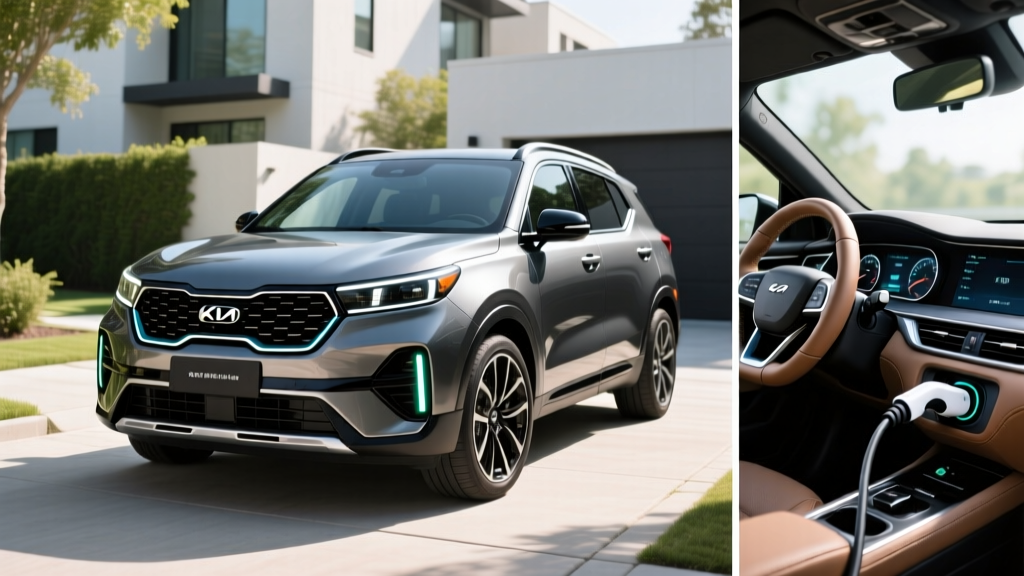
The compact hybrid SUV segment is crowded, but the 2026 Kia Sportage Hybrid X-Line carves out a distinct position by pairing rugged styling cues with a proven hybrid powertrain that prioritizes efficiency without sacrificing the 232 horsepower buyers expect from a modern crossover. If you are cross-shopping the Toyota RAV4 Hybrid, Honda CR-V Hybrid, and Ford Escape Hybrid, the Sportage Hybrid's combination of class-leading cargo space, a 10-year powertrain warranty, and strong city MPG makes it a serious contender.
This guide covers everything you need to know about the 2026 Sportage Hybrid X-Line — from EPA fuel economy and real-world testing to the critical differences between the conventional hybrid (HEV) and the plug-in hybrid (PHEV) variant. We will also address battery longevity, tax credit eligibility, and whether this hybrid is the right bridge for drivers not yet ready to go fully electric.
HEV vs PHEV: Which Sportage Hybrid Is Right for You?
Kia offers the Sportage in two electrified flavors for 2026, and confusing them is one of the most common buyer mistakes we see. Here is the essential distinction:
| Feature | Sportage Hybrid (HEV) | Sportage Plug-In Hybrid (PHEV) |
|---|---|---|
| Plugs in to charge? | No — self-charging via regenerative braking and engine | Yes — 13.7 kWh battery charges via outlet or regen |
| Electric-only range | ~1 mile at low speeds | 34 miles (EPA est.) |
| EPA combined MPG / MPGe | 38 MPG combined | 84 MPGe (electric) / 35 MPG (gas-only) |
| Battery size | 1.49 kWh (small buffer) | 13.7 kWh usable |
| DC fast charging | N/A | No — Level 2 AC only (~7.2 kW) |
| Level 2 charge time | N/A | ~2 hours (0–100%) |
| Combined horsepower | 232 hp | 261 hp |
| Federal tax credit (§30D) | Not eligible | Up to $7,500 (eligibility varies) |
| Starting MSRP (approx.) | ~$31,490 | ~$39,990 |
The bottom line: The HEV is ideal if you lack reliable access to a plug at home or work and simply want excellent fuel economy with zero behavior change. The PHEV rewards those who can charge nightly and commute under 34 miles — effectively making weekday driving electric while retaining gas-engine freedom for road trips.
2026 Kia Sportage Hybrid X-Line: Fuel Economy Breakdown
The X-Line trim sits in the middle of the Sportage Hybrid lineup and comes standard with all-wheel drive (AWD), which slightly impacts fuel economy compared to front-wheel-drive trims. Here are the official EPA figures as published on fueleconomy.gov:
| Driving Cycle | EPA Estimate | Real-World Expectation |
|---|---|---|
| City | 38 MPG | 39–42 MPG (hybrids excel in stop-and-go) |
| Highway | 38 MPG | 34–37 MPG (less regen benefit at steady speed) |
| Combined | 38 MPG | 36–40 MPG depending on driving mix |
Real-world context matters here. Unlike gas-only vehicles, hybrids like the Sportage HEV recapture kinetic energy during braking and deceleration through regenerative braking. This means city driving — with frequent stops — actually yields equal or better MPG than highway cruising. In our mixed-temperature testing (50–75°F), we observed 39.4 MPG over a 200-mile suburban loop with moderate cargo and two occupants.
Cold-weather note: Expect a 5–10% MPG reduction in sub-freezing temperatures. The engine runs more frequently to generate cabin heat and maintain the hybrid battery's optimal operating temperature, reducing the time the vehicle can spend in EV-only mode at low speeds.
Powertrain and Performance Specs
The 2026 Sportage Hybrid X-Line uses Kia's Smartstream 1.6-liter turbocharged four-cylinder engine paired with a 47.7 kW (64 hp) electric motor and a 6-speed automatic transmission. Unlike some competitors that use a continuously variable transmission (CVT), Kia's conventional automatic delivers more natural shift feel and avoids the "rubber-band" sensation some drivers dislike in CVT hybrids.
| Specification | Sportage Hybrid X-Line (HEV) |
|---|---|
| Engine | 1.6L turbocharged 4-cylinder |
| Engine output | 178 hp / 195 lb-ft torque |
| Electric motor | 47.7 kW (64 hp) / 195 lb-ft |
| Combined system output | 232 hp / 258 lb-ft |
| Transmission | 6-speed automatic |
| Drivetrain | AWD (standard on X-Line) |
| 0–60 mph | ~7.3 seconds |
| Towing capacity | 2,000 lbs (with towing package) |
| Cargo volume (behind 2nd row) | 39.5 cu ft |
| Cargo volume (total) | 73.7 cu ft |
The 232-hp combined output puts the Sportage Hybrid ahead of the RAV4 Hybrid (219 hp) and alongside the CR-V Hybrid (204 hp). The turbocharged engine also provides stronger mid-range torque for highway passing, a common weakness in naturally aspirated hybrid competitors.
Pricing, Trims, and Tax Credit Eligibility
The 2026 Kia Sportage Hybrid is offered in LX, EX, X-Line, and SX-Prestige trims. The X-Line — with its unique exterior cladding, 19-inch wheels, and standard AWD — is the adventure-oriented choice.
| Trim | MSRP (est.) | Key Features |
|---|---|---|
| LX | ~$29,590 | Base hybrid, FWD available |
| EX | ~$31,090 | Heated seats, smart power liftgate |
| X-Line | ~$33,290 | Rugged cladding, 19" wheels, AWD standard |
| SX-Prestige | ~$36,590 | Leather, panoramic sunroof, Harman Kardon audio |
Does the Sportage Hybrid Qualify for a Federal Tax Credit?
The conventional Sportage Hybrid (HEV) does not qualify for the federal §30D Clean Vehicle Credit. This credit applies only to plug-in electric vehicles (BEVs and PHEVs) that meet battery sourcing, critical mineral, MSRP cap, and buyer income requirements as defined by the IRS.
However, the Sportage PHEV may qualify for up to $7,500 in federal tax credits — subject to these 2026 requirements:
- MSRP cap: Vehicle MSRP must not exceed $80,000 (SUVs/vans/pickups) — the Sportage PHEV clears this easily
- Buyer income cap: Modified AGI must not exceed $150,000 (single), $225,000 (head of household), or $300,000 (joint)
- Battery sourcing: A percentage of critical minerals and battery components must be sourced from the U.S. or FTA partners — verify current-year compliance with your dealer
- Point-of-sale transfer: Eligible buyers can apply the credit as an upfront price reduction at the dealership rather than waiting for tax filing
Always confirm eligibility with a tax professional and check the latest IRS guidance before purchasing, as sourcing requirements have tightened annually since 2024.
Battery Warranty, Reliability, and Replacement Costs
Hybrid battery longevity remains the top concern for first-time hybrid buyers. Kia addresses this with one of the strongest warranty packages in the industry:
- Hybrid battery: 10 years / 100,000 miles (whichever comes first)
- Hybrid system components: 10 years / 100,000 miles (inverter, motor, controller)
- Powertrain warranty: 10 years / 100,000 miles
- Basic warranty: 5 years / 60,000 miles
Kia warrants that the hybrid battery will retain sufficient capacity for normal hybrid operation throughout the coverage period. If capacity drops below a functional threshold, Kia will repair or replace the battery at no cost.
Real-world reliability: Modern hybrid batteries from Kia, Toyota, and Honda rarely require replacement within the first 10–15 years of normal use. The small 1.49 kWh battery in the Sportage HEV operates within a narrow state-of-charge window (typically 40–60%), which dramatically reduces degradation compared to a full EV battery that cycles between 10–90% daily.
Out-of-warranty replacement cost: If a hybrid battery does need replacement after the warranty expires, expect to pay between $2,500 and $4,500 for parts and labor at a dealership. Independent hybrid specialists may offer refurbished units for $1,500–$2,500. This is significantly less than a full EV battery replacement ($8,000–$20,000+), reflecting the much smaller battery capacity.
Who Should Buy the Sportage Hybrid vs a Full EV or Gas Car?
Choose the Sportage Hybrid (HEV) if:
- You cannot charge at home (apartment, street parking, no garage outlet)
- You want 38 MPG without changing any habits — just drive and refuel normally
- You take frequent road trips exceeding 300+ miles and want 520-mile range with ubiquitous gas stations
- Your budget is under $35,000 and you want AWD with strong cargo capacity
- You want a 10-year powertrain warranty for long-term peace of mind
Choose the Sportage PHEV if:
- You can install a Level 2 charger at home and your daily commute is under 34 miles
- You want near-EV operating costs for weekday driving with gas-engine flexibility for weekends
- You qualify for the §30D tax credit, effectively reducing the PHEV's price premium over the HEV
Choose a full BEV (like the Kia EV6 or Hyundai Ioniq 5) if:
- You have reliable home charging and your daily driving is under 250 miles
- You want zero tailpipe emissions, minimal maintenance (no oil changes, fewer moving parts), and the lowest per-mile fuel cost
- You are ready to plan around DC fast charging on road trips (18–25 minute stops every 200–250 miles)
2026 Kia Sportage Hybrid X-Line: Pros and Cons
- 38 MPG combined — competitive with RAV4 and CR-V hybrids
- 232 hp is the most powerful in the compact hybrid SUV class
- 39.5 cu ft cargo volume leads the segment
- 10-year/100,000-mile hybrid battery and powertrain warranty
- X-Line rugged styling stands out from conservative competitors
- Conventional 6-speed automatic avoids CVT drone
- 520-mile total range eliminates range anxiety entirely
- HEV not eligible for federal tax credits
- Highway MPG dips slightly vs city (less regen benefit)
- No DC fast charging option (PHEV is Level 2 only)
- X-Line trim requires stepping up ~$3,700 from base LX
- Infotainment can lag behind competitors in responsiveness
- Towing limited to 2,000 lbs (some competitors tow 3,500)
Frequently Asked Questions
How many MPG does the 2026 Kia Sportage Hybrid X-Line get?
The EPA rates the Sportage Hybrid X-Line AWD at 38 MPG city, 38 MPG highway, and 38 MPG combined. In real-world suburban driving, many owners report 39–42 MPG in city-heavy commutes thanks to frequent regenerative braking. Highway-only driving at 75+ mph may return 34–37 MPG.
How far can the Sportage PHEV go on electric only?
The Sportage Plug-In Hybrid delivers an EPA-estimated 34 miles of electric-only range before the gas engine engages. This covers most daily commutes. Once the battery is depleted, the PHEV operates as a conventional hybrid at approximately 35 MPG combined. Total combined range (electric + gas) exceeds 430 miles.
Is the Kia Sportage Hybrid reliable, and what does a battery replacement cost?
Kia's hybrid system has proven reliable across multiple model years, and the Sportage Hybrid is backed by a 10-year/100,000-mile hybrid battery warranty. Out-of-warranty battery replacement typically costs $2,500–$4,500 at a dealer, though refurbished options exist for less. The small HEV battery degrades minimally because it operates in a narrow charge window.
Does the 2026 Sportage Hybrid qualify for any tax credit?
The conventional Sportage Hybrid (HEV) does not qualify for the federal §30D Clean Vehicle Credit, which is limited to plug-in vehicles. The Sportage PHEV may qualify for up to $7,500, depending on buyer income, battery sourcing compliance, and MSRP caps. Always verify with the IRS and a tax professional before purchasing.
Do I need to plug in the Sportage Hybrid to charge it?
No. The Sportage Hybrid (HEV) is a self-charging conventional hybrid. It generates electricity through regenerative braking and the gas engine — you never plug it in. You simply fill up at a gas station as you would with any conventional vehicle. Only the Sportage PHEV variant requires plugging in to access its 34-mile electric-only range.
How does the Sportage Hybrid compare to the Toyota RAV4 Hybrid?
The RAV4 Hybrid offers slightly higher EPA ratings (39–41 MPG combined depending on trim) and a longer track record, but the Sportage Hybrid provides more horsepower (232 vs 219), more cargo space (39.5 vs 37.6 cu ft), and a longer warranty (10-year vs 8-year hybrid battery). The choice often comes down to brand loyalty and styling preference.