Quick Verdict: A Luxury Hybrid Sedan That Still Delivers
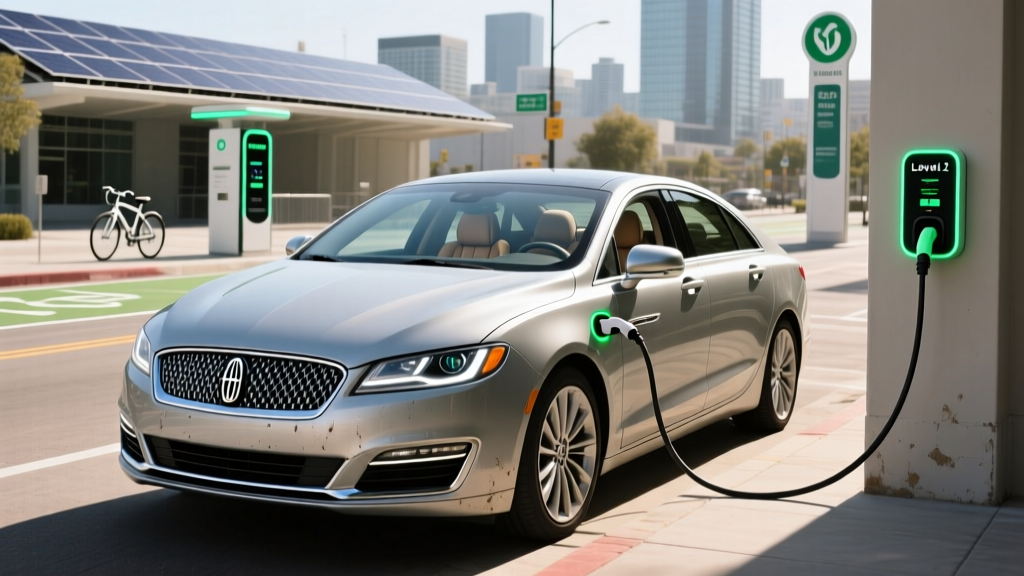
The 2015 Lincoln MKZ Hybrid FWD occupies a specific niche in the used-car market: a midsize luxury sedan with genuine fuel-sipping credentials, a comfortable ride, and Ford's proven hybrid powertrain underneath its upscale skin. Built on the same platform as the Ford Fusion Hybrid, the MKZ Hybrid pairs a 2.0-liter Atkinson-cycle four-cylinder engine with an electric motor and a 1.4 kWh lithium-ion battery pack to achieve an EPA-rated 38 MPG combined. In 2026, with new hybrid sedans starting above $35,000, a well-maintained MKZ Hybrid can be found on the used market for roughly $9,000–$14,000 depending on mileage and condition — making it one of the most affordable entry points into a luxury hybrid.
But at over a decade old, prospective buyers need clear answers on battery health, real-world efficiency, and whether this HEV (conventional hybrid) still makes sense versus a newer plug-in hybrid or full EV. This guide covers every number that matters.
| Specification | Value |
|---|---|
| Powertrain Type | Conventional Hybrid (HEV) — no plug |
| Engine | 2.0L Atkinson-cycle I4 + AC electric motor |
| Combined Horsepower | 188 hp (net system) |
| Transmission | eCVT (planetary gearset, no fixed gears) |
| Drivetrain | Front-Wheel Drive (FWD) |
| Hybrid Battery | 1.4 kWh lithium-ion (air-cooled) |
| EPA Fuel Economy | 38 city / 37 highway / 38 combined MPG |
| Fuel Tank | 13.5 gallons |
| Total Driving Range | ~513 miles (EPA est.) |
| 0–60 mph | ~8.4 seconds |
| Cargo Volume | 11.1 cu ft (trunk) |
| Original MSRP (2015) | $35,560 (base) |
| Used Price Range (2026) | $9,000–$14,000 |
| Hybrid Battery Warranty (original) | 8 years / 100,000 miles |
How Many MPG Does the 2015 MKZ Hybrid Actually Get?
The EPA rates the 2015 Lincoln MKZ Hybrid FWD at 38 MPG city, 37 MPG highway, and 38 MPG combined, according to fueleconomy.gov. These numbers are unusual in that the city rating actually matches or slightly exceeds the highway figure — a hallmark of conventional hybrids, which recapture braking energy in stop-and-go traffic via regenerative braking and rely more heavily on electric-motor assist at low speeds.
| Driving Scenario | EPA Estimate | Real-World Expectation |
|---|---|---|
| City (stop-and-go) | 38 MPG | 37–42 MPG |
| Highway (70+ mph) | 37 MPG | 33–37 MPG |
| Combined | 38 MPG | 35–40 MPG |
| Cold Weather (below 32°F) | — | 30–34 MPG |
Real-world notes: Owners who drive predominantly in urban and suburban conditions frequently report exceeding the EPA combined figure, with some seeing 40–42 MPG on mixed commutes. Highway-heavy driving at sustained speeds above 70 mph pulls the number down to the low-to-mid 30s, as the gasoline engine carries more of the load without regenerative braking opportunities. In cold weather, expect a 10–15% efficiency drop — the engine runs longer to provide cabin heat and the battery's charge/discharge efficiency decreases at low temperatures.
At 38 MPG combined and a national average gas price of roughly $3.10/gallon (early 2026), the MKZ Hybrid costs approximately $0.08 per mile in fuel. Compare that to a similarly sized non-hybrid luxury sedan averaging 25 MPG at $0.12 per mile — a meaningful gap over 15,000 annual miles.
HEV vs. PHEV vs. EV: Which Powertrain Fits You?
The 2015 MKZ Hybrid is a conventional hybrid (HEV). It has no charging port, no electric-only driving mode beyond brief low-speed maneuvers, and no plug. The 1.4 kWh battery recharges entirely through regenerative braking and engine-generated electricity. This is fundamentally different from a plug-in hybrid (PHEV) or a battery-electric vehicle (BEV).
| Feature | HEV (e.g., MKZ Hybrid) | PHEV (e.g., Toyota RAV4 Prime) | BEV (e.g., Tesla Model 3) |
|---|---|---|---|
| Plug-in Charging | No | Yes (Level 1/2) | Yes (Level 1/2/DC fast) |
| Battery Size | 1–2 kWh | 8–20 kWh | 50–100+ kWh |
| Electric-Only Range | ~0.5 mi (low-speed creep) | 25–45 mi | 250–400+ mi |
| Gasoline Engine | Yes (primary) | Yes (backup) | No |
| Fuel Cost per Mile | ~$0.08 | ~$0.04 (elec) / $0.10 (gas) | ~$0.03–$0.05 |
| Home Charging Needed | No | Recommended | Essential |
| Federal Tax Credit (§30D) | Not eligible | Up to $7,500 (if eligible, new only) | Up to $7,500 (if eligible, new only) |
Choose the HEV (MKZ Hybrid) if: You want better fuel economy with zero lifestyle change — no charging setup, no range planning, no plug. You drive a mix of city and highway and want a single vehicle that does it all without thinking about it.
Choose a PHEV if: You have home charging access, a short commute (under 40 miles), and want electric-only daily driving with gas-engine flexibility for road trips. New PHEVs like the Toyota Prius Prime or Chrysler Pacifica Hybrid may qualify for the federal §30D credit.
Choose a BEV if: You have reliable home or workplace charging, want the lowest per-mile operating cost, and are ready to plan longer road trips around DC fast-charging infrastructure.
Powertrain Deep Dive: 188 HP, eCVT, and Ford's Hybrid System
The 2015 MKZ Hybrid uses Ford's second-generation hybrid synergy drive, shared with the Fusion Hybrid and C-Max Hybrid. The system combines:
- 2.0L Atkinson-cycle I4 engine: 141 hp and 129 lb-ft of torque. The Atkinson cycle sacrifices some low-end power for greater thermal efficiency — ideal for a hybrid where the electric motor fills in the torque gap.
- Permanent-magnet AC synchronous motor: 118 hp and 117 lb-ft, integrated into the transaxle.
- Net system output: 188 hp. Note that you cannot simply add the engine and motor figures — they peak at different RPMs, so combined output is lower than the sum.
- eCVT transmission: This is not a traditional belt-driven CVT. It uses a planetary gearset to seamlessly blend engine and motor power. There are no fixed gear ratios, no shifting, and no rubber-band effect typical of older CVTs. Reliability is excellent — this unit has few wear components.
The 0–60 mph time of approximately 8.4 seconds is adequate for merging and passing but won't feel quick by modern standards. The electric motor provides instant torque off the line, making the car feel peppy around town even though it runs out of breath at higher speeds. The FWD layout means no AWD option was offered for the hybrid trim — if you need all-wheel drive, you'd need to look at the gasoline MKZ 2.0T AWD or consider a different hybrid altogether.
Hybrid Battery Health, Warranty, and Replacement Cost
The 1.4 kWh lithium-ion battery pack in the 2015 MKZ Hybrid is the component that concerns used buyers most. Here's what you need to know:
Original Hybrid Battery Warranty
Coverage: 8 years / 100,000 miles (whichever comes first), as mandated for emissions-related components in California-emissions states and adopted by Lincoln nationwide for hybrid batteries.
What it covers: Battery capacity loss below a defined threshold (typically ~60–70% of original capacity), cell failure, and related hybrid system components including the inverter and eCVT.
Status in 2026: The original warranty has expired for all 2015 models unless the vehicle has fewer than 100,000 miles and was certified under a CPO program with extended coverage. Assume you are buying this car without active battery warranty.
Degradation reality: Ford's hybrid battery packs from this era have proven remarkably durable. The 1.4 kWh pack is small and operates within a conservative state-of-charge window (roughly 40–80%), which significantly reduces stress on the cells. Many Fusion and MKZ Hybrids from the 2013–2016 generation have surpassed 150,000–200,000 miles on the original battery without significant capacity loss. That said, at 10+ years of age, some capacity degradation is inevitable.
Signs of battery trouble to watch for:
- Noticeably reduced fuel economy (dropping below 30 MPG consistently in normal driving)
- The gasoline engine running more frequently than expected, especially at low speeds
- Dashboard warnings related to the hybrid system or battery
- Reduced regenerative braking feel
Battery replacement cost (2026 estimates):
- OEM replacement (Lincoln/Ford dealer): $2,500–$4,000 including parts and labor
- Aftermarket/refurbished pack: $1,200–$2,200 from hybrid battery specialists
- Individual cell replacement: $500–$1,000 if only specific modules have failed (a viable option at independent hybrid shops)
Before purchasing, request a hybrid battery health report. Many Ford/Lincoln dealers can pull state-of-health (SoH) data via the OBD-II port. An independent mechanic with a hybrid-capable scan tool can also check individual cell voltage balance — wide variance between cells suggests impending failure.
Used Market Pricing and Tax Credit Reality
As of early 2026, the 2015 Lincoln MKZ Hybrid FWD trades on the used market in these ranges:
| Condition / Mileage | Approximate Price |
|---|---|
| Excellent, under 60K miles | $12,000–$14,000 |
| Good, 60K–100K miles | $10,000–$12,500 |
| Fair, 100K–140K miles | $9,000–$10,500 |
| High mileage, 140K+ miles | $7,000–$9,000 |
Federal tax credit: The 2015 MKZ Hybrid does not qualify for the IRS §30D new clean vehicle credit, which applies only to new plug-in vehicles (PHEVs and BEVs) meeting battery-sourcing, MSRP cap, and buyer income requirements. Conventional hybrids (HEVs) have never been eligible for this credit. There is currently no federal tax credit for purchasing a used HEV.
Used EV credit (§25E): This credit of up to $4,000 applies only to used BEVs and PHEVs — not conventional hybrids. The MKZ Hybrid is excluded.
State incentives: A handful of states offer modest rebates or HOV lane access for hybrid vehicles, but most incentive programs have shifted focus to plug-in vehicles. Check your state's energy or DMV website for current programs, as these vary by jurisdiction and change frequently.
Reliability, Maintenance, and Long-Term Ownership Costs
The 2015 MKZ Hybrid benefits from Ford's extensive experience with hybrid powertrains, dating back to the 2005 Escape Hybrid. The hybrid system itself — battery, inverter, eCVT — is one of the most reliable components in the vehicle. The eCVT has no belts, no clutches, and no traditional wear items, making transmission failure extremely rare.
Common issues to check (non-hybrid-specific):
- MyLincoln Touch / SYNC infotainment: The 2015 model year uses SYNC with MyLincoln Touch, which was plagued by slow response times and software glitches. A firmware update or aftermarket head-unit swap may be needed.
- Power steering: Some 2013–2015 Fusion/MKZ models experienced electric power steering (EPAS) faults. Check for any open recalls — Ford issued extended coverage on certain EPAS components.
- 12V battery: Like all hybrids, the MKZ has a conventional 12V battery that powers accessories and boots the hybrid system. A weak 12V battery can prevent the car from starting even though the hybrid battery is fine. Replace every 4–5 years.
- Brake wear: Regenerative braking significantly reduces pad and rotor wear. Many owners report original brake pads lasting 80,000+ miles. This is a meaningful cost savings versus the gas-only MKZ.
5-year estimated ownership costs (2026, buying at ~$11,000 with ~90K miles):
| Category | Estimated Cost |
|---|---|
| Purchase Price | $11,000 |
| Fuel (15K mi/yr × 5 yr, 38 MPG, $3.10/gal) | $6,120 |
| Insurance (avg. $1,300/yr) | $6,500 |
| Maintenance & Repairs | $3,000–$4,500 |
| Potential Hybrid Battery Replacement | $0–$3,500 (if needed) |
| Estimated Depreciation (5 yr) | $4,000–$5,000 |
| Total (best case) | ~$30,620 |
| Total (with battery replacement) | ~$34,120 |
For comparison, a similarly priced used gasoline luxury sedan averaging 25 MPG would cost roughly $3,000 more in fuel alone over the same period, partially offsetting the MKZ Hybrid's potential battery replacement risk.
Pros and Cons at a Glance
Pros
- 38 MPG combined — strong real-world efficiency, especially in city driving
- No plug required — zero lifestyle adjustment from a gas car
- Proven, reliable Ford hybrid powertrain with extensive service network
- Luxury interior with genuine leather, quiet cabin, and smooth ride
- Regenerative braking extends brake pad life significantly
- Affordable used pricing: $9K–$14K in 2026
- 513-mile total range eliminates range anxiety entirely
Cons
- Original hybrid battery warranty has expired on all 2015 examples
- No electric-only driving range — this is not a PHEV
- Modest 188 hp and 8.4-second 0–60 time feel dated vs. modern turbo-hybrids
- Small 11.1 cu ft trunk (battery pack intrudes slightly)
- Outdated SYNC/MyLincoln Touch infotainment system
- FWD only — no AWD option for the hybrid trim
- No federal or most state tax credits available
Frequently Asked Questions
How many MPG does the 2015 Lincoln MKZ Hybrid get?
The EPA rates it at 38 MPG city, 37 MPG highway, and 38 MPG combined. Real-world results typically range from 35–42 MPG depending on driving mix. City-heavy commutes often exceed the EPA rating, while sustained highway driving at 75+ mph may drop to the low 30s.
Does the 2015 MKZ Hybrid need to be plugged in?
No. The 2015 MKZ Hybrid is a conventional hybrid (HEV), not a plug-in hybrid. It has no charging port. The 1.4 kWh battery recharges through regenerative braking and the gasoline engine. You simply fill up with gasoline like any other car.
How far can the MKZ Hybrid go on electric only?
Essentially zero miles in any practical sense. Like all conventional hybrids, the MKZ can creep at very low speeds (under ~25 mph) on electric power for brief distances — perhaps a quarter mile in a parking lot. The gasoline engine engages almost immediately under any meaningful acceleration. If you want 25–40 miles of electric-only range, you need a plug-in hybrid (PHEV), which this vehicle is not.
Is the 2015 MKZ Hybrid reliable?
The hybrid powertrain is among the most reliable components in the vehicle. Ford's eCVT and hybrid battery systems from this generation have strong longevity records, with many examples exceeding 150,000 miles without major hybrid system repairs. Non-hybrid issues like the SYNC infotainment system and electric power steering are more common complaints. A pre-purchase inspection with a hybrid battery health check is strongly recommended.
What does it cost to replace the hybrid battery?
OEM replacement at a Ford/Lincoln dealer typically runs $2,500–$4,000. Aftermarket or refurbished packs from hybrid specialists cost $1,200–$2,200. Individual cell module replacement can be done for $500–$1,000 at specialized shops. Most 2015 examples still have their original batteries functioning adequately, but at 10+ years old, budgeting for eventual replacement is prudent.
Does the 2015 MKZ Hybrid qualify for any tax credit?
No. The federal §30D new clean vehicle credit and the §25E used clean vehicle credit both apply only to plug-in vehicles (PHEVs and BEVs). Conventional hybrids like the MKZ Hybrid are not eligible for any current federal tax credit. State-level incentives for non-plug hybrids are rare in 2026 and vary by jurisdiction — consult your state's energy office or a tax professional for specifics.
Should I buy this instead of a newer hybrid or EV?
It depends on your budget and needs. If you can spend $10,000–$13,000 and want a comfortable, efficient luxury sedan with no plug-in requirement, the 2015 MKZ Hybrid is a strong value. If you can spend $28,000–$35,000, newer options like the Toyota Camry Hybrid (51 MPG) or Hyundai Sonata Hybrid offer better efficiency, modern tech, and remaining factory warranty. If you have home charging and want the lowest operating cost, a used BEV like a 2020–2022 Tesla Model 3 or Chevrolet Bolt may save more on fuel — but requires charging infrastructure.
What should I check before buying a used 2015 MKZ Hybrid?
Request a hybrid battery state-of-health report from a Ford/Lincoln dealer or hybrid specialist. Check for open recalls (especially related to electric power steering). Verify maintenance records, particularly for the 12V battery and brake fluid. Test-drive in stop-and-go conditions to confirm smooth engine/motor transitions and strong regenerative braking. Inspect the trunk area around the battery pack for any signs of moisture intrusion.
Sources: EPA fuel economy data from fueleconomy.gov; IRS clean vehicle credit rules from irs.gov; NHTSA recall and safety data from nhtsa.gov.