Quick Verdict: A Proven Hybrid That Still Delivers
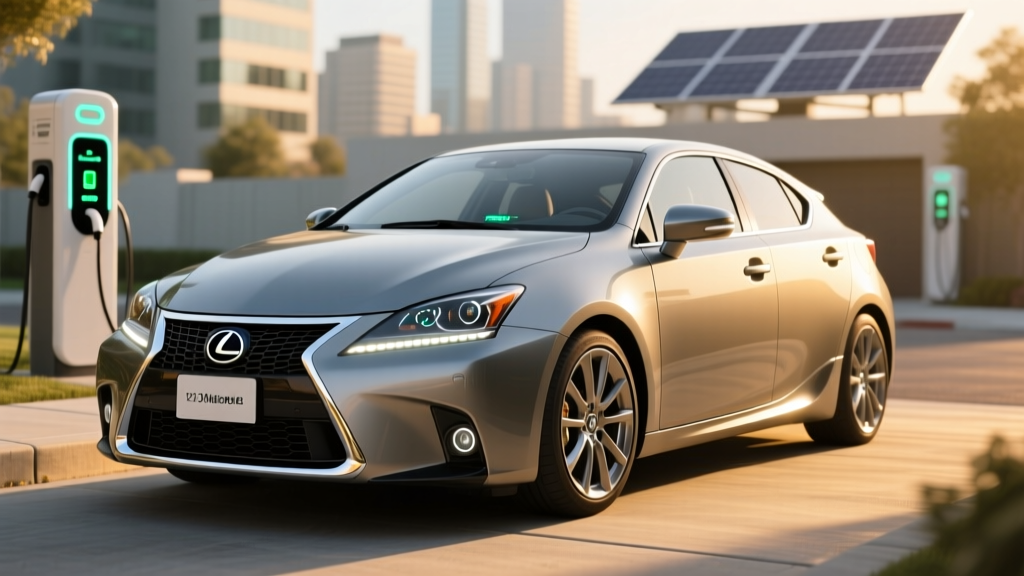
The 2012 Lexus CT 200h is a conventional hybrid (HEV) — not a plug-in — built on Toyota's third-generation Prius powertrain wrapped in a premium Lexus hatchback body. With an EPA-rated 42 MPG combined, a reputation for exceptional reliability, and used prices now ranging from $7,000 to $13,000 depending on condition and mileage, it remains one of the most economical entry points into luxury hybrid ownership in 2026. But with a 134-horsepower powertrain and aging infotainment, it's a car you buy with your calculator, not your heart.
| Spec | 2012 Lexus CT 200h |
|---|---|
| Powertrain | 1.8L 4-cyl + electric motor (HEV) |
| Combined Horsepower | 134 hp |
| 0-60 mph | 9.8 seconds |
| EPA MPG (City / Hwy / Combined) | 43 / 40 / 42 |
| Battery Type | Nickel-Metal Hydride (NiMH), ~1.3 kWh |
| Drivetrain | FWD, eCVT |
| Cargo Volume | 14.3 cu ft (rear seats up) |
| Original MSRP (2012) | $29,120 (base) |
| Used Price Range (2026) | $7,000 – $13,000 |
| Federal Tax Credit | None (expired) |
How Many MPG Does the 2012 Lexus CT 200h Actually Get?
The EPA rates the 2012 CT 200h at 43 MPG city, 40 MPG highway, and 42 MPG combined when equipped with 15-inch wheels. Models optioned with 17-inch alloy wheels drop slightly to 42/38/40 MPG due to increased rolling resistance.
| Driving Condition | EPA Estimate | Real-World Expectation |
|---|---|---|
| City | 43 MPG | 44–48 MPG (hybrids excel in stop-and-go) |
| Highway | 40 MPG | 36–39 MPG (aero drag, no regen benefit) |
| Combined | 42 MPG | 39–44 MPG depending on driving mix |
| Cold Weather (below 32°F) | — | 34–38 MPG (engine runs more for heat) |
Like most Toyota-derived hybrids, the CT 200h routinely exceeds its EPA city estimate in real-world urban driving. Regenerative braking recovers energy in stop-and-go traffic, and the engine shuts off at stops. Highway driving is where it falls short of the sticker — the 1.8-liter Atkinson-cycle engine works harder at sustained speeds with less assistance from the electric motor.
According to fueleconomy.gov, owners report an average of 41.6 MPG combined, which aligns closely with the EPA figure. This is a powertrain that delivers on its efficiency promises.
HEV vs PHEV vs EV: Where Does the CT 200h Fit?
The 2012 CT 200h is a conventional hybrid electric vehicle (HEV). It has no plug, no electric-only driving mode of meaningful distance, and no external charging capability. The small 1.3 kWh NiMH battery charges exclusively through regenerative braking and the gasoline engine.
| Feature | HEV (CT 200h) | PHEV (e.g., Prius Prime) | BEV (e.g., Model 3) |
|---|---|---|---|
| Plug-in Required? | No | Yes (for EV range) | Yes |
| Electric-Only Range | ~0.5 miles at low speed | 25–44 miles | 250–360+ miles |
| Total Range | ~420 miles | ~550+ miles (EV + gas) | 250–360 miles |
| Fuel/Energy Cost | ~$0.10/mile | ~$0.05–$0.10/mile | ~$0.04–$0.06/mile |
| Maintenance | Low (no plug system) | Moderate (two systems) | Lowest (no engine) |
| Home Charging Needed? | No | Recommended | Essential |
| Federal Tax Credit (2026) | None | Up to $3,750–$7,500* | Up to $7,500* |
*Tax credit eligibility depends on MSRP caps, buyer income limits, and battery sourcing requirements under IRS §30D. Consult irs.gov or a tax professional.
The CT 200h makes sense if you have no access to home or workplace charging, want zero range anxiety, and prioritize low operating costs over performance. If you have reliable Level 2 charging access and a commute under 40 miles, a modern PHEV or BEV will deliver dramatically lower per-mile energy costs and a smoother, quieter driving experience.
Powertrain and Performance: Adequate, Not Exciting
The CT 200h pairs a 1.8-liter four-cylinder Atkinson-cycle engine (98 hp) with a 60 kW (80 hp) electric motor through Toyota's eCVT planetary gearset. Combined system output is 134 horsepower. The result is a 0-60 mph time of approximately 9.8 seconds — leisurely by modern standards, but sufficient for merging and city driving.
Drive modes include Eco, Normal, Sport, and EV. The EV mode allows electric-only propulsion for roughly half a mile at speeds under 25 mph — useful for creeping through a parking garage, but not a meaningful electric driving experience. Sport mode sharpens throttle response and steering weight but cannot mask the fundamental power deficit.
The eCVT is smooth and never hunts for gears (it has no fixed ratios), but it holds the engine at a constant drone under hard acceleration. This is the characteristic Toyota hybrid "rubber-band" feel that some drivers find unobjectionable and others find grating.
Battery Health, Warranty, and Replacement Cost
Original Battery Warranty: 8 years / 100,000 miles (10 years / 150,000 miles in CARB states including CA, NY, MA, and others).
2026 Status: All 2012 models are now outside original warranty coverage unless an extended warranty was purchased.
The CT 200h uses a nickel-metal hydride (NiMH) traction battery pack rated at approximately 1.3 kWh. NiMH chemistry is less energy-dense than modern lithium-ion but has a well-documented longevity record. Toyota's hybrid battery packs from this generation routinely last 150,000–200,000 miles before significant degradation.
When replacement is necessary, you have three realistic options:
- New OEM battery (Toyota/Lexus dealer): $3,000–$4,000 installed. Full capacity, full warranty.
- Refurbished/remanufactured battery: $1,500–$2,500 installed from specialists like Green Bean Battery or Exclusive Hybrid. Typically comes with a 3–5 year warranty.
- Individual module replacement: $200–$600 if only a few cells have failed. Requires a knowledgeable independent hybrid shop.
The most common failure mode is not sudden death but gradual capacity loss — you'll notice slightly lower MPG and more frequent engine engagement before the car throws a hybrid system warning. Many 2012 CT 200h examples with 120,000–180,000 miles are still running on their original battery packs in 2026.
Is the 2012 CT 200h Reliable?
Yes — this is one of the most reliable vehicles Lexus has ever produced, which is saying something. The powertrain is essentially the third-generation Prius system, which has accumulated billions of real-world miles across Toyota's global fleet. Major mechanical failures are rare.
Known issues to check on a used example:
- Brake actuator recall: Some 2010–2012 CT 200h models were recalled for a brake booster assembly issue. Verify recall completion via NHTSA.gov using the VIN.
- Water pump: The electric water pump can fail around 100,000–130,000 miles. Replacement runs $400–$700.
- EGR valve clogging: Common on high-mileage examples. Symptoms include rough idle and a check-engine light. Cleaning or replacement is $200–$500.
- 12V auxiliary battery: Like all hybrids, the CT 200h has a conventional 12V battery that can die and leave the car unable to start, even though the hybrid battery is full. Replacement: $150–$250.
Insurance costs are low for a luxury-branded vehicle — typically $80–$130/month depending on driver profile and state, well below comparable BMW or Audi models.
Does the 2012 CT 200h Qualify for Any Tax Credit?
No. The federal hybrid tax credit that applied to the CT 200h when new (up to $1,450 under the old Energy Policy Act structure) expired long ago. The current IRS §30D Clean Vehicle Credit applies only to new plug-in vehicles (PHEVs and BEVs) meeting battery sourcing, MSRP, and buyer income requirements. Conventional hybrids like the CT 200h are not eligible.
Some states offer their own incentives for used vehicle purchases or for hybrid ownership, but these vary widely by jurisdiction and change frequently. Check your state's energy or environmental agency website for current programs.
Who Should Buy the 2012 Lexus CT 200h in 2026?
Pros
- 42 MPG combined — outstanding for a luxury-badged car
- Exceptional long-term reliability (Toyota hybrid DNA)
- No plug required — works anywhere gas is available
- Low insurance and maintenance costs
- Quiet, well-insulated cabin for its price point
- Used prices make it a strong value ($7K–$13K)
Cons
- 134 hp feels slow — 9.8-second 0-60 time
- Dated infotainment (no Apple CarPlay/Android Auto)
- Tight rear seat and modest 14.3 cu ft cargo area
- eCVT drone under hard acceleration
- Out of warranty — battery replacement is an out-of-pocket risk
- No federal tax credit available
Choose the 2012 CT 200h if: You want a fuel-efficient daily driver with no charging hassle, value reliability above all else, and don't need quick acceleration or modern infotainment. It's ideal for commuters doing 10,000–15,000 miles/year in mixed city/highway driving who want low per-mile costs without lifestyle changes.
Look elsewhere if: You have home charging access and want lower per-mile costs (consider a used BEV like a 2019+ Chevy Bolt or Tesla Model 3), you need rear-seat space for adults, or you want modern safety tech like automatic emergency braking and lane-keeping assist (not available on the 2012 CT).
Frequently Asked Questions
How many MPG does the 2012 Lexus CT 200h hybrid get?
The EPA rates it at 43 city / 40 highway / 42 combined MPG with 15-inch wheels. In real-world city driving, many owners report 44–48 MPG thanks to regenerative braking. Highway driving typically yields 36–39 MPG.
Is the 2012 Lexus CT 200h a plug-in hybrid?
No. The CT 200h is a conventional hybrid (HEV). It cannot be plugged in and has no meaningful electric-only range. The battery charges solely through regenerative braking and the gasoline engine.
How much does it cost to replace the hybrid battery?
A new OEM battery costs $3,000–$4,000 installed at a Lexus dealer. Refurbished batteries from reputable third-party shops run $1,500–$2,500 with a multi-year warranty. Many examples still run on original batteries at 150,000+ miles.
Does the 2012 CT 200h qualify for any federal tax credit?
No. The original hybrid purchase credit expired years ago. The current IRS §30D Clean Vehicle Credit applies only to new plug-in vehicles (PHEVs and BEVs). Conventional hybrids are not eligible.
Is the 2012 CT 200h reliable at high mileage?
Yes. The Toyota-sourced hybrid powertrain is among the most reliable ever produced. Key items to verify on a used purchase: recall completion (brake actuator), water pump condition, EGR valve cleanliness, and hybrid battery health via a dealer scan tool.
Hybrid vs PHEV vs EV — which should I choose?
If you lack home charging and want zero lifestyle change, an HEV like the CT 200h is ideal. If you can charge at home and commute under 40 miles, a PHEV gives you electric daily driving with gas backup. If you have reliable charging and want the lowest operating cost, a BEV eliminates gas entirely but requires charging planning for road trips.