The 2012 Lexus CT 200h: A Used Hybrid That Still Delivers
The 2012 Lexus CT 200h was Lexus's first dedicated compact hybrid hatchback, built on the Toyota Prius powertrain but wrapped in a premium package. More than a decade later, it remains one of the most fuel-efficient luxury-branded vehicles on the used market. If you're searching for a lexus hybrid 2012 ct, you're likely weighing its proven efficiency against the realities of owning a 14-year-old hybrid battery. This guide breaks down every number that matters.
| Spec | 2012 Lexus CT 200h |
|---|---|
| Powertrain | 1.8L 4-cyl + electric motor (HEV) |
| Combined Horsepower | 134 hp (net) |
| Transmission | eCVT (planetary gearset) |
| Hybrid Battery | 1.3 kWh NiMH (sealed) |
| EPA MPG (City / Hwy / Combined) | 43 / 40 / 42 |
| 0–60 mph | 9.8 seconds |
| Cargo Volume | 14.3 cu ft (rear seats up) |
| Drivetrain | FWD |
| Original MSRP (base) | $29,120 |
| Typical 2026 Used Price | $8,500–$13,000 |
HEV vs PHEV: What the CT 200h Actually Is
Before diving into fuel economy, it's essential to clarify what kind of hybrid the CT 200h is — because this is where many buyers get confused.
| Feature | HEV (CT 200h) | PHEV (e.g., Prius Prime) | BEV (e.g., Tesla Model 3) |
|---|---|---|---|
| Plug-in charging? | No — self-charging via regen + engine | Yes — plug in for electric-only miles | Yes — must plug in |
| Electric-only range | ~1 mile at low speed | 25–44 miles (model-dependent) | 250–360+ miles |
| Battery size | 1.3 kWh NiMH | 8.8–13.6 kWh Li-ion | 50–82 kWh Li-ion |
| Fuel needed? | Yes — always | Yes — after EV range depletes | No |
| Federal tax credit (§30D)? | No | Up to $7,500 (new, if eligible) | Up to $7,500 (new, if eligible) |
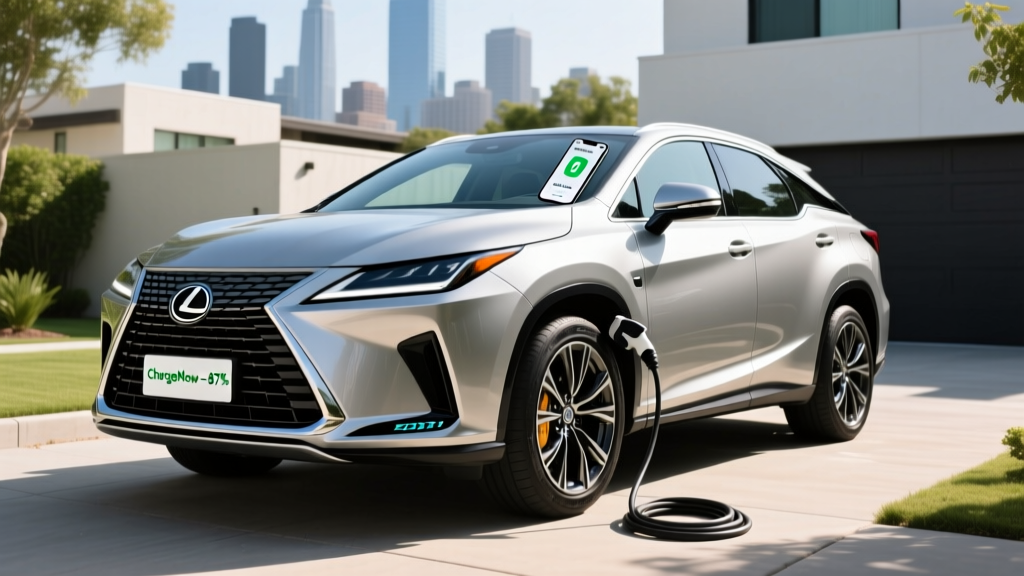
The 2012 Lexus CT 200h is a conventional hybrid (HEV). It has no plug, no meaningful electric-only range, and requires no change in fueling habits. The 1.3 kWh nickel-metal hydride (NiMH) battery charges itself through regenerative braking and the gasoline engine. You simply fill it with regular unleaded and drive. This is fundamentally different from a plug-in hybrid (PHEV) like the Toyota Prius Prime, which offers 44 miles of electric-only driving before the engine engages.
Fuel Economy: EPA Numbers vs Real-World MPG
The EPA rates the 2012 Lexus CT 200h at 43 mpg city, 40 mpg highway, and 42 mpg combined. But as with any hybrid, the sticker number is only part of the story.
| Driving Scenario | Expected MPG | Notes |
|---|---|---|
| City (stop-and-go) | 44–48 mpg | Hybrids excel here — regen braking recovers energy |
| Highway (65–70 mph) | 36–40 mpg | Aero drag and sustained engine load reduce efficiency |
| Mixed commuting | 40–44 mpg | Closest to EPA combined |
| Cold weather (below 32°F) | 34–38 mpg | Engine runs more for cabin heat; battery less efficient |
| Aggressive driving | 32–36 mpg | Hard acceleration defeats the hybrid system's optimization |
Hybrids like the CT 200h routinely exceed their EPA city rating in real-world stop-and-go traffic because regenerative braking captures energy that a gas car wastes as heat. Owners on Fuelly and similar tracking sites report lifetime averages between 40 and 46 mpg, with some hypermilers hitting 50 mpg in warm-weather city driving. Highway-only road trips will see lower numbers — expect 36–39 mpg at 70 mph.
For context: a comparable 2012 non-hybrid luxury compact (like the Audi A3 2.0T) averaged about 24 mpg combined. The CT 200h cuts fuel consumption nearly in half.
Powertrain Deep Dive: How 134 HP Moves a Luxury Hatch
The CT 200h uses Toyota's third-generation Hybrid Synergy Drive, shared with the third-gen Prius (2010–2015). Here's how the system breaks down:
- Gasoline engine: 1.8-liter Atkinson-cycle 4-cylinder producing 98 hp and 105 lb-ft of torque
- Electric motor (MG2): 80 hp (60 kW), 153 lb-ft of torque
- Net system output: 134 hp (the engine and motor don't peak simultaneously)
- Generator (MG1): Starts the engine, charges the battery, and manages the planetary gearset
- Transmission: eCVT — not a belt-driven CVT but a planetary gearset with no fixed gears, no clutch packs, and no traditional shifting
The eCVT is a key reliability advantage. Unlike conventional automatics or dual-clutch transmissions, there are no friction bands, torque converters, or clutch packs to wear out. The planetary gearset has far fewer moving parts, which is why Toyota/Lexus hybrid transaxles routinely exceed 200,000 miles without service.
Performance is adequate, not exciting. The 9.8-second 0–60 mph time means highway merging requires planning. The CT 200h was designed for efficiency, not sportiness — despite Lexus's "F Sport" trim option, which added cosmetic and suspension tweaks but no additional power.
Battery Health, Lifespan, and Replacement Cost
The single biggest concern for any used hybrid buyer is the traction battery. Here's what you need to know about the CT 200h's NiMH pack.
Battery Warranty (Original)
Lexus warranted the hybrid battery for 8 years / 100,000 miles (10 years / 150,000 miles in California and states adopting CARB emissions standards). For a 2012 model, original factory warranty coverage expired no later than 2022 in most states.
How long does the CT 200h battery actually last? Based on fleet data and owner reports, the 1.3 kWh NiMH battery in the CT 200h typically lasts 150,000–200,000 miles before significant degradation triggers a check-hybrid-system warning. Some units fail earlier (120,000 miles), while others exceed 250,000 miles. Heat is the primary degradation accelerant — cars in Arizona, Texas, and Southern California tend to see earlier battery failures than those in cooler climates.
Replacement costs in 2026:
- New OEM Lexus battery: $3,000–$4,200 (installed at dealer)
- Refurbished/remanufactured battery: $1,500–$2,500 (installed at independent hybrid shop)
- Individual cell module replacement: $500–$1,200 (if only 1–2 of 28 modules are weak — requires a shop with hybrid diagnostic capability)
Before purchasing a used 2012 CT 200h, request a hybrid battery health check using Toyota's Techstream diagnostic tool or an equivalent scanner. This reveals the internal resistance delta between modules — the single best predictor of remaining battery life. A delta above 0.30V under load suggests imminent failure. Many independent hybrid specialists offer this test for $50–$100.
Is the 2012 CT 200h Reliable? Long-Term Ownership Data
The CT 200h benefits from one of the most proven hybrid drivetrains ever built. The 1.8L 2ZR-FXE engine and eCVT are shared with the Toyota Prius, which has accumulated billions of real-world miles globally. Key reliability notes:
- Engine: The Atkinson-cycle 1.8L is under-stressed and timing-chain-driven (no belt to replace). Oil consumption can become an issue above 150,000 miles — check the dipstick regularly.
- Brakes: Regenerative braking means the friction pads last 80,000–120,000 miles in typical driving. Many owners report original brake pads at 100,000 miles.
- Inverter/cooling: The hybrid inverter coolant pump was subject to a recall on early Prius models; verify the recall was performed on any CT 200h you're considering.
- 12V auxiliary battery: Located in the rear cargo area, this small AGM battery powers electronics and must be in good condition for the hybrid system to boot. Replacement: $200–$350.
According to NHTSA records, the 2012 CT 200h has relatively few complaints for its production volume, with no pattern failures beyond the hybrid battery degradation expected of any high-mileage NiMH pack.
Does the 2012 CT 200h Qualify for Any Tax Credit?
No. The 2012 Lexus CT 200h does not qualify for the federal §30D Clean Vehicle Credit. Under current IRS rules, the §30D credit applies only to new plug-in electric vehicles (BEVs and PHEVs) with sufficient battery capacity and meeting MSRP, income, and battery-sourcing requirements. Conventional hybrids (HEVs) like the CT 200h have never qualified for this credit.
At the state level, a handful of states have offered hybrid purchase incentives in the past, but most have expired or shifted focus exclusively to plug-in vehicles. Check your state's energy office or DMV for any current programs, but do not expect a credit for a 2012 HEV purchase in 2026.
Who Should Buy the 2012 Lexus CT 200h — And Who Shouldn't
Choose the CT 200h If:
- You want 40+ mpg without plugging in or changing habits
- Your budget is under $14,000 and you want luxury-brand build quality
- You drive primarily in city or suburban stop-and-go traffic
- You want minimal maintenance costs (no transmission fluid changes, brake pads last 100k+ miles)
- You value hatchback practicality in a compact footprint
Skip the CT 200h If:
- You want electric-only driving — look at a PHEV (Prius Prime, RAV4 Prime) or BEV
- You need quick acceleration (9.8s 0–60 is slow by modern standards)
- You want Apple CarPlay / Android Auto (not available in the 2012 infotainment system)
- You regularly drive highway-only routes (a diesel or modern turbo achieves similar highway mpg)
- The hybrid battery shows high internal resistance delta and the seller won't negotiate on replacement cost
Hybrid vs PHEV vs EV: Which Fits You?
Choose the CT 200h (HEV) if you have no home charging access, want zero behavior change, and drive under 15,000 miles/year in mixed conditions.
Choose a PHEV if you can charge at home, want 25–44 miles of electric-only commuting, but still need gas-engine range for road trips.
Choose a BEV if you have reliable home charging, drive under 300 miles between charges, and want the lowest per-mile energy cost and zero tailpipe emissions.
Frequently Asked Questions
How many MPG does the 2012 Lexus CT 200h get?
The EPA rates it at 43 mpg city, 40 mpg highway, and 42 mpg combined. Real-world owners typically see 40–46 mpg in mixed driving, with city-heavy routes sometimes exceeding 48 mpg thanks to regenerative braking.
Can the 2012 CT 200h drive on electric power alone?
Only for very short distances (under 1 mile) at low speeds (under 25 mph). This is a conventional hybrid, not a plug-in. The electric motor assists the gasoline engine and enables engine-off coasting, but it cannot sustain electric-only driving like a PHEV or BEV.
How much does it cost to replace the hybrid battery?
A new OEM battery costs $3,000–$4,200 installed at a Lexus dealer. Refurbished batteries from independent hybrid specialists run $1,500–$2,500. Individual cell module repair can cost as little as $500–$1,200 if caught early.
Is the 2012 CT 200h the same as a Toyota Prius?
They share the same 1.8L hybrid powertrain and eCVT, but the CT 200h has a different chassis tuning, more sound insulation, a Lexus interior, and a hatchback body style. The Prius achieves slightly better MPG (48–50 combined for the 2012 model year) due to lighter weight and more aerodynamic shaping.
Does the CT 200h require premium fuel?
No. Lexus recommends regular 87-octane unleaded for the 2012 CT 200h. This is one of its cost-of-ownership advantages over non-hybrid luxury compacts that require premium.
What should I check before buying a used 2012 CT 200h?
Prioritize a hybrid battery health scan (module resistance delta), verify the inverter coolant pump recall was performed, check for oil consumption history, and inspect the 12V auxiliary battery age. Also confirm the eCVT fluid was changed if the car exceeds 100,000 miles — while Toyota calls it "lifetime," most hybrid specialists recommend a drain-and-fill at 100k–120k miles.