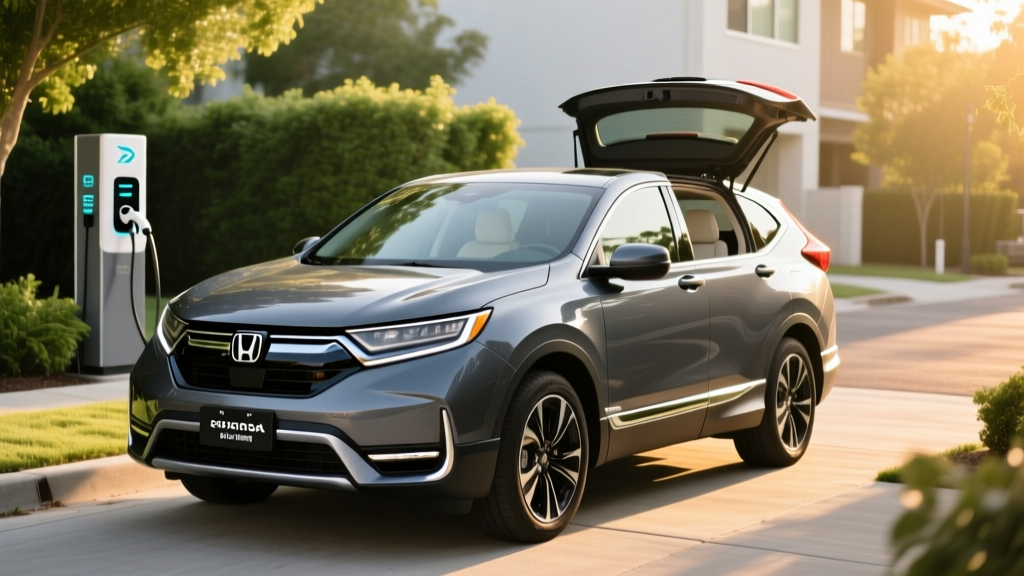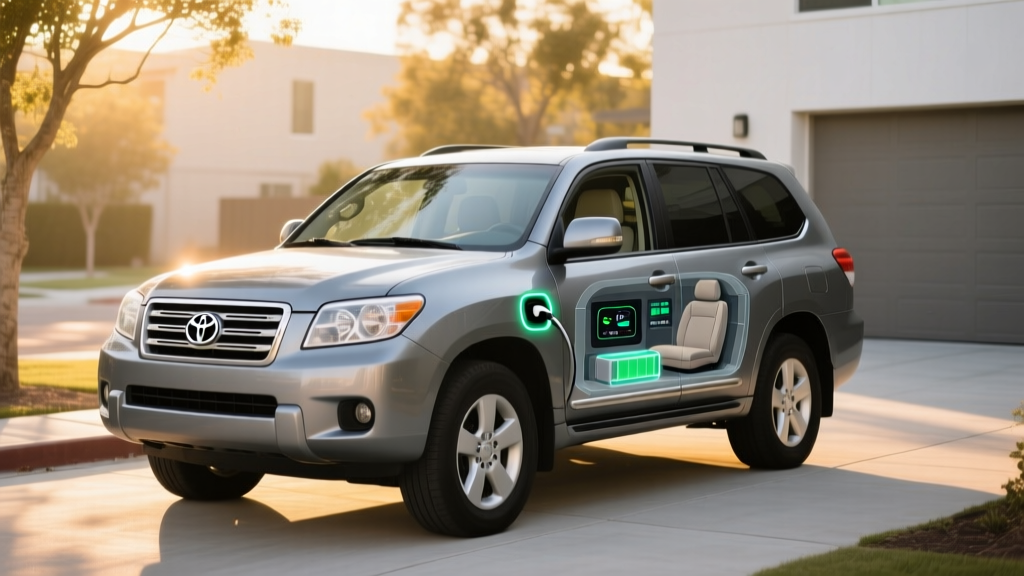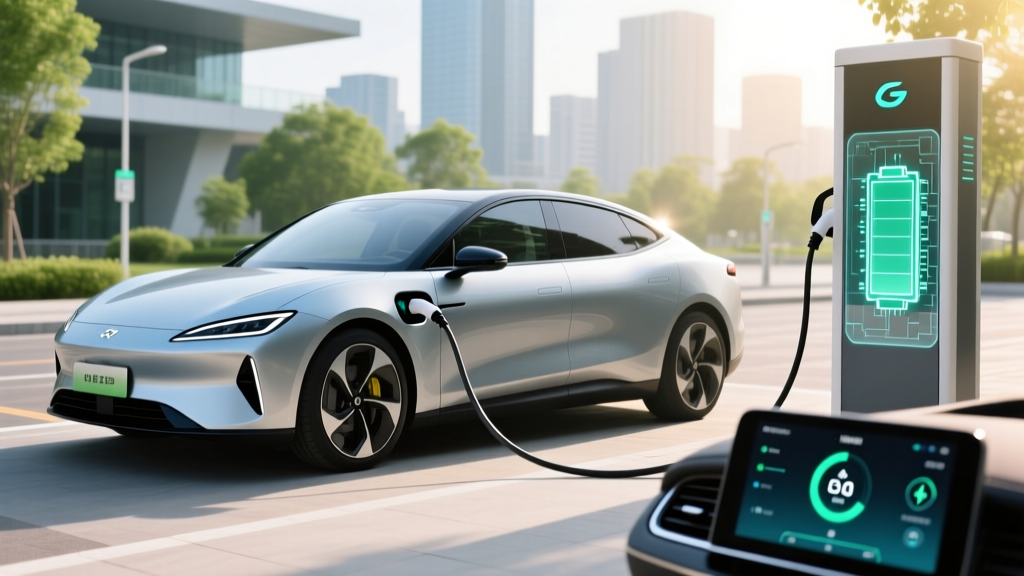
If you've searched "what does a hybrid vehicle mean" lately, you've probably noticed the answer has gotten more complicated. In 2026, the badge on the back of a car doesn't tell the whole story: a Toyota Prius and a Toyota RAV4 Prime are both "hybrids," but one never plugs in while the other can drive 42 miles on electricity alone before the engine fires up. Understanding the difference between a conventional hybrid (HEV) and a plug-in hybrid (PHEV) is the single most important step before you spend $30,000 to $55,000 on an electrified vehicle.
This guide cuts through the marketing language and gives you exact numbers — EPA MPG, battery kWh, electric-only range, warranty terms, and tax-credit eligibility — so you can pick the right powertrain for how you actually drive.
The Core Definition: What Makes a Vehicle a Hybrid?
A hybrid vehicle pairs an internal combustion engine (usually a gasoline four-cylinder) with at least one electric motor and a small traction battery. The electric motor assists during acceleration, recovers energy during braking (regenerative braking), and in some cases can propel the car on electricity alone at low speeds or for short distances. The result is better fuel economy and lower tailpipe emissions than a comparable gas-only car, without requiring any change to your fueling habits — at least for the conventional variety.
There are two distinct categories sold in the U.S. today, and confusing them is the most common buyer mistake:
Conventional Hybrid (HEV)
- Battery: 1–2 kWh (typically nickel-metal hydride or small lithium-ion)
- Plug-in charging: No — the battery is charged solely by the engine and regenerative braking
- Electric-only driving: Minimal (under 1 mile at low speeds, if at all)
- Fueling: Gas station only, exactly like a conventional car
- Federal tax credit: None
Plug-in Hybrid (PHEV)
- Battery: 10–25 kWh (lithium-ion, often NMC chemistry)
- Plug-in charging: Yes — Level 1 (120V) or Level 2 (240V); DC fast charging is rare
- Electric-only driving: 25–50 EPA miles typical for 2026 models
- Fueling: Plug in for daily driving, use gas for longer trips
- Federal tax credit: Up to $7,500 under IRS §30D if all sourcing, income, and MSRP requirements are met
HEV vs PHEV: Side-by-Side With 2026 Examples
Numbers make the difference obvious. Below are two of the most popular hybrids on the road — the 2026 Toyota Prius (HEV) and the 2026 Toyota RAV4 Prime (PHEV) — with data sourced from fueleconomy.gov and Toyota's official specifications.
| Spec | 2026 Toyota Prius (HEV) | 2026 Toyota RAV4 Prime (PHEV) |
|---|---|---|
| Powertrain | 2.0L 4-cyl + 2 electric motors | 2.5L 4-cyl + 2 electric motors |
| Combined Horsepower | 196 hp | 302 hp |
| Traction Battery | 1.0 kWh lithium-ion | 18.1 kWh lithium-ion (NMC) |
| EPA Combined MPG / MPGe | 57 MPG combined | 94 MPGe (electric) / 38 MPG (gas-only) |
| EPA City / Highway MPG | 57 city / 56 highway | 40 city / 36 highway (charge-sustaining) |
| Electric-Only Range | N/A | 42 miles EPA |
| Total Range (full tank + full charge) | ~590 miles | ~600 miles |
| Level 2 Charge Time (0–100%) | N/A (self-charging) | ~2.5 hours at 240V / 3.3 kW |
| DC Fast Charging | N/A | Not available |
| Base MSRP | $29,445 | $44,465 |
| Federal Tax Credit (§30D) | Not eligible | Up to $7,500 (see rules below) |
How Many MPG Does a Hybrid Actually Get?
The EPA sticker tells part of the story, but hybrids have a well-documented real-world quirk: they often exceed their EPA city rating because stop-and-go traffic maximizes regenerative braking and electric-motor assist. On the highway, where the gas engine does most of the work, real-world MPG tends to land slightly below the sticker.
| 2026 Model | Type | EPA City | EPA Highway | EPA Combined | Real-World Expectation |
|---|---|---|---|---|---|
| Toyota Prius | HEV | 57 | 56 | 57 | 52–62 MPG (city favors high end) |
| Honda Accord Hybrid | HEV | 51 | 44 | 48 | 44–53 MPG |
| Hyundai Tucson Hybrid | HEV | 38 | 38 | 38 | 34–41 MPG |
| Toyota RAV4 Prime | PHEV | 94 MPGe | 84 MPGe | 94 MPGe | 36–40 MPG gas-only; 3.5–4.0 mi/kWh electric |
| Jeep Wrangler 4xe | PHEV | 49 MPGe | 47 MPGe | 49 MPGe | 20–22 MPG gas-only (heavy, boxy aero) |
MPGe explained: MPGe (miles per gallon equivalent) is the EPA's way of comparing electric driving to gasoline. It tells you how far the vehicle travels on the same amount of energy contained in one gallon of gas (33.7 kWh). A PHEV's MPGe applies only while the battery has charge. Once the battery is depleted, the vehicle reverts to its charge-sustaining MPG — the second number in the table above, and the one that matters on road trips.
For PHEVs: How Far Can You Really Go on Electric Only?
Electric-only range is the headline feature of a PHEV, and 2026 models cluster between 25 and 50 EPA miles. That covers the daily round-trip commute for the majority of U.S. drivers — the Federal Highway Administration reports the average American drives roughly 37 miles per day.
Real-world electric range depends heavily on three factors:
- Temperature: Expect 15–30% range loss in freezing weather because the cabin heater and battery thermal management draw from the pack.
- Speed: Highway driving at 70+ mph consumes energy faster than the EPA test cycle. A PHEV rated for 42 electric miles may deliver 32–35 at sustained highway speed.
- Terrain and payload: Hills and a full carload of passengers reduce range proportionally, just as they do in a full EV.
Most 2026 PHEVs use a 3.3 kW or 6.6 kW onboard charger for Level 2 AC charging. At 3.3 kW, a fully depleted 18 kWh battery reaches full charge in roughly 5.5 hours; at 6.6 kW, it takes about 2.5 hours. DC fast charging remains rare on PHEVs — the Mitsubishi Outlander PHEV is one of the few that supports it, accepting up to 22 kW DC, which is modest by full-EV standards but adequate for a smaller battery.
Battery Warranty, Lifespan, and Replacement Cost
Federal mandate: The EPA and CARB require hybrid and PHEV traction batteries to carry a minimum warranty of 8 years / 100,000 miles (10 years / 150,000 miles in California and states that follow CARB standards). Many manufacturers exceed this baseline.
Here's what the major brands offer for 2026 models:
- Toyota (HEV and PHEV): 10 years / 150,000 miles on the hybrid battery
- Hyundai / Kia (HEV and PHEV): 10 years / 100,000 miles
- Honda (HEV): 8 years / 100,000 miles (10 years unlimited in CARB states)
- Ford (PHEV): 8 years / 100,000 miles
Replacement cost is the number-one anxiety for hybrid buyers, and the data is reassuring. A Toyota Prius hybrid battery replacement runs approximately $2,000–$4,000 at a dealership (refurbished units from independent shops can be $1,000–$1,500). PHEV batteries are larger and more expensive: a RAV4 Prime pack replacement is roughly $8,000–$12,000 out of warranty. However, real-world failure rates are low. Consumer Reports and iSeeCars data show that well under 5% of Prius batteries require replacement within the first 15 years of service, and most failures are covered under warranty.
Degradation in PHEVs is measurable but manageable. A PHEV battery that started with 42 miles of electric range may deliver 35–38 miles after 100,000 miles — a 10–15% capacity loss that is normal for lithium-ion chemistry and covered by the warranty's capacity-retention threshold (typically 70% of original capacity).
Does a Hybrid or PHEV Qualify for a Tax Credit?
This is where the HEV vs PHEV distinction has direct financial consequences.
Conventional hybrids (HEVs): No federal tax credit under IRS §30D. The credit applies only to plug-in vehicles with a battery capacity of at least 7 kWh. Some states offer modest rebates for HEVs (typically $250–$1,000), but these vary by jurisdiction — check your state energy office or DSIRE database for current programs.
Plug-in hybrids (PHEVs): Eligible for up to $7,500 under §30D, but only if all of the following are met:
- MSRP cap: Vans, SUVs, and trucks ≤ $80,000; sedans ≤ $55,000
- Buyer income cap: Modified AGI ≤ $150,000 (single) / $225,000 (head of household) / $300,000 (joint)
- Battery sourcing: Critical minerals and battery components must meet escalating domestic-content and free-trade-agreement thresholds that tighten each year through 2030
- Point-of-sale transfer: As of 2024, you can transfer the credit to the dealer at purchase for an immediate price reduction, rather than waiting to claim it on your tax return
- VIN registration: The dealer must report the sale to the IRS via the Energy Credits Online portal before you take delivery
Because battery-sourcing rules tighten annually, a PHEV that qualified for the full $7,500 in 2025 may qualify for less — or none — in 2026. Always verify current eligibility on the fueleconomy.gov tax credit lookup before signing a purchase agreement, and consult a tax professional for your specific situation.
Hybrid vs PHEV vs Full EV: Which Fits You?
Choose a conventional hybrid (HEV) if:
- You have no access to home or workplace charging (apartment, street parking)
- You want maximum MPG with zero behavior change
- Your budget is under $35,000 and you don't want to wait on a PHEV waitlist
- You drive mostly in stop-and-go city traffic where regenerative braking shines
Choose a plug-in hybrid (PHEV) if:
- You can install a Level 2 charger at home or have reliable workplace charging
- Your daily commute is under 40 miles round-trip (you'll rarely burn gas on weekdays)
- You take road trips several times a year and don't want to plan around DC fast chargers
- You want to experience EV driving before committing to a full battery-electric vehicle
Choose a full EV (BEV) if:
- You have reliable home Level 2 charging
- Your daily driving is under 250 miles and you're comfortable with public DC fast charging for road trips
- You want the lowest per-mile fuel cost and near-zero routine maintenance
- You want the full $7,500 credit and your chosen model qualifies
Total Cost of Ownership: Hybrid vs PHEV vs Gas
Upfront price favors the HEV, but operating cost favors the PHEV — especially if you charge at home on off-peak electricity rates. Here's a simplified 5-year comparison assuming 15,000 miles/year, $3.50/gallon gas, and $0.14/kWh electricity:
| Cost Factor (5 Years) | Gas-Only SUV (28 MPG) | HEV (38 MPG) | PHEV (40 mi electric, 36 MPG gas) |
|---|---|---|---|
| Fuel / Electricity | $9,375 | $6,908 | $3,150 (assumes 75% electric driving) |
| Maintenance (est.) | $3,500 | $3,000 | $2,500 |
| Total Operating Cost | $12,875 | $9,908 | $5,650 |
| Typical Purchase Price Premium vs Gas | Baseline | +$1,500–$2,500 | +$7,000–$12,000 (before credit) |
| After $7,500 Federal Credit | — | — | Premium drops to $0–$4,500 |
The PHEV's payback period depends entirely on how much you plug in. If you never charge a PHEV, you're carrying around a heavy, expensive battery for no benefit — the gas-only MPG of many PHEVs is actually lower than a comparable HEV because of the added weight.
Reliability: What the Data Shows
Hybrid powertrains are among the most reliable in the industry. The planetary-gear eCVT transmissions used by Toyota and Ford have no friction clutches or belts to wear, and the electric motors have a single moving part. Consumer Reports consistently ranks the Prius and RAV4 Hybrid/Prime among the most reliable vehicles in their lineups, with predicted reliability scores well above average.
The engine in a hybrid also experiences less wear than in a gas-only car because the electric motor handles the high-stress moments (launch from a stop, low-speed crawling) and the engine shuts off at idle and in coasting scenarios. It's common to see Prius taxis and fleet vehicles exceed 300,000 miles on the original powertrain.
HEV Pros
- No plug-in charging required
- Lowest upfront cost of any electrified vehicle
- Proven long-term reliability
- Excellent city MPG (often beats EPA sticker)
HEV Cons
- No electric-only driving
- No federal tax credit
- Highway MPG advantage is smaller than city
PHEV Pros
- 25–50 miles of zero-emission daily driving
- No range anxiety on road trips
- Eligible for up to $7,500 federal credit
- Smoother, quieter commute on electric power
PHEV Cons
- Higher purchase price than HEV
- Requires home charging to realize value
- Heavier than HEV, reducing gas-only efficiency
- DC fast charging rarely available
Frequently Asked Questions
Do hybrid cars need to be plugged in?
Conventional hybrids (HEVs) do not plug in — they generate all their electricity internally through the engine and regenerative braking. Plug-in hybrids (PHEVs) can be plugged in to charge a larger battery for electric-only driving, but they will still operate as a regular hybrid if you never plug them in (just less efficiently).
How long do hybrid batteries last?
Most hybrid batteries are designed to last the life of the vehicle. Toyota's warranty covers the hybrid battery for 10 years / 150,000 miles, and real-world data shows failure rates well under 5% in the first 15 years. If replacement is needed, a Prius HEV battery costs $2,000–$4,000; a PHEV battery costs $8,000–$12,000.
Is a PHEV worth it if I can't charge at home?
Generally, no. A PHEV's value proposition depends on regular plug-in charging. Without it, you're paying a $7,000–$12,000 premium for a heavier vehicle that may get worse gas-only MPG than a conventional hybrid. If you can't charge at home or work, an HEV is the smarter financial choice.
What's the difference between a hybrid and a mild hybrid?
A mild hybrid (often labeled MHEV) uses a small 48-volt system to assist the engine during acceleration and run accessories when the engine shuts off at a stop. It cannot propel the car on electric power alone and provides a modest 1–3 MPG improvement. It is not the same as a full hybrid (HEV) or plug-in hybrid (PHEV).
Can I get a tax credit on a used hybrid?
The used clean vehicle credit under §25E offers up to $4,000 (or 30% of the sale price, whichever is less) for a qualifying used PHEV or EV purchased from a dealer. The vehicle must be at least 2 model years old, priced at $25,000 or less, and the buyer's income must fall under the same caps as the new-vehicle credit. Conventional hybrids are not eligible.
Which is better for the environment: a hybrid or a PHEV?
A PHEV charged with renewable electricity produces significantly lower lifecycle emissions than an HEV. However, an HEV still cuts emissions roughly 30–40% compared to a gas-only car. The "greenest" choice depends on your local electricity grid mix and how consistently you charge a PHEV.