If you've searched "what does hybrid cars mean" and ended up more confused than when you started, you're not alone. The term hybrid gets tossed around to describe everything from a Toyota Prius that never plugs in to a Jeep Wrangler 4xe that charges like an EV overnight. The distinction matters — a lot — because it determines whether you'll ever visit a gas station, whether you qualify for a federal tax credit, and what your real cost per mile looks like over five years.
This guide cuts through the marketing. We'll define exactly what hybrid cars mean in 2026, separate conventional hybrids (HEVs) from plug-in hybrids (PHEVs), and give you the exact numbers — EPA MPG, electric-only range, battery kWh, pricing, and tax-credit eligibility — you need to decide which type fits your driving life.
What Does Hybrid Cars Mean? The Core Definition
At its simplest, a hybrid car is any vehicle that combines two power sources to move the wheels. In 2026, that almost always means a gasoline internal-combustion engine paired with one or more electric motors and a battery pack. The electric motor assists during acceleration, captures energy during braking (regenerative braking), and in some cases can drive the car on electricity alone for short distances.
But "hybrid" is an umbrella term. Under it sit two mechanically distinct categories that serve very different buyers:
Conventional Hybrid (HEV)
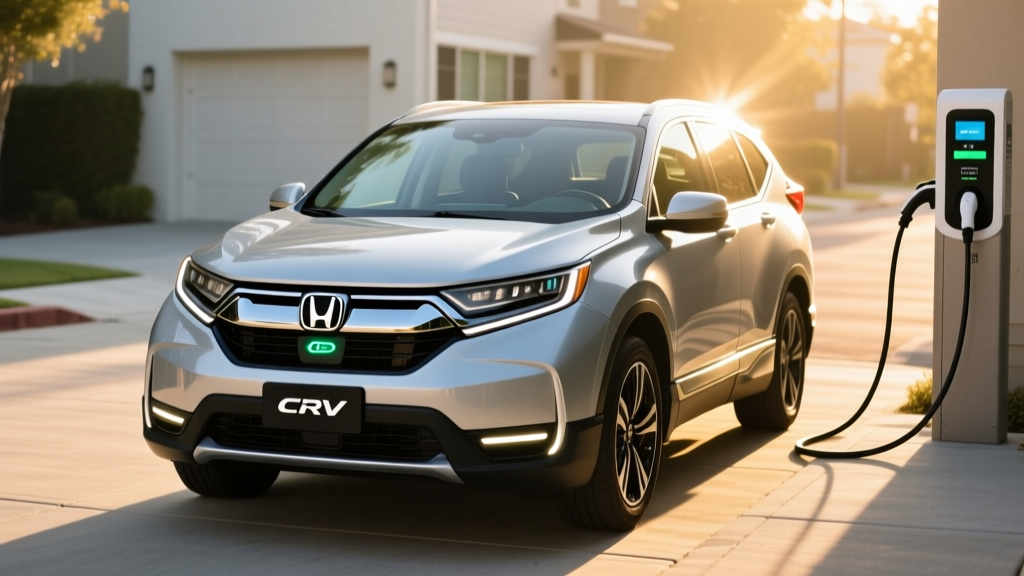
A standard hybrid like the 2026 Toyota Prius or Honda CR-V Hybrid has a small battery (typically 1–2 kWh) that recharges itself through regenerative braking and the gas engine. You never plug it in. It simply uses its electric motor to reduce the engine's workload, yielding significantly better fuel economy than a gas-only car — especially in stop-and-go city driving.
Plug-In Hybrid (PHEV)
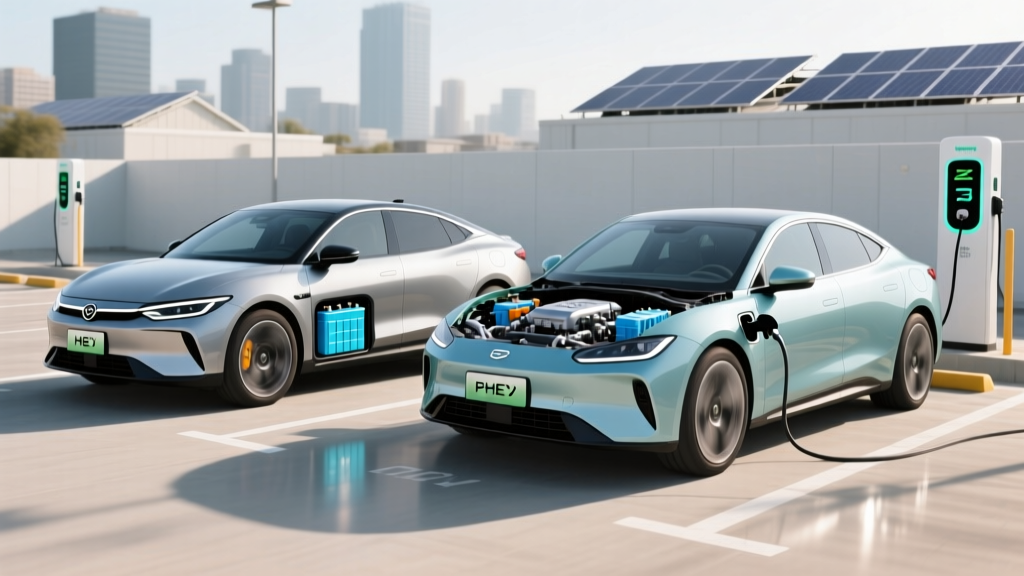
A plug-in hybrid like the 2026 Toyota RAV4 Prime or Chrysler Pacifica Hybrid carries a much larger battery (typically 13–22 kWh usable) and a more powerful electric motor. You plug it in to a Level 1 (120V) or Level 2 (240V) charger. It can drive 25–45 miles on electricity alone before the gas engine kicks in, functioning as a full EV for most daily commutes and a hybrid for longer road trips.
The confusion happens because automakers often market both types simply as "hybrid." Knowing the difference is the single most important thing you can learn before shopping.
HEV vs PHEV: Side-by-Side Comparison
Here's how conventional hybrids and plug-in hybrids compare across the metrics that matter most to buyers. We've used two popular 2026 models as representative examples: the Toyota Prius (HEV) and the Toyota RAV4 Prime (PHEV).
| Specification | 2026 Toyota Prius LE (HEV) | 2026 Toyota RAV4 Prime SE (PHEV) |
|---|---|---|
| Powertrain Type | Conventional Hybrid (HEV) | Plug-In Hybrid (PHEV) |
| Engine | 2.0L 4-cyl + electric motor | 2.5L 4-cyl + front/rear electric motors |
| Combined Horsepower | 196 hp | 302 hp |
| Battery Capacity (usable) | ~1.0 kWh (Li-ion) | ~14.9 kWh (Li-ion) |
| Plug-In Required? | No — self-charging | Yes — Level 1 or Level 2 |
| EPA Electric-Only Range | N/A (EV mode ~1 mi at low speed) | 42 miles |
| EPA Combined MPG (gas) | 57 MPG | 38 MPG (after battery depleted) |
| MPGe (electric + gas combined) | N/A | 94 MPGe |
| Total Range (full tank + full battery) | ~620 miles | ~600 miles |
| 0–60 mph | 7.2 seconds | 6.8 seconds |
| DC Fast Charging | No | No (Level 2 AC only) |
| Level 2 Charge Time (0–100%) | N/A | ~2.5 hours at 6.6 kW |
| Starting MSRP | $29,445 | $44,965 |
| Federal Tax Credit (§30D) | Not eligible | Up to $7,500 (see eligibility) |
| Hybrid Battery Warranty | 10 years / 150,000 miles | 10 years / 150,000 miles |
Sources: fueleconomy.gov, Toyota Motor Corporation 2026 specifications.
How Many MPG Does a Hybrid Get? Real Numbers
Fuel economy is the headline reason people buy hybrids. Here's how EPA ratings break down for several popular 2026 models across both HEV and PHEV categories:
| Model (2026) | Type | City MPG | Highway MPG | Combined MPG | Electric Range (PHEV) |
|---|---|---|---|---|---|
| Toyota Prius LE | HEV | 57 | 56 | 57 | N/A |
| Honda CR-V Hybrid Sport-L | HEV | 43 | 36 | 40 | N/A |
| Hyundai Tucson Hybrid SEL | HEV | 38 | 38 | 38 | N/A |
| Toyota RAV4 Prime SE | PHEV | 40 (gas) / 94 MPGe | 36 (gas) | 38 (gas) / 94 MPGe | 42 mi |
| Chrysler Pacifica Hybrid | PHEV | 30 (gas) / 82 MPGe | 31 (gas) | 30 (gas) / 82 MPGe | 32 mi |
| Jeep Wrangler 4xe Willys | PHEV | 20 (gas) / 49 MPGe | 20 (gas) | 20 (gas) / 49 MPGe | 22 mi |
Source: fueleconomy.gov — EPA estimates. Your actual mileage will vary.
Real-World MPG: Why Hybrids Often Beat the EPA in the City
Here's something that surprises first-time hybrid buyers: conventional hybrids frequently exceed their EPA city estimates in real-world driving. The EPA city test cycle includes frequent stops and low-speed driving — exactly where a hybrid's regenerative braking and electric motor assist shine most. Owners of the Prius LE routinely report 58–62 MPG in urban commuting.
Highway driving is a different story. At sustained 70–80 mph speeds, the electric motor contributes less and aerodynamic drag dominates. Expect highway MPG to land at or slightly below the EPA estimate. In cold weather (below 35°F), hybrid fuel economy drops 5–15% due to reduced battery efficiency, increased engine idling for cabin heat, and winter fuel blends.
For PHEVs, real-world electric range depends heavily on temperature and driving style. The RAV4 Prime's 42-mile EPA electric range may shrink to 30–35 miles in winter or at sustained highway speeds. But for a 20-mile round-trip commute in moderate weather, many PHEV owners go months without visiting a gas station.
PHEV Electric Range and Charging: What to Expect
If you're considering a PHEV, the electric-only range and charging logistics will define your daily experience. Here's the 2026 landscape:
Electric-only range across current PHEVs spans roughly 22–45 miles. That covers most American commutes — the U.S. Census Bureau reports the average one-way commute is about 16 miles. If your daily round trip falls within your PHEV's electric range and you charge at home, you'll drive on electricity most days.
Charging a PHEV is straightforward but slower than a full EV:
- Level 1 (120V standard outlet): Adds roughly 4–6 miles of range per hour. A full charge of a 15 kWh battery takes 8–12 hours — fine for overnight charging.
- Level 2 (240V home or public): Adds roughly 15–25 miles of range per hour. A full charge takes 2–3 hours at the typical PHEV onboard charger rate of 6.6 kW.
- DC Fast Charging: Most PHEVs do not support DC fast charging. The battery is too small to justify the added cost and weight of a DC inlet. The Mitsubishi Outlander PHEV is a rare exception, supporting CHAdeMO DC charging at up to 22 kW.
A critical note on kW vs kWh: kW (kilowatts) measures power — how fast energy flows into the battery. kWh (kilowatt-hours) measures energy capacity — how much the battery holds. A 15 kWh battery charged at 6.6 kW takes roughly 2.3 hours (15 ÷ 6.6 ≈ 2.3). This distinction matters when comparing charge speeds across vehicles.
Tax Credits and Pricing: What Hybrids Actually Cost
The pricing gap between HEVs, PHEVs, and full EVs shapes the purchase decision more than any spec sheet:
Conventional hybrids (HEVs) carry a modest premium over their gas-only siblings — typically $1,000–$3,000 — but do not qualify for the federal §30D EV tax credit because they cannot be plugged in. Some states offer small rebates for high-efficiency vehicles, but these vary widely.
Plug-in hybrids (PHEVs) may qualify for the federal §30D Clean Vehicle Credit, but eligibility is complex and model-dependent. Under current IRS rules, the key requirements include:
- Battery capacity: At least 7 kWh (most PHEVs qualify)
- MSRP caps: Vans/SUVs/pickups ≤ $80,000; sedans ≤ $55,000
- Buyer income caps: AGI ≤ $150,000 (single), $225,000 (head of household), $300,000 (joint)
- Battery component sourcing: Increasing percentages of components must be manufactured or assembled in North America (phased thresholds by model year)
- Critical minerals: Increasing percentages must be sourced from the U.S. or free-trade-agreement partners
- Point-of-sale transfer: Eligible buyers can transfer the credit to the dealer for an immediate price reduction
Important caveat: Battery sourcing requirements tighten each year. A PHEV that qualified for the full $7,500 credit in 2024 may qualify for only $3,750 or nothing in 2026 depending on its supply chain. Always verify current eligibility on the fueleconomy.gov tax credit database before purchasing. Consult a tax professional for your specific situation.
Hybrid Battery Reliability and Replacement Costs
Hybrid Battery Warranty: The Industry Standard
Nearly every automaker covers hybrid and PHEV battery packs for at least 8 years / 100,000 miles. Toyota, Hyundai, and Kia extend this to 10 years / 150,000 miles in many states. California-emissions-standard states often mandate 10 years / 150,000 miles by law. If the battery drops below a defined capacity threshold (typically 60–70% of original), the manufacturer replaces it at no cost during the warranty period.
Hybrid battery reliability has proven excellent over two decades of real-world use. The Toyota Prius, now in its sixth generation, has accumulated billions of collective miles with a well-documented battery failure rate well below 5% during the warranty period. PHEV batteries face more charge cycles due to daily depletion and recharge, but their larger thermal management systems and buffer zones (the car never uses 100% of the battery) protect longevity.
What Does Replacement Cost Out of Warranty?
If your hybrid battery fails after the warranty expires — typically at 12–15+ years of age — here's what to expect:
- Conventional hybrid (HEV): $2,000–$4,000 for a replacement pack (e.g., Prius, Camry Hybrid)
- Plug-in hybrid (PHEV): $4,000–$8,000+ depending on battery size (e.g., RAV4 Prime, Pacifica Hybrid)
- Refurbished/remanufactured options: Often available for 40–60% less than new OEM packs
For context, a conventional gas car's transmission replacement can cost $3,000–$7,000, and most vehicles need at least one during a 200,000-mile lifespan. Hybrid battery replacement costs are comparable and often lower — and the battery is far more likely to outlast the vehicle's useful economic life.
Hybrid vs PHEV vs EV: Which One Fits You?
This is the decision that actually matters. Here's a practical framework:
Choose a Conventional Hybrid (HEV) If:
- You cannot charge at home (apartment, street parking, no garage)
- You want maximum MPG with zero behavior change
- Your budget is under $35,000
- You drive a mix of city and highway with no predictable daily mileage
- You want proven long-term reliability with minimal complexity
Choose a Plug-In Hybrid (PHEV) If:
- You can install a Level 2 charger at home (240V, ideally in a garage or driveway)
- Your daily round-trip commute is under 40 miles
- You want EV-like daily driving but need gas-engine flexibility for road trips
- You want to reduce gas consumption by 60–80% without range anxiety
- You qualify for the §30D tax credit, narrowing the price gap with HEVs
Choose a Full EV (BEV) If:
- You can charge at home and your daily driving is under 250 miles
- You want zero tailpipe emissions and the lowest per-mile fuel cost
- You want minimal maintenance (no oil changes, no spark plugs, no exhaust system)
- You're comfortable planning road trips around DC fast-charging stops
- You want the full $7,500 federal credit on eligible models
There's no universally "best" option — only the best option for your specific housing situation, commute pattern, budget, and risk tolerance.
Pros and Cons: HEVs vs PHEVs at a Glance
Conventional Hybrid (HEV) — Pros
- No plug-in needed — works with your existing routine
- 50–57 MPG combined in top models (Prius, Camry Hybrid)
- Lower purchase price ($25K–$38K typical range)
- Proven 20+ year reliability track record
- Excellent city MPG — often beats EPA estimates
- No charging infrastructure investment required
Conventional Hybrid (HEV) — Cons
- No electric-only driving (except trivial low-speed EV mode)
- No federal tax credit eligibility
- Still 100% dependent on gasoline
- Higher emissions than PHEV or EV
Plug-In Hybrid (PHEV) — Pros
- 22–45 miles of electric-only driving covers most commutes
- Gas engine eliminates range anxiety on road trips
- May qualify for up to $7,500 federal tax credit
- 60–80% less gasoline used vs. a comparable gas car
- Stronger performance (electric torque + gas power combined)
- Functions as a normal hybrid when battery is depleted
Plug-In Hybrid (PHEV) — Cons
- Requires home charging setup ($500–$2,000 Level 2 install)
- Higher purchase price ($40K–$55K typical range)
- Heavier than HEV — lower MPG once battery is depleted
- Most PHEVs lack DC fast charging
- Tax credit eligibility is model- and year-dependent
- Two powertrains to maintain long-term
Frequently Asked Questions
Do hybrid cars need to be plugged in?
Conventional hybrids (HEVs) like the Prius or CR-V Hybrid never need to be plugged in. They recharge their small battery through regenerative braking and the gas engine. Plug-in hybrids (PHEVs) like the RAV4 Prime do need to be plugged in to take advantage of their electric-only range, though they'll still function as a regular hybrid if you never charge them — just with worse fuel economy.
How long do hybrid batteries last?
Modern hybrid batteries routinely last 150,000–200,000+ miles and 12–15+ years. Toyota's hybrid battery warranty covers 10 years / 150,000 miles. Real-world data from taxi fleets and high-mileage owners shows many Prius batteries lasting well beyond 200,000 miles with minimal degradation.
Is a PHEV worth it if I can't charge at home?
Generally, no. Without regular charging, a PHEV operates as a heavier, less efficient conventional hybrid once its small electric range is depleted. You'll pay a premium for the larger battery and electric motor you're not using. If you can't charge at home, a conventional HEV is the smarter buy.
What's the difference between MPGe and MPG?
MPG (miles per gallon) measures how far a car travels on one gallon of gasoline. MPGe (miles per gallon equivalent) is the EPA's way of comparing electric driving efficiency to gasoline on an energy-equivalent basis — 33.7 kWh of electricity equals one gallon of gasoline. A PHEV rated at 94 MPGe uses electricity very efficiently during its electric-only phase, but once the battery depletes, you'll see its standard MPG rating (often 30–38 combined).
Can I get a tax credit on a conventional hybrid?
No. The federal §30D Clean Vehicle Credit requires the vehicle to have a battery of at least 7 kWh and be capable of plug-in charging. Conventional hybrids (HEVs) have batteries of 1–2 kWh and no plug, so they do not qualify. Some states offer separate incentives for high-efficiency vehicles — check your state's energy office or the Alternative Fuels Data Center for local programs.
Are hybrids more expensive to maintain than gas cars?
No — studies and owner data consistently show hybrids cost the same or less to maintain than conventional gas cars. Regenerative braking reduces brake pad wear (many Prius owners report 80,000+ miles on original brake pads). The engine runs less, reducing oil contamination. The hybrid system itself has no routine maintenance items. The only potential added cost is out-of-warranty battery replacement, which is comparable to a gas car's transmission replacement.