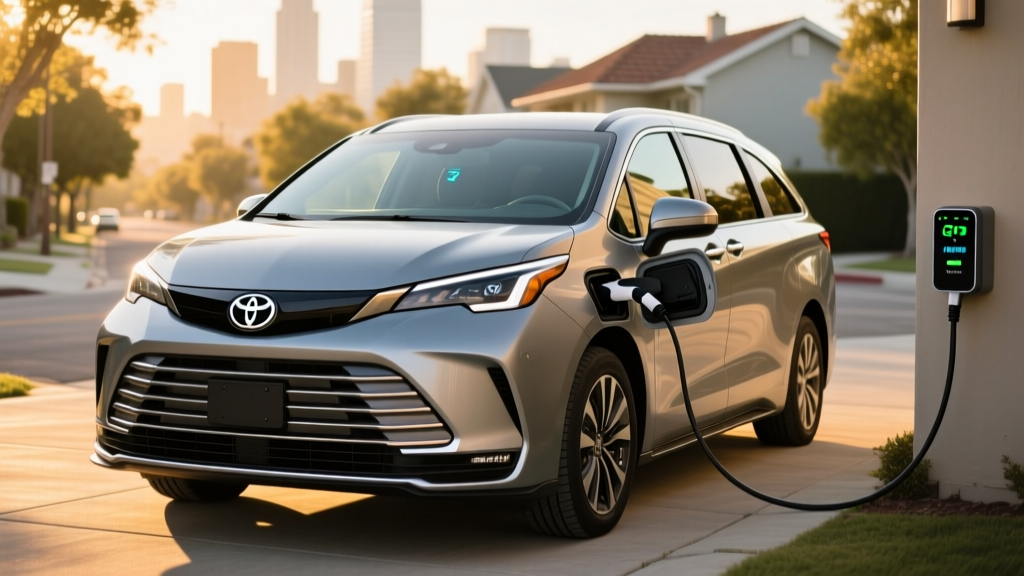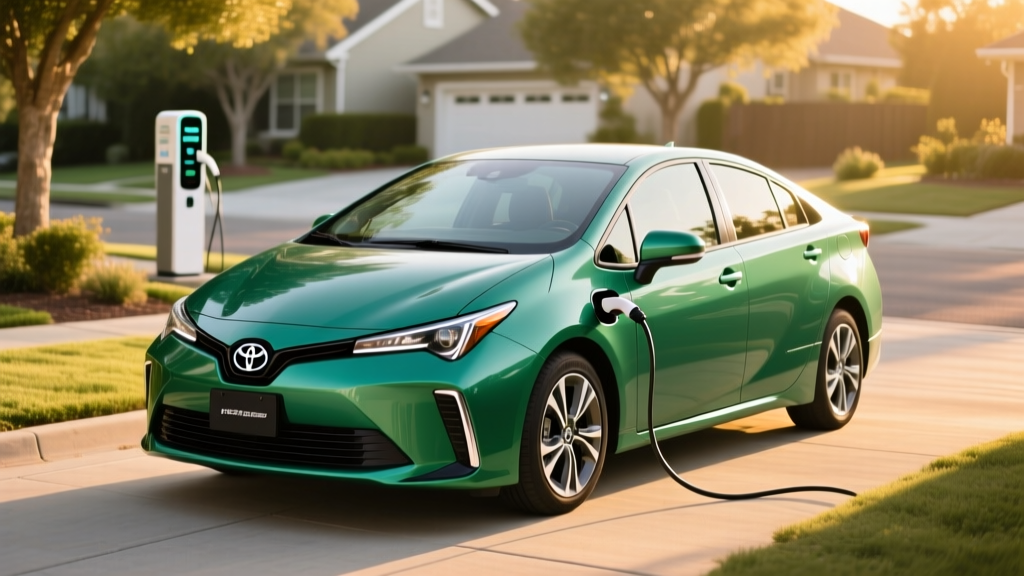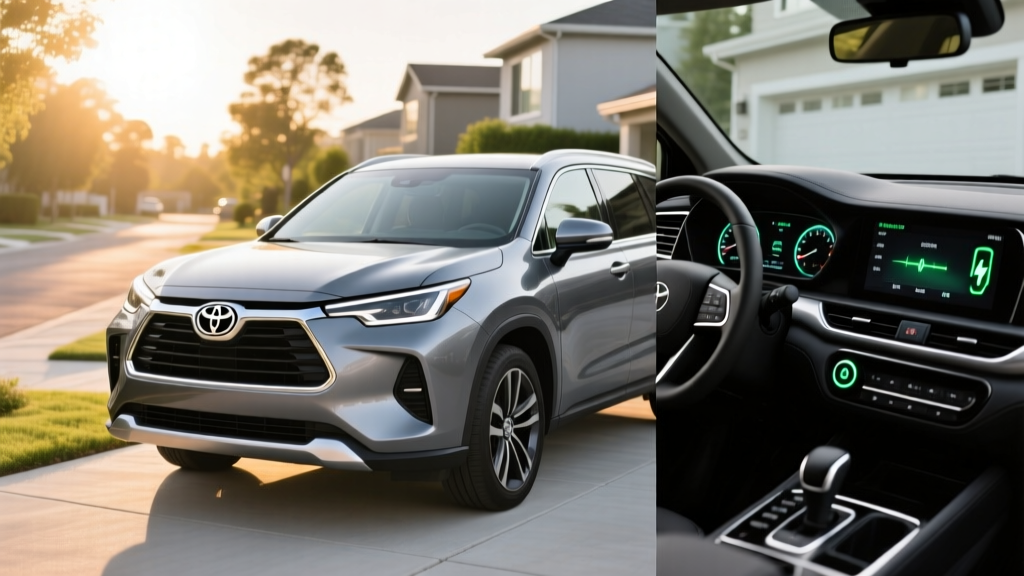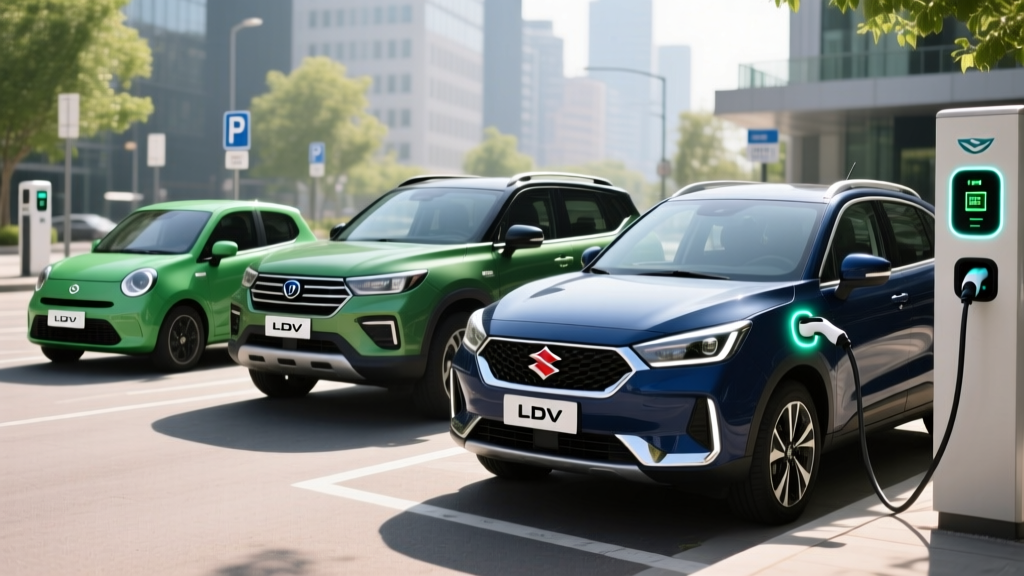
If you've been searching for Suzuki LDV hybrid electric vehicle types, you're likely navigating a fragmented landscape. As of the 2026 model year, Suzuki does not sell new passenger vehicles in the United States (the brand exited the U.S. auto market in 2012), and LDV — the British-origin commercial van manufacturer now owned by China's SAIC Motor — focuses primarily on battery-electric and diesel light-commercial vehicles rather than consumer hybrids. However, both brands maintain significant hybrid and electrified presences in international markets including the UK, Australia, India (via Maruti Suzuki), and Southeast Asia.
This guide breaks down exactly what Suzuki and LDV offer in the hybrid and electrified space globally, clarifies HEV vs. PHEV technology, and helps you determine whether these platforms — or their closest U.S.-available equivalents — fit your needs.
Understanding the HEV vs. PHEV Divide
Before examining specific models, it's critical to distinguish the two hybrid architectures, because they serve fundamentally different use cases and have different cost profiles.
Conventional Hybrid (HEV)
A standard hybrid pairs a gasoline engine with a small electric motor and a compact battery (typically 1–2 kWh). The battery recharges via regenerative braking and the engine — you never plug it in. The electric motor assists during acceleration and enables brief low-speed electric-only driving. HEVs prioritize fuel economy improvement without lifestyle change.
Plug-In Hybrid (PHEV)
A PHEV uses a larger battery (typically 10–25 kWh) that you plug in to charge — at home via Level 1 (120V) or Level 2 (240V), or at public chargers. PHEVs deliver 20–50 miles of electric-only range before the gasoline engine engages. Once the battery depletes, they operate as conventional hybrids. PHEVs suit drivers with home charging who want electric commuting with gas-engine flexibility for longer trips.
Suzuki's Global Hybrid Lineup: Mild Hybrid and Strong Hybrid
Through its global operations and the Maruti Suzuki partnership in India, Suzuki offers several hybrid technologies as of 2026. None are currently sold in the U.S., but understanding them matters if you're comparing global platforms, considering imports, or tracking Suzuki's technology direction.
Suzuki Smart Hybrid (SHVS) — Mild Hybrid
Suzuki's most common electrified system is the Smart Hybrid Vehicle by Suzuki (SHVS), a mild-hybrid architecture. This system uses a small integrated starter-generator (ISG) and a modest lithium-ion battery to assist the engine during acceleration and enable idle stop-start. It cannot drive the vehicle on electric power alone.
Available on models like the Suzuki Swift, Vitara, and S-Cross in European and Asian markets, SHVS delivers modest fuel economy gains — typically 5–10% improvement over the equivalent non-hybrid — without added complexity or plug-in infrastructure.
Suzuki Strong Hybrid (Full HEV)
Suzuki's full hybrid system, marketed in select markets on the S-Cross Hybrid and Vitara Hybrid, pairs a 1.5L gasoline engine with a more powerful electric motor and a larger battery. These are true self-charging hybrids (HEVs) — no plug required — and can operate in electric-only mode at low speeds for short distances.
| Attribute | Suzuki S-Cross Strong Hybrid (Global) | Suzuki Vitara Strong Hybrid (Global) |
|---|---|---|
| Powertrain | 1.5L I4 + electric motor | 1.5L I4 + electric motor |
| Combined Output | ~115 hp | ~115 hp |
| Hybrid Type | Full HEV (no plug) | Full HEV (no plug) |
| Battery | ~1.0 kWh lithium-ion | ~1.0 kWh lithium-ion |
| EPA-Equiv. MPG (WLTP) | ~50–55 MPG combined (WLTP) | ~50–54 MPG combined (WLTP) |
| Electric-Only Capability | Low-speed, short distance | Low-speed, short distance |
| Plug-In Required | No | No |
Note: WLTP figures tend to run 10–15% higher than EPA estimates. If these models were EPA-certified, expect combined MPG in the mid-to-high 40s.
LDV's Electrified Strategy: Electric Vans, Not Hybrids
LDV (owned by SAIC Motor) has taken a notably different path. Rather than investing in hybrid technology for its commercial van lineup, LDV has focused on full battery-electric vehicles (BEVs) and conventional diesel powertrains. As of 2026, LDV does not offer a hybrid or plug-in hybrid variant in its core markets.
LDV eDeliver Range (Battery Electric)
LDV's electrified lineup centers on the eDeliver 3, eDeliver 7, and eDeliver 9 — all fully electric commercial vans with no gasoline backup. These compete directly with vehicles like the Ford E-Transit and Mercedes-Benz eSprinter.
| Model | Battery (kWh) | WLTP Range | DC Fast Charge (peak kW) | Approx. Price (UK) |
|---|---|---|---|---|
| eDeliver 3 | 50–65 kWh | ~150–205 mi | ~80 kW | £32,000–£38,000 |
| eDeliver 7 | 77–100 kWh | ~190–250 mi | ~100 kW | £45,000–£55,000 |
| eDeliver 9 | 77–100 kWh | ~180–240 mi | ~100 kW | £50,000–£62,000 |
For fleet operators who specifically need a hybrid commercial van — one that offers electric driving in city centers with diesel range for intercity routes — LDV does not currently fill that niche. Competitors like the Ford Transit PHEV (available in Europe) or the Toyota Proace City Electric offer alternative approaches.
Real-World MPG and Range: What the Numbers Actually Mean
For Suzuki's full hybrids (S-Cross, Vitara), real-world fuel economy depends heavily on driving conditions:
Real-World MPG Expectations — Suzuki Strong Hybrid (HEV)
WLTP Combined: ~50–55 MPG
Expected Real-World (mixed driving): 42–48 MPG
City-Heavy Driving: Hybrids often exceed their combined rating in stop-and-go traffic, where regenerative braking and electric assist work hardest. Expect 45–52 MPG in dense urban use.
Highway-Only (70+ mph): 38–43 MPG — the engine does most of the work at sustained speed.
Source: WLTP data from Suzuki global press materials; real-world estimates based on aggregated owner reports from European and Australian markets.
For LDV's eDeliver vans, real-world range falls notably short of WLTP figures when carrying full payloads or operating in cold weather. Expect a 20–30% range reduction under heavy load or in temperatures below 40°F — a common characteristic of all battery-electric commercial vehicles.
Pricing, Tax Credits, and U.S. Availability
Here's where the picture sharpens for U.S.-based readers:
- Suzuki: Does not sell new vehicles in the United States. No federal or state tax credits apply. If you're in the U.S., the closest equivalent to a Suzuki strong hybrid is the Toyota Corolla Cross Hybrid (EPA 42 MPG combined) or the Honda CR-V Hybrid (EPA 40 MPG combined).
- LDV: Does not sell vehicles in the United States. The closest U.S.-market equivalent to the eDeliver lineup is the Ford E-Transit or the BrightDrop Zevo 600.
Federal Tax Credit Context (§30D)
Under current IRS §30D rules, new plug-in hybrids (PHEVs) with sufficient battery capacity (≥7 kWh) and meeting critical-mineral and battery-component sourcing requirements can qualify for up to $7,500 in federal tax credits, subject to:
- MSRP caps: $80,000 for vans/SUVs/pickups; $55,000 for sedans
- Buyer income limits: $300,000 joint / $225,000 head of household / $150,000 single
- Battery sourcing and critical mineral requirements (phasing in through 2030)
- Point-of-sale transfer option available at participating dealers
Conventional hybrids (HEVs) do not qualify for the §30D credit. Neither Suzuki nor LDV vehicles are eligible regardless, as neither brand sells in the U.S. Consult a tax professional for your specific situation.
Battery Warranty, Reliability, and Replacement Costs
Hybrid battery longevity remains a top concern for buyers. Here's what the data shows:
| Factor | Suzuki Strong Hybrid (HEV) | LDV eDeliver (BEV) |
|---|---|---|
| Hybrid/EV Battery Warranty | 8 years / 100,000 mi (global standard) | 8 years / 100,000 mi (typical) |
| Capacity Retention Guarantee | Not typically specified for HEV | ~70% SoH at warranty end |
| Battery Chemistry | Lithium-ion (small capacity) | NMC lithium-ion |
| Estimated Replacement Cost | $1,500–$3,000 (small battery) | $10,000–$18,000 (large pack) |
| Real-World Degradation | Minimal — small batteries cycle less | ~10–15% over 8 years (typical) |
Suzuki's hybrid batteries are small (around 1 kWh), meaning they experience shallow charge-discharge cycles that put far less stress on cells compared to a full EV or PHEV battery. Failure rates for modern hybrid batteries from major manufacturers remain low — typically under 5% within the warranty period. When failures do occur, individual cell modules can sometimes be replaced rather than the entire pack, reducing cost.
LDV's larger traction batteries follow the industry-standard 8-year/100,000-mile warranty with a ~70% state-of-health (SoH) retention threshold. Fleet operators report typical degradation of 2–3% per year under normal use, though DC fast-charging frequency and ambient temperature significantly affect longevity.
Who Should Choose Suzuki/LDV Hybrids — and Who Shouldn't
Suzuki HEV Makes Sense If:
- You live outside the U.S. (Europe, India, Australia, Southeast Asia)
- You want better fuel economy without changing your driving or charging habits
- You don't have access to home or workplace charging
- You want a lower purchase price than a PHEV or BEV
- You drive primarily in city or mixed conditions where hybrids excel
Look Elsewhere If:
- You're a U.S.-based buyer (Suzuki/LDV not available)
- You want meaningful electric-only range (PHEV or BEV territory)
- You want to qualify for federal EV/PHEV tax credits (§30D)
- You need a commercial van with hybrid flexibility (LDV is EV-only or diesel)
- You want the lowest per-mile fuel cost — a BEV charged at home beats any hybrid
Hybrid vs. PHEV vs. Full EV: Which Fits Your Situation?
Whether you're evaluating Suzuki and LDV specifically or comparing the broader categories, here's a practical decision framework:
Choose a Conventional Hybrid (HEV) If:
You lack reliable charging access, want zero lifestyle change, drive 10,000–15,000 miles/year, and prioritize lower upfront cost over maximum fuel savings. Best for apartment dwellers and street parkers.
Choose a Plug-In Hybrid (PHEV) If:
You can charge at home (Level 1 or 2), your daily commute is under 30–40 miles, but you regularly take longer trips where pure electric range would be limiting. PHEVs offer the best of both worlds — but only if you actually plug them in. A PHEV driven without charging is just a heavy, less-efficient hybrid.
Choose a Full EV (BEV) If:
You have home charging, your daily driving is within the vehicle's real-world range (EPA minus ~15% for highway/cold-weather buffer), and you want the lowest per-mile operating cost. BEVs have fewer moving parts, no oil changes, and — with home solar — the potential for near-zero fuel cost.
U.S.-Market Alternatives to Suzuki and LDV Hybrids
If you're a U.S. reader drawn to the concept behind Suzuki's compact hybrids or LDV's electric vans, here are the closest domestic-market equivalents with current 2026 specs:
| Vehicle | Type | EPA MPG / Range | Starting MSRP | §30D Credit Eligible |
|---|---|---|---|---|
| Toyota Corolla Cross Hybrid | HEV | 42 MPG combined | ~$29,500 | No (HEV) |
| Honda CR-V Hybrid | HEV | 40 MPG combined | ~$35,000 | No (HEV) |
| Toyota RAV4 Prime | PHEV | 42 mi EV + 38 MPG | ~$44,500 | Up to $7,500* |
| Ford Escape PHEV | PHEV | 37 mi EV + 40 MPG | ~$40,000 | Up to $7,500* |
| Ford E-Transit | BEV Van | ~126 mi EPA range | ~$55,000 | Up to $7,500* |
* §30D eligibility depends on MSRP caps, buyer income, battery sourcing requirements, and point-of-sale dealer participation. Verify at IRS.gov before purchasing.
Frequently Asked Questions
Does Suzuki make a plug-in hybrid (PHEV)?
As of the 2026 model year, Suzuki does not offer a plug-in hybrid in any major market. Their electrified lineup consists of mild hybrids (SHVS) and full hybrids (Strong Hybrid), both of which are self-charging — no plug required. Suzuki's global strategy has focused on affordable mild and full hybrid systems rather than the larger, more expensive battery packs that PHEVs require.
Does LDV make a hybrid van?
No. LDV's electrified strategy centers on fully battery-electric vans (the eDeliver series). Their non-electric lineup uses conventional diesel engines. LDV does not currently offer any hybrid or plug-in hybrid variant. If you need a hybrid commercial van in Europe, the Ford Transit Custom PHEV is the closest competitor.
Can I buy a Suzuki or LDV hybrid in the United States?
No. Suzuki ceased U.S. vehicle sales in 2012, and LDV has never entered the U.S. market. American buyers seeking similar vehicles should look at the Toyota Corolla Cross Hybrid, Honda CR-V Hybrid (for compact SUV hybrids), or the Ford E-Transit (for electric commercial vans).
How long do Suzuki hybrid batteries last?
Suzuki warranties its hybrid batteries for 8 years or 100,000 miles in most global markets. Because Suzuki's hybrid batteries are small (~1 kWh) and experience shallow charge cycles, real-world degradation is minimal. Industry data from comparable hybrid systems (Toyota, Honda) shows failure rates under 5% within the warranty period, and many hybrid batteries last 150,000–200,000+ miles before significant capacity loss.
What does it cost to replace a Suzuki hybrid battery?
Replacement costs for Suzuki's small hybrid batteries are relatively modest compared to full EV packs: typically $1,500–$3,000 for the complete pack, and potentially less if individual cell modules can be serviced. This is a fraction of the $10,000–$20,000+ replacement cost for a large BEV battery.
Are LDV electric vans reliable for commercial fleet use?
LDV's eDeliver vans have been in service since 2020 and are used by fleets across the UK and Europe. Reliability data is still maturing compared to legacy commercial-vehicle manufacturers. Common fleet feedback cites adequate reliability for urban delivery routes but notes that real-world range under full payload can fall 25–30% below WLTP claims. The 8-year battery warranty provides some protection against early degradation.
Is a hybrid cheaper to run than a full EV?
It depends on your charging access and electricity cost. A conventional hybrid (HEV) like the Suzuki Strong Hybrid costs roughly $0.10–$0.14 per mile in fuel (at $3.50/gallon and 45 MPG). A full EV charged at home at $0.13/kWh and consuming 3 miles/kWh costs roughly $0.04–$0.05 per mile. However, the EV requires home charging infrastructure and has a higher upfront purchase price. For drivers without home charging, a hybrid's convenience and lower purchase price often make it the more practical choice.
Bottom line: Suzuki offers capable, affordable hybrid technology in international markets, and LDV has committed to full electrification for its commercial fleet. Neither brand is available in the U.S., but their technology choices — Suzuki's efficient small-battery HEVs and LDV's BEV-only commercial approach — reflect two valid strategies in the broader transition away from pure internal combustion. For U.S. buyers, the closest equivalents come from Toyota, Honda, and Ford, with PHEV options offering the best bridge between electric daily driving and gasoline flexibility.