The Great Hybrid Drivetrain Showdown: Series vs. Parallel vs. Series-Parallel
When shopping for a hybrid vehicle, most buyers focus on fuel economy estimates and cargo space. However, the true differentiator lies beneath the hood. The term "hybrid" is a broad umbrella, and the specific drivetrain architecture dictates everything from your daily driving experience to long-term maintenance costs and highway efficiency. According to the Alternative Fuels Data Center, hybrid electric vehicles (HEVs) combine an internal combustion engine with one or more electric motors, but how they combine them creates vastly different machines.
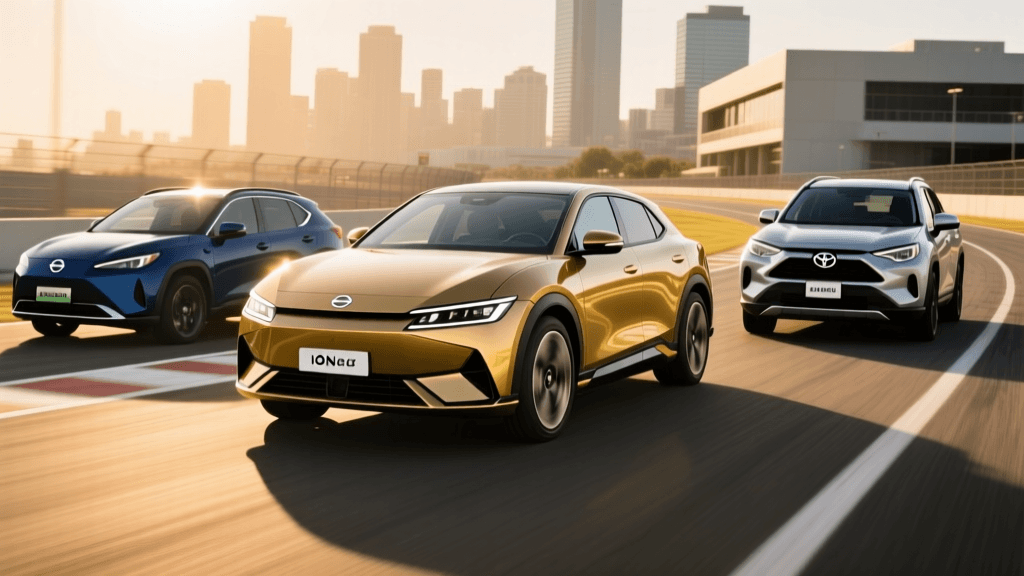
To cut through the engineering jargon, we are putting the three primary hybrid architectures head-to-head. We have selected three popular, real-world vehicles that perfectly represent each camp: the Nissan X-Trail e-POWER (Series), the Hyundai Sonata Hybrid (Parallel), and the Toyota RAV4 Hybrid (Series-Parallel). Let the showdown begin.
Contender 1: The Series Hybrid (Nissan X-Trail e-POWER)
In a pure series hybrid system, the internal combustion engine has absolutely no physical connection to the drive wheels. Instead, the engine acts solely as an onboard generator, producing electricity to feed the electric motor that actually turns the wheels or to recharge the small battery buffer. The Nissan X-Trail e-POWER is the premier modern example of this architecture.
Nissan utilizes a highly advanced 1.5-liter VC-Turbo three-cylinder engine that generates electricity for a massive 174 kW (233 horsepower) front electric motor (or dual motors for AWD). Because the wheels are always driven by electricity, the driving experience is indistinguishable from a pure battery-electric vehicle (BEV). You get instant, linear torque off the line, one-pedal driving capabilities, and zero transmission shift shock.
Pros:
- Smooth, silent, EV-like driving dynamics.
- Engine can operate at its absolute most efficient RPM range since it is decoupled from vehicle speed.
- No complex multi-speed transmission required, reducing certain mechanical failure points.
Cons:
- Highway fuel economy suffers. Converting mechanical energy (engine) to electrical energy, and then back to mechanical energy (motor) at high, sustained speeds results in parasitic energy loss.
- Engine noise can feel disconnected from vehicle acceleration, which some drivers find unnatural during hard passing maneuvers.
Contender 2: The Parallel Hybrid (Hyundai Sonata Hybrid)
In a parallel hybrid system, both the internal combustion engine and the electric motor are mechanically connected to the transmission and can drive the wheels independently or together. The Hyundai Sonata Hybrid champions this approach, pairing a 2.0-liter Smartstream GDI engine with a 39 kW electric motor situated inside a traditional 6-speed automatic transmission.
Unlike the e-CVTs found in many competitors, Hyundai uses a real geared transmission with Hyundai’s Active Shift Control (ASC) technology. This means the Sonata Hybrid drives exactly like a conventional gas car. When cruising at 75 mph, the engine locks directly to the wheels, providing highly efficient, unadulterated mechanical power without the energy conversion losses seen in series hybrids.
Pros:
- Superior highway fuel efficiency due to direct mechanical coupling.
- Familiar, engaging driving dynamics with distinct, predictable gear shifts.
- Lighter and generally less expensive to manufacture than complex power-split systems.
Cons:
- City driving and stop-and-go traffic are less seamless; you can feel the transmission hunting for gears and the engine engaging/disengaging.
- Lacks the low-end, tire-shredding electric torque punch of a series or series-parallel setup.
Contender 3: The Series-Parallel Hybrid (Toyota RAV4 Hybrid)
The series-parallel (or "power-split") architecture is the gold standard of the hybrid world, dominating global sales. As detailed by FuelEconomy.gov, this system uses a planetary gearset to seamlessly blend power from the gas engine and electric motors. The Toyota RAV4 Hybrid utilizes the renowned Toyota Hybrid System (THS), featuring a 2.5-liter Dynamic Force engine and two motor-generators (MG1 and MG2).
This setup is a masterclass in compromise. At low speeds, it operates as a pure EV or a series hybrid. Under heavy acceleration or highway cruising, the planetary gearset acts as an e-CVT, allowing the engine and electric motor to drive the wheels simultaneously in parallel. The computer constantly calculates the most efficient power split hundreds of times per second.
Pros:
- Incredible versatility; excels in both city stop-and-go traffic and suburban cruising.
- No traditional transmission means no shift shock and fewer moving parts to break.
- Industry-leading reliability and proven battery longevity.
Cons:
- The "rubber-band" effect: under hard acceleration, engine RPMs surge and drone at a high, constant pitch that doesn't always match the vehicle's increasing road speed.
- Towing capacity and heavy-load performance are limited by the e-CVT's torque characteristics.
Head-to-Head Comparison Matrix
| Feature | Series (Nissan e-POWER) | Parallel (Hyundai Sonata) | Series-Parallel (Toyota RAV4) |
|---|---|---|---|
| Primary Power Source | Electric Motor Only | Engine & Motor (via Gears) | Engine & Motor (via Planetary Gearset) |
| Transmission Type | Single-Speed Reduction | 6-Speed Automatic | e-CVT (Power Split Device) |
| Best Environment | City / Suburban EV Feel | Highway / Long-Distance | Mixed Commute / Versatile |
| City Fuel Economy | Excellent | Good | Outstanding |
| Highway Fuel Economy | Average (Conversion Loss) | Excellent (Direct Drive) | Very Good |
| Driving Feel | Smooth, Linear, EV-like | Traditional, Geared, Sporty | Seamless, but Droning under Load |
Real-World Buying Advice: Which Architecture Wins?
Choosing the right hybrid isn't about finding the objectively "best" engineering solution; it is about matching the drivetrain to your specific daily routine.
1. The Urban Commuter & EV Enthusiast: Choose Series (Nissan e-POWER)
If your daily drive consists of heavy traffic, school drop-offs, and speeds under 50 mph, a series hybrid like the Nissan e-POWER system is unmatched. You get the quiet, instant-torque refinement of an EV without the anxiety of finding a charger. Furthermore, because the engine only acts as a generator, it runs in its optimal efficiency band, keeping city MPG exceptionally high. Just be prepared for slightly higher fuel consumption on weekend highway road trips.
2. The Highway Warrior & Traditionalist: Choose Parallel (Hyundai Sonata Hybrid)
If you commute 60 miles a day on the interstate, or frequently take long road trips, the parallel architecture is your champion. At 75 mph, the Hyundai Sonata Hybrid's engine is mechanically locked to the wheels, bypassing the energy conversion losses that plague series and series-parallel systems at high speeds. Additionally, if you hate the "slipping clutch" drone of an e-CVT and prefer the rhythmic, engaging feel of traditional gear shifts, the parallel setup will make you the happiest.
3. The Jack-of-All-Trades Family Driver: Choose Series-Parallel (Toyota RAV4 Hybrid)
For the vast majority of buyers who need a vehicle that can handle school runs, grocery trips, and occasional highway cruising, the series-parallel system remains the undisputed king of versatility. Toyota’s THS system in the RAV4 seamlessly transitions between EV, series, and parallel modes without driver intervention. The U.S. Department of Energy notes that these power-split systems remain a crucial bridge technology for consumers not yet ready for full EVs, offering massive fuel savings with zero compromises on utility or range.
The Verdict
In this head-to-head showdown, there is no single loser, only specialized tools for different jobs. The Nissan e-POWER wins the refinement and city-driving crown, delivering an EV experience without the plug. The Hyundai Sonata Hybrid takes the trophy for highway efficiency and driving engagement, proving that traditional transmissions still have a place in the electrified era. However, the Toyota RAV4 Hybrid and its series-parallel architecture remain the overall market champion for a reason: it offers the most balanced, foolproof, and reliable blend of efficiency for the unpredictable realities of everyday life.