The Science of Cold Weather Battery Performance
Owning a Plug-in Hybrid Electric Vehicle (PHEV) or a traditional hybrid offers the best of both worlds: electric efficiency for daily commutes and gas-powered freedom for road trips. However, when the thermometer drops below freezing, the laws of electrochemistry fundamentally alter your vehicle's performance. Lithium-ion batteries rely on chemical reactions to store and discharge energy. In cold temperatures, the electrolyte inside the battery cells becomes more viscous, increasing internal resistance. This means the battery cannot discharge power as quickly, and it cannot accept a regenerative braking charge as efficiently.
According to the U.S. Department of Energy, cold weather impacts all electrified vehicles, but PHEVs are uniquely affected because their relatively small battery packs (typically 12 to 20 kWh) are asked to do the same heavy lifting—like powering cabin heaters and moving 4,500-pound vehicles—as much larger EV batteries, but with far less reserve capacity. Understanding these limitations is the first step toward mastering winter hybrid efficiency.
Real-World PHEV Range Loss in Freezing Temperatures
To set realistic expectations, we must look at how popular PHEV models perform when the temperature hovers around 20°F (-6°C). The internal combustion engine (ICE) will frequently kick on to preserve battery health and provide cabin heat, drastically reducing your zero-emission miles.
| PHEV Model | EPA EV Range | Est. Winter Range (20°F) | Primary Winter Limitation |
|---|---|---|---|
| Toyota RAV4 Prime | 42 miles | 28-32 miles | Cabin HVAC draw & AWD traction demands |
| Chrysler Pacifica Hybrid | 32 miles | 20-24 miles | Heavy vehicle mass & high heating requirements |
| Hyundai Tucson PHEV | 33 miles | 22-26 miles | Battery thermal management & rolling resistance |
A comprehensive fleet and battery study by Geotab revealed that electrified vehicles can lose anywhere from 15% to 30% of their optimal range in freezing conditions, primarily due to the energy required to keep the battery at an operating temperature and to heat the cabin. For a PHEV with a baseline of 35 miles of range, a 30% drop leaves you with roughly 24 miles of electric driving before the gas engine fires up.
Expert Tips to Maximize Winter Range and Efficiency
While you cannot change the weather, you can change how your vehicle interacts with it. Here are the best practices used by hybrid experts and hypermilers to reclaim lost winter range.
1. Master the Art of Preconditioning
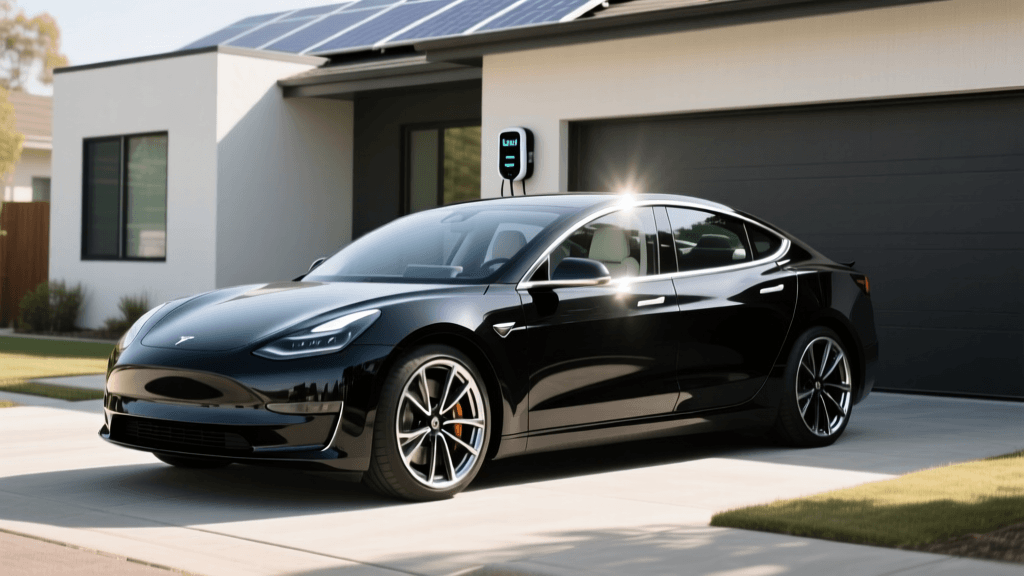
Preconditioning is the single most effective habit for winter PHEV owners. By using your vehicle's companion app (such as the Toyota App or Uconnect) or the infotainment timer to warm the cabin and battery while the car is still plugged into your Level 2 home charger, you draw electricity from the grid rather than your battery pack. This warms the battery's internal chemistry, reducing resistance, and ensures you step into a warm car with a 100% state of charge. Expert Tip: Set your preconditioning timer for 30 minutes before departure. If your PHEV lacks an app, simply turn the car on while plugged in and run the defroster for 10 minutes before unplugging.
2. Optimize Cabin Heating Strategies
Traditional PTC (Positive Temperature Coefficient) electric heaters in PHEVs can draw between 3 kW and 5 kW of power. On a 15 kWh battery, running the cabin heater at full blast can consume up to a third of your total battery capacity in just one hour. Best Practice: Rely on seat heaters and heated steering wheels, which typically draw less than 100 watts combined. Lower the main cabin HVAC to 65°F (18°C) and use the seat heaters on high for personal comfort. Furthermore, utilize the "EV Mode" or "Eco" climate settings found in vehicles like the Hyundai Tucson PHEV, which actively limit compressor and heater draw to preserve range.
3. Upgrade to Dedicated Winter Tires
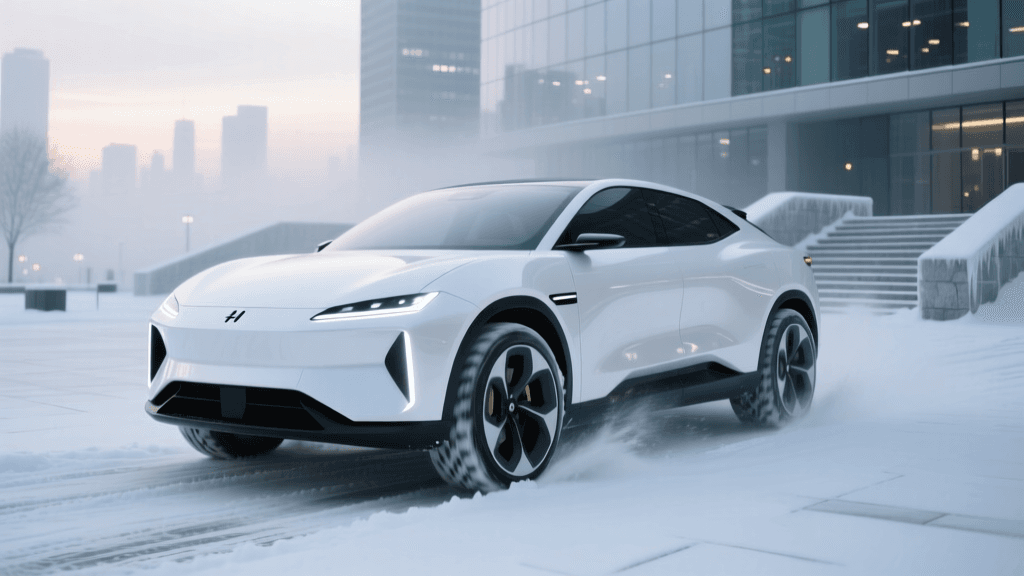
All-season tires harden in freezing temperatures, increasing rolling resistance and reducing grip. Because PHEVs carry the extra weight of both a battery pack and an internal combustion engine (often weighing 400-500 lbs more than their gas counterparts), rolling resistance has a magnified effect on efficiency. Switching to dedicated winter tires like the Michelin X-Ice Snow or Nokian Hakkapeliitta R5 not only drastically improves braking and cornering on ice, but their specialized silica compounds remain pliable in the cold, maintaining lower rolling resistance than frozen all-season tires. Expect a 3-5% efficiency gain simply by keeping your tires properly inflated to the door-jamb spec, as tire pressure drops 1 PSI for every 10°F drop in temperature.
4. Manage Regenerative Braking Limitations
Cold batteries cannot safely accept high-rate charging. When you first start driving in freezing weather, your PHEV will automatically limit regenerative braking to prevent lithium plating inside the cells. This means your brake pads will do more of the work, and you will lose out on recaptured energy. Pro Tip: Drive gently for the first 10 to 15 minutes of your commute. Allow the battery to warm up through natural discharge and ambient heat generation before relying on heavy regenerative braking or paddle shifters. Vehicles like the Kia Sorento PHEV feature a "Winter Mode" that automatically modulates regen and throttle mapping to account for cold battery chemistry and slippery roads.
When the ICE Takes Over: Hybrid Winter Behavior
Even if you have a full battery, do not be alarmed if your PHEV's gas engine turns on in sub-freezing temperatures. Automakers program the Engine Control Unit (ECU) to force the ICE to run for several reasons: to generate waste heat for the cabin, to prevent the fuel system from degrading, and to keep the catalytic converter at operating temperature for emissions compliance.
If you own a traditional hybrid (HEV) like a Honda CR-V Hybrid or a Toyota Prius, winter efficiency drops are mostly tied to the engine running longer to reach operating temperature. For extreme climates (below -10°F), consider installing an engine block heater, such as a Kat's Heaters freeze plug heater. Plugging this in for two hours before driving ensures the engine block and coolant are warm, allowing the hybrid system to shut off the gas engine much sooner and rely on electric traction motors for low-speed maneuvering.
Summary Checklist for Winter PHEV Owners
- Plug in and Precondition: Always warm the car while connected to grid power.
- Use Targeted Heat: Favor seat/steering wheel heaters over the main HVAC blower.
- Monitor Tire Pressure: Check and adjust PSI weekly as temperatures fluctuate.
- Drive Gently at First: Allow the battery to warm up before expecting full regenerative braking.
- Keep the Tank Half Full: Winter blends of gasoline and condensation require you to avoid running the tank down to the bottom, which can cause fuel-line freeze-ups if the engine is rarely used in EV mode.
By adapting your driving habits and leveraging your vehicle's thermal management systems, you can mitigate cold weather range loss and continue to enjoy the seamless, efficient transition between electric and gas power that makes PHEVs the ultimate year-round daily drivers.