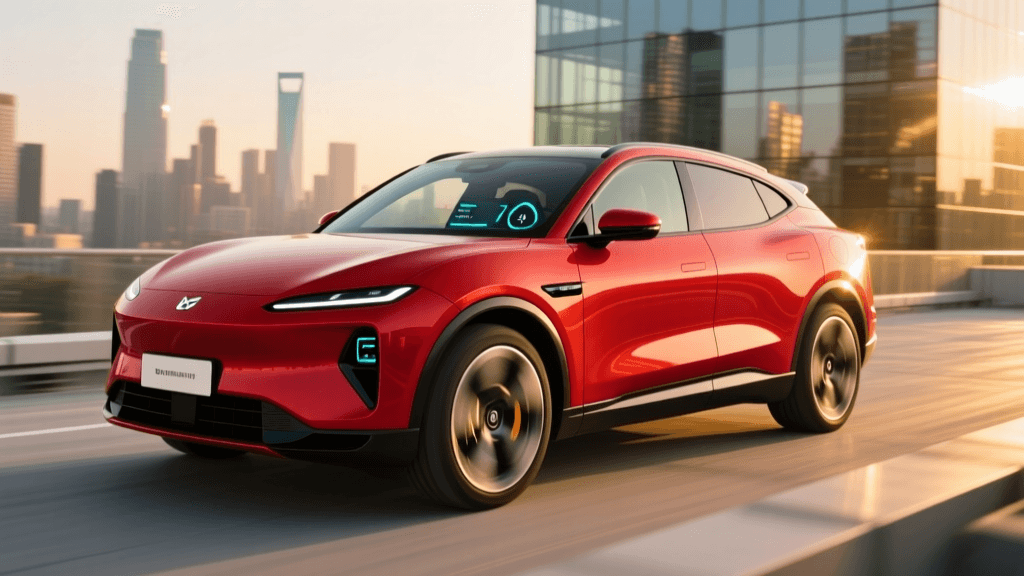
Introduction to Regenerative Braking in Hybrids
In a traditional internal combustion engine (ICE) vehicle, the kinetic energy built up during acceleration is entirely wasted as heat when you press the brake pedal. The friction brake pads clamp down on the rotors, converting your forward momentum into thermal energy that simply dissipates into the air. Hybrid electric vehicles (HEVs) and plug-in hybrid electric vehicles (PHEVs) fundamentally change this equation through a brilliant piece of engineering known as regenerative braking. By recapturing kinetic energy and converting it back into usable electricity, hybrids significantly improve fuel economy and extend their electric-only driving range. But how exactly does this energy recapture occur, and what are the mechanical limitations of the system? This technology deep dive explores the engineering, physics, and real-world application of regenerative braking in modern hybrid drivetrains.
The Physics: Turning Kinetic Energy into Electricity
At its core, regenerative braking relies on the principles of electromagnetism and the conservation of energy. When a vehicle is in motion, it possesses kinetic energy. To slow the vehicle down without relying solely on friction, the hybrid system uses its electric motor in reverse. According to the laws of physics, an electric motor and an electric generator are essentially the same machine. When electrical current is supplied to the motor, it creates a magnetic field that turns the wheels. Conversely, when the wheels turn the motor (because the car is coasting or braking), the motor acts as a generator, creating electrical current. This process introduces electromagnetic resistance, which naturally slows the vehicle down while simultaneously generating electricity to recharge the high-voltage hybrid battery.
The Motor-Generator: The Heart of the System
Modern hybrids, such as those utilizing Toyota’s Hybrid Synergy Drive or Hyundai-Kia’s TMED (Transmission-Mounted Electric Drive) systems, typically employ one or more motor-generators (MGs). In a typical series-parallel hybrid setup, there are two distinct motor-generators: MG1 and MG2. MG1 primarily acts as a starter for the gas engine and a generator to manage the battery's state of charge. MG2 is the primary traction motor that drives the wheels and handles the bulk of the regenerative braking. When you lift your foot off the accelerator, the vehicle's power control unit (PCU) instantly reverses the polarity of the current flowing to MG2. The motor becomes a generator, creating a magnetic drag that slows the vehicle and sends alternating current (AC) back through an inverter, which converts it to direct current (DC) for storage in the lithium-ion or nickel-metal hydride battery pack.
Blended Braking: How the Car Decides to Stop
Regenerative braking alone cannot safely or effectively stop a vehicle in all scenarios, particularly during emergency panic stops or when the vehicle is creeping at very low speeds. To solve this, hybrid engineers developed 'blended braking' systems. When you press the brake pedal in a PHEV or HEV, you are not directly engaging hydraulic fluid like in a conventional car. Instead, you are pressing a stroke sensor that sends an electronic request to the vehicle's brake control module. The computer calculates the required deceleration and seamlessly blends regenerative drag with hydraulic friction brakes. As detailed by the Alternative Fuels Data Center, this seamless integration is what allows hybrids to maximize energy recapture while maintaining strict safety standards. Typically, regen handles the bulk of the braking force down to about 5 to 10 mph, at which point the hydraulic friction brakes take over to bring the car to a complete, smooth halt.
Comparison: Regenerative vs. Friction Brakes
| Feature | Regenerative Braking | Traditional Friction Brakes |
|---|---|---|
| Mechanism | Electromagnetic resistance via motor-generator | Physical clamping of brake pads on rotors |
| Energy Outcome | Recaptured as electricity into the battery | Wasted as heat and dissipated into the air |
| Wear & Tear | Zero physical wear on braking components | High wear; requires periodic pad and rotor replacement |
| Stopping Power | Moderate; limited by battery charge acceptance rate | Extremely high; capable of emergency panic stops |
| Low-Speed Behavior | Ineffective below 5-10 mph | Highly effective down to 0 mph |
System Limitations: When Regen Braking Steps Back
While regenerative braking is a marvel of efficiency, it is not infallible. There are specific scenarios where the hybrid system will intentionally bypass regen and rely entirely on friction brakes. First is the Battery State of Charge (SoC). If your PHEV battery is already at 100% capacity—such as when you start a trip with a fully charged vehicle—the battery physically cannot accept more energy. In this state, regenerative braking is temporarily disabled, and the brake pedal may feel noticeably different or 'grabby' as the friction brakes do all the work. Second is battery temperature. As noted by the Environmental Protection Agency (EPA), extreme cold severely limits a lithium-ion battery's ability to accept a charge. Pushing high amperage into a freezing battery can cause lithium plating, permanently damaging the cells. Therefore, on a cold winter morning, the hybrid system will severely restrict regenerative braking until the battery warms up, again forcing the friction brakes to compensate.
Actionable Driving Tips to Maximize Energy Recapture
Understanding how your hybrid's braking system works allows you to alter your driving habits for maximum efficiency. Here are practical techniques to optimize your regenerative braking:
- Anticipate and Coast: The earlier you lift off the accelerator, the more time the motor-generator has to recapture energy at a steady, efficient rate. Slamming on the brakes at the last second overwhelms the regen system's charge acceptance limits, forcing the blended braking system to use friction brakes and waste energy as heat.
- Use 'B' Mode or Paddle Shifters: Many hybrids, like the Toyota RAV4 Hybrid, feature a 'B' (Brake) gear on the shift lever. Engaging this increases the baseline regenerative drag when you lift off the throttle, mimicking engine braking. In PHEVs like the Kia Niro, steering wheel paddle shifters allow you to manually dial up the regen intensity from Level 0 (coasting) to Level 3 (heavy deceleration), allowing for near one-pedal driving in city traffic.
- The 'Pulse and Glide' Technique: On suburban roads, accelerate briskly to your target speed (the 'pulse'), then completely lift off the pedal to let the car coast with minimal drag (the 'glide'). This often yields better fuel economy than constantly feathering the accelerator, as it allows the engine to operate in its most efficient load band before shutting off entirely.
- Manage Following Distance: Tailgating destroys hybrid efficiency. By leaving 3 to 4 seconds of following distance, you give yourself the physical space needed to decelerate using 100% regenerative braking rather than resorting to the hydraulic friction brakes when the car ahead of you slows down.
Maintenance Implications: Pads, Rotors, and Rust
Because regenerative braking handles up to 80% of everyday deceleration, the physical friction brakes on a hybrid or PHEV are used far less frequently than on a gas-powered car. According to data compiled by FuelEconomy.gov, this drastically extends the lifespan of brake pads, with many hybrid owners reporting original brake pads lasting well past 100,000 miles. However, this lack of use introduces a unique maintenance issue: rotor rust. Because the friction brakes are rarely engaged with enough force to scrub the rotors clean, surface rust can accumulate, leading to pitting and degraded braking performance over time. To combat this, modern hybrids feature automatic 'brake conditioning' routines. The car's computer will occasionally and imperceptibly apply the friction brakes at highway speeds to wipe away rust and keep the hydraulic system primed. As a best practice, hybrid owners should perform a few hard, safe stops from highway speeds once a month to manually clean the rotors and ensure the friction braking system remains in peak condition for when an emergency stop is required.
Conclusion
Regenerative braking is the unsung hero of hybrid and PHEV efficiency. By transforming the electric motor into a generator, these vehicles reclaim energy that would otherwise be lost to the atmosphere, stretching fuel economy and reducing wear on mechanical components. While blended braking systems and battery chemistry impose certain physical limits on how much energy can be recaptured, an informed driver who anticipates traffic and utilizes adjustable regen settings can maximize this technology. Understanding the interplay between electromagnetic drag and hydraulic friction not only makes you a more efficient driver but also ensures the long-term health and safety of your hybrid vehicle's braking system.