The PHEV Depreciation Dilemma: Why Resale Value Matters
When shopping for a Plug-in Hybrid Electric Vehicle (PHEV), most buyers focus on electric-only range, fuel economy, and available tax credits. However, one of the most significant factors in the true cost of ownership is often overlooked until it is time to sell or trade in the vehicle: depreciation. Unlike traditional internal combustion engine (ICE) vehicles, PHEVs carry complex dual-drivetrains and high-voltage batteries that can wildly impact their long-term resale value.
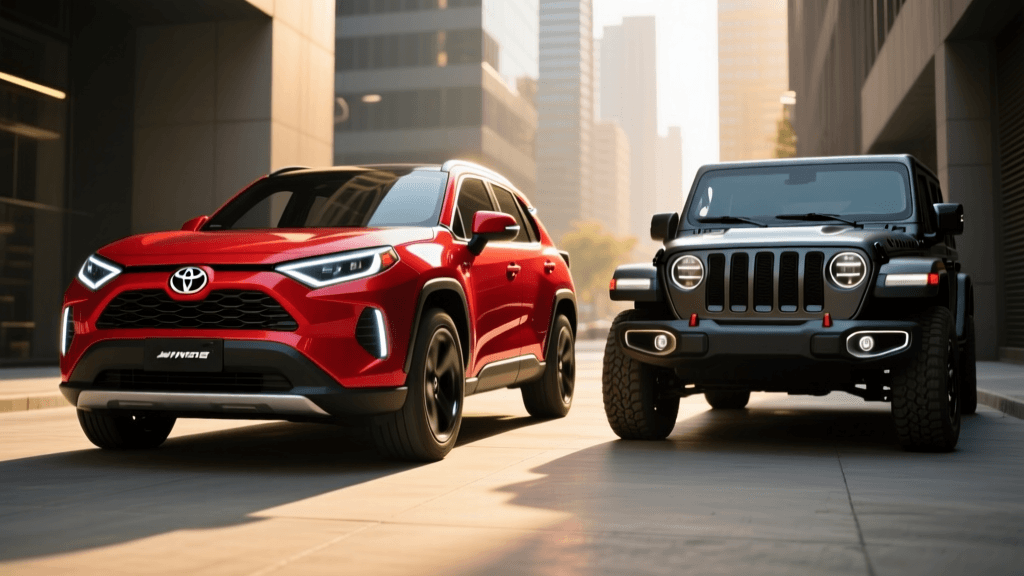
To help you navigate the hybrid market, we are putting two of the most popular, yet vastly different, PHEVs on the market head-to-head. In this resale value and depreciation analysis guide, we compare the gold standard of hybrid reliability, the Toyota RAV4 Prime, against the rugged but controversial Jeep Wrangler 4xe. By analyzing their 5-year depreciation curves, we can uncover vital buying strategies for your next PHEV purchase.
The Contenders: Toyota RAV4 Prime vs. Jeep Wrangler 4xe
Before diving into the financial breakdown, it is essential to understand the market positioning of these two PHEV titans. The Toyota RAV4 Prime combines a 2.5-liter four-cylinder engine with powerful electric motors, delivering 302 horsepower and an EPA-estimated 42 miles of electric-only range. It is widely regarded as one of the most efficient and reliable PHEVs ever built.
On the other side of the ring is the Jeep Wrangler 4xe. Pairing a 2.0-liter turbocharged engine with an electric motor and a robust 4x4 system, it offers 21 miles of electric range and unparalleled off-road capability. However, its heavy weight, complex electrical architecture, and premium pricing create a very different financial trajectory over a five-year ownership period.
Head-to-Head: 5-Year Depreciation Analysis
Depreciation is the silent killer of automotive wealth. According to industry analysts, the average vehicle loses about 60% of its value over five years, but PHEVs can deviate wildly from this average based on brand reputation, battery health perception, and market demand. Below is a comparative breakdown of the estimated 5-year depreciation for both models based on historical market data and total cost of ownership metrics.
| Metric | Toyota RAV4 Prime (XSE) | Jeep Wrangler 4xe (Sahara) |
|---|---|---|
| Average Starting MSRP | $43,690 | $51,795 |
| Est. 5-Year Depreciation % | ~38% | ~62% |
| Est. Value After 5 Years | $27,087 | $19,682 |
| EV-Only Range | 42 Miles | 21 Miles |
| Hybrid Battery Warranty | 10 Years / 150,000 Miles | 8 Years / 100,000 Miles |
As the table illustrates, the RAV4 Prime retains an astonishing amount of its value, losing only about 38% over five years. In stark contrast, the Wrangler 4xe suffers from steep depreciation, shedding nearly 62% of its original MSRP in the same timeframe. To understand why this massive gap exists, we must look at the underlying mechanics of the used PHEV market.
Why the RAV4 Prime Holds Its Value
Unmatched Reliability and Brand Trust
Toyota has spent over two decades building an unshakeable reputation for hybrid reliability, dating back to the original Prius. Used car buyers are notoriously risk-averse regarding high-voltage batteries. Because Toyota's Hybrid Synergy Drive system has proven to be virtually bulletproof, second-hand buyers are willing to pay a premium for a used RAV4 Prime. The fear of a catastrophic battery replacement bill—a common deterrent in the used EV market—is largely mitigated by Toyota's track record and industry-leading 10-year/150,000-mile battery warranty.
Supply, Demand, and the 'Waitlist Effect'
For the past few years, the RAV4 Prime has suffered from severe supply chain constraints, leading to multi-month waitlists and dealer markups. While production has finally stabilized, the lingering perception of scarcity keeps used prices artificially high. Furthermore, its 42-mile EV range is the sweet spot for the average American commute, meaning it appeals to a much broader demographic of used buyers than niche off-roaders.
Why the Wrangler 4xe Struggles with Resale
Complexity and Reliability Concerns
The Wrangler 4xe is an engineering marvel, but it is also incredibly complex. Mating a high-voltage electric system to a rugged, removable-door off-roader introduces numerous potential failure points. Early models experienced software glitches, electrical gremlins, and recall campaigns that spooked the used market. When reliability scores dip, wholesale auction prices follow suit, resulting in steeper depreciation curves for the original owners.
High Initial MSRP and Niche Appeal
The 4xe commands a massive price premium over its gas-only counterparts. When the vehicle hits the used market, buyers are less willing to pay a premium for aging PHEV technology in a vehicle primarily designed for rock crawling, where the heavy battery pack is a liability. Additionally, its 21-mile EV range is considered underwhelming by modern PHEV standards, limiting its appeal to eco-conscious commuters.
The Federal Tax Credit Illusion: Calculating True Depreciation
When analyzing PHEV resale value, you must factor in the IRS New Clean Vehicle Credit. If you purchase a qualifying PHEV and claim the $7,500 federal tax credit, your effective purchase price drops significantly, which alters your personal depreciation math.
For example, if you buy a Wrangler 4xe for $52,000 and claim the $7,500 credit, your net cost basis is $44,500. If the vehicle is worth $20,000 after five years, your out-of-pocket depreciation is based on the $44,500 figure, not the sticker price. While this softens the financial blow of the Wrangler's steep drop in value, the RAV4 Prime's combination of high resale value and tax credit eligibility (when applicable based on MSRP caps and sourcing rules) makes it a financial powerhouse. Always use tools like the Edmunds Total Cost of Ownership calculator to factor in taxes, incentives, and depreciation together.
How Battery Degradation Impacts Hybrid Resale Values
A primary driver of PHEV depreciation is the degradation of the lithium-ion battery pack. According to the U.S. Department of Energy, modern PHEV batteries are designed to last the lifetime of the vehicle, but they do lose capacity over time and through repeated charge cycles. A PHEV that originally offered 40 miles of range might only offer 32 miles after five years of fast charging and extreme weather exposure.
Because the RAV4 Prime's battery is oversized relative to its daily efficiency needs, a 10% degradation still leaves the owner with nearly 38 miles of range—well above the daily commuting average. The Wrangler 4xe, with its shorter 21-mile starting range, feels the impact of battery degradation much more acutely. If a used 4xe drops to 17 miles of EV range, it begins to function more like a heavy traditional hybrid, diminishing its value proposition to used buyers.
Actionable Advice for PHEV Buyers
Based on this head-to-head showdown, here is how you should approach your next PHEV purchase to protect your financial investment:
- Lease the High-Depreciation PHEVs: If you absolutely must have a Wrangler 4xe or another luxury PHEV with a history of steep depreciation, lease it. Let the automaker absorb the massive first-year depreciation hit, and simply walk away at the end of the term.
- Buy the Value-Retainers: If you prefer to buy and hold a vehicle for 5 to 10 years, prioritize models with proven hybrid drivetrains and high market demand, like the Toyota RAV4 Prime, Toyota Prius Prime, or Hyundai Tucson PHEV.
- Time the Used Market: If you are buying a used PHEV, look for 3-year-old lease returns. The original owner has already absorbed the steepest part of the depreciation curve, allowing you to acquire a vehicle with a fully intact battery warranty at a fraction of the MSRP.
- Maintain Battery Health Records: If you plan to sell your PHEV privately, keep meticulous records of your charging habits and utilize OBD2 scanners to pull battery health reports. Proving minimal degradation to a private buyer can add thousands to your resale price.
The Verdict: Which PHEV Wins the Resale Showdown?
When it comes to resale value and long-term depreciation, the Toyota RAV4 Prime is the undisputed champion. Its blend of class-leading EV range, legendary reliability, and broad market appeal creates a perfect storm for value retention. While the Jeep Wrangler 4xe offers unmatched off-road capability and open-air freedom, its complex drivetrain, high initial cost, and reliability concerns result in a brutal depreciation curve that will cost owners thousands more over a five-year period.
Ultimately, a PHEV is a financial tool as much as it is a mode of transportation. By understanding the depreciation dynamics of different hybrid architectures, you can choose a vehicle that not only reduces your carbon footprint but also protects your hard-earned capital.