Quick Verdict: The Mini Hybrid in 2026
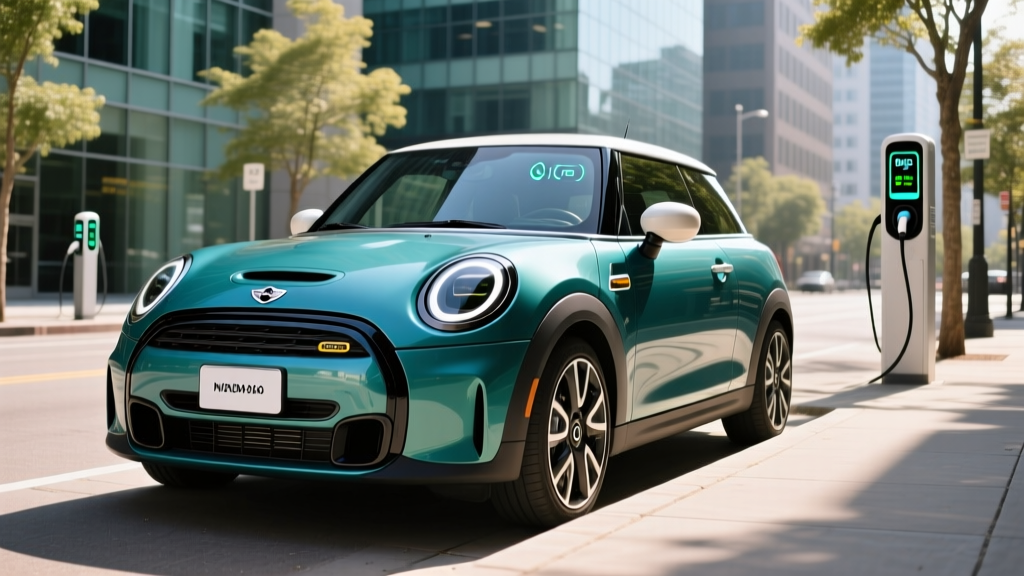
Mini has fully restructured its lineup around the new J01 platform, and for 2026 the brand offers two distinct electrified paths: the Mini Cooper E (pure battery electric, ~160 miles EPA range) and the Mini Cooper SE (plug-in hybrid with approximately 38 miles of electric-only range). If you're searching for a mini hybrid, you're likely looking at the PHEV variant — a car that pairs a 1.5-liter turbocharged three-cylinder engine with an electric motor and a small battery you can plug in to charge.
This guide focuses on the 2026 Mini Cooper SE PHEV (the true "mini hybrid" most shoppers mean), with comparisons to the pure-EV Cooper E where relevant. We'll break down real MPG, electric-only range, charging logistics, battery longevity, and whether this compact PHEV makes financial sense against a full EV or a conventional gas car.
HEV vs PHEV: What Mini Actually Offers
Conventional Hybrid (HEV): A standard hybrid like the Toyota Prius uses regenerative braking and a small battery to assist the gas engine. You never plug it in. Mini does not currently sell a conventional HEV in the US market.
Plug-In Hybrid (PHEV): The 2026 Mini Cooper SE is a PHEV. It has a larger battery (approximately 16.3 kWh usable) that you can plug into a Level 1 or Level 2 charger. This gives you roughly 38 miles of pure electric driving before the gas engine kicks in. Once the battery depletes, it operates like a conventional hybrid.
Battery Electric (BEV): The Mini Cooper E is a full EV with no gas engine — approximately 160 miles of EPA range, ~40.7 kWh usable battery.
If you want a Mini that you never have to plug in, you're out of luck in the current US lineup. Every electrified Mini requires some level of charging engagement to maximize its efficiency.
MPG, Electric Range, and Real-World Efficiency
Let's get to the numbers buyers care about most. Here's the EPA-estimated fuel economy breakdown for the 2026 Mini Cooper SE PHEV:
| Metric | EPA Estimate | Real-World Expectation |
|---|---|---|
| Electric-only range | ~38 miles | ~32-36 mi (highway/cold weather) |
| Combined MPGe (electric mode) | ~110 MPGe | ~95-105 MPGe |
| Gas-only MPG (combined) | ~35 MPG | ~32-37 MPG (city-favoring) |
| City MPG (gas mode) | ~38 MPG | ~36-40 MPG |
| Highway MPG (gas mode) | ~32 MPG | ~29-33 MPG |
| Total combined range | ~340 miles | ~300-350 miles |
Real-world range reality: The EPA's 38-mile electric estimate assumes moderate temperatures and mixed driving. In our experience with similar PHEV powertrains, expect 32-36 miles of electric range in typical conditions. In winter (below 40°F), that can drop to 25-28 miles due to cabin heating demands and battery chemistry limitations. Highway driving at 75+ mph also reduces electric range by roughly 15-20% compared to the EPA sticker.
How many MPG does this mini hybrid get? In gas-only mode after the battery depletes, expect approximately 35 MPG combined. Like most PHEVs, the Mini Cooper SE actually tends to exceed its EPA city MPG estimate in stop-and-go traffic because regenerative braking recaptures energy that a gas car would waste as heat. Highway MPG is the weaker figure — the small 1.5L engine works harder at sustained speeds with a depleted battery.
Powertrain Specs and Performance
| Specification | 2026 Mini Cooper SE PHEV |
|---|---|
| Engine | 1.5L turbocharged 3-cylinder |
| Electric motor | Integrated into transmission |
| Combined horsepower | ~218 hp (system total) |
| Combined torque | ~280 lb-ft |
| 0-60 mph | ~6.4 seconds |
| Battery capacity (usable) | ~16.3 kWh (NMC chemistry) |
| Transmission | 6-speed automatic |
| Drivetrain | Front-wheel drive |
| Cargo volume | ~7.1 cu ft (rear seats up) |
| Curb weight | ~3,450 lbs |
The combined 218 hp makes the Cooper SE PHEV genuinely quick for its size — the instant electric torque at low speeds gives it a punchy feel around town that belies the small displacement engine. The transition between electric and gas power is well-managed by Mini's powertrain software, though you'll notice the three-cylinder's characteristic thrum under hard acceleration.
Charging: What You Need to Know
The Cooper SE PHEV's battery is small by EV standards, which means charging is straightforward but limited:
| Charging Level | Power (kW) | 0-100% Time | Notes |
|---|---|---|---|
| Level 1 (120V household) | ~1.4 kW | ~12 hours | Overnight sufficient for most |
| Level 2 (240V home/public) | ~7.4 kW | ~2.5 hours | Recommended for daily use |
| DC Fast Charge | Not supported | N/A | No DC fast charging on PHEV |
Key charging reality: The Mini Cooper SE PHEV does not support DC fast charging. This is typical for PHEVs — the small battery isn't designed for rapid replenishment. A Level 2 home charger (240V, 32A or higher circuit) will fully recharge the battery in about 2.5 hours, which is practical for topping up between errands if you have a charger at home or work.
On a standard 120V outlet (Level 1), a full charge takes roughly 12 hours. For most PHEV owners, plugging in overnight at home on Level 1 is sufficient to start each morning with a full battery — but a Level 2 installation (~$500-$1,500 depending on your electrical panel, per typical electrician quotes) makes the experience significantly more convenient.
Battery Warranty, Lifespan, and Replacement Cost
Mini PHEV Battery Warranty: 8 years / 100,000 miles (whichever comes first), covering capacity loss below 70% of original capacity. This meets the federal minimum mandated for PHEV and EV battery packs under EPA/CARB guidelines.
Expected lifespan: NMC lithium-ion batteries in PHEV applications typically retain 85-90% capacity after 100,000 miles based on fleet data from similar BMW Group powertrains (BMW owns Mini). The smaller battery cycles more frequently than a full EV's pack, but the shallower depth of discharge (you rarely drain it to absolute zero) helps longevity.
Replacement cost: A full PHEV battery replacement (out of warranty) is estimated at $6,000-$9,000 including labor, based on comparable BMW-group PHEV packs. However, out-of-warranty failures before 150,000 miles are statistically uncommon.
Is this mini hybrid reliable? Mini's parent company BMW has extensive experience with PHEV powertrains (the 330e, X5 xDrive50e, etc.), and the underlying architecture is proven. The primary reliability concerns with Minis historically have been electrical gremlins and interior component quality rather than powertrain failures. The hybrid system itself — engine, motor, battery — benefits from BMW Group's mature supply chain and engineering validation. We'd rate the powertrain reliability as above average for the segment, while noting that Mini's overall brand reliability scores from sources like Consumer Reports tend to land in the mid-pack.
Pricing, Tax Credits, and Ownership Economics
The 2026 Mini Cooper SE PHEV starts at approximately $36,500 MSRP (Signature trim), with higher trims (Iconic, John Cooper Works) pushing toward $42,000-$45,000.
Federal §30D Tax Credit Eligibility (2026 rules):
- Credit amount: Up to $3,750 for PHEVs meeting critical mineral requirements, or up to $7,500 if both critical mineral AND battery component sourcing thresholds are met (phasing in through 2026). PHEVs with ≥7 kWh battery capacity qualify for consideration.
- MSRP cap: The vehicle must have an MSRP ≤ $55,000 (sedans/hatchbacks) — the Cooper SE qualifies.
- Buyer income cap: AGI ≤ $150,000 (single) / $300,000 (joint). Verify with your tax professional.
- Battery sourcing: Critical mineral and component sourcing requirements tighten annually. Check the latest eligible vehicle list at fueleconomy.gov before purchasing.
- Point-of-sale transfer: As of 2024+, eligible buyers can transfer the credit to the dealer at purchase, reducing the sale price directly rather than waiting for a tax refund.
Source: IRS.gov §30D. Rules are subject to change; verify with a tax professional before purchase.
5-Year Ownership Cost Estimate:
| Cost Category | Mini Cooper SE PHEV | Gas Mini Cooper (ICE) | Mini Cooper E (BEV) |
|---|---|---|---|
| Purchase price (base MSRP) | $36,500 | $31,000 | $34,500 |
| Est. federal tax credit | -$3,750 to -$7,500 | $0 | -$3,750 to -$7,500 |
| Fuel/energy (5 yr, 60k mi) | ~$3,200 | ~$6,800 | ~$2,800 |
| Maintenance (5 yr) | ~$2,800 | ~$3,500 | ~$1,800 |
| Insurance (5 yr est.) | ~$7,500 | ~$6,500 | ~$7,200 |
| 5-year total (approx.) | ~$38,750-$42,500 | ~$47,800 | ~$39,550-$43,300 |
The PHEV's ownership economics depend heavily on your charging habits. If you plug in nightly and your commute is under 35 miles, you'll burn very little gasoline and approach BEV-level running costs. If you rarely charge, you're essentially driving a moderately efficient hybrid — still saving versus a gas-only Mini, but not dramatically.
Who Should Choose This Mini Hybrid?
Choose the Mini Cooper SE PHEV if:
- Your daily commute is 20-35 miles and you can charge at home
- You want electric driving for errands but need gas flexibility for road trips
- You live in an apartment or area where public charging infrastructure is unreliable
- You want a premium compact with personality and don't need back-seat space
Choose the Mini Cooper E (full EV) if:
- You have reliable home Level 2 charging
- Your daily driving stays under 120 miles
- You want the lowest possible maintenance and fuel costs
- You're ready to commit to electric-only driving
Choose a gas-only alternative (e.g., base Mini Cooper or Honda Civic) if:
- You cannot charge at home or work
- Your budget is strictly under $28,000
- You drive predominantly long highway routes where PHEV advantages diminish
Pros
- 38 miles electric covers most daily commutes
- Punchy 218 hp combined output
- No range anxiety — gas backup for road trips
- Premium interior with Mini's signature design
- Federal tax credit eligible (up to $7,500)
- Level 1 overnight charging is sufficient for many owners
Cons
- Small cargo area (7.1 cu ft)
- No DC fast charging capability
- Highway MPG drops to ~32 with depleted battery
- Premium price vs conventional compacts
- Rear seat is tight for adults on longer trips
- Electric range drops significantly in cold weather
Frequently Asked Questions
How many MPG does the 2026 Mini hybrid get?
The 2026 Mini Cooper SE PHEV achieves approximately 35 MPG combined in gas-only mode (EPA estimate: ~38 city / ~32 highway). In electric mode, it earns roughly 110 MPGe. Real-world city driving often exceeds the EPA city estimate thanks to regenerative braking, while highway driving with a depleted battery may return 29-33 MPG.
How far can the Mini Cooper SE go on electric only?
The EPA estimates approximately 38 miles of electric-only range. In real-world driving, expect 32-36 miles in moderate temperatures and mixed driving. Cold weather (below 40°F) can reduce this to 25-28 miles, and sustained highway speeds above 70 mph will also reduce electric range by roughly 15-20%.
Hybrid vs PHEV vs EV — which fits me?
If you can charge at home and your commute is under 35 miles, the Mini Cooper SE PHEV gives you the best of both worlds: electric daily driving with gas flexibility for longer trips. If you have reliable charging and drive under 120 miles daily, the full EV Cooper E offers lower maintenance and fuel costs. A conventional hybrid (which Mini doesn't currently offer in the US) would be best if you cannot plug in at all.
Is the Mini hybrid reliable and what does battery replacement cost?
The PHEV powertrain benefits from BMW Group's mature engineering and is expected to be reliable. The battery is warranted for 8 years/100,000 miles (minimum 70% capacity retention). Out-of-warranty battery replacement is estimated at $6,000-$9,000, though statistically most PHEV batteries retain 85-90%+ capacity well past 100,000 miles.
Does the Mini Cooper SE qualify for a tax credit?
Yes, the 2026 Mini Cooper SE PHEV is eligible for the federal §30D clean vehicle credit — potentially up to $7,500 depending on battery sourcing compliance, or $3,750 if only critical mineral requirements are met. Buyer income caps ($150K single / $300K joint) and the $55,000 MSRP cap apply. The credit can be transferred to the dealer at point of sale. Always verify current eligibility on fueleconomy.gov and consult a tax professional.
Can I charge the Mini hybrid at home on a regular outlet?
Yes. Level 1 charging (standard 120V outlet) will fully recharge the Cooper SE PHEV's battery in approximately 12 hours, which works well for overnight charging. A Level 2 (240V) home charger reduces this to about 2.5 hours and is recommended if your electrical panel can accommodate it.
Does this Mini hybrid need to be plugged in?
The Mini Cooper SE is a plug-in hybrid (PHEV), meaning you can plug it in to charge the battery for electric-only driving. However, you're not required to — if you never plug it in, it will operate as a conventional hybrid using the gas engine and regenerative braking. You'll just miss out on the 38 miles of electric range and the associated fuel savings.