Quick Verdict: The Maverick XLT Hybrid at a Glance
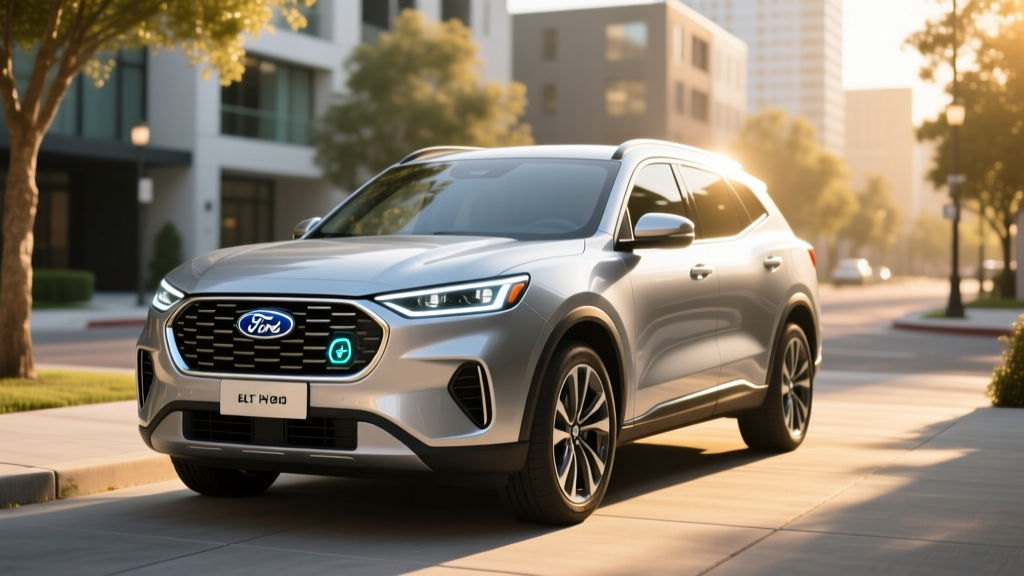
The Ford Maverick XLT Hybrid occupies a rare position in the 2026 compact truck market: it delivers genuine truck utility with sedan-rivaling fuel economy, and it does so without requiring a plug. Built on Ford's 2.5-liter Atkinson-cycle hybrid powertrain — the same architecture proven in the Escape Hybrid — the Maverick XLT Hybrid targets buyers who want a daily-driver truck without the fuel penalty of traditional pickups.
At a starting MSRP of approximately $28,995 for the XLT Hybrid trim (before destination), it undercuts most midsize trucks by thousands while returning an EPA-estimated 42 MPG city / 33 highway / 37 combined. For buyers comparing a conventional hybrid truck against a full battery-electric vehicle (BEV) or a plug-in hybrid (PHEV), the Maverick XLT Hybrid makes a compelling case — especially for those without reliable home charging access.
HEV vs. PHEV: Where the Maverick Hybrid Fits
Before diving into specs, it's essential to distinguish between the two hybrid architectures available in today's market:
Conventional Hybrid (HEV)
How it works: A small battery (typically 1.0–1.5 kWh) is charged entirely through regenerative braking and the gasoline engine. You never plug it in.
Electric-only driving: Very limited — short low-speed bursts only.
Example: Ford Maverick Hybrid, Toyota RAV4 Hybrid.
Plug-In Hybrid (PHEV)
How it works: A larger battery (typically 12–20+ kWh) charges via a plug (Level 1 or Level 2) and provides meaningful electric-only range before the gas engine engages.
Electric-only driving: Typically 25–50 miles on a full charge.
Example: Toyota RAV4 Prime, Jeep Wrangler 4xe.
The Ford Maverick XLT Hybrid is a conventional HEV. There is no plug, no electric-only commuting range, and no DC fast-charging capability. The hybrid system recaptures energy during braking and deceleration, storing it in a small lithium-ion battery that assists the gasoline engine during acceleration and enables engine-off coasting at low speeds.
Fuel Economy: EPA Estimates and Real-World MPG
Fuel economy is the Maverick Hybrid's headline feature. Here's the EPA-rated breakdown for the front-wheel-drive (FWD) Hybrid model, per fueleconomy.gov:
| Driving Cycle | EPA Estimate | Real-World Expectation |
|---|---|---|
| City | 42 MPG | 40–45 MPG (hybrids often exceed EPA in stop-and-go) |
| Highway | 33 MPG | 29–33 MPG (aerodynamic drag hurts at 70+ mph) |
| Combined | 37 MPG | 35–40 MPG depending on driving mix |
Why City MPG Beats Highway in a Hybrid
Conventional hybrids like the Maverick flip the usual fuel-economy script. In city driving, the electric motor handles frequent low-speed acceleration — the most fuel-intensive part of any trip — while regenerative braking recaptures energy at every stop. On the highway, the gasoline engine runs continuously, and there's minimal braking to regenerate. Owners with heavy city commutes consistently report matching or exceeding the 42 MPG city figure, while sustained 75-mph highway runs may dip into the low 30s.
All-Wheel Drive (AWD) Hybrid Penalty
For 2026, the Maverick Hybrid is available with AWD, which adds a rear-mounted electric motor. The AWD Hybrid drops fuel economy slightly — expect approximately 38 city / 31 highway / 35 combined. If maximum MPG is your priority, FWD remains the efficiency king.
Powertrain Specs: What Powers the Maverick XLT Hybrid
| Specification | Detail |
|---|---|
| Engine | 2.5L Atkinson-cycle 4-cylinder |
| Electric Motor | Permanent-magnet synchronous (integrated in transaxle) |
| Combined Horsepower | 191 hp |
| Transmission | eCVT (planetary gearset, not a belt-driven CVT) |
| Drivetrain | FWD standard; AWD available (rear e-motor) |
| Hybrid Battery | ~1.1 kWh lithium-ion (self-charging, no plug) |
| 0–60 mph | ~7.8 seconds (FWD) |
| Max Towing | 2,000 lbs (standard); 4,000 lbs with 4K Tow Package (gas AWD only, not Hybrid) |
| Payload Capacity | ~1,500 lbs |
| Bed Length | 4.5 feet (54.4 inches) |
The 191-hp combined output puts the Maverick Hybrid in the same ballpark as compact crossovers, not traditional trucks. It's adequate for merging and passing, but don't expect the punch of the turbocharged 2.0L EcoBoost gas model (250 hp). The eCVT is Ford's planetary-gear power-split device — the same type used in Toyota hybrids — and it's smooth, if unexciting. There are no fixed gear ratios to shift through, which eliminates shift shock but can produce a droning sensation under hard acceleration.
Towing Reality Check
The Maverick Hybrid's 2,000-lb standard towing capacity covers light utility — a small boat trailer, a pair of dirt bikes, or a compact camper. The 4,000-lb tow rating is reserved for the gas-engine AWD model with the 4K Tow Package. If you need serious towing, the Hybrid is not the right configuration.
Pricing, Trims, and Tax Credit Eligibility
| Trim | 2026 MSRP (est.) | Hybrid Available? |
|---|---|---|
| XL (base) | ~$24,995 | No (gas only) |
| XLT | ~$26,995 (gas) / ~$28,995 (hybrid) | Yes |
| XLT Hybrid AWD | ~$30,795 | Yes |
| Lariat Hybrid | ~$32,995 | Yes |
| Tremor | ~$36,495 | No (gas only) |
Does the Maverick Hybrid Qualify for a Federal Tax Credit?
No. The Ford Maverick Hybrid is a conventional HEV — it does not have a plug and does not meet the definition of a qualified plug-in electric vehicle under IRS §30D. The federal clean vehicle credit (up to $7,500) applies only to battery-electric vehicles (BEVs) and plug-in hybrids (PHEVs) that meet battery-sourcing, critical-mineral, MSRP, and buyer-income requirements.
Conventional hybrids like the Maverick HEV are not eligible for the §30D credit. Some states may offer minor incentives for high-efficiency vehicles, but these vary widely and change frequently — check your state's energy office or department of revenue for current programs.
Cost-Per-Mile vs. Gas-Only Maverick
At $3.30/gallon and 37 MPG combined, the Maverick Hybrid costs approximately $0.089 per mile in fuel. The gas-only Maverick EcoBoost (26 MPG combined) costs about $0.127 per mile. Over 15,000 miles annually, that's a savings of roughly $570 per year with the hybrid — enough to recoup the hybrid premium in 3–4 years for most drivers.
Reliability and Battery Warranty
Hybrid Battery Warranty
Coverage: 8 years / 100,000 miles (whichever comes first)
What's covered: Hybrid battery pack and hybrid-specific components (power electronics, eCVT transaxle)
Capacity threshold: Ford warrants the hybrid battery against defects and abnormal loss of function — unlike BEV batteries, there is no published State of Health (SoH) percentage threshold for HEVs because the battery is small and not the primary energy source.
How Long Will the Hybrid Battery Last?
Ford's 2.5L hybrid system has been in production since the early 2020s (Escape Hybrid, Maverick Hybrid), and the architecture traces its lineage to proven Toyota-licensed power-split designs. Real-world data from high-mileage Ford hybrid taxi fleets and Escape Hybrid owners suggests the 1.1 kWh battery pack routinely lasts 150,000+ miles with minimal degradation. Because the battery is small and the system never deeply cycles it (it operates in a narrow state-of-charge window, typically 40–60%), stress on the cells is low.
Battery Replacement Cost
If the hybrid battery does fail outside of warranty, replacement costs typically range from $2,500 to $4,500 including labor, based on current Ford dealer pricing. This is significantly less than a full BEV battery replacement ($10,000–$20,000+) because the pack is small. Third-party hybrid battery rebuilders may offer lower-cost options as the Maverick Hybrid ages.
General Reliability
The Maverick platform has shown solid reliability in its first several model years. The hybrid powertrain, being simpler in some respects than a conventional automatic (no traditional torque converter, no multi-speed transmission), has fewer wear components. The most commonly reported issues in early Mavericks relate to build quality (panel gaps, infotainment glitches) rather than powertrain failures.
Maverick Hybrid vs. EV vs. PHEV: Which Should You Choose?
Choose the Maverick XLT Hybrid If:
- You don't have access to home or workplace charging (apartment, street parking)
- Your commute is city-heavy with frequent stop-and-go traffic
- You want a truck bed for occasional hauling without paying truck fuel costs daily
- You want to avoid the upfront price premium of a BEV or PHEV
- You regularly drive in areas with sparse public charging infrastructure
Choose a PHEV (e.g., upcoming electrified truck) If:
- You can charge at home (Level 2) and want 25–40 miles of electric-only commuting
- Your daily round-trip commute fits within the electric range
- You want to qualify for the §30D federal tax credit (up to $7,500, subject to eligibility)
- You want the option of gas-free daily driving with road-trip flexibility
Choose a Full BEV (e.g., Ford F-150 Lightning, Rivian R1T) If:
- You have reliable home Level 2 charging
- You want zero tailpipe emissions and the lowest per-mile fuel cost
- You want maximum torque and performance (BEVs deliver instant torque)
- You qualify for the §30D credit and it significantly reduces your effective purchase price
- You can accept the current limitations of public charging on road trips
Pros and Cons of the Maverick XLT Hybrid
Pros
- 42 MPG city — best-in-class for any truck on the market
- No plug required — works with any lifestyle, no charging infrastructure needed
- Affordable entry price — under $29K before options
- Practical 4.5-foot bed with clever storage solutions (Ford's Flexbed system)
- Car-like ride quality — unibody platform, not body-on-frame
- Strong hybrid battery warranty — 8 yr / 100K miles
- AWD available with rear electric motor
Cons
- No federal tax credit — HEVs are ineligible for §30D
- Modest 191 hp — adequate, not quick, especially when loaded
- 2,000-lb tow limit — rules out most travel trailers and large boats
- Highway MPG drops to low 30s at sustained high speeds
- No plug-in option — can't do electric-only commuting
- Rear seat space is tight for taller adults on long trips
- Dealer markups may inflate real-world pricing above MSRP in high-demand markets
Frequently Asked Questions
How many MPG does the Ford Maverick XLT Hybrid get?
The EPA rates the FWD Maverick Hybrid at 42 MPG city, 33 highway, and 37 combined. Real-world results vary: city-heavy drivers often see 40–45 MPG, while highway-dominant driving at 70+ mph may return 29–33 MPG. The AWD Hybrid drops to approximately 38 city / 31 highway / 35 combined.
Does the Maverick Hybrid need to be plugged in?
No. The Maverick Hybrid is a conventional HEV. Its small lithium-ion battery charges exclusively through regenerative braking and the gasoline engine. You fuel it like any other gas vehicle — there is no plug, no charging cable, and no electric-only range.
Can the Maverick Hybrid run on electric power alone?
Only in very limited low-speed situations (parking lot speeds, gentle coasting). The electric motor assists the gas engine but cannot propel the truck independently for any meaningful distance. This is fundamentally different from a PHEV, which can drive 25–50 miles on electricity alone.
Is the Maverick Hybrid reliable?
The 2.5L hybrid powertrain has proven durable in Ford's Escape Hybrid and in commercial fleet use. The hybrid battery is warrantied for 8 years / 100,000 miles, and the small pack size means lower replacement cost ($2,500–$4,500) compared to a BEV battery. Most hybrid components are well-understood technology with decades of industry refinement.
Does the Maverick Hybrid qualify for a tax credit?
No. Under current IRS §30D rules, only plug-in electric vehicles (BEVs and PHEVs) are eligible for the federal clean vehicle credit. Conventional hybrids like the Maverick HEV do not qualify. Some states may offer separate efficiency incentives — check your local jurisdiction.
How does the Maverick Hybrid compare to the gas-only Maverick?
The gas-only 2.0L EcoBoost Maverick produces 250 hp (vs. 191 hp hybrid) and tows up to 4,000 lbs with the tow package (vs. 2,000 lbs hybrid). However, it returns only about 26 MPG combined vs. 37 for the hybrid. If towing and acceleration matter most, the gas model wins. If daily fuel cost matters most, the hybrid is the clear choice.
What is the hybrid battery replacement cost?
Based on current Ford dealer pricing, a hybrid battery replacement for the Maverick runs approximately $2,500 to $4,500 including labor. This is far less than a full BEV battery replacement. Given the 8-year/100,000-mile warranty and the low-stress operating cycle of the small HEV battery, most owners will never face this expense.