What Is a Hybrid Vehicle? The Core Definition
A hybrid vehicle combines a conventional internal combustion engine (ICE) with one or more electric motors and a battery pack to improve fuel efficiency and reduce emissions. Unlike pure electric vehicles (EVs), hybrids use gasoline as their primary energy source but leverage electric power to optimize performance and efficiency.
Two Types of Hybrids: HEV vs PHEV
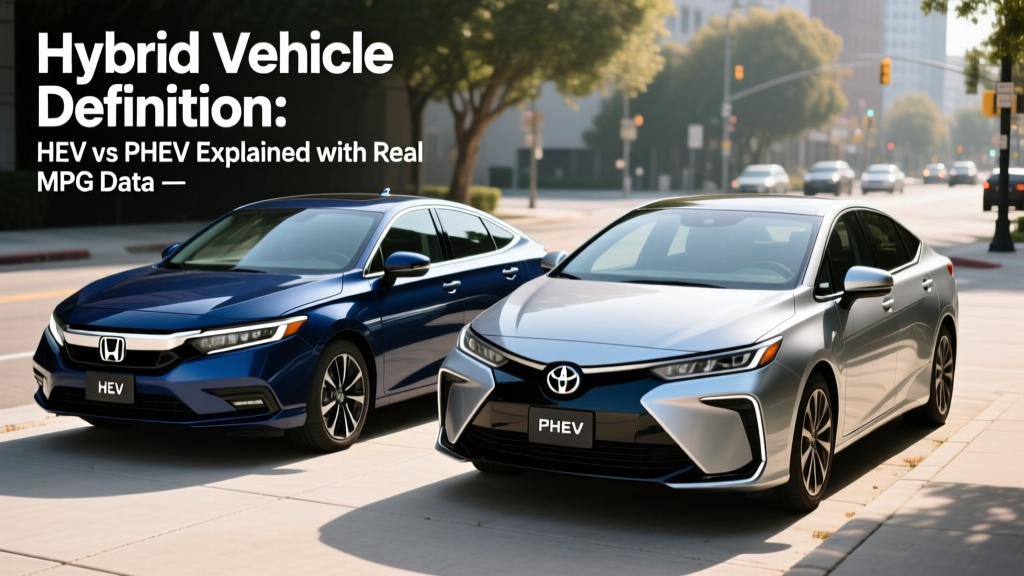
The hybrid vehicle definition splits into two distinct categories:
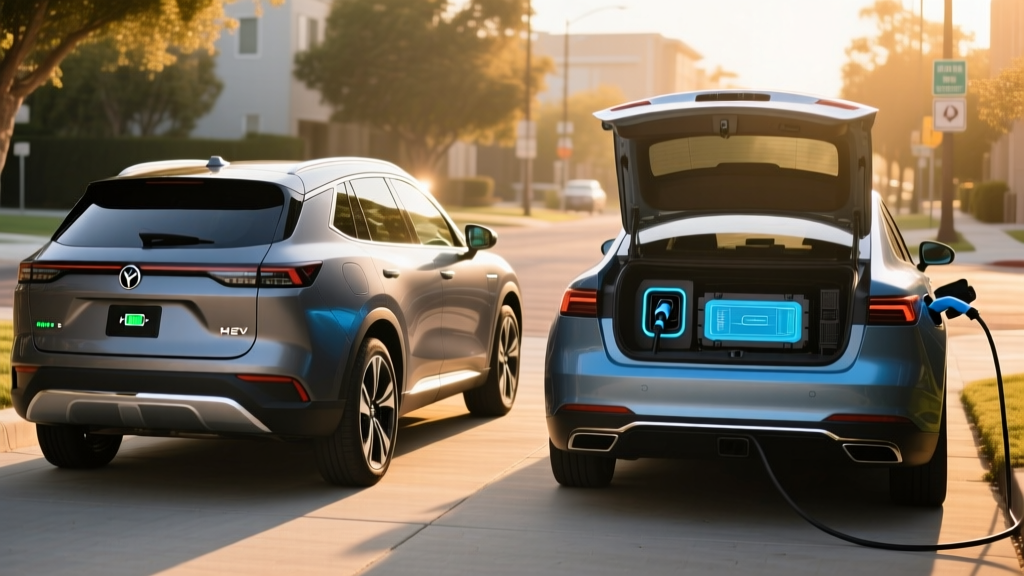
- Conventional Hybrid (HEV): Self-charging system that recovers energy through regenerative braking. You never plug it in.
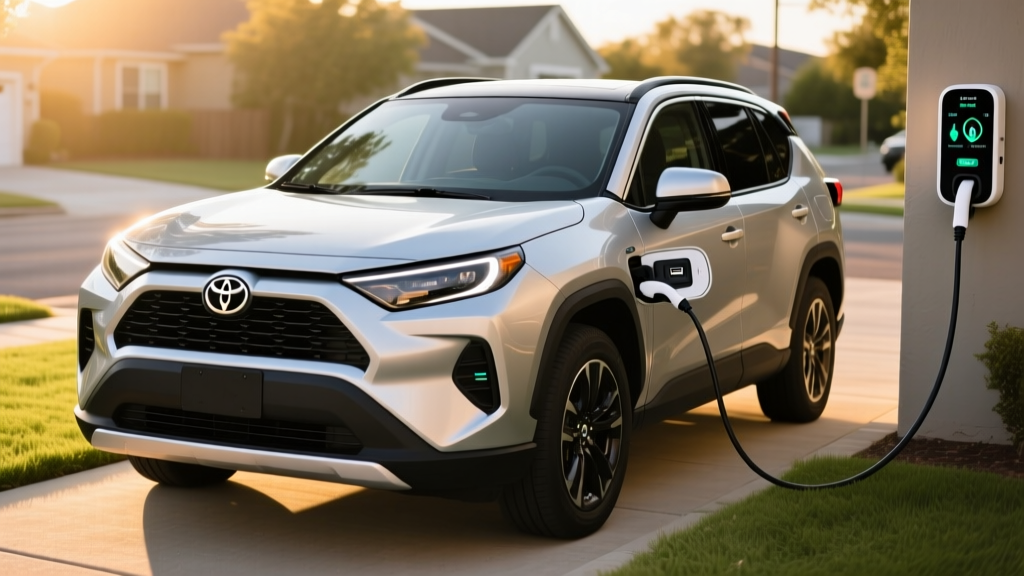
- Plug-in Hybrid (PHEV): Larger battery you can charge externally, offering 20-50 miles of electric-only driving before the gas engine engages.
How Hybrid Vehicles Work: Powertrain Architecture
Modern hybrids use sophisticated power management systems to seamlessly blend gas and electric power. The most common configurations include:
- Parallel hybrid: Both engine and motor can drive the wheels directly (Toyota Prius, Honda Accord Hybrid)
- Series hybrid: Engine acts only as a generator; electric motor drives wheels (older BMW i3 REx)
- Series-parallel: Can operate in either mode for maximum flexibility (most modern hybrids)
The system automatically decides when to use electric power, gasoline, or both based on driving conditions, battery state of charge, and driver demand. During acceleration, both power sources work together. At cruising speeds, the engine takes over. During braking, the electric motor reverses direction to become a generator, converting kinetic energy back into stored electrical energy.
Fuel Economy: Real-World MPG vs EPA Estimates
Hybrids consistently deliver impressive fuel economy, but real-world results vary significantly based on driving patterns. Here's how popular 2026 models perform:
| Model | Type | EPA City | EPA Highway | EPA Combined | Real-World Average |
|---|---|---|---|---|---|
| Toyota Prius | HEV | 57 mpg | 56 mpg | 57 mpg | 52-60 mpg |
| Honda Accord Hybrid | HEV | 51 mpg | 44 mpg | 48 mpg | 45-52 mpg |
| Toyota RAV4 Hybrid | HEV | 41 mpg | 38 mpg | 40 mpg | 37-43 mpg |
| Toyota Prius Prime | PHEV | 52 mpg* | 48 mpg* | 50 mpg* | 48-54 mpg* |
| Chrysler Pacifica Hybrid | PHEV | 30 mpg* | 31 mpg* | 30 mpg* | 28-32 mpg* |
*After electric range is depleted. PHEVs achieve much higher effective MPG when regularly charged.
Why Hybrids Often Beat EPA Estimates in City Driving
Unlike conventional gas cars, hybrids excel in stop-and-go traffic where regenerative braking captures energy that would otherwise be wasted as heat. Many owners report 5-10% better than EPA city figures in urban environments. However, highway efficiency can fall short of EPA estimates at sustained speeds above 70 mph, where the electric motor provides minimal assistance.
Plug-in Hybrid (PHEV) Specifics: Electric Range and Charging
PHEVs bridge the gap between conventional hybrids and full EVs by offering substantial electric-only range for daily commuting while maintaining gas-engine backup for longer trips.
| Model | Battery (kWh) | Electric Range | Total Range | Level 2 Charge Time | DC Fast Charge |
|---|---|---|---|---|---|
| Toyota Prius Prime | 13.6 kWh | 44 miles | 600+ miles | 4 hours | No |
| Toyota RAV4 Prime | 18.1 kWh | 42 miles | 600+ miles | 2.5 hours | No |
| Jeep Wrangler 4xe | 17.3 kWh | 22 miles | 370 miles | 2 hours | No |
| Chrysler Pacifica Hybrid | 16.0 kWh | 32 miles | 520 miles | 2 hours | No |
Charging reality: Most PHEVs use Level 2 (240V) charging only, adding their full electric range in 2-4 hours. None of the mainstream PHEVs support DC fast charging due to their smaller battery sizes and cost considerations. For daily use, overnight charging on a standard 120V outlet (Level 1) often suffices, adding 4-6 miles of range per hour.
Hybrid Battery Reliability and Warranty Coverage
Hybrid Battery Lifespan: What Owners Actually Experience
Modern hybrid batteries are engineered for longevity, with most manufacturers providing 8-10 year/100,000-150,000 mile warranties. Real-world data shows:
- Toyota Prius batteries commonly last 150,000-200,000+ miles
- Replacement costs: $2,000-$4,000 for HEV batteries, $5,000-$8,000 for PHEV batteries
- Failure rates under 5% within warranty period
- Gradual capacity loss (10-20% over 10 years) rather than sudden failure
Hybrid battery technology has matured significantly since the first Prius launched in 1997. Nickel-metal hydride (NiMH) batteries in older hybrids proved remarkably durable, while modern lithium-ion packs offer better energy density with comparable longevity. Most hybrid owners will never need a battery replacement during typical ownership periods.
Tax Credits and Incentives for Hybrids
Federal tax incentives for hybrids differ substantially between HEV and PHEV models:
- Conventional Hybrids (HEV): No federal tax credit under current IRS §30D rules. Some states offer rebates ($500-$1,500 typical).
- Plug-in Hybrids (PHEV): May qualify for up to $7,500 federal tax credit, subject to:
- MSRP caps: $80,000 for SUVs/pickups, $55,000 for sedans
- Buyer income limits: $300,000 joint/$225,000 head of household/$150,000 single
- Battery capacity: Minimum 7 kWh (most PHEVs qualify)
- Critical minerals and battery component sourcing requirements
2026 PHEV models currently eligible for full or partial federal credit include the Toyota RAV4 Prime, Jeep Wrangler 4xe, and Chrysler Pacifica Hybrid. Always verify current eligibility on the EPA tax credit page as sourcing requirements change frequently.
Who Should Choose a Hybrid vs EV vs Gas Car?
Choose a Hybrid (HEV) If:
- You drive 15,000+ miles annually in mixed city/highway conditions
- You lack reliable home or workplace charging access
- You want maximum fuel savings without changing refueling habits
- You prioritize proven reliability and lower upfront cost
- You live in an area with extreme temperatures affecting EV range
Choose a PHEV If:
- Your daily commute is under 40 miles round-trip
- You have access to Level 2 charging at home or work
- You want electric driving for daily use but gas flexibility for road trips
- You qualify for federal/state PHEV incentives
- You want to reduce emissions without range anxiety
Choose a Full EV If:
- You have reliable home Level 2 charging
- Your daily driving is under 250 miles
- You want zero tailpipe emissions and minimal maintenance
- You qualify for full $7,500 federal EV credit
- You're comfortable with current charging infrastructure in your area
Frequently Asked Questions About Hybrid Vehicles
Do hybrid vehicles need to be plugged in?
No. Conventional hybrids (HEVs) charge their batteries entirely through regenerative braking and the gas engine. Only plug-in hybrids (PHEVs) benefit from external charging, though they still operate as regular hybrids when the battery depletes.
How long do hybrid batteries last?
Most hybrid batteries last 150,000-200,000+ miles with gradual capacity loss rather than sudden failure. Manufacturer warranties cover 8-10 years/100,000-150,000 miles, and failure rates within warranty are under 5%.
Are hybrids expensive to maintain?
Hybrids typically cost the same or less to maintain than conventional cars. The electric motor reduces wear on the gas engine, brakes last longer due to regenerative braking, and there's no additional maintenance required for the hybrid system itself.
What's the difference between hybrid and plug-in hybrid?
Conventional hybrids have small batteries (1-2 kWh) that self-charge and assist the gas engine. PHEVs have larger batteries (13-18 kWh) you can plug in, providing 20-50 miles of electric-only driving before switching to hybrid mode.
Do hybrids save money compared to gas cars?
Yes, most hybrids pay back their premium ($1,000-$3,000 over gas equivalents) within 3-5 years through fuel savings, assuming 15,000 miles/year and current gas prices. PHEVs save even more when regularly charged, with electricity costs typically 50-70% lower than gasoline per mile.
Are hybrids good for highway driving?
Hybrids provide modest highway benefits (5-15% improvement over gas cars) but excel in city driving where they can achieve 30-50% better fuel economy. At sustained highway speeds, the electric motor provides minimal assistance, making conventional gas engines nearly as efficient.
The Bottom Line: Understanding the Hybrid Vehicle Definition
A hybrid vehicle definition encompasses any car combining gas and electric propulsion for improved efficiency. Conventional hybrids offer seamless fuel savings without lifestyle changes, while PHEVs provide a bridge to electric driving for those with charging access. Both technologies have proven reliable over millions of real-world miles, with battery warranties protecting your investment for a decade or more.
For 2026 buyers, hybrids represent the most accessible path to better fuel economy without range anxiety or charging infrastructure concerns. Whether you choose HEV or PHEV depends on your driving patterns, charging access, and budget—but both deliver measurable fuel savings and reduced emissions compared to conventional gas vehicles.