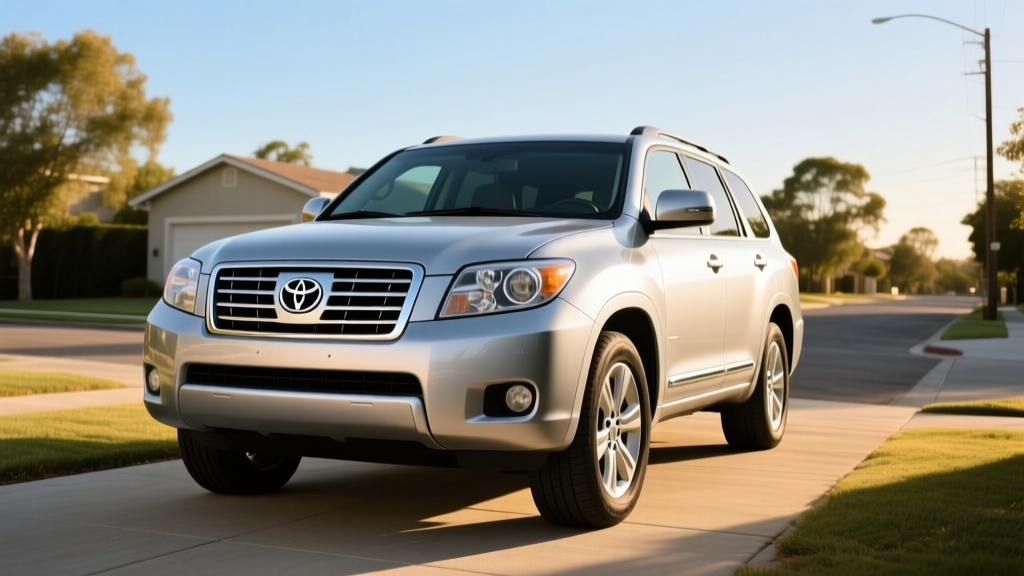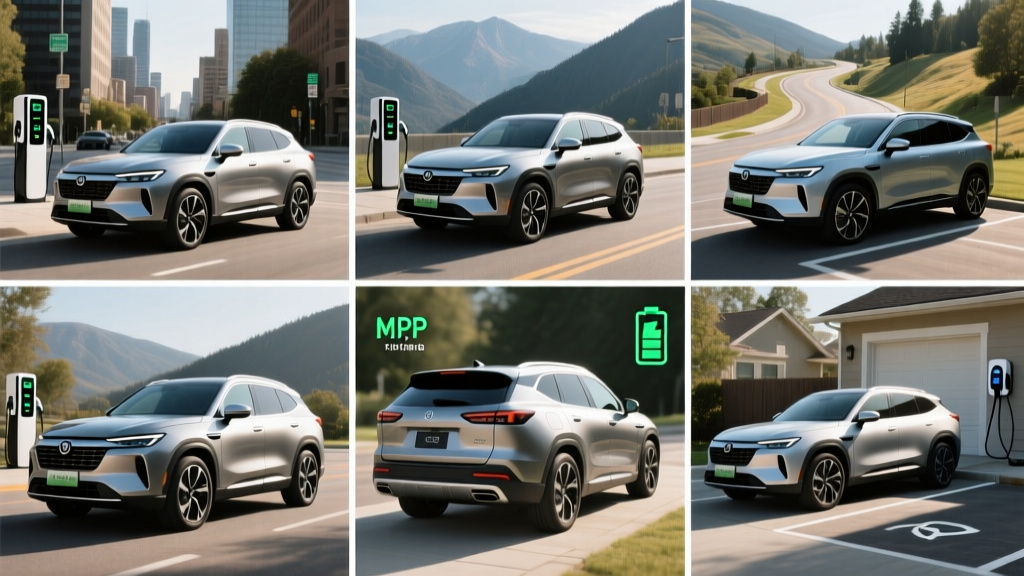
The term "hybrid shark" has become shorthand among SUV shoppers for midsize hybrid crossovers with aggressive styling, sharp efficiency, and a bite when you step on the throttle. If you've been searching for a hybrid shark that balances fuel-sipping city manners with enough electric-only range to cover a daily commute, you've landed in the right deep end.
Below we dissect two of the most talked-about nameplates that fit the hybrid-shark mold for the 2026 model year: the Toyota Highlander Hybrid (a conventional HEV) and the Hyundai Santa Fe Plug-In Hybrid (a PHEV). Both seat up to seven, both wear predatory grilles, but their powertrains serve very different owners.
HEV vs PHEV: Know Before You Dive In
Before comparing specs, the single most important distinction:
Conventional Hybrid (HEV)
A small battery (typically 1–2 kWh) is recharged by the engine and regenerative braking. You never plug it in. The electric motor assists the gas engine, cutting fuel consumption 30–50% versus a gas-only counterpart. Think of it as a "more efficient gas car."
Plug-In Hybrid (PHEV)
A larger battery (12–25 kWh) can be charged via a wall outlet or public charger, delivering 25–40 miles of pure electric driving before the gas engine wakes up. After the battery depletes, it operates like a regular hybrid. You can plug it in, but you don't have to.
If your commute is under 35 miles round-trip and you can charge at home, a PHEV lets you drive most weekdays without burning a drop of gas. If you lack home charging access or regularly tow long distances, an HEV eliminates plug-in hassle while still saving fuel.
Spec-by-Spec: Highlander Hybrid vs Santa Fe PHEV
| Spec | 2026 Toyota Highlander Hybrid (HEV) | 2026 Hyundai Santa Fe Plug-In Hybrid (PHEV) |
|---|---|---|
| Powertrain | 2.5L 4-cyl + 2 electric motors | 1.6L turbo 4-cyl + single electric motor |
| Combined Horsepower | 243 hp | 261 hp |
| Drivetrain | AWD (electronic rear motor) | AWD (electronic rear motor) |
| Battery Capacity | 1.73 kWh (NiMH, self-charging) | 22.8 kWh usable (NMC lithium-ion) |
| EPA Electric-Only Range | N/A (no plug) | 35 miles |
| EPA MPG (Combined) | 35 MPG | 33 MPG (hybrid mode) / 79 MPGe (with charge) |
| EPA City / Highway | 35 city / 35 hwy | 33 city / 33 hwy (hybrid mode) |
| Total Range (full tank + charge) | ~635 miles | ~430 miles (35 EV + 395 hybrid) |
| Level 2 Charge Time (0–100%) | N/A | ~3.5 hours at 7.2 kW |
| DC Fast Charging | No | No |
| 0–60 mph | 8.0 sec | 7.6 sec |
| Towing Capacity | 5,000 lbs | 3,500 lbs |
| Base MSRP | $42,320 (LE) | $45,250 (SEL) |
Sources: fueleconomy.gov, Toyota.com, HyundaiUSA.com.
Real-World MPG: Where the Hybrid Shark Earns Its Teeth
EPA stickers are a starting point, not a promise. Here's what owner data and independent testing suggest for daily driving:
| Scenario | Highlander Hybrid (HEV) | Santa Fe PHEV |
|---|---|---|
| City stop-and-go (EPA) | 35 MPG | 33 MPG (hybrid mode) |
| City real-world (owner avg) | 36–38 MPG | 34–36 MPG |
| Highway 75 mph (real-world) | 29–31 MPG | 28–30 MPG |
| Cold weather (below 30°F) city | 30–32 MPG | 28–30 MPG (hybrid) / ~22 mi EV range |
| Daily commute (PHEV charged nightly) | N/A | ~0 gasoline used (under 35 mi) |
Hybrids traditionally beat EPA city estimates because regenerative braking recovers energy in traffic — the exact opposite of gas cars, which waste fuel idling. Highway MPG drops for both because electric assist matters less at steady high speed.
Battery Warranty & Replacement Cost: The Long Game
Hybrid battery anxiety is the #1 buyer objection we hear. The good news: modern hybrid and PHEV batteries are engineered for the life of the vehicle, and federal law mandates robust coverage.
Warranty Snapshot
- Toyota Highlander Hybrid: 10 years / 150,000 miles hybrid battery warranty (all 50 states)
- Hyundai Santa Fe PHEV: 10 years / 100,000 miles high-voltage battery warranty (150,000 mi in CARB states)
- Capacity retention guarantee: Hyundai warrants the PHEV battery against loss below 70% of original capacity during the term
Source: Hyundai Warranty, Toyota Warranty.
Out-of-warranty replacement cost: A Highlander Hybrid battery replacement runs $3,000–$5,000 at a dealership, with refurbished units available for $1,500–$2,500 from independent hybrid specialists. The Santa Fe PHEV's larger 22.8 kWh pack is pricier: $6,500–$9,000 new, reflecting the higher energy density of NMC chemistry. In practice, failures before 200,000 miles are rare — Toyota's hybrid synergy drive has logged billions of real-world miles since the 2001 Prius.
Tax Credits: Does Either Hybrid Shark Qualify?
Federal incentive rules under IRS §30D have tightened considerably. Here's the 2026 landscape:
- Conventional HEV (Highlander Hybrid): Does NOT qualify for the federal §30D clean vehicle credit. HEVs are not plug-in vehicles and are excluded.
- PHEV (Santa Fe Plug-In Hybrid): Eligible for up to $3,750 — not the full $7,500 — because it meets critical-mineral requirements but not the full battery-component sourcing threshold under 2026 rules.
- Income caps (2026): $150,000 single / $225,000 head of household / $300,000 joint filers (modified AGI).
- MSRP cap: SUVs must be under $80,000 — both trims of the Santa Fe PHEV clear this easily.
- Point-of-sale transfer: You can apply the credit as a down-payment reduction at the dealer, rather than waiting for tax-day.
Some states add their own rebates (California's CVRP, Colorado's innovative motor vehicle credit, etc.), but amounts and eligibility change frequently — check your state energy office or the AFDC state law database for current figures.
Always confirm eligibility with a tax professional before purchase; IRS §30D rules are subject to change.
Which Hybrid Shark Is Right for You?
Highlander Hybrid (HEV) Pros & Cons
Pros:
- No plug-in routine — just gas up and go
- 5,000-lb towing capacity (class-leading)
- 35 MPG combined in a 3-row SUV is exceptional
- Toyota's long-proven hybrid reliability record
Cons:
- No electric-only driving mode
- No federal tax credit
- CVT drone under hard acceleration
Santa Fe PHEV Pros & Cons
Pros:
- 35 miles EV range covers most commutes gas-free
- Eligible for up to $3,750 federal credit
- 261 hp turbo gives punchier highway passing
- Standard 10-year/100,000-mi powertrain warranty
Cons:
- Must plug in nightly to maximize EV benefit
- 3,500-lb tow rating trails Highlander
- No DC fast charging — long trips rely on gas engine
- Higher starting MSRP
Choose the Highlander Hybrid if…
- You lack home charging access (apartment, street parking)
- You tow a boat or trailer regularly
- You want the lowest-complexity hybrid ownership experience
- You prioritize proven long-term reliability data
Choose the Santa Fe PHEV if…
- Your daily round-trip commute is under 35 miles
- You can install a Level 2 home charger (or have a 120V garage outlet)
- You want to minimize gasoline use without range anxiety on road trips
- You qualify for the §30D credit and want to apply it at point of sale
Hybrid vs PHEV vs Full EV: The 2026 Decision Matrix
Still weighing whether a hybrid shark is the right species for your garage? Here's a quick framework:
- Choose an HEV if you want better MPG with zero behavior change — no plugging in, no range calculations.
- Choose a PHEV if you want electric daily driving but need gas-engine flexibility for road trips, towing, or cold climates where EV range drops 20–30%.
- Choose a full BEV if you have reliable home charging, drive under 250 miles daily, and want the lowest per-mile energy cost (~$0.04/mi on home electricity vs ~$0.14/mi for hybrid gas).
A PHEV is often the "Goldilocks" choice for one-car households that can't risk a charging-desert road trip but want to cut fuel bills Monday through Friday.
Frequently Asked Questions
How many MPG does the 2026 Highlander Hybrid really get?
The EPA rates it at 35 MPG combined (35 city / 35 highway). Real-world owners commonly report 36–38 MPG in mixed city driving, dropping to 29–31 MPG on sustained 75-mph highway trips. Cold weather costs you roughly 3–5 MPG.
How far can the Santa Fe PHEV go on electric only?
The EPA rates it at 35 miles of pure electric range on a full charge. Expect 30–33 miles in warm weather with moderate HVAC use, and 22–26 miles in sub-freezing temperatures when battery efficiency drops and cabin heating draws power.
Do I have to plug in a hybrid?
No — only plug-in hybrids (PHEVs) benefit from being plugged in. A conventional hybrid like the Highlander Hybrid recharges its small battery through the engine and regenerative braking. You'll never see a charge port on an HEV.
Is the hybrid battery reliable, and what does replacement cost?
Modern hybrid batteries rarely fail before 200,000 miles. Both Toyota and Hyundai cover their hybrid/PHEV batteries for 10 years. Out-of-warranty replacement runs $3,000–$5,000 for the Highlander and $6,500–$9,000 for the Santa Fe PHEV's larger pack.
Does either vehicle qualify for a federal tax credit?
The Highlander Hybrid does not qualify — HEVs are ineligible under §30D. The Santa Fe PHEV qualifies for up to $3,750 in 2026, subject to buyer income caps ($150K single / $300K joint) and the $80,000 SUV MSRP ceiling. Confirm with your tax professional.
Can the Santa Fe PHEV DC fast charge?
No. Like nearly all PHEVs, the Santa Fe charges via Level 1 (120V, ~12 hours) or Level 2 (240V, ~3.5 hours at 7.2 kW). DC fast charging is reserved for full battery-electric vehicles with much larger batteries.