Are Hybrid Car Problems Still a Concern in 2026?
If you've searched for "hybrid car problems" before buying, you're not alone. Early-2000s hybrids earned a reputation for expensive battery failures and quirky powertrain issues that scared off cost-conscious buyers. Two decades later, the picture has changed dramatically — but not every concern has vanished. In this guide, we'll separate documented reliability data from outdated myths, break down the actual costs of hybrid ownership in 2026, and help you decide whether a conventional hybrid (HEV) or plug-in hybrid (PHEV) fits your driving life.
We'll cover real-world MPG performance, battery degradation and replacement costs, federal tax credit eligibility, and the most common problems reported by long-term hybrid owners. Whether you're eyeing a Toyota Prius, Honda Accord Hybrid, or a PHEV like the Toyota RAV4 Prime, the data below will help you buy with confidence.
HEV vs PHEV: Understanding What You're Buying
Before diagnosing problems, you need to know which type of hybrid you're considering. The distinction matters enormously for reliability, charging needs, and tax credit eligibility.
| Feature | Conventional Hybrid (HEV) | Plug-In Hybrid (PHEV) |
|---|---|---|
| Plug in to charge? | No — regenerates via braking & engine | Yes — has a larger battery you plug in |
| Electric-only range | 0–2 miles at low speed | 20–50 miles (model dependent) |
| Battery size | 0.6–1.6 kWh | 11–20 kWh (usable) |
| Federal tax credit (§30D) | Not eligible | Up to $7,500 if eligible |
| Fueling | Gasoline only | Gasoline + electricity |
| Complexity | Lower — smaller battery, simpler system | Higher — larger battery, onboard charger, charging port |
The critical point: conventional hybrids never need to be plugged in. They recharge their small battery through regenerative braking and the gasoline engine. PHEVs have a much larger battery that you charge via a wall outlet or public charger, giving you real electric-only driving before the gas engine kicks in.
Real-World MPG: What Hybrids Actually Deliver
One of the biggest surprises for first-time hybrid owners is that real-world MPG often exceeds EPA estimates in city driving — the opposite of most gas cars. Hybrids recapture energy during stop-and-go braking, so urban commuters frequently beat the sticker. Highway driving is a different story: sustained high speeds reduce the hybrid advantage because regenerative braking opportunities disappear.
| Model (2026) | Type | EPA City | EPA Highway | EPA Combined | Real-World Note |
|---|---|---|---|---|---|
| Toyota Prius LE | HEV | 57 | 56 | 57 | City drivers often see 58–62 mpg; highway drops to ~50 mpg at 75+ mph |
| Honda Accord Hybrid | HEV | 51 | 44 | 48 | Strong city performer; highway efficiency trails Prius due to larger mass |
| Toyota RAV4 Hybrid | HEV | 41 | 38 | 40 | AWD SUV benchmark; expect ~36–38 mpg highway loaded |
| Toyota RAV4 Prime | PHEV | 40 mpg / 94 MPGe | 36 mpg | 38 mpg (hybrid mode) | 42 miles electric-only first; then operates as a 38 mpg hybrid |
| Chrysler Pacifica Hybrid | PHEV | 30 mpg / 82 MPGe | 30 mpg | 30 mpg (hybrid mode) | 32 miles electric; minivan weight limits hybrid-mode efficiency |
| Hyundai Tucson PHEV | PHEV | 35 mpg / 80 MPGe | 33 mpg | 34 mpg (hybrid mode) | 33 miles electric; AWD system adds slight highway drag |
Source: fueleconomy.gov — EPA estimates. Real-world figures compiled from owner reports and long-term testing.
The pattern is clear: if most of your driving is urban or suburban stop-and-go, a hybrid will deliver exceptional efficiency. If you primarily drive 70+ mph on flat interstates, the hybrid advantage narrows — you'll still beat a conventional gas car, but not by the dramatic margins the EPA city number suggests.
Common Hybrid Car Problems: What the Data Actually Shows
Let's address the core question directly. Based on long-term reliability surveys from Consumer Reports, J.D. Power dependability studies, and owner forums, here are the most documented hybrid-specific issues in 2026 — and which ones are largely resolved.
1. Hybrid Battery Degradation and Failure
The concern: The high-voltage traction battery will fail and cost a fortune to replace.
The reality in 2026: Modern hybrid batteries (both HEV and PHEV) use nickel-metal hydride (NiMH) or lithium-ion (NMC/LFP) chemistry with sophisticated thermal management. Catastrophic failure is rare. What does happen is gradual capacity loss — a PHEV that originally delivered 42 miles of electric range might deliver 35–37 miles after 8–10 years. For conventional HEVs, the battery is so small that even 20% degradation is barely noticeable in daily driving because the engine supplements constantly.
Toyota's hybrid battery warranty covers 10 years/150,000 miles (in CARB states) or 8 years/100,000 miles (federal), guaranteeing the battery retains at least 60–70% of original capacity depending on the model year. Hyundai and Kia cover 10 years/100,000 miles. Most hybrid batteries outlast these warranties without needing replacement.
- Toyota/Lexus: 10 yr / 150,000 mi (CARB states) or 8 yr / 100,000 mi (federal) — whichever is longer applies to your state
- Hyundai/Kia: 10 yr / 100,000 mi
- Honda: 8 yr / 100,000 mi (10 yr / 150,000 mi in CARB states)
- Ford: 8 yr / 100,000 mi
- Replacement cost if out of warranty: $2,000–$4,500 (HEV), $6,000–$12,000 (PHEV) depending on model and whether you choose OEM or refurbished
2. Inverter and Power Electronics Failures
The inverter converts DC battery power to AC for the electric motor. Early Prius models (2004–2009) had documented inverter failures, but modern units are far more robust. Inverter failures in 2020+ models are uncommon but not unheard of — when they occur, replacement runs $1,500–$3,000. This is a genuine but low-probability risk.
3. Regenerative Braking System Quirks
Some owners report a "spongy" brake pedal feel or a brief transition shudder when the system switches between regenerative braking and friction brakes. This is more a characteristic than a defect — it's how blended braking systems operate. However, if the transition becomes abrupt or the pedal travels to the floor, that warrants immediate dealer inspection.
4. Engine Start/Stop Vibrations
Hybrids frequently shut off the gas engine at stops and restart it when you accelerate. Some 4-cylinder hybrids produce noticeable vibration during restart. Toyota's latest hybrid systems (fifth-generation, 2023+) have significantly smoothed this transition, but it remains a characteristic of the powertrain type rather than a malfunction.
5. 12V Auxiliary Battery Drain
Ironically, the most common "dead battery" complaint in hybrids involves the small 12V auxiliary battery — not the high-voltage traction battery. If a hybrid sits unused for weeks, the 12V battery can drain, preventing the car from starting even though the main hybrid battery has charge. This is an annoyance, not a hybrid-specific defect, and it's solved with a trickle charger or regular driving.
PHEV-Specific Issues: Charging Hardware and Electric Range
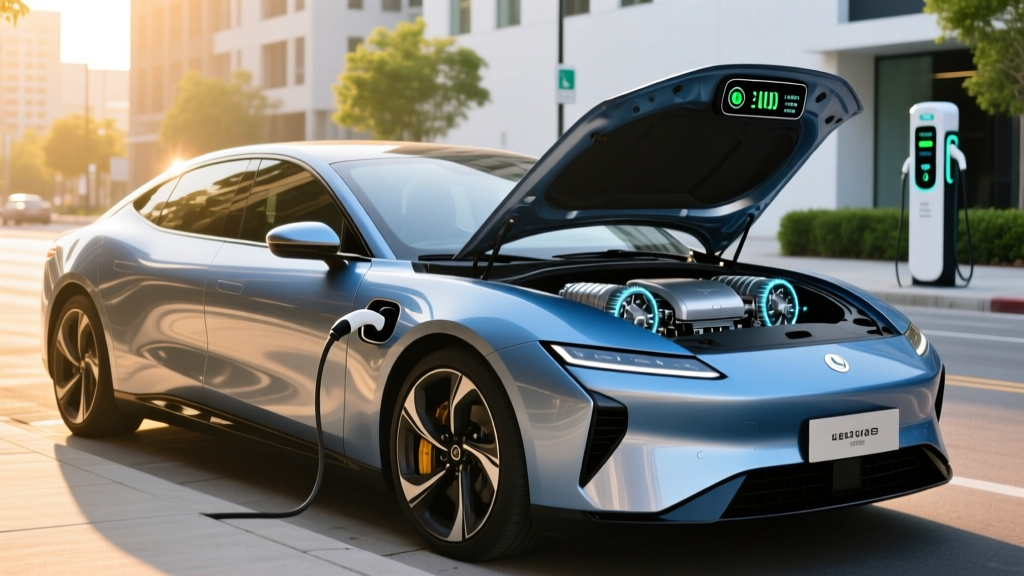
PHEVs introduce complexity that conventional hybrids don't have: a charging port, onboard charger, and a battery large enough to meaningfully drive on electricity alone. Here are the PHEV-specific problems to know about.
| PHEV Model (2026) | Battery (usable kWh) | Electric-Only Range | Level 2 Charge Time | DC Fast Charge? | Combined HP |
|---|---|---|---|---|---|
| Toyota RAV4 Prime | 14.9 kWh (NMC) | 42 miles | ~2.5 hours (6.6 kW) | No | 302 hp |
| Chrysler Pacifica Hybrid | 16.0 kWh (NMC) | 32 miles | ~2 hours (7.2 kW) | No | 260 hp |
| Hyundai Tucson PHEV | 13.8 kWh (NMC) | 33 miles | ~2 hours (7.2 kW) | No | 261 hp |
| BMW X5 xDrive50e | 25.7 kWh (NMC) | 38 miles | ~3.5 hours (7.4 kW) | No | 483 hp |
| Jeep Wrangler 4xe | 17.3 kWh (NMC) | 21 miles | ~2.5 hours (7.2 kW) | No | 375 hp |
Key PHEV reliability concerns:
- Charging port failures: The charge port door latch and locking mechanism can fail, especially in cold climates where ice jams the mechanism. Warranty typically covers this, but it's an inconvenience.
- No DC fast charging: Nearly every PHEV on the market in 2026 charges only on Level 1 (120V) or Level 2 (240V). You cannot use a DC fast charger on a RAV4 Prime or Pacifica Hybrid. This is a deliberate engineering choice — the batteries are small enough that Level 2 fully charges them in 2–3 hours, making DC fast charging unnecessary for most owners.
- Reduced electric range in cold weather: Expect 20–35% less electric-only range in freezing temperatures. A RAV4 Prime rated for 42 miles may deliver 28–33 miles at 20°F because the battery is less efficient and cabin heating draws from the pack.
- Engine starts in cold weather regardless of charge: Many PHEVs automatically start the gas engine in very cold temperatures to provide cabin heat and protect the powertrain, even with a full battery. This frustrates owners expecting pure-electric operation.
Hybrid vs PHEV vs Full EV: Which Fits Your Situation?
The most practical question isn't "which is most reliable" — it's "which powertrain matches how I actually drive and charge." Here's a decision framework based on real ownership patterns.
- You cannot charge at home (apartment, street parking, no garage)
- You want maximum simplicity — no plugs, no charging apps, no range tracking
- Your budget is under $35,000 and you want proven reliability
- You drive 30+ miles daily in mixed city/highway conditions
- You want to minimize maintenance without changing your fueling habits
- You can charge at home (Level 1 or Level 2) and want electric-only commuting
- Your daily round-trip commute is under 40 miles (within electric-only range)
- You take road trips regularly and don't want to plan around charging stations
- You want to reduce gas consumption dramatically without full EV commitment
- You may qualify for the federal §30D tax credit (up to $7,500)
- You can install a Level 2 home charger and want zero gas expenses
- Your daily driving is under 250 miles (well within modern EV range)
- You want the lowest operating cost and minimal drivetrain maintenance
- You want access to the full $7,500 federal tax credit on eligible models
- You're comfortable with public charging infrastructure for road trips
Tax Credits and Pricing: What Hybrids Actually Cost in 2026
Conventional hybrids do not qualify for the federal §30D clean vehicle credit. This credit is reserved for plug-in vehicles (PHEVs and BEVs) that meet battery sourcing, critical mineral, MSRP cap, and buyer income requirements.
- Vehicle type: Must be a PHEV or BEV (conventional HEVs excluded)
- MSRP cap: Vans/SUVs/pickups ≤ $80,000; sedans/other ≤ $55,000
- Buyner income cap: AGI ≤ $300,000 (joint), $225,000 (head of household), $150,000 (single)
- Battery sourcing: Critical minerals and battery components must meet phased-in domestic/FAT content thresholds (tightening annually through 2030)
- Point-of-sale transfer: Eligible buyers can transfer the credit to the dealer for an immediate price reduction at purchase
- Source: IRS §30D Clean Vehicle Credits
PHEV pricing examples (2026 base MSRP):
- Toyota RAV4 Prime SE: ~$44,500 (SUV MSRP cap applies; may qualify for up to $7,500 credit depending on sourcing compliance)
- Hyundai Tucson PHEV SEL: ~$39,500 (credit eligibility varies by model year sourcing)
- Chrysler Pacifica Hybrid: ~$51,000 (may qualify if under $80,000 cap and sourcing requirements met)
For conventional hybrids, the value proposition is simpler: lower purchase price, no charging infrastructure needed, and fuel savings that typically pay back the hybrid premium within 3–5 years for drivers covering 12,000+ miles annually.
Is Hybrid Battery Replacement Really That Expensive?
This is the number-one fear driving "hybrid car problems" searches. Let's put it in perspective with actual 2026 replacement costs.
| Model | Battery Type | OEM Replacement Cost | Refurbished/Aftermarket | Likelihood Before 150k Miles |
|---|---|---|---|---|
| Toyota Prius (HEV) | 0.9–1.4 kWh NiMH/Li-ion | $2,500–$3,800 | $1,200–$2,000 | Low — <5% of owners report replacement |
| Toyota RAV4 Hybrid | 1.6 kWh NiMH | $3,000–$4,500 | $1,500–$2,500 | Low |
| Toyota RAV4 Prime (PHEV) | 14.9 kWh NMC Li-ion | $8,000–$12,000 | $5,000–$7,500 | Very low — most under warranty at typical mileage |
| Honda Accord Hybrid | 1.3 kWh Li-ion | $2,000–$3,500 | $1,000–$1,800 | Low |
| Chrysler Pacifica Hybrid | 16.0 kWh NMC | $7,500–$10,000 | $4,500–$6,500 | Moderate — early models (2017–2019) had higher failure rates |
The honest take: For conventional hybrids, battery replacement cost is modest and the probability of needing one within the warranty period is low. For PHEVs, the battery is larger and more expensive, but it's also covered by a longer, more comprehensive warranty because the vehicle depends on it for electric-only operation. The vehicles with the highest battery replacement risk are older PHEVs from 2017–2019 that are now aging out of warranty — a consideration if you're buying used.
According to Consumer Reports reliability data, Toyota and Lexus hybrids consistently rank among the most reliable vehicles in their lineup, with hybrid powertrains actually outlasting conventional automatic transmissions in many model lines. Honda and Hyundai hybrids also perform well, though Honda's early two-motor hybrid system (2014–2018 Accord Hybrid) had documented clutch and software issues that have since been resolved.
Bottom Line: Should Hybrid Reliability Concerns Stop You?
- 20+ years of proven hybrid technology with continuous refinement
- Battery warranties of 8–10 years cover the vast majority of ownership
- Toyota/Lexus hybrid systems have among the lowest failure rates in the industry
- Real-world fuel savings of $800–$1,500/year vs comparable gas vehicles
- No charging infrastructure required (HEV)
- Lower lifetime maintenance costs (regenerative braking extends pad life; no alternator, starter motor, or serpentine belt in many hybrids)
- PHEV battery replacement is expensive if out of warranty ($6,000–$12,000)
- Some older PHEVs (2017–2019) had higher battery issue rates — research specific model years
- Inverter replacement is rare but costly ($1,500–$3,000)
- PHEVs may start the gas engine in cold weather despite a full battery
- 12V battery drain if the vehicle sits unused for extended periods
- Hybrid premium over gas models ($1,500–$5,000) takes years to recoup at low mileage
For most buyers in 2026, hybrid car problems are not a reason to avoid the powertrain. The technology is mature, warranties are strong, and the fuel savings are real. The key is choosing the right type of hybrid for your situation — and if you're buying a used PHEV, verifying the battery's state of health before purchase.
Frequently Asked Questions
How many MPG does a hybrid actually get in real driving?
Most conventional hybrids meet or exceed their EPA combined rating in city driving. A Toyota Prius LE rated at 57 mpg combined regularly achieves 58–62 mpg in urban commuting. Highway driving at 75+ mph typically drops efficiency to 48–52 mpg. PHEVs deliver their electric-only range first (20–42 miles depending on model), then operate as conventional hybrids at 30–40 mpg.
How far can a PHEV go on electric only?
Current 2026 PHEVs offer 21–42 miles of electric-only range. The Toyota RAV4 Prime leads at 42 miles, the Hyundai Tucson PHEV delivers 33 miles, and the Jeep Wrangler 4xe provides 21 miles. Expect 20–35% less range in freezing temperatures. Once the battery is depleted, the gas engine takes over and the vehicle operates as a conventional hybrid.
Is a hybrid reliable and what does battery replacement cost?
Modern hybrids from Toyota, Honda, and Hyundai are among the most reliable vehicles on the road. Battery replacement costs range from $2,000–$4,500 for conventional hybrids and $6,000–$12,000 for PHEVs, but most batteries last well beyond their 8–10 year warranties. According to J.D. Power Vehicle Dependability Studies, hybrid powertrains consistently rank above conventional automatic transmissions in long-term reliability.
Do hybrid cars qualify for any tax credit?
Conventional hybrids (HEVs) do not qualify for the federal §30D clean vehicle credit. Plug-in hybrids (PHEVs) may qualify for up to $7,500 if the vehicle meets MSRP caps ($55,000 for sedans, $80,000 for SUVs/vans/pickups), buyer income limits, and battery component/critical mineral sourcing requirements. Eligibility changes as sourcing rules tighten annually — always verify current rules at irs.gov or consult a tax professional before purchasing.
What's the most common hybrid problem in 2026?
The most frequently reported issue is 12V auxiliary battery drain when the vehicle sits unused for weeks — not a hybrid-specific defect but one that catches owners off guard since the main traction battery appears charged. Beyond that, gradual hybrid battery capacity loss (reducing PHEV electric range by 10–20% over 8–10 years) is the most common age-related issue. Catastrophic battery or inverter failures are statistically rare in post-2020 models.
Should I buy a hybrid, PHEV, or full EV?
If you can't charge at home, choose a conventional hybrid. If you can charge at home and commute under 40 miles daily but still take road trips, a PHEV gives you electric commuting with gas-powered flexibility. If you can install a Level 2 home charger, drive under 250 miles daily, and want the lowest operating cost, a full EV is the most economical long-term choice. Each powertrain solves a different problem — match it to your actual driving pattern, not your aspirational one.