Hybrids and plug-in hybrids offer a compelling middle ground between gas cars and full EVs — but their insurance costs don't always mirror their gas-only counterparts. If you're researching a hybrid purchase, understanding how insurers price HEVs versus PHEVs, what battery coverage actually includes, and which models cost the least to insure can save you hundreds per year.
Why Hybrid Car Insurance Costs Differ From Gas Cars
Insurance premiums for hybrids are shaped by several factors unique to electrified powertrains. Repair complexity is the primary driver: hybrid battery packs, power electronics, and regenerative braking systems require specialized training and parts that cost more than conventional drivetrain components. A rear-end collision that totals a gas car's exhaust system might instead damage a hybrid's high-voltage cabling or battery enclosure, pushing repair bills higher.
However, hybrids also benefit from factors that lower premiums. Many hybrid models — particularly Toyota's lineup — rank among the most reliable vehicles on the road, which reduces comprehensive and collision claim frequency. Hybrids are also statistically driven fewer miles annually than gas cars, according to industry actuarial data, which some insurers reward with lower rates.
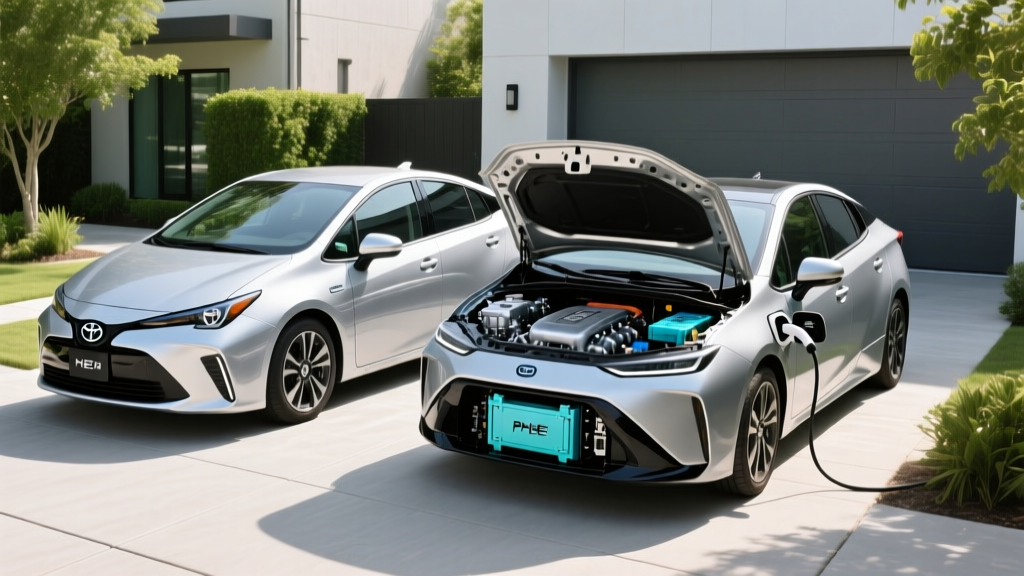
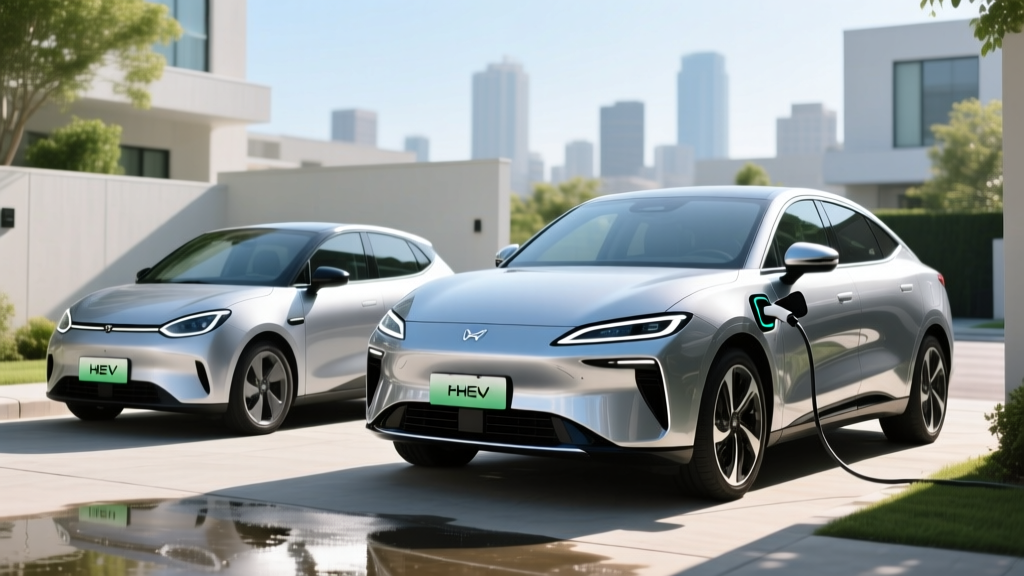
HEV vs PHEV: Insurance Implications
| Factor | Conventional Hybrid (HEV) | Plug-in Hybrid (PHEV) |
|---|---|---|
| Battery size | 1–2 kWh | 13–25 kWh (typical) |
| Repair complexity | Moderate | Higher (larger HV system, onboard charger) |
| Theft risk | Low (small battery, low scrap value) | Moderate (larger battery, more valuable components) |
| Average annual premium (2026 est.) | $1,650–$2,100 | $1,900–$2,600 |
| Tax credit eligible | No | Potentially (see §30D rules) |
Real-World Hybrid Insurance Costs by Model
Premiums vary dramatically by model, trim, driver profile, and state. Below are estimated 2026 annual premiums for full-coverage policies (liability + comprehensive + collision, $500 deductible) for a 35-year-old driver with a clean record. Actual quotes will differ — always compare from at least three insurers.
| Model (2026) | Type | EPA MPG / Range | Est. Annual Premium |
|---|---|---|---|
| Toyota Prius LE | HEV | 57 city / 56 hwy / 57 combined | $1,580–$1,800 |
| Toyota Prius Prime SE | PHEV | 44 mi electric + 50 MPG hybrid | $1,850–$2,150 |
| Honda Accord Hybrid Sport | HEV | 51 city / 44 hwy / 48 combined | $1,700–$1,950 |
| Toyota RAV4 Hybrid XLE | HEV | 41 city / 38 hwy / 40 combined | $1,750–$2,050 |
| Toyota RAV4 Prime SE | PHEV | 42 mi electric + 38 MPG hybrid | $2,100–$2,500 |
| Ford Escape PHEV | PHEV | 37 mi electric + 40 MPG hybrid | $1,950–$2,300 |
| Hyundai Tucson PHEV SEL | PHEV | 33 mi electric + 35 MPG hybrid | $2,000–$2,400 |
The Toyota Prius remains the cheapest hybrid to insure, thanks to its low MSRP, exceptional reliability record, and low theft rates. PHEVs generally cost 10–20% more to insure than their HEV siblings due to larger battery packs and higher repair costs.
How MPG Affects Your Total Hybrid Ownership Cost
Insurance is just one piece of the ownership puzzle. The real savings come from fuel economy — and here, hybrids consistently outperform their EPA stickers in city driving thanks to regenerative braking and electric motor assist at low speeds.
| Model | EPA Combined | Real-World City (observed) | Real-World Highway (observed) | Annual Fuel Cost* |
|---|---|---|---|---|
| Prius LE (HEV) | 57 MPG | 58–62 MPG | 50–54 MPG | $850 |
| Accord Hybrid (HEV) | 48 MPG | 50–54 MPG | 42–46 MPG | $1,010 |
| RAV4 Hybrid (HEV) | 40 MPG | 41–44 MPG | 35–38 MPG | $1,210 |
| Prius Prime (PHEV) | 50 MPG + 127 MPGe | Varies by charge habits | 44–48 MPG (hybrid mode) | $500–$900 |
| RAV4 Prime (PHEV) | 38 MPG + 94 MPGe | Varies by charge habits | 33–36 MPG (hybrid mode) | $700–$1,200 |
*Based on 15,000 miles/year, $3.40/gallon regular, 55% city / 45% highway driving. PHEV costs assume daily home charging for electric-only commutes. Source: fueleconomy.gov
For PHEV owners who charge daily and commute within the electric-only range, fuel costs can drop below $500/year. But if you rarely plug in, a PHEV's extra weight (from the larger battery) actually makes it less efficient in hybrid mode than a comparable HEV — a factor many buyers overlook.
PHEV Electric-Only Range and Battery Specs
Plug-in hybrids vary significantly in electric-only capability. Here's what the major 2026 PHEVs offer:
| Model | Battery (kWh usable) | Electric Range (EPA) | Total Range | L2 Charge Time (0–100%) | DC Fast Charge? |
|---|---|---|---|---|---|
| Prius Prime SE | 13.6 kWh | 44 miles | ~510 miles | ~4 hours (Level 2, 240V) | No |
| RAV4 Prime SE | 18.1 kWh | 42 miles | ~600 miles | ~2.5 hours | No |
| Ford Escape PHEV | 14.4 kWh | 37 miles | ~520 miles | ~3.5 hours | No |
| Hyundai Tucson PHEV | 13.8 kWh | 33 miles | ~440 miles | ~3 hours | No |
| Jeep Wrangler 4xe | 17.3 kWh | 22 miles | ~370 miles | ~2 hours | No |
Key insight: None of the mainstream PHEVs listed above support DC fast charging. All charge via Level 1 (120V household outlet, ~8–12 hours) or Level 2 (240V, ~2–4 hours). If you need rapid top-ups on road trips, a PHEV won't offer that — but the gas engine eliminates range anxiety entirely.
Battery Warranty and Replacement Costs
Hybrid Battery Warranty: What's Covered
Federal emissions regulations mandate that hybrid and PHEV batteries carry a minimum warranty of 8 years / 80,000 miles. In California Air Resources Board (CARB) states — including California, New York, Massachusetts, and several others — that extends to 10 years / 150,000 miles.
Toyota, Honda, and Hyundai all meet or exceed these minimums. The warranty covers battery capacity loss below a manufacturer-defined threshold (typically 60–70% of original capacity) and defects in the high-voltage system.
Battery replacement costs remain a top concern for hybrid buyers. Here's what to expect if you're outside warranty:
| Model | Battery Replacement Cost (parts + labor) | Typical Lifespan |
|---|---|---|
| Prius (HEV) | $2,500–$4,000 | 150,000–200,000+ miles |
| Prius Prime (PHEV) | $5,000–$7,500 | 120,000–180,000+ miles |
| RAV4 Hybrid (HEV) | $3,000–$5,000 | 150,000–200,000+ miles |
| RAV4 Prime (PHEV) | $7,000–$10,000 | 120,000–170,000+ miles |
| Accord Hybrid (HEV) | $2,800–$4,500 | 150,000–200,000+ miles |
In practice, modern hybrid batteries — particularly Toyota's nickel-metal hydride and lithium-ion packs — routinely exceed 200,000 miles with minimal degradation. The smaller batteries in HEVs experience shallower charge/discharge cycles, which extends their life. PHEV batteries work harder (deeper cycles, more frequent charging) and may degrade faster, but the 8–10 year warranty window covers most ownership periods.
Tax Credits: Which Hybrids Qualify?
Under the current IRS §30D rules, conventional hybrids (HEVs) do not qualify for any federal tax credit. Only plug-in hybrids with a battery capacity of at least 7 kWh may be eligible — and even then, the credit is subject to strict requirements:
- Battery sourcing: Critical minerals and battery components must meet escalating domestic-content thresholds (check IRS §30D guidance for current-year rules).
- MSRP cap: Vans, SUVs, and pickup trucks must be under $80,000 MSRP; sedans under $55,000.
- Income cap: Modified adjusted gross income cannot exceed $150,000 (single), $225,000 (head of household), or $300,000 (joint).
- Assembly: Vehicle must undergo final assembly in North America.
- Point-of-sale transfer: Eligible buyers can transfer the credit to the dealer at purchase, reducing the sale price directly.
As of 2026, qualifying PHEVs include the Jeep Wrangler 4xe (up to $3,750 credit) and the Chrysler Pacifica PHEV (up to $7,500 credit, subject to sourcing compliance). The Prius Prime and RAV4 Prime have faced sourcing-related credit reductions in recent years — always verify current eligibility on the IRS Clean Vehicle Provisions page before purchasing.
Hybrid vs PHEV vs EV: Which Fits You?
Choose a Conventional Hybrid (HEV) If:
- You can't charge at home or work (no garage, no outlet access)
- Your budget is under $32,000
- You want maximum simplicity — no plug, no charging apps, no range planning
- You drive 12,000+ miles/year and want proven, low-maintenance efficiency
- Insurance cost is a priority (HEVs are typically cheapest to insure)
Choose a Plug-in Hybrid (PHEV) If:
- You can charge at home (Level 1 or Level 2) and commute under 40 miles round-trip
- You want electric-only daily driving but gas flexibility for road trips
- You may qualify for a federal or state tax credit
- You're not ready for full EV range limitations in cold weather or towing
Choose a Full EV (BEV) If:
- You can install Level 2 home charging
- You want the lowest per-mile fuel cost and minimal maintenance
- Your daily driving is predictable and within 250+ miles
- You want to qualify for the full $7,500 federal tax credit (subject to eligibility)
How to Lower Your Hybrid Car Insurance Premium
Hybrid owners have several levers to reduce insurance costs:
Bundle and compare. Insurers like GEICO, Progressive, and State Farm offer hybrid-specific discounts in some states. Always quote at least three carriers — premium spreads of $400–$600/year between insurers are common for the same hybrid model.
Raise your deductible. Moving from a $500 to a $1,000 deductible typically drops your premium by 15–25%. Since hybrid repair costs are front-loaded (expensive battery/electronics repairs that exceed either deductible anyway), the higher deductible is often a rational trade-off.
Low-mileage discounts. If you drive under 7,500 miles/year — common for PHEV owners who commute on electric — insurers like Metromile, Root, and Nationwide's smart-ride programs can reduce premiums by 20–40%.
Verify battery coverage. Your auto insurance policy's comprehensive coverage typically covers the hybrid battery in the event of an accident, theft, or natural disaster. However, battery degradation or failure from age/wear is covered by the manufacturer's powertrain warranty, not your insurance. Don't pay for redundant coverage.
Pros: Hybrid Insurance
- Often cheaper to insure than comparable full EVs
- HEVs among cheapest vehicles to insure in their class
- Low theft rates (especially HEVs with small batteries)
- Strong reliability reduces claim frequency
- Low-mileage discounts available for many owners
Cons: Hybrid Insurance
- PHEVs cost 10–20% more to insure than HEV equivalents
- Specialized repair shops required for HV system damage
- Battery damage in a collision can total the vehicle
- Higher parts costs for power electronics and inverters
- Some insurers lack hybrid-specific expertise in claims handling
Frequently Asked Questions
How many MPG does a hybrid get?
It depends on the model. The 2026 Toyota Prius achieves an EPA-rated 57 MPG combined (57 city / 56 highway). The Honda Accord Hybrid gets 48 MPG combined (51 city / 44 highway). SUVs like the RAV4 Hybrid achieve 40 MPG combined. In real-world city driving, most hybrids exceed their EPA city rating by 2–5 MPG thanks to regenerative braking. Highway MPG often falls 3–6 MPG below the sticker due to reduced electric-motor assist at sustained high speeds.
How far can a PHEV go on electric only?
The 2026 Toyota Prius Prime leads with 44 miles of EPA-rated electric-only range. The RAV4 Prime offers 42 miles, the Ford Escape PHEV provides 37 miles, and the Hyundai Tucson PHEV delivers 33 miles. Once the battery is depleted, the gas engine engages seamlessly — total combined range typically exceeds 400–600 miles. Cold weather reduces electric range by roughly 20–30%.
Is hybrid battery replacement expensive?
Outside of warranty, HEV battery replacement runs $2,500–$5,000, while PHEV batteries cost $5,000–$10,000. However, most hybrid batteries last 150,000–200,000+ miles, and all are covered for at least 8 years / 80,000 miles (10 years / 150,000 miles in CARB states). Many owners never need a replacement.
Do hybrids qualify for a federal tax credit?
Conventional hybrids (HEVs) do not qualify for any federal tax credit. Plug-in hybrids (PHEVs) with batteries of 7 kWh or more may qualify for up to $7,500 under IRS §30D, but eligibility depends on battery sourcing requirements, MSRP caps, buyer income limits, and North American assembly. Check current rules at irs.gov before purchasing.
Is hybrid car insurance more expensive than gas car insurance?
It depends on the model. HEVs like the Prius and Accord Hybrid often cost the same or slightly less to insure than their gas-only equivalents, thanks to strong reliability and low theft rates. PHEVs typically cost 10–20% more to insure due to larger, more expensive battery packs and complex powertrains. Compared to full EVs, both HEVs and PHEVs are generally cheaper to insure.
Does my insurance cover the hybrid battery?
Comprehensive auto insurance covers the hybrid battery in the event of a collision, theft, vandalism, or natural disaster. It does not cover battery degradation or age-related failure — that's the manufacturer's responsibility under the 8–10 year powertrain warranty. You do not need a separate battery insurance policy.
Insurance estimates in this article are based on 2026 industry averages for a 35-year-old driver with a clean record, full coverage, and a $500 deductible. Actual premiums vary by state, insurer, driving history, and credit score. Always obtain personalized quotes from licensed insurers. Tax credit information reflects current IRS §30D rules and is subject to change — consult a tax professional for eligibility guidance.