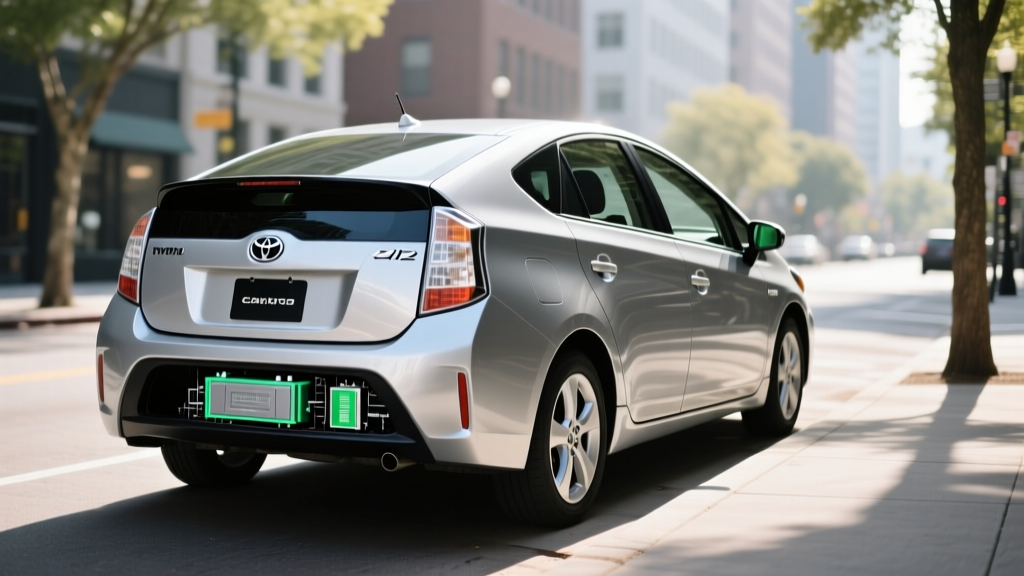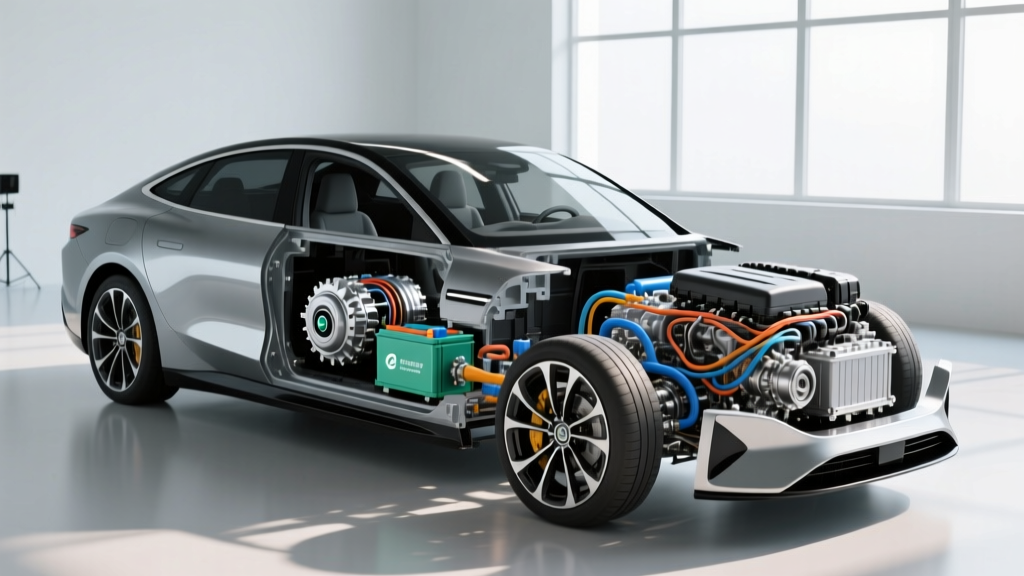
If you've ever wondered how a vehicle can sip fuel in stop-and-go traffic yet still deliver highway passing power, the answer lies in the hybrid powertrain. Unlike a pure battery-electric vehicle (BEV) or a conventional gas car, a hybrid pairs an internal combustion engine with one or more electric motors and a small battery pack. The result is a system that recaptures energy a gas car would waste as heat and uses it to reduce fuel consumption — sometimes dramatically.
But "hybrid" now covers two very different architectures: the conventional hybrid (HEV), which never plugs in, and the plug-in hybrid (PHEV), which offers a meaningful electric-only driving range before the gas engine kicks in. Understanding how each works — and which fits your driving pattern — is the key to making a smart purchase.
The Core Idea: Two Power Sources, One Drivetrain
Every hybrid vehicle uses two energy sources: a gasoline engine and an electric motor powered by a battery. The electric motor provides torque at low speeds (where gas engines are least efficient), while the gasoline engine takes over at higher speeds and under heavy load. A power control unit (PCU) manages the handoff between the two, often so seamlessly that the driver never feels the transition.
There are three main hybrid architectures:
- Parallel hybrid: Both the engine and motor can drive the wheels directly. The Toyota Prius uses a power-split device (a planetary gearset) that blends both sources — this is technically a parallel-series hybrid.
- Series hybrid: Only the electric motor drives the wheels. The gas engine acts as a generator to charge the battery. The now-discontinued BMW i3 REx was a close example.
- Series-parallel (power-split): The system can operate in either mode depending on conditions. Most modern hybrids, including Toyota's Hybrid Synergy Drive and Ford's hybrid system, use this approach.
In all cases, regenerative braking is a defining feature. When you lift off the accelerator or press the brake pedal, the electric motor reverses direction and acts as a generator, converting kinetic energy back into electrical energy stored in the battery. This is why hybrids shine in city driving — every stop light becomes a mini charging event.
HEV vs PHEV: What's the Actual Difference?
The distinction between a conventional hybrid and a plug-in hybrid is one of the most common points of confusion for buyers. Here's the clearest way to think about it:
Conventional Hybrid (HEV)
- Battery size: 0.5–2.0 kWh (very small)
- Plugs in? No — charges only via regenerative braking and the gas engine
- Electric-only driving: Minimal, typically under 1 mile at very low speeds
- Primary benefit: 30–50% better fuel economy than a comparable gas car
- Examples: 2026 Toyota Prius (57 MPG combined), 2026 Honda CR-V Hybrid (40 MPG combined)
Plug-In Hybrid (PHEV)
- Battery size: 10–25 kWh (much larger, but smaller than a BEV)
- Plugs in? Yes — via Level 1 (120V) or Level 2 (240V) charging; most cannot DC fast charge
- Electric-only range: 20–50 miles EPA, enough for many daily commutes
- Primary benefit: Electric commuting with gas-engine backup for road trips
- Examples: 2026 Toyota RAV4 Prime (42 mi electric, 94 MPGe), 2026 Jeep Wrangler 4xe (22 mi electric, 49 MPGe)
The HEV is the simpler ownership proposition: you fuel it like any gas car and enjoy better mileage with zero behavior change. The PHEV rewards you for plugging in — if you charge daily, you may burn almost no gasoline for months. But if you never plug in a PHEV, you're hauling around a heavy, depleted battery and getting worse fuel economy than a comparable HEV.
Real-World MPG: EPA Stickers vs What You'll Actually See
Hybrid fuel economy varies significantly depending on driving conditions. Here's a data table of current popular models with EPA figures and real-world expectations:
| 2026 Model | Type | EPA City | EPA Highway | EPA Combined | Real-World Expectation |
|---|---|---|---|---|---|
| Toyota Prius LE | HEV | 57 MPG | 56 MPG | 57 MPG | 50–62 MPG (exceeds EPA in city) |
| Toyota Prius Prime SE | PHEV | — | — | 127 MPGe / 52 MPG gas-only | 44 mi electric; 48–55 MPG after depletion |
| Honda CR-V Hybrid Sport | HEV | 43 MPG | 36 MPG | 40 MPG | 36–44 MPG (city-favoring) |
| Toyota RAV4 Prime | PHEV | — | — | 94 MPGe / 38 MPG gas-only | 42 mi electric; 34–40 MPG after depletion |
| Hyundai Tucson PHEV | PHEV | — | — | 80 MPGe / 35 MPG gas-only | 33 mi electric; 31–37 MPG after depletion |
| Ford Maverick Hybrid | HEV | 40 MPG | 33 MPG | 37 MPG | 33–42 MPG (city truck efficiency) |
A key insight: hybrids often exceed their EPA city rating in real-world stop-and-go driving because regenerative braking is most effective at lower speeds. Highway driving, where the gas engine does most of the work and regenerative braking is minimal, tends to yield numbers below the EPA highway estimate. This is the opposite of gas-only cars, which typically get better mileage on the highway.
For PHEVs, the MPGe figure (miles per gallon equivalent) reflects efficiency while running on electricity. Once the battery depletes, the vehicle operates as a conventional hybrid, and the gas-only MPG becomes the relevant number. Data from fueleconomy.gov provides both figures for every PHEV sold in the US.
Under the Hood: Powertrain Specs That Matter
Hybrid powertrains are rated by combined system output — the total horsepower and torque available when the engine and motor work together. Here's what the numbers look like for popular 2026 models:
| Model | Engine | Combined HP | Battery (kWh) | 0–60 mph | Electric Range (PHEV) |
|---|---|---|---|---|---|
| Toyota Prius LE (HEV) | 2.0L I4 | 194 hp | ~1.0 kWh | 7.2 sec | N/A |
| Toyota Prius Prime (PHEV) | 2.0L I4 | 220 hp | 13.6 kWh | 6.6 sec | 44 mi EPA |
| Toyota RAV4 Prime (PHEV) | 2.5L I4 | 302 hp | 18.1 kWh | 5.7 sec | 42 mi EPA |
| Honda CR-V Hybrid (HEV) | 2.0L I4 | 204 hp | ~1.1 kWh | 7.6 sec | N/A |
| Hyundai Tucson PHEV | 1.6L Turbo I4 | 261 hp | 13.8 kWh | 7.1 sec | 33 mi EPA |
Notice that PHEVs tend to have significantly more combined horsepower than their HEV counterparts. The RAV4 Prime's 302 hp makes it the quickest RAV4 ever sold — a side benefit of the larger electric motor and battery. This performance advantage is one reason PHEVs command a price premium beyond just their electric range.
PHEV Charging: What to Expect
PHEV batteries are small enough that Level 1 charging (a standard 120V household outlet) is genuinely practical. Here's typical charging times:
- Level 1 (120V, ~1.4 kW): 8–12 hours for a full charge — overnight is sufficient for most PHEVs
- Level 2 (240V, 3.3–7.2 kW): 2–4 hours for a full charge
- DC fast charging: Most PHEVs do not support DC fast charging. The Mitsubishi Outlander PHEV is a rare exception, accepting up to 22 kW DC — still far below BEV speeds
For a PHEV owner, a dedicated Level 2 home charger is convenient but not essential. Many owners plug into a standard outlet each night and wake up with a full battery every morning. The EPA's fueleconomy.gov site lists charge times for every PHEV model.
Battery Longevity, Warranty, and Replacement Cost
Hybrid Battery Warranty — Federal Minimum
By federal mandate, all hybrid and PHEV battery packs carry a minimum warranty of 8 years / 100,000 miles. In California Air Resources Board (CARB) states — which include CA, CO, CT, ME, MD, MA, NJ, NY, OR, RI, VT, and WA — the warranty extends to 10 years / 150,000 miles for emissions-related components including the hybrid battery.
Many manufacturers exceed these minimums. Toyota, for instance, covers hybrid batteries for 10 years / 150,000 miles nationwide on current models.
Hybrid battery degradation is far less dramatic than many buyers fear. HEV batteries are small and rarely cycle deeply — the system keeps them in a narrow state-of-charge window (roughly 40–80%) to maximize longevity. Real-world data shows many Toyota Prius batteries lasting 150,000–200,000+ miles before needing replacement.
PHEV batteries cycle more deeply (you charge to 100% and discharge to near-empty daily), but they're also larger and built with more robust thermal management. The IIHS and long-term owner surveys consistently show hybrid battery failures are rare within the warranty period.
If replacement is needed out of warranty:
- HEV battery replacement: $2,000–$4,000 for a new OEM pack; refurbished packs available for $1,000–$2,000
- PHEV battery replacement: $4,000–$8,000 depending on capacity and model
- Individual cell/module repair: Some specialists can replace individual degraded modules for $500–$1,500, extending pack life at lower cost
Pricing, Tax Credits, and Total Cost of Ownership
Hybrids and PHEVs carry a price premium over their gas-only equivalents, but the gap has narrowed considerably. Here's where the 2026 pricing stands:
| Model | Starting MSRP | Federal Tax Credit (§30D) | Effective Price |
|---|---|---|---|
| Toyota Prius LE (HEV) | $29,445 | $0 (HEVs don't qualify) | $29,445 |
| Toyota Prius Prime SE (PHEV) | $34,070 | Up to $3,750* | ~$30,320 |
| Toyota RAV4 Prime SE (PHEV) | $44,590 | Up to $3,750* | ~$40,840 |
| Honda CR-V Hybrid Sport (HEV) | $37,295 | $0 (HEVs don't qualify) | $37,295 |
| Hyundai Tucson PHEV SEL | $39,490 | Up to $3,750* | ~$35,740 |
*Federal PHEV credit under IRS §30D rules: up to $7,500 maximum, but most PHEVs qualify for the $3,750 critical minerals portion only due to battery sourcing requirements. Credit phases out based on buyer income caps ($150K single / $300K joint for new vehicles) and MSRP caps ($55K for sedans / $80K for SUVs and trucks). Point-of-sale transfer is available at participating dealers. Always verify current eligibility with your tax professional.
Conventional hybrids (HEVs) do not qualify for the federal §30D clean vehicle credit because they cannot be plugged in. Some states offer their own rebates for hybrids — check your state energy office for current programs.
5-Year Cost Comparison: Hybrid vs Gas vs PHEV
Assuming 15,000 miles/year, $3.50/gallon gas, and $0.14/kWh electricity:
| Vehicle | Fuel/Energy Cost (5 yr) | Purchase Premium Over Gas Equiv. | Net 5-Year Position |
|---|---|---|---|
| Gas-only Corolla (33 MPG combined) | $7,955 | Baseline | Baseline |
| Prius LE HEV (57 MPG combined) | $4,605 | +$3,000 | +$350 savings |
| Prius Prime PHEV (70% electric / 30% gas) | $2,800 | +$7,500 (before credit) | -$2,355 net cost (or +$1,395 savings with full credit) |
The PHEV math only works if you actually plug in. A PHEV that's never charged becomes an overweight hybrid with worse fuel economy and a higher purchase price. The HEV, by contrast, saves fuel money from day one with zero behavior change.
Hybrid vs PHEV vs EV: Which Fits Your Life?
The Decision Framework
Choose a conventional hybrid (HEV) if:
- You cannot charge at home (apartment, street parking, no garage outlet)
- You want maximum fuel economy with zero lifestyle change
- Your budget doesn't stretch to a PHEV or BEV premium
- You drive mostly in the city where regenerative braking shines
Choose a plug-in hybrid (PHEV) if:
- You can charge at home (even a 120V outlet works) and your daily commute is under 40 miles
- You want electric commuting but need gas-engine flexibility for road trips
- You have a two-car household and want one vehicle to do it all
- You want to reduce fuel consumption without range-anxiety risk
Choose a full battery-electric vehicle (BEV) if:
- You can install a Level 2 home charger and your daily driving is under 250 miles
- You want the lowest per-mile fuel cost and minimal maintenance
- You qualify for the full $7,500 federal tax credit
- You're comfortable planning road trips around DC fast-charging infrastructure
Reliability: What the Data Shows
Hybrids have a long track record — the Prius launched in the US in 2000 — and the data is overwhelmingly positive. Toyota's Hybrid Synergy Drive is among the most reliable powertrains ever produced, with the planetary gearset eliminating the traditional transmission (and its associated failure points). Consumer Reports and J.D. Power consistently rank Toyota and Lexus hybrids at the top of reliability surveys.
Honda's two-motor hybrid system (used in the CR-V Hybrid and Accord Hybrid) is also highly regarded, though it has a shorter track record than Toyota's design. Hyundai/Kia's turbocharged PHEV powertrains are newer and have slightly less long-term data, but early reliability is solid.
The most common hybrid maintenance items are no different from a gas car: oil changes, brake pads (which last significantly longer thanks to regenerative braking), and tire rotations. The hybrid-specific components — battery, inverter, motor — rarely require service within the warranty period.
Frequently Asked Questions
How many MPG does a hybrid car get?
Current 2026 hybrids range from about 35 MPG combined (larger SUVs like the Highlander Hybrid) to 57 MPG combined (Toyota Prius LE). Real-world city driving often exceeds the EPA estimate thanks to regenerative braking, while highway driving may fall 5–10% below the EPA highway number.
How far can a PHEV go on electric only?
Most 2026 PHEVs offer 20–50 miles of EPA-rated electric-only range. The Toyota Prius Prime leads at 44 miles, the RAV4 Prime at 42 miles, and the Hyundai Tucson PHEV at 33 miles. Real-world electric range varies with temperature (cold weather reduces it 15–25%), driving style, and climate control use.
Do conventional hybrids need to be plugged in?
No. A conventional hybrid (HEV) charges its small battery entirely through regenerative braking and the gasoline engine. You fuel it exactly like a gas car. Only plug-in hybrids (PHEVs) benefit from being plugged into an external power source.
Is a hybrid reliable and what does battery replacement cost?
Hybrids are among the most reliable vehicles on the road. The federal minimum battery warranty is 8 years/100,000 miles (10 years/150,000 in CARB states), and many manufacturers now offer 10 years/150,000 miles nationwide. Out-of-warranty HEV battery replacement runs $2,000–$4,000; PHEV batteries cost $4,000–$8,000. Most hybrid batteries last well beyond 150,000 miles.
Does a hybrid qualify for a federal tax credit?
Conventional hybrids (HEVs) do not qualify for the federal §30D clean vehicle credit. Plug-in hybrids (PHEVs) may qualify for up to $7,500, though most current PHEVs receive $3,750 due to battery component and critical mineral sourcing rules. Eligibility depends on buyer income, vehicle MSRP, and battery sourcing — consult the IRS §30D guidance and a tax professional before purchasing.
How does regenerative braking work in a hybrid?
When you lift off the accelerator or press the brake pedal, the electric motor reverses its function and becomes a generator. It converts the vehicle's kinetic energy into electrical energy, which is stored in the hybrid battery. This slows the vehicle while recharging the battery — energy that a conventional car wastes entirely as brake heat.
Will a hybrid save me money compared to a gas car?
It depends on the price premium and your driving. A Prius LE ($29,445) saves roughly $3,350 in fuel over 5 years versus a comparable gas car, but costs about $3,000 more upfront — a net savings of ~$350. Over 10 years, the savings grow substantially. PHEVs offer larger fuel savings but require a higher upfront investment and daily charging to realize the benefit.