Genesis and Electrified SUVs: What's Actually Available?
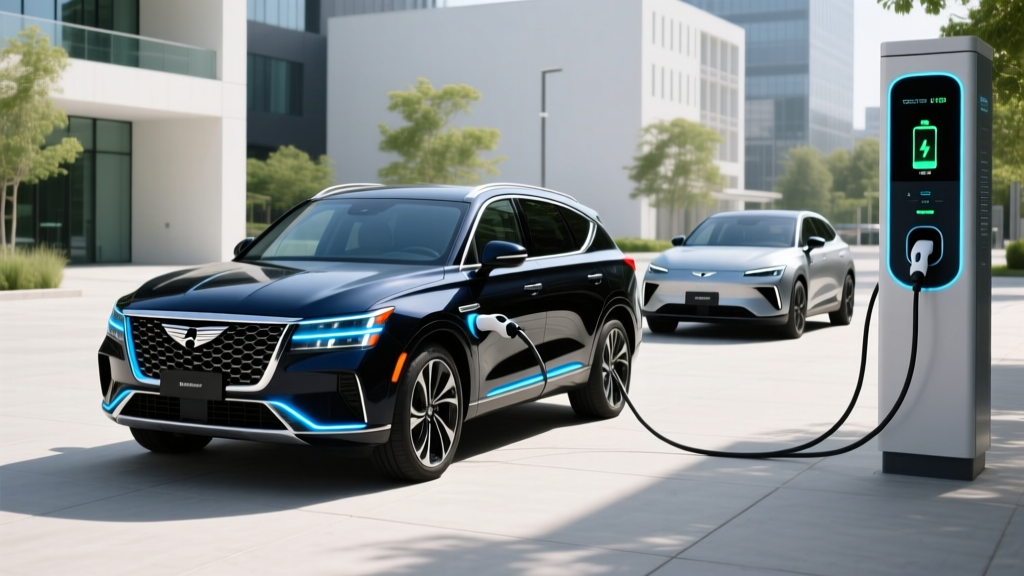
If you've been searching for a luxury SUV with hybrid efficiency and are wondering whether Genesis offers one, the answer requires some nuance. As of the 2026 model year, Genesis does not sell a conventional hybrid (HEV) or plug-in hybrid (PHEV) SUV in the United States. Instead, the brand has committed its electrified SUV strategy to full battery-electric vehicles (BEVs): the Genesis GV60 and the Genesis Electrified GV70.
This is a deliberate choice by Genesis, distinguishing it from competitors like BMW (X5 xDrive50e PHEV), Volvo (XC60 and XC90 Recharge PHEVs), and Lexus (TX 500h hybrid). If hybrid ownership is a priority for you, Genesis currently isn't an option — but their electric SUVs may still serve your needs depending on your driving patterns and charging access.
Below, we'll cover exactly what Genesis offers in its electrified SUV lineup, how these models compare to the hybrid SUVs you might be cross-shopping, and which type of electrified powertrain actually fits your lifestyle.
The Genesis Electrified SUV Lineup for 2026
Genesis currently offers two all-electric SUVs. Neither is a hybrid — both are full BEVs with no internal combustion engine. Here's how they stack up:
| Specification | Genesis GV60 (Advanced AWD) | Genesis Electrified GV70 |
|---|---|---|
| Powertrain Type | BEV (full electric) | BEV (full electric) |
| Battery Usable Capacity | 77.4 kWh (NMC) | 77.4 kWh (NMC) |
| EPA Range | 248 miles | 236 miles |
| Combined Horsepower | 314 hp | 429 hp |
| 0–60 mph | 5.3 seconds | 4.2 seconds |
| Max DC Fast Charge Rate | ~233 kW (peak) | ~233 kW (peak) |
| 10–80% DC Fast Charge Time | ~18 minutes (ideal conditions) | ~18 minutes (ideal conditions) |
| Level 2 Charging (240V) | 10.9 kW (~10.5 hrs full charge) | 10.9 kW (~10.5 hrs full charge) |
| EPA Efficiency (MPGe Combined) | 95 MPGe | 91 MPGe |
| Starting MSRP | ~$53,350 | ~$67,850 |
| Battery/Powertrain Warranty | 10 yr / 100,000 mi | 10 yr / 100,000 mi |
HEV vs PHEV vs BEV: Which Powertrain Fits You?
Since Genesis doesn't offer a hybrid SUV, it's worth understanding how their BEV approach compares to the hybrid alternatives from other luxury brands. Here's a direct breakdown:
| Feature | Conventional Hybrid (HEV) | Plug-In Hybrid (PHEV) | Battery Electric (BEV) — Genesis |
|---|---|---|---|
| Plug In to Charge? | No — charges via regenerative braking and engine | Yes — but can also run on gas alone | Yes — requires charging for all driving |
| Electric-Only Range | ~1 mile or less (low-speed assist only) | 20–40 miles typical | 200–300+ miles typical |
| Gas Engine? | Yes — primary power source | Yes — backup and highway power | No — electric motors only |
| Fuel Economy (combined) | 30–42 MPG typical | 55–80 MPGe (electric) / 25–30 MPG (gas) | 85–110 MPGe (no gas used) |
| Home Charging Needed? | No | Optional, but strongly recommended | Yes — essential for daily use |
| Tailpipe Emissions | Yes | Yes (when engine runs) | None |
| Federal Tax Credit (§30D) | Not eligible | Up to $7,500 (if eligible) | Up to $7,500 (if eligible) |
| Example Models | Lexus TX 500h, Toyota Grand Highlander Hybrid | BMW X5 xDrive50e, Volvo XC60 Recharge | Genesis GV60, Electrified GV70 |
When a BEV Like the Genesis GV60 Makes Sense
You're a strong candidate for a Genesis electric SUV if you have reliable home charging (Level 2, 240V), your daily commute is under 150 miles round-trip, and you want a luxury experience with low running costs and zero tailpipe emissions. Both Genesis BEVs support DC fast charging at rates up to ~233 kW on 800V architecture, meaning road-trip charging stops can be as short as 18–22 minutes for a 10–80% session at compatible stations.
When You Should Look at a Hybrid SUV Instead
If you lack home charging access, regularly drive more than 250 miles between stops, live in an area with sparse DC fast-charging infrastructure, or frequently tow or drive in extreme cold, a PHEV or conventional hybrid from a competitor may be more practical. The BMW X5 xDrive50e (PHEV, ~38 miles electric-only range) or the Lexus TX 500h (conventional hybrid, ~27 MPG combined) are strong alternatives that don't require lifestyle changes around charging.
Federal Tax Credit Eligibility for Genesis Electric SUVs
Because the Genesis GV60 and Electrified GV70 are full BEVs — not hybrids — they may qualify for the federal §30D Clean Vehicle Credit of up to $7,500. However, eligibility depends on several requirements that change frequently and vary by buyer:
- MSRP Cap: SUVs must have an MSRP at or below $80,000. The GV60 qualifies at most trims; the Electrified GV70 may exceed the cap at higher trims.
- Buyer Income Cap: Adjusted gross income must not exceed $150,000 (single), $225,000 (head of household), or $300,000 (joint filers).
- Battery Component Sourcing: A percentage of battery components must be manufactured or assembled in North America, and critical minerals must meet sourcing thresholds. These percentages increase each year under current IRS rules.
- Point-of-Sale Transfer: Eligible buyers can transfer the credit to the dealer at purchase, reducing the sale price directly rather than waiting to claim it on their tax return.
- Final Assembly: The vehicle must undergo final assembly in North America. As of 2026, verify assembly location on the DOE's qualifying vehicle list before purchasing.
Charging the Genesis Electric SUVs: What You Need to Know
Unlike a hybrid SUV that never needs to be plugged in, owning a Genesis BEV means integrating charging into your routine. Here's a practical breakdown:
| Charging Level | Power (kW) | Approximate Speed | Typical Use Case |
|---|---|---|---|
| Level 1 (120V household outlet) | ~1.4 kW | ~3–4 miles of range per hour | Emergency/trickle only — not practical for daily use |
| Level 2 (240V home charger) | 10.9 kW | ~28–32 miles of range per hour | Daily home charging — full charge overnight in ~8–10 hours |
| DC Fast Charging (CCS) | Up to ~233 kW (peak) | 10–80% in ~18 min (ideal) | Road trips — requires 350 kW-capable CCS station for peak speed |
Both Genesis models use the 800V E-GMP platform (shared with Hyundai Ioniq 5 and Kia EV6), which enables exceptionally fast DC charging when paired with a capable station. However, real-world charging speed depends on battery temperature, state of charge, and station output. Expect the charge curve to taper significantly above 80% — a full 80–100% top-off can take as long as the 10–80% session. For daily driving, charging to 80% and using preconditioning before fast-charging stops will optimize your experience.
Genesis has also provided complimentary charging partnerships (historically with Electrify America) for new buyers — typically 3 years of limited complimentary charging. Check current offers with your dealer, as these programs change.
Ownership Costs: Genesis BEV vs Hybrid SUV Competitors
Without a hybrid option, Genesis buyers are choosing between their BEV lineup and competitors' hybrid SUVs. Here's how 5-year ownership costs compare at a high level:
| Cost Factor | Genesis GV60 (BEV) | BMW X5 xDrive50e (PHEV) | Lexus TX 500h (HEV) |
|---|---|---|---|
| Starting MSRP | ~$53,350 | ~$73,500 | ~$64,000 |
| Federal Tax Credit (if eligible) | Up to $7,500 | Up to $7,500 | $0 |
| Fuel/Energy Cost (5 yr) | ~$4,500–$6,000 (electricity) | ~$6,500–$8,500 (gas + electric) | ~$9,000–$11,000 (gas) |
| Maintenance (5 yr) | ~$1,500–$2,500 | ~$4,000–$5,500 | ~$3,000–$4,000 |
| Estimated Insurance (5 yr) | ~$9,000–$12,000 | ~$9,500–$12,500 | ~$8,000–$10,000 |
BEVs typically have lower fuel and maintenance costs over time (no oil changes, fewer brake replacements due to regenerative braking, no transmission fluid). However, insurance premiums for EVs can run 10–20% higher than comparable gas or hybrid vehicles. The GV60's lower starting price and potential tax credit make it competitive on total cost, even without a hybrid variant.
Reliability and Battery Warranty
Genesis, as Hyundai Motor Group's luxury division, benefits from the E-GMP platform's proven track record. The underlying architecture is shared with the Hyundai Ioniq 5 and Kia EV6, which have accumulated significant real-world mileage data since 2022. Battery degradation on this platform has generally been modest — owners typically report 3–6% capacity loss over the first 50,000 miles, well within the warranty threshold.
For comparison, if you were considering a competitor's hybrid SUV: conventional hybrid batteries (typically 1.5–2.5 kWh) also carry 8–10 year / 100,000–150,000 mile warranties from manufacturers like Toyota and Lexus. PHEV batteries (typically 15–25 kWh) carry similar coverage from BMW and Volvo. Hybrid battery replacement costs are generally lower ($2,000–$5,000) compared to BEV battery packs ($10,000–$20,000+ out of warranty), though full BEV battery replacement within the warranty period should cost you nothing.
Decision Framework: Should You Buy Genesis or Look Elsewhere?
- You have Level 2 home charging or can install it
- Your daily driving is under 150 miles round-trip
- You value luxury interiors, strong acceleration, and fast DC charging
- You want zero tailpipe emissions and low running costs
- You're comfortable planning charging stops on road trips (18–22 min every ~180 miles)
- You cannot charge at home or work
- You regularly drive 250+ miles in a day without time for charging stops
- You live in a region with limited DC fast-charging infrastructure
- You frequently tow (hybrids don't lose range while towing like BEVs do)
- You want the simplicity of gas-and-go with better fuel economy than a conventional SUV
Frequently Asked Questions
Does Genesis make a hybrid SUV in 2026?
No. As of the 2026 model year, Genesis does not offer a conventional hybrid (HEV) or plug-in hybrid (PHEV) SUV. Their electrified SUV lineup consists of two full battery-electric vehicles: the GV60 and the Electrified GV70.
What is the closest thing to a Genesis hybrid SUV?
The Genesis GV60 is the most accessible electrified SUV in the lineup, starting around $53,350 with 248 miles of EPA range. While it's a full BEV — not a hybrid — its fast-charging capability (10–80% in ~18 minutes on a 350 kW station) and 800V architecture reduce the inconvenience typically associated with pure electric ownership.
How does the Genesis GV60 compare to hybrid SUVs on efficiency?
The GV60 achieves 95 MPGe combined, which translates to roughly 3.0–3.5 miles per kWh. A comparable conventional hybrid SUV like the Lexus TX 500h gets approximately 27 MPG combined. On a cost-per-mile basis, the GV60 is significantly cheaper to "fuel" if you're charging at home on a standard residential electricity rate (~$0.14/kWh national average), costing roughly $0.04–$0.05 per mile versus $0.12–$0.15 per mile for a hybrid on $3.50/gallon gas.
Will Genesis ever release a hybrid SUV?
Genesis has publicly committed to an all-electric lineup by 2030 and has invested heavily in the E-GMP battery-electric platform. While automaker plans can shift, a conventional or plug-in hybrid Genesis SUV appears unlikely based on current product roadmaps. If hybrid ownership is essential to you, consider the BMW X5 xDrive50e, Volvo XC90 Recharge, or Lexus TX 500h as alternatives.
Does the Genesis GV60 or Electrified GV70 qualify for the $7,500 federal tax credit?
Eligibility depends on current-year battery sourcing rules, MSRP caps (under $80,000 for SUVs), buyer income limits, and North American final assembly requirements. These rules have shifted year to year. Always verify current status on IRS.gov before purchasing and consider consulting a tax professional.
What happens if the battery degrades in a Genesis electric SUV?
Genesis covers the high-voltage battery for 10 years or 100,000 miles. If capacity falls below approximately 70% of the original usable capacity within that period, Genesis will repair or replace the battery at no cost. Based on E-GMP platform data, most owners see only 3–6% degradation in the first 50,000 miles, suggesting the battery should remain well above the warranty threshold under normal use.