The Short Answer: It Depends on the Type of Hybrid
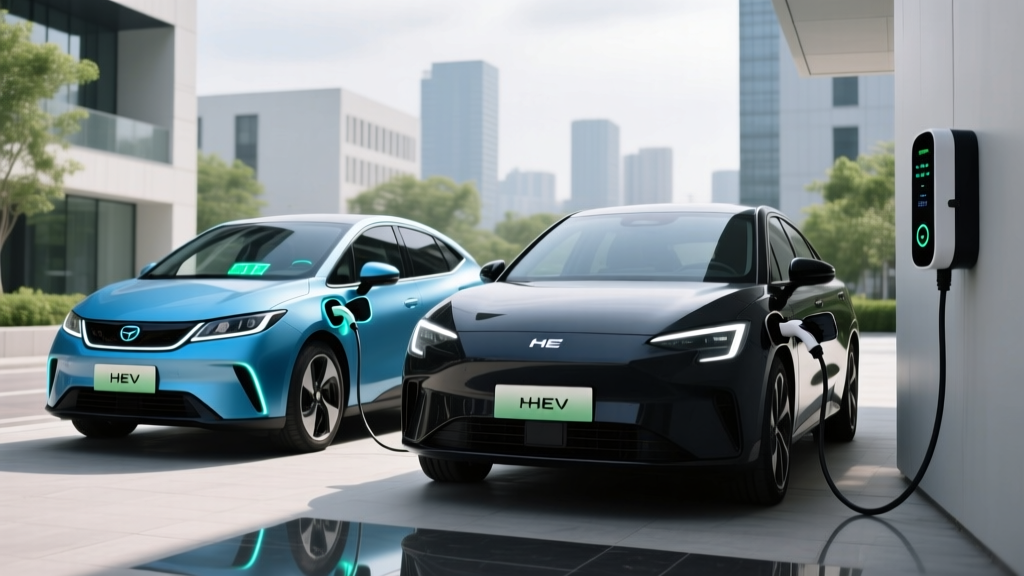
If you've ever pulled up next to a Toyota Prius at a stoplight and noticed it has no charging port, you're not alone in wondering: do hybrid vehicles need to be plugged in? The answer splits cleanly along two vehicle categories, and confusing them is one of the most common mistakes shoppers make.
Conventional hybrids (HEVs) — like the standard Toyota Prius, Honda CR-V Hybrid, or Hyundai Tucson Hybrid — never need to be plugged in. They generate all their electricity internally through regenerative braking and the gasoline engine. You fuel them exactly like a gas car.
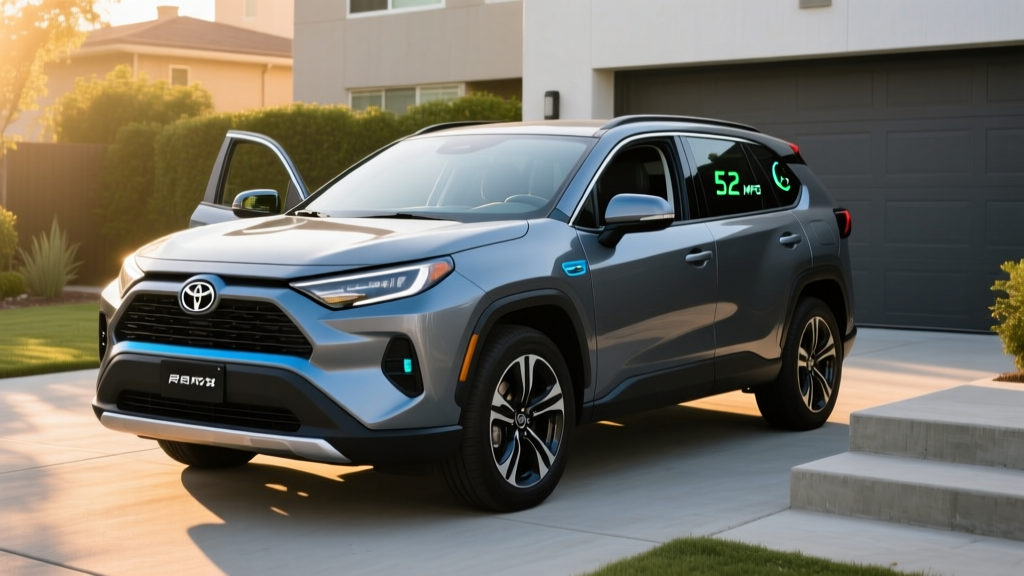
Plug-in hybrids (PHEVs) — like the Toyota RAV4 Prime, Jeep Wrangler 4xe, or Hyundai Tucson PHEV — can be plugged in to charge a larger battery that provides 20–45 miles of electric-only driving. They also have a gas engine for longer trips. Plugging in is optional but unlocks their efficiency advantage.
Let's break down exactly how each type works, what you'll spend on fuel, and which one fits your driving life.
How Conventional Hybrids (HEVs) Charge Without a Plug
A conventional hybrid pairs a small battery pack (typically 1.0–1.6 kWh) with an electric motor and a gasoline engine. The battery recharges through two mechanisms:
- Regenerative braking: When you lift off the accelerator or press the brake, the electric motor reverses direction, converting kinetic energy back into stored electricity. This is the same principle used in full EVs, just at a smaller scale.
- Engine-driven generation: The gas engine charges the battery when it's running at efficient RPMs — especially at highway cruising speeds where the engine has excess capacity.
The result is a car that achieves dramatically better city MPG than a conventional gas vehicle without any change to your fueling routine. The Toyota Prius, for instance, earns an EPA-estimated 57 MPG combined in its LE trim, according to fueleconomy.gov. That's roughly double what a comparable gas-only compact sedan delivers.
How Plug-In Hybrids (PHEVs) Differ — and Why Plugging In Matters
A PHEV carries a substantially larger battery — typically 12–20 kWh of usable capacity — paired with a more powerful electric motor. This gives it a genuine electric-only driving range before the gas engine ever starts. Popular 2025–2026 PHEV examples and their EPA electric ranges:
| Model | Battery (kWh usable) | EV Range (mi) | Combined MPGe | Gas-Only MPG |
|---|---|---|---|---|
| Toyota RAV4 Prime | 14.9 | 42 | 94 | 38 |
| Toyota Prius Prime | 10.9 | 44 | 127 | 52 |
| Hyundai Tucson PHEV | 13.8 | 33 | 80 | 35 |
| Jeep Wrangler 4xe | 17.3 | 22 | 49 | 20 |
| Chrysler Pacifica PHEV | 16.0 | 32 | 82 | 30 |
What happens if you never plug a PHEV in? It still drives — the gas engine and regenerative braking keep the battery at a minimum state of charge. But you'll get gas-only MPG (typically 28–38 combined for crossovers) and forfeit the entire reason you paid the PHEV premium. Think of an unplugged PHEV as a heavier, more expensive conventional hybrid.
PHEV Charging: What You Need to Know
PHEV batteries are small enough that most charge fully on a standard 120V household outlet (Level 1) overnight:
- Level 1 (120V, ~1.4 kW): Full charge in 8–14 hours depending on battery size. Adequate for most PHEV owners who plug in at night.
- Level 2 (240V, 3.3–7.2 kW): Full charge in 2–4 hours. Worth installing if you want to top off midday or have a larger PHEV battery.
- DC Fast Charging: Most PHEVs do not support DC fast charging. The Mitsubishi Outlander PHEV is a notable exception, accepting up to 22 kW DC (CHAdeMO), reaching 80% in roughly 38 minutes. The 2025+ Toyota RAV4 Prime and newer Hyundai/Kia PHEVs still rely on AC charging only, with onboard chargers rated at 3.3–7.2 kW.
HEV vs PHEV: A Side-by-Side Breakdown
| Attribute | HEV (Conventional) | PHEV (Plug-In) |
|---|---|---|
| Needs to be plugged in? | No | Optional (strongly recommended) |
| Battery capacity | 1.0–1.6 kWh | 10–20 kWh |
| Electric-only range | 0–1 mi (low-speed assist only) | 20–45 mi |
| Typical EPA MPG (combined) | 38–57 | 30–52 (gas-only mode) |
| MPGe (electric + gas combined) | N/A | 49–127 |
| Price premium over gas model | $1,000–$3,000 | $4,000–$9,000 |
| Federal tax credit (§30D) | Not eligible | Up to $7,500 (see rules below) |
| Home charging equipment needed | None | 120V outlet minimum; 240V recommended |
Hybrid Fuel Economy: EPA Numbers vs Real-World Results
One of the most pleasant surprises of hybrid ownership is that real-world fuel economy often beats the EPA sticker in city driving. Here's why: EPA city testing includes moderate stop-and-go patterns, but aggressive urban traffic with frequent braking maximizes regenerative energy capture. Drivers who commute in dense city traffic regularly report 2–5 MPG above the EPA city estimate in models like the Prius and Camry Hybrid.
Highway driving tells the opposite story. At 75+ mph, aerodynamic drag dominates and the electric motor contributes less. Expect highway results to land 1–3 MPG below the EPA highway figure in most hybrids.
| Model (HEV) | City MPG | Highway MPG | Combined MPG |
|---|---|---|---|
| Toyota Prius LE | 57 | 56 | 57 |
| Toyota Camry Hybrid LE | 53 | 50 | 52 |
| Honda CR-V Hybrid Sport | 43 | 36 | 40 |
| Hyundai Tucson Hybrid Blue | 38 | 38 | 38 |
| Ford Maverick Hybrid | 42 | 33 | 37 |
| Toyota Highlander Hybrid | 36 | 35 | 36 |
Source: fueleconomy.gov, EPA estimates. Your results will vary based on driving style, terrain, temperature, and tire condition.
Battery Reliability, Warranty, and Replacement Costs
Hybrid battery longevity is the single most common concern among first-time hybrid buyers — and it's the area where the data is most reassuring. Modern hybrid batteries are engineered for a service life that typically matches or exceeds the vehicle's usable lifespan.
What does real-world degradation look like? Toyota's hybrid synergy drive system, used in the Prius since 2001, has an extensive track record. Taxi fleets running Prius hybrids routinely surpass 300,000 miles on the original battery pack. Nickel-metal hydride (NiMH) batteries in older models and lithium-ion packs in newer ones both show gradual capacity loss rather than sudden failure. A 10-year-old Prius might see 10–15% battery capacity degradation — which translates to a slight MPG reduction, not a stranded vehicle.
Replacement costs if out of warranty:
- Conventional hybrid (HEV) battery: $2,000–$4,000 (parts + labor) at a dealership; $1,200–$2,500 from independent hybrid specialists using refurbished packs.
- PHEV battery: $4,000–$8,000 due to larger capacity. The Chrysler Pacifica PHEV battery, for example, has been quoted at $6,500–$7,500 at dealerships.
For context, a conventional gas car's transmission replacement averages $3,000–$7,000, and a timing chain job can run $2,000–$4,000. Hybrid battery replacement is a comparable long-term maintenance cost, not an outlier.
Pricing, Tax Credits, and Total Cost of Ownership
Conventional hybrids carry a modest price premium over their gas-only counterparts — typically $1,000 to $3,000 — and that premium usually pays for itself in fuel savings within 2–4 years for a driver covering 12,000+ miles annually.
PHEVs cost significantly more upfront ($4,000–$9,000 above a gas model), but may qualify for the federal §30D Clean Vehicle Credit of up to $7,500. However, eligibility is far from guaranteed. Per current IRS rules, a PHEV must meet all of the following:
- MSRP cap: Vans, SUVs, and pickup trucks must have an MSRP at or below $80,000; sedans at or below $55,000.
- Buyer income cap: Modified adjusted gross income cannot exceed $300,000 (joint filers), $225,000 (head of household), or $150,000 (single).
- Battery sourcing: A specified percentage of critical minerals and battery components must be sourced from the U.S. or free-trade-agreement countries. These percentages increase annually and have eliminated several previously qualifying models.
- Final assembly: Must occur in North America.
- Minimum battery capacity: At least 7 kWh for PHEVs.
As of the 2025–2026 model year, PHEVs that have recently qualified for at least a partial credit include the Chrysler Pacifica PHEV and certain Jeep 4xe models — but always verify current eligibility on fueleconomy.gov's tax credit tracker before purchasing, as the list changes with supply-chain updates.
Hybrid vs PHEV vs Full EV: Which Should You Choose?
This is ultimately a question about your daily driving pattern, charging access, and risk tolerance. Here's a practical decision framework:
Choose a Conventional Hybrid (HEV) If:
- You have no access to home or workplace charging
- You want maximum MPG with zero behavior change
- Your budget is tight and you want the lowest upfront cost
- You drive mostly city miles where regenerative braking shines
- You want proven, 20+ year reliability data (Prius lineage)
Choose a Plug-In Hybrid (PHEV) If:
- Your daily commute is under 30–40 miles round trip
- You can install a Level 2 charger or have a 120V garage outlet
- You take road trips where EV range anxiety is a concern
- You want to drive electric daily but keep gas flexibility
- You may qualify for the $7,500 federal tax credit
Choose a Full Battery EV (BEV) If:
- You have reliable home Level 2 charging (240V)
- Your daily driving is under 200 miles and you can plan road-trip charging
- You want the lowest per-mile fuel cost ($0.03–$0.05/mi on home electricity vs $0.10–$0.15/mi hybrid)
- You want minimal maintenance (no oil changes, fewer brake replacements due to regen)
- You're ready to commit to the charging lifestyle for maximum environmental benefit
Frequently Asked Questions
Can I damage a hybrid by never plugging it in?
If it's a conventional hybrid (HEV), there's nothing to plug in — you can't damage it. If it's a PHEV, you won't cause mechanical damage by running it on gas only, but the battery may experience slightly faster long-term degradation if it's constantly cycled in a narrow state-of-charge window by the engine rather than being charged from the grid. More importantly, you're wasting the money you spent on the larger battery.
How long does a hybrid battery last before needing replacement?
Most hybrid batteries last the lifetime of the vehicle — 150,000 to 200,000+ miles is common. Toyota's hybrid battery warranty covers 10 years / 150,000 miles in CARB states. Real-world taxi fleet data shows Prius packs surviving 300,000+ miles. Failure before 100,000 miles is uncommon and would be covered under warranty.
Do hybrids cost more to maintain than gas cars?
Generally, no. Hybrids have no additional routine maintenance items compared to gas cars. The regenerative braking system actually reduces brake pad wear — many hybrid owners report 80,000–100,000 miles on original brake pads. The only unique long-term cost risk is the hybrid battery, which as noted above typically outlasts the car.
What happens if the hybrid battery dies while driving?
The vehicle will alert you with dashboard warnings well before complete failure. In most hybrids, a degraded battery reduces fuel economy and electric-assist performance gradually. If the battery fails entirely, some models can limp to a service station on the gas engine alone with severely reduced power; others will shut down to protect the drivetrain. You won't be abruptly stranded without warning.
Is a PHEV worth it if I only have a 120V outlet?
Yes, if your daily driving fits within the electric-only range. A 120V outlet delivers roughly 1.4 kW, adding about 4–5 miles of range per hour of charging. Plugging in for 10 hours overnight yields 40–50 miles of EV range — enough to fully recharge most PHEV batteries. You won't get the speed of a Level 2 charger, but for overnight top-ups, 120V works fine for PHEVs with batteries under 18 kWh.
Do any conventional hybrids qualify for tax credits?
No. The federal §30D Clean Vehicle Credit requires a minimum battery capacity of 7 kWh and the ability to charge from an external power source. Conventional hybrids with their 1–2 kWh packs do not qualify. Some states or utilities offer small rebates for HEV purchases — check your local programs.