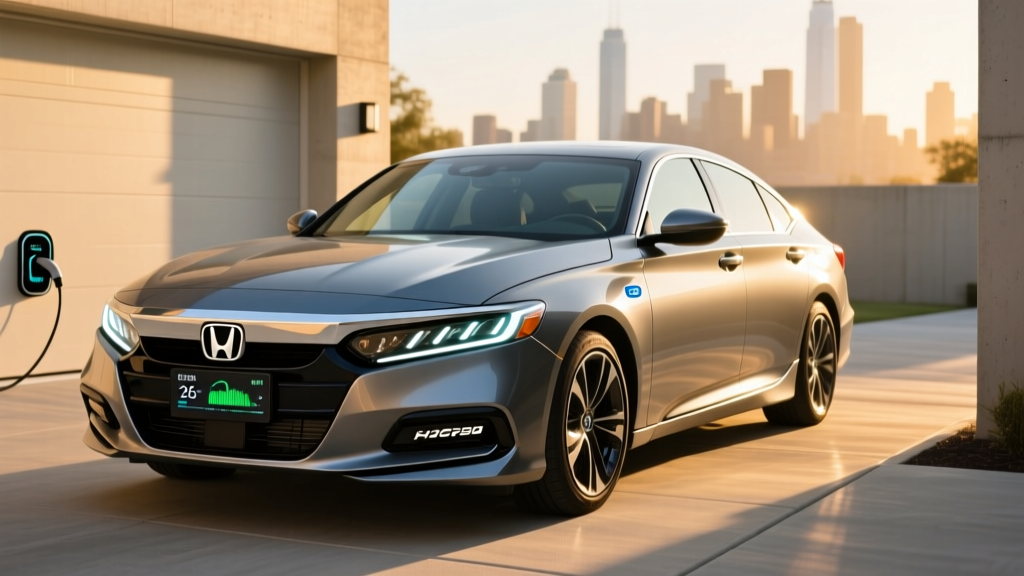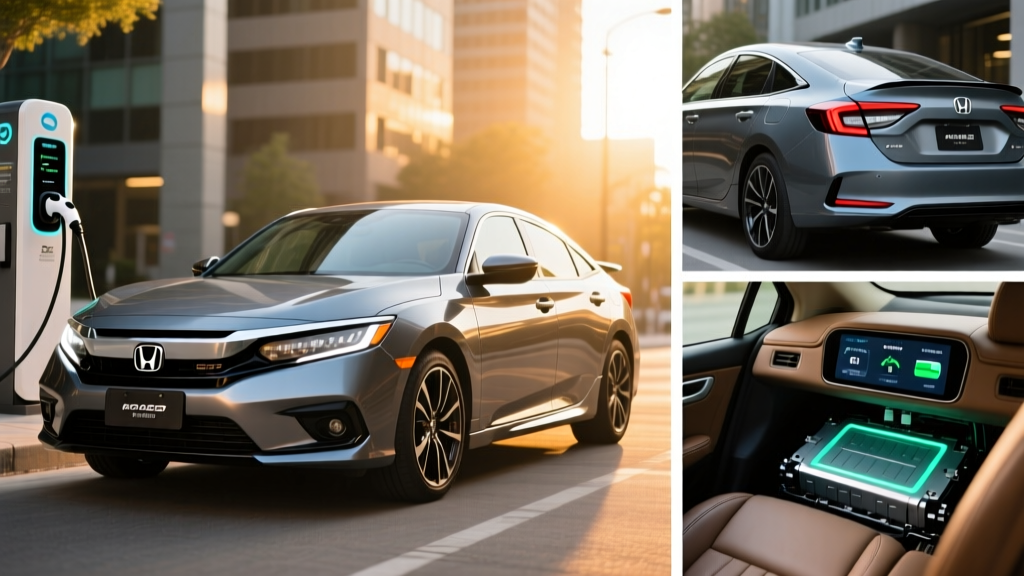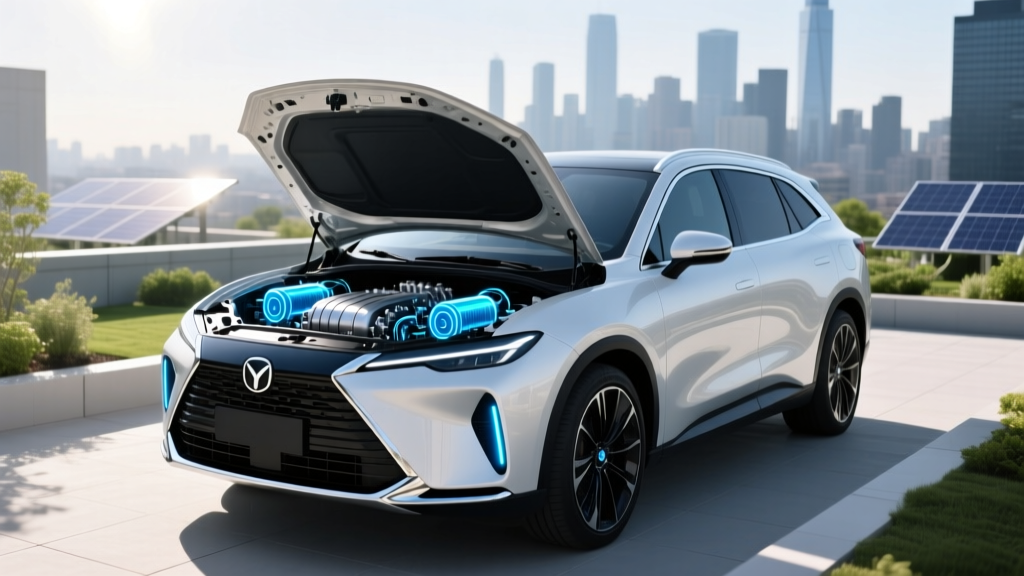
If you've ever popped the hood of a Toyota Prius or a Ford Escape Hybrid and noticed something missing, you're not alone. One of the most common questions we get from readers transitioning from conventional gas cars is: do hybrid cars have alternators? The short answer is no — at least not in the traditional sense. But the longer answer reveals a smarter, more efficient system that's central to why hybrids achieve the fuel economy they do.
Instead of a belt-driven alternator bolted to the engine, hybrid vehicles use a motor-generator (sometimes called a motor-generator unit, or MGU) integrated directly into the drivetrain. This component does everything an alternator does — and far more. It generates electricity, starts the engine, assists with acceleration, and captures energy during regenerative braking. Understanding this difference is key to understanding how hybrid powertrains actually work, whether you're shopping for a conventional hybrid (HEV) or a plug-in hybrid (PHEV).
The Traditional Alternator vs. the Hybrid Motor-Generator
In a standard gasoline car, the alternator is a small generator driven by a serpentine belt connected to the engine's crankshaft. Its sole job is to convert mechanical energy into electrical energy to charge the 12-volt auxiliary battery and power the vehicle's electronics — headlights, infotainment, ECU, and so on. It produces roughly 1 to 2 kilowatts (kW) of output and is always drawing a small amount of power from the engine, which slightly reduces fuel efficiency.
Hybrid vehicles eliminate this parasitic loss entirely. The motor-generator is far larger (often rated at 30–80 kW or more) and serves multiple roles:
- Electricity generation: It charges both the high-voltage traction battery and the 12V auxiliary battery via a DC-DC converter (which replaces the alternator's 12V charging function).
- Engine starting: It spins the gasoline engine to life instantly and smoothly — no traditional starter motor needed.
- Drive assist: It adds torque to the drivetrain during acceleration, reducing the load on the gas engine.
- Regenerative braking: During deceleration, the motor-generator acts as a brake, converting kinetic energy back into electricity to recharge the battery.
Most modern hybrids actually use two motor-generators. In Toyota's Hybrid Synergy Drive (used in the 2026 Prius, RAV4 Hybrid, and Camry Hybrid), MG1 primarily generates electricity and starts the engine, while MG2 primarily drives the wheels and handles regen. This two-motor setup is what enables the seamless transitions between electric-only driving, gas-engine driving, and combined operation that hybrids are known for.
HEV vs. PHEV: How Each Uses the Motor-Generator
The motor-generator architecture works in both conventional hybrids and plug-in hybrids, but the two vehicle types differ significantly in battery size, electric capability, and how you fuel them. Here's a clear breakdown before we get into specific numbers:
| Feature | Conventional Hybrid (HEV) | Plug-In Hybrid (PHEV) |
|---|---|---|
| Has a traditional alternator? | No — uses motor-generator(s) | No — uses motor-generator(s) |
| Needs to be plugged in? | No — self-charging via engine + regen | Yes — for full electric range |
| Typical battery size | 0.6 – 2.0 kWh | 10 – 25 kWh |
| Electric-only driving | Brief, low-speed only (1–2 miles max) | 20–50 miles at highway speeds |
| DC fast charging | No | Rarely — most are Level 2 only |
| Federal tax credit (§30D) | No | Up to $7,500 (eligibility varies) |
| How it refuels | Gas station only | Gas station + electrical outlet/charger |
Both HEVs and PHEVs use motor-generators instead of alternators. The key difference is scale: a PHEV's battery is 10 to 20 times larger, enabling meaningful electric-only range, and its motor-generators are typically more powerful to support extended EV driving.
Real-World Fuel Economy: What Hybrids Actually Deliver
One of the biggest advantages of the motor-generator system is that it enables hybrids to exceed their EPA fuel economy ratings in real-world city driving — something almost no gas-only car can claim. Because regen braking recovers energy that would otherwise be wasted at stoplights, and because the electric motor handles low-speed driving where gas engines are least efficient, hybrids shine in urban environments.
Here's how some of the most popular 2026 hybrid models stack up, based on EPA data from fueleconomy.gov:
| 2026 Model | Type | EPA City | EPA Highway | EPA Combined | Real-World Note |
|---|---|---|---|---|---|
| Toyota Prius | HEV | 57 MPG | 56 MPG | 57 MPG | City drivers often see 60+ MPG |
| Toyota RAV4 Hybrid | HEV | 41 MPG | 38 MPG | 39 MPG | Expect ~35 MPG highway at 75+ mph |
| Honda CR-V Hybrid | HEV | 43 MPG | 36 MPG | 40 MPG | Strong city advantage from regen |
| Toyota RAV4 Prime | PHEV | 94 MPGe (EV) | 38 MPG (gas) | 42 mi EV + 38 MPG gas | 42 miles electric-only range |
| Chrysler Pacifica Hybrid | PHEV | 82 MPGe (EV) | 30 MPG (gas) | 32 mi EV + 30 MPG gas | 32 miles electric-only range |
| Hyundai Tucson PHEV | PHEV | 80 MPGe (EV) | 35 MPG (gas) | 33 mi EV + 35 MPG gas | 33 miles electric-only range |
Real-world tip: Hybrids tend to beat their EPA city numbers in stop-and-go traffic but may fall slightly short on sustained highway driving above 70 mph, where the gas engine does most of the work and aerodynamic drag dominates. In cold weather (below 30°F), expect a 5–15% MPG reduction as the engine runs more often to provide cabin heat and maintain battery temperature.
Battery Size, Charging, and Powertrain Specs
Because hybrids don't have alternators, everything hinges on the high-voltage battery and motor-generator system. Here's what the hardware looks like under the skin of two popular 2026 models:
| Specification | 2026 Toyota Prius (HEV) | 2026 Toyota RAV4 Prime (PHEV) |
|---|---|---|
| Powertrain | 2.0L 4-cyl + 2 motor-generators | 2.5L 4-cyl + 2 motor-generators |
| Combined horsepower | 196 HP | 302 HP |
| High-voltage battery | 1.0 kWh (lithium-ion) | 18.1 kWh (lithium-ion) |
| Electric-only range | ~1 mile (low speed only) | 42 miles (EPA) |
| Total range (gas + electric) | ~580 miles | ~600 miles |
| Level 2 charging time (0–100%) | N/A — self-charging | ~2.5 hours (240V, 3.3 kW) |
| DC fast charging | No | No |
| 0–60 MPH | 7.2 seconds | 5.7 seconds |
| Starting MSRP | $29,450 | $44,900 |
A few things worth noting: The Prius's 1.0 kWh battery seems tiny — and it is — but it doesn't need to be large because the motor-generator constantly replenishes it during driving. The RAV4 Prime's 18.1 kWh battery is large enough for genuine daily electric commuting, but note that most PHEVs do not support DC fast charging. You'll charge at home on a Level 2 (240V) outlet or a standard 120V household outlet (which takes roughly 10–12 hours for a full charge on the RAV4 Prime).
Hybrid Battery Warranty, Lifespan, and Replacement Cost
One of the top concerns for hybrid buyers is battery longevity. The good news: modern hybrid batteries are built to last, and federal law mandates substantial warranty coverage.
Federal requirement: All hybrid and PHEV batteries sold in the U.S. must carry a minimum warranty of 8 years / 100,000 miles. In CARB states (California, New York, Massachusetts, and others adopting California emissions standards), that extends to 10 years / 150,000 miles.
Toyota's 2026 coverage: 10 years / 150,000 miles on the hybrid battery for all 50 states — exceeding the federal minimum.
Honda's 2026 coverage: 8 years / 100,000 miles (10 years / 150,000 in CARB states).
In practice, hybrid batteries routinely last well beyond their warranty periods. Toyota Prius taxis have been documented surpassing 300,000 miles on the original hybrid battery. The motor-generator system is similarly robust — there are no brushes or wear items like a traditional alternator, and failures are rare.
Replacement cost if out of warranty:
- HEV battery (Prius, Camry Hybrid): $2,000 – $4,000 for a new OEM pack; refurbished packs available for $1,000 – $2,000
- PHEV battery (RAV4 Prime, Pacifica Hybrid): $5,000 – $9,000 due to larger capacity
- Motor-generator replacement: $1,500 – $3,000 (rarely needed)
For context, a traditional alternator replacement on a gas car costs $400–$800 but may need to be done multiple times over a vehicle's life. The hybrid motor-generator system costs more upfront but is designed to last the life of the vehicle.
Tax Credits and Pricing: What You'll Actually Pay
This is where the HEV vs. PHEV distinction matters most for your wallet:
- Conventional hybrids (HEVs): Do NOT qualify for the federal §30D clean vehicle tax credit. The IRS limits this credit to plug-in vehicles with batteries above 7 kWh. However, some states and local utilities offer rebates for HEVs — check your state energy office.
- Plug-in hybrids (PHEVs): May qualify for up to $7,500 under the IRS §30D clean vehicle credit, but eligibility depends on several factors that change frequently.
2026 §30D credit requirements for PHEVs:
- Buyer income cap: $150,000 (single) / $300,000 (joint) modified AGI
- Vehicle MSRP cap: $80,000 for SUVs, pickups, vans; $55,000 for sedans
- Battery components must meet North American manufacturing requirements
- Critical minerals must meet U.S./FTA-sourced thresholds (increasing yearly)
- Credit can be transferred to the dealer at point of sale for an instant discount
- Vehicle must be assembled in North America
Always verify eligibility on fueleconomy.gov and consult a tax professional before purchase. Sourcing requirements tighten annually.
As of early 2026, PHEVs like the Chrysler Pacifica Hybrid and certain configurations of the Jeep Wrangler 4xe have qualified for partial or full credits, while others like the RAV4 Prime have faced eligibility limitations due to battery sourcing rules. Always check the latest IRS guidance before assuming credit eligibility.
Hybrid vs. PHEV vs. Full EV: Which Fits Your Life?
Knowing that none of these vehicles have traditional alternators — they all use motor-generators — the real question is which electrification level suits your driving pattern:
Choose a conventional hybrid (HEV) if:
- You don't have access to home or workplace charging
- You want maximum MPG with zero behavior change — just fill up at gas stations
- You drive primarily in the city where regen braking maximizes efficiency
- Your budget is under $35,000 and you want proven reliability
Choose a plug-in hybrid (PHEV) if:
- You have Level 2 (240V) charging at home or work
- Your daily commute is under 40 miles and you want to drive mostly on electricity
- You take road trips regularly and want gas-engine backup for longer drives
- You want to reduce fuel costs significantly without full EV commitment
Choose a full battery EV (BEV) if:
- You have reliable home charging (Level 2 strongly recommended)
- You want to eliminate gasoline entirely and minimize maintenance
- You're eligible for the full $7,500 federal tax credit
- Your typical trips fall within a 250–350 mile range
Frequently Asked Questions
Do hybrid cars have alternators at all?
No. Hybrid vehicles — both HEVs and PHEVs — replace the traditional belt-driven alternator with one or more motor-generator units (MGUs) integrated into the drivetrain. These motor-generators produce far more electricity than a conventional alternator and also handle engine starting, drive assist, and regenerative braking. A DC-DC converter steps down the high-voltage battery to charge the 12V auxiliary battery, performing the same function an alternator would in a gas car.
What charges the 12V battery in a hybrid if there's no alternator?
A DC-DC converter. This solid-state device takes power from the high-voltage traction battery and converts it to 12V to keep the auxiliary battery charged and run the car's electronics. It's more efficient than a belt-driven alternator because it only draws power when needed, rather than constantly loading the engine.
How many MPG does a hybrid get in real-world driving?
Real-world MPG depends heavily on driving conditions. The 2026 Toyota Prius is EPA-rated at 57 MPG combined, and city drivers frequently report 60+ MPG thanks to frequent regenerative braking. Highway driving at sustained speeds above 70 mph typically drops to 48–52 MPG. Cold weather (below 30°F) can reduce MPG by 5–15% as the engine runs more to heat the cabin and battery. Check fueleconomy.gov for official EPA ratings on any model you're considering.
For PHEVs: how far can it go on electric only?
Current 2026 PHEVs offer 20–50 miles of electric-only range. The Toyota RAV4 Prime delivers 42 miles, the Hyundai Tucson PHEV offers 33 miles, and the Chrysler Pacifica Hybrid provides 32 miles. This range is enough to cover most daily commutes without using any gasoline — provided you plug in each night. Once the battery is depleted, the vehicle operates as a conventional hybrid using the gas engine and motor-generators.
Is a hybrid reliable and what does battery replacement cost?
Hybrids are among the most reliable vehicles on the road. Toyota's hybrid system has been refined over 25+ years since the original 1997 Prius, and the motor-generator design has fewer wear components than a traditional alternator/starter system. Hybrid batteries carry a minimum 8-year/100,000-mile warranty (10 years/150,000 miles in CARB states and for Toyota nationally). Out-of-warranty HEV battery replacement runs $2,000–$4,000; PHEV batteries cost $5,000–$9,000. In practice, most hybrid batteries outlast 200,000+ miles.
Does a hybrid qualify for any tax credit?
Conventional hybrids (HEVs) do not qualify for the federal §30D clean vehicle tax credit — that credit is limited to plug-in vehicles. Plug-in hybrids (PHEVs) may qualify for up to $7,500, but eligibility depends on buyer income limits ($150K single / $300K joint), vehicle MSRP caps ($55K sedans / $80K SUVs), battery sourcing requirements, and North American assembly. Rules tighten annually. Always verify current eligibility on IRS.gov before purchasing.
Can a hybrid's motor-generator fail like an alternator?
It's extremely rare. Unlike a traditional alternator with brushes, bearings, and a diode rectifier that wear out over time, motor-generators are brushless, liquid-cooled, and have no mechanical wear items. When failures do occur, they're typically related to the inverter or power electronics rather than the motor itself. Warranty coverage for these components matches the hybrid battery warranty (8–10 years / 100,000–150,000 miles).
Hybrids: Pros
- 40–57 MPG combined with zero plug-in requirement (HEV)
- Motor-generator system is more durable than a traditional alternator
- Lower purchase price than PHEVs and BEVs
- Proven 25+ year reliability track record (Toyota)
- Excellent city MPG — often exceeds EPA estimates
- No range anxiety — gas station infrastructure everywhere
Hybrids: Cons
- No federal tax credit for conventional HEVs
- Highway MPG often trails city MPG (opposite of gas cars)
- Still dependent on gasoline and subject to fuel price swings
- Higher upfront cost than equivalent gas-only models ($2,000–$5,000 premium)
- Battery replacement cost is significant if out of warranty
- Less electric-only capability than PHEVs or BEVs