If you've searched for a clear description of a hybrid car and ended up more confused than when you started, you're not alone. The automotive market now offers three distinct electrified powertrains—conventional hybrids (HEVs), plug-in hybrids (PHEVs), and battery-electric vehicles (BEVs)—and the marketing blurbs rarely explain the mechanical realities underneath the hood. This guide strips away the superlatives and gives you exact specifications, EPA data, and ownership economics so you can decide which electrified vehicle actually fits your daily driving.
What Is a Hybrid Car? The Core Definition
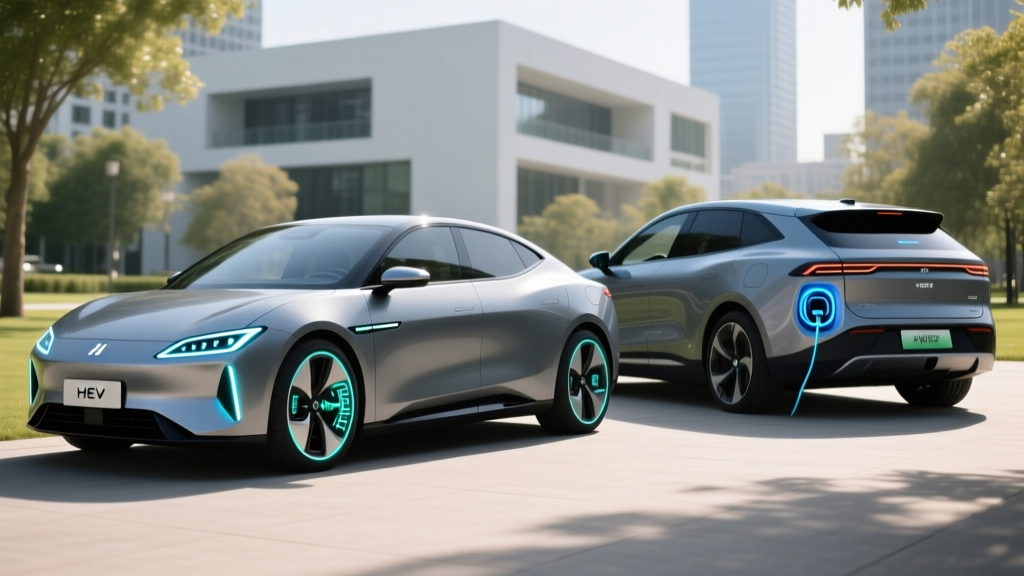
A hybrid car combines a gasoline internal combustion engine with one or more electric motors and a small battery pack. The electric motor assists the engine during acceleration, captures energy during braking (regenerative braking), and in some configurations can propel the vehicle at low speeds on electric power alone. The critical distinction is how the battery gets charged:
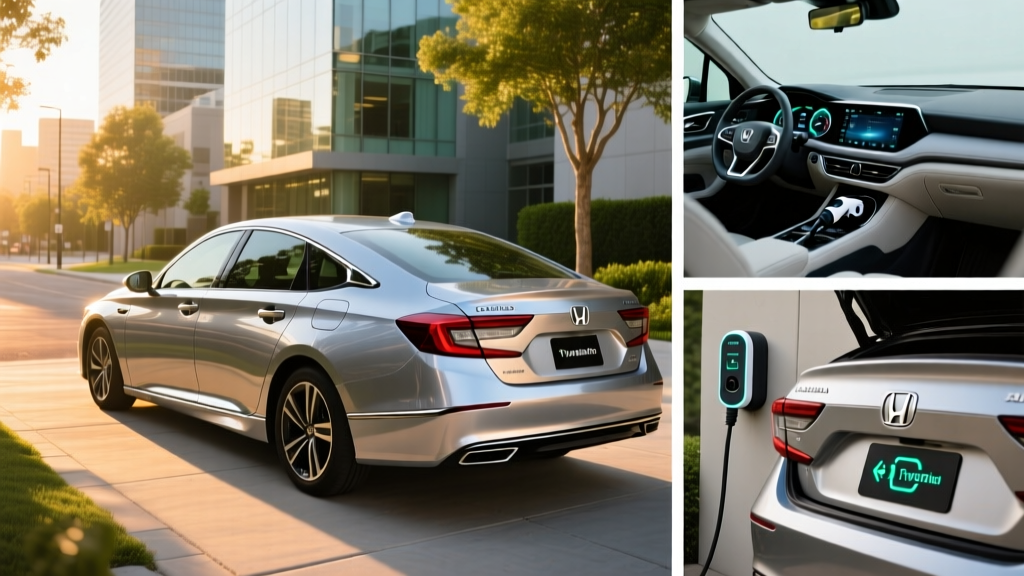
- Conventional Hybrid (HEV): The battery charges exclusively through regenerative braking and the gasoline engine. You never plug it in. Examples: Toyota Prius, Honda Accord Hybrid, Hyundai Tucson Hybrid.
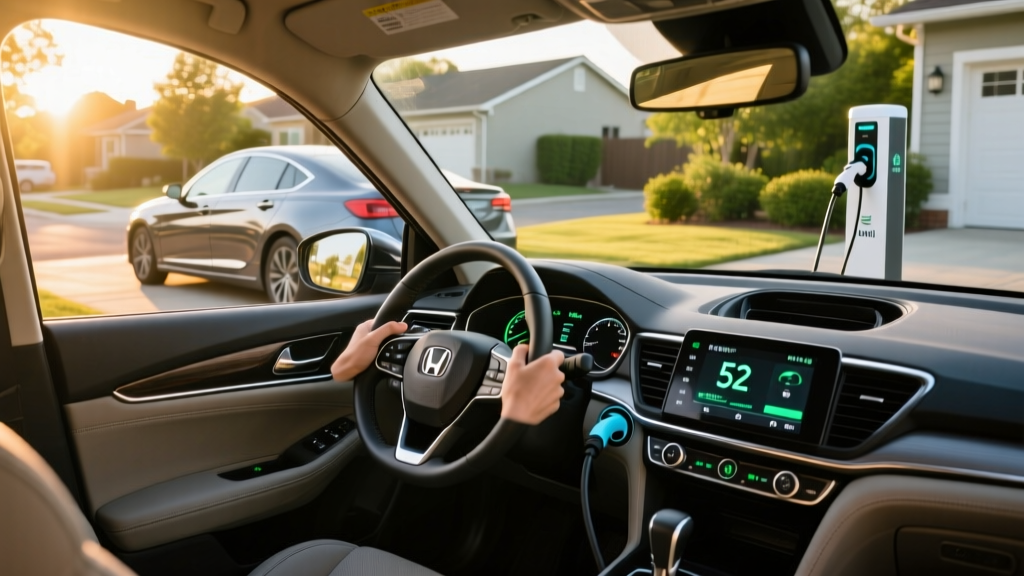
- Plug-in Hybrid (PHEV): The battery is larger and can be charged by plugging into an external power source (Level 1 or Level 2). It offers a meaningful electric-only driving range before the gasoline engine engages. Examples: Toyota RAV4 Prime, Jeep Wrangler 4xe, Chrysler Pacifica Hybrid.
Both types use regenerative braking, but PHEVs add the ability to start each day with a full battery charge from the grid, effectively functioning as a short-range EV for daily commutes before seamlessly transitioning to hybrid operation for longer trips.
HEV vs PHEV: The Mechanical Differences That Matter
| Attribute | Conventional Hybrid (HEV) | Plug-in Hybrid (PHEV) |
|---|---|---|
| Battery Size | 0.5–2.0 kWh (typically NiMH or small Li-ion) | 10–25 kWh (lithium-ion, often NMC) |
| Electric-Only Range | 0–1 mile at very low speed | 20–50 miles (EPA rated) |
| Plug-In Charging | No — never needs to be plugged in | Yes — Level 1 (120V) or Level 2 (240V) |
| DC Fast Charging | N/A | Rare; most PHEVs are Level 2 max (some newer models offer 50 kW DC) |
| Federal Tax Credit (§30D) | Not eligible | Up to $7,500 if battery ≥7 kWh and sourcing/income rules met |
| Typical Price Premium Over Gas | $1,000–$2,500 | $4,000–$8,000 |
| Best For | Drivers without home charging access | Drivers with home charging and short commutes |
The common mistake is calling both types simply "hybrids." A Toyota Prius (HEV) and a Toyota RAV4 Prime (PHEV) share the badge but operate fundamentally differently day to day. The HEV driver never changes their fueling routine. The PHEV driver ideally plugs in nightly to maximize electric-only miles.
Real-World MPG: What the EPA Numbers Actually Mean
Fuel economy is where hybrids earn their reputation, but the EPA sticker doesn't tell the full story. Here's how top-selling 2026 hybrids and PHEVs perform according to fueleconomy.gov:
| Vehicle | Type | City MPG | Highway MPG | Combined MPG | EV Range (PHEV) |
|---|---|---|---|---|---|
| Toyota Prius | HEV | 57 | 56 | 57 | — |
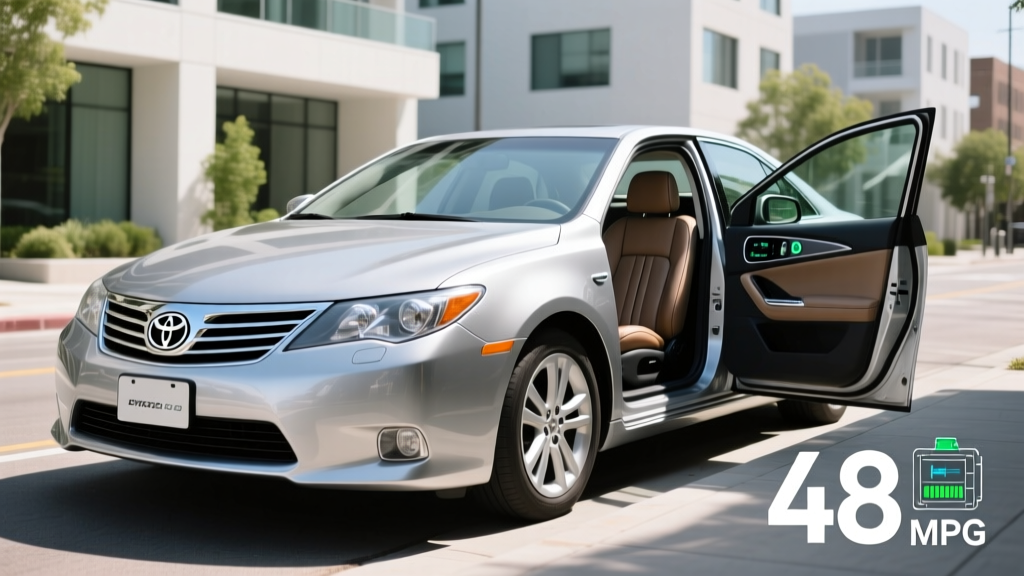
| Honda Accord Hybrid | HEV | 51 | 44 | 48 | — |
| Hyundai Tucson Hybrid | HEV | 38 | 38 | 38 | — |
| Toyota RAV4 Prime | PHEV | 40* | 36* | 38* | 42 mi |
| Chrysler Pacifica Hybrid | PHEV | — | — | 30* | 32 mi |
| Jeep Wrangler 4xe | PHEV | — | — | 20* | 22 mi |
*PHEV combined MPG reflects charge-sustaining (hybrid) mode after EV range is depleted. PHEVs also carry an MPGe rating for electric operation.
Powertrain Specs: Engine + Motor Combined Output
Hybrid powertrains pair a gasoline engine (usually a 4-cylinder Atkinson-cycle for efficiency) with one or more electric motor-generators. Combined system horsepower is the figure that matters—not the engine or motor alone. Here are representative 2026 powertrains:
| Vehicle | Engine | Combined HP | 0-60 mph | Drivetrain |
|---|---|---|---|---|
| Toyota Prius | 2.0L I4 | 196 hp | 7.0 sec | FWD / AWD |
| Honda Accord Hybrid | 2.0L I4 | 204 hp | 6.5 sec | FWD |
| Toyota RAV4 Prime | 2.5L I4 | 302 hp | 5.7 sec | AWD |
| Jeep Wrangler 4xe | 2.0L Turbo I4 | 375 hp | 6.0 sec | 4WD |
The RAV4 Prime's 302 hp combined output makes it one of the quickest vehicles in the Toyota lineup—a direct result of the electric motor's instant torque filling in the gaps of the naturally aspirated engine. This performance bonus is a frequently overlooked advantage of hybridization: you get better fuel economy and stronger acceleration than the gas-only equivalent.
PHEV Charging: Battery Size, Charge Times, and the DC Fast-Charging Gap
For PHEVs, the battery pack is the defining component. Here's what you need to know about charging them:
| Vehicle | Battery (kWh) | Level 1 (120V) | Level 2 (240V) | DC Fast Charge |
|---|---|---|---|---|
| Toyota RAV4 Prime | 18.1 kWh | ~12 hours | ~2.5 hours | No |
| Chrysler Pacifica Hybrid | 16.0 kWh | ~14 hours | ~2 hours | No |
| Jeep Wrangler 4xe | 17.3 kWh | ~12 hours | ~2.5 hours | No |
| Toyota Prius Prime | 13.6 kWh | ~11 hours | ~4 hours | No |
The DC fast-charging gap: As of 2026, the vast majority of PHEVs sold in the US do not support DC fast charging. The onboard chargers typically max out at 3.3–6.6 kW on Level 2. This is intentional: PHEV batteries are small enough that overnight Level 1 charging (a standard 120V household outlet) can replenish most of the pack in 10–14 hours, which covers the nightly top-up use case. If you need rapid charging away from home, a BEV is the appropriate powertrain.
Battery Reliability, Warranty, and Replacement Cost
Hybrid Battery Warranty Standard
Federal emissions regulations mandate that hybrid and PHEV battery packs carry a minimum warranty of 8 years / 100,000 miles. In California Air Resources Board (CARB) states, that extends to 10 years / 150,000 miles. Many manufacturers exceed these minimums:
- Toyota: 10 years / 150,000 miles (nationwide on 2020+ models)
- Hyundai/Kia: 10 years / 100,000 miles
- Honda: 8 years / 100,000 miles (10/150k in CARB states)
- Stellantis (Jeep/Chrysler): 8 years / 100,000 miles
The warranty covers capacity loss below a specified threshold (typically 60–70% of original capacity).
Real-world longevity: Toyota's hybrid battery packs, particularly the NiMH units in the Prius, have demonstrated 200,000+ mile lifespans with minimal degradation in fleet data. The PHEV lithium-ion packs are newer but show similar durability because the battery management system (BMS) maintains a substantial buffer—typically 15–20% of total capacity is reserved and never accessed—protecting the cells from deep cycling stress.
Replacement cost if out of warranty:
- HEV battery (Prius, Accord Hybrid): $2,000–$4,000 for the pack, plus ~$500–$1,000 labor
- PHEV battery (RAV4 Prime, Wrangler 4xe): $5,000–$9,000 for the pack, plus $1,000–$2,000 labor
These costs have declined roughly 30% over the past decade. Independent hybrid specialists and refurbished packs offer lower-cost alternatives to dealer replacement, often at $1,500–$3,000 for HEVs.
Pricing and Federal Tax Credit Eligibility
| Vehicle | Base MSRP (2026) | §30D Credit Eligible? | Max Credit |
|---|---|---|---|
| Toyota Prius (HEV) | $28,550 | No | $0 |
| Toyota Prius Prime (PHEV) | $33,475 | Yes (if sourcing rules met) | Up to $3,750 |
| Toyota RAV4 Prime (PHEV) | $44,560 | Yes (if sourcing rules met) | Up to $7,500 |
| Jeep Wrangler 4xe (PHEV) | $51,790 | Yes (if sourcing rules met) | Up to $7,500 |
| Chrysler Pacifica Hybrid (PHEV) | $51,095 | Yes (if sourcing rules met) | Up to $7,500 |
- MSRP cap: Vans/SUVs/pickups ≤ $80,000; sedans ≤ $55,000
- Buyer income cap: $150K single / $225K head of household / $300K joint (modified AGI)
- Point-of-sale transfer: Eligible buyers can transfer the credit to the dealer for an immediate price reduction
Conventional hybrids (HEVs) do not qualify for §30D. Some states offer separate rebates for HEVs—check your state energy office. Consult a tax professional for personal eligibility.
Hybrid vs PHEV vs EV: Which Powertrain Fits Your Life?
Choose a Conventional Hybrid (HEV) If:
- You rent or live in an apartment without charging access
- You want zero change to your fueling routine (just fill up at gas stations)
- Your priority is maximum MPG without a plug-in step
- Your budget is under $35,000 and you want proven, simple tech
Choose a Plug-in Hybrid (PHEV) If:
- You have a garage or driveway where you can install a Level 2 charger (or use a 120V outlet overnight)
- Your daily commute is under 40 miles round-trip (you'll rarely burn gas on weekdays)
- You take regular road trips where EV charging infrastructure is sparse
- You want EV-like daily driving without range anxiety on long hauls
Choose a Full EV (BEV) If:
- You have reliable home charging (Level 2 strongly recommended)
- Your daily driving is under 250 miles and you can plan road-trip charging stops
- You want to eliminate gasoline entirely and minimize maintenance
- You want access to the full $7,500 federal credit on eligible models
Pros and Cons at a Glance
Advantages
- HEVs deliver 40–57 MPG combined with no behavior change
- PHEVs offer 20–50 miles of zero-emission daily driving
- No range anxiety on either type — the gas engine is always a backup
- Hybrid batteries carry 8–10 year warranties; proven longevity
- Regenerative braking reduces brake pad wear (often 80K+ miles on original pads)
- PHEVs may qualify for up to $7,500 federal tax credit
- Strong resale values, especially Toyota/Honda hybrid models
Limitations
- HEVs don't qualify for federal EV tax credits
- PHEVs are $4,000–$8,000 more expensive than gas equivalents
- PHEV fuel economy drops below HEV levels when battery is depleted (extra weight)
- Most PHEVs lack DC fast charging — road trips run on gasoline
- Two powertrains mean two systems to maintain (engine oil + electric drivetrain)
- PHEV cargo space is sometimes reduced by the larger battery pack
- Real-world electric range drops 20–30% in cold weather (below 32°F)
Frequently Asked Questions
How many MPG does a hybrid car get?
It depends on the model and driving conditions. The 2026 Toyota Prius achieves an EPA-rated 57 MPG combined (57 city / 56 highway). The Honda Accord Hybrid delivers 48 combined. Compact SUV hybrids like the Hyundai Tucson Hybrid achieve around 38 combined. In real-world city driving, many owners report exceeding EPA city estimates by 3–5 MPG due to heavy regenerative braking in stop-and-go traffic. Highway fuel economy tends to run 5–10% below the EPA estimate at sustained 75+ mph speeds.
How far can a PHEV go on electric only?
Current PHEVs offer between 22 and 50 miles of EPA-rated electric-only range. The Toyota RAV4 Prime leads at 42 miles, the Prius Prime offers up to 44 miles, and the Chrysler Pacifica Hybrid provides 32 miles. In cold weather (below freezing), expect a 20–30% reduction in electric range due to battery chemistry limitations and cabin heating demands. Highway-speed electric driving also reduces range compared to the EPA test cycle, which includes significant low-speed and idle time.
Do hybrid cars need to be plugged in?
Conventional hybrids (HEVs) never need to be plugged in. Their small battery charges through regenerative braking and the gasoline engine. Plug-in hybrids (PHEVs) benefit significantly from being plugged in — that's how you access the electric-only range and maximize fuel savings — but they will still operate as a conventional hybrid if you never plug them in. You just won't get the EV-range benefit.
Is a hybrid car reliable, and what does battery replacement cost?
Hybrid vehicles from Toyota, Honda, and Hyundai consistently rank among the most reliable vehicles in long-term dependability surveys. The hybrid battery is covered by a federal-mandated minimum warranty of 8 years / 100,000 miles (10 years / 150,000 miles in CARB states). Toyota extends this to 10 years / 150,000 miles nationwide. Out-of-warranty replacement costs range from $2,000–$4,000 for HEV packs and $5,000–$9,000 for PHEV packs. In practice, many hybrid batteries last 150,000–200,000+ miles before significant degradation.
Does a hybrid qualify for any tax credit?
Conventional hybrids (HEVs) do not qualify for the federal §30D Clean Vehicle Credit. Plug-in hybrids (PHEVs) with a battery capacity of at least 7 kWh can qualify for up to $7,500, but the actual amount depends on battery component and critical-mineral sourcing requirements, buyer income limits, and vehicle MSRP caps. As of 2026, the credit can be transferred to the dealer at point of sale for an immediate price reduction. Always verify current eligibility on IRS.gov before purchasing, as sourcing requirements shift annually.
What's the difference between a hybrid and a mild hybrid?
A mild hybrid (often labeled MHEV or 48V) uses a small electric motor-generator integrated with the engine to assist during acceleration and enable smoother start-stop operation. It cannot propel the vehicle on electric power alone. The fuel-economy improvement is modest — typically 1–3 MPG over a non-hybrid. Full hybrids (HEVs) and plug-in hybrids (PHEVs) can drive on electric power at low speeds and deliver substantially larger efficiency gains. If a vehicle is advertised simply as "hybrid," verify whether it's a full hybrid or a mild hybrid — the difference in real-world fuel savings is significant.