Chevrolet's hybrid strategy in 2026 splits into two distinct camps: conventional hybrids (HEVs) that need no plug, and plug-in hybrids (PHEVs) that offer a meaningful electric-only commute window before the gas engine takes over. If you're searching for a Chevrolet hybrid, the right choice depends entirely on whether you can charge at home and how far you drive daily.
This guide covers every current Chevrolet hybrid and PHEV model, with exact EPA figures, real-world expectations, battery warranty details, and federal tax credit eligibility under the latest IRS §30D rules.
HEV vs PHEV — The Core Difference
Conventional Hybrid (HEV): Uses a small battery (typically 1–2 kWh) recharged by regenerative braking and the engine. You never plug it in. It improves MPG, especially in city driving, but cannot drive on electricity alone for meaningful distances.
Plug-in Hybrid (PHEV): Carries a larger battery (15–25+ kWh) that you charge via a wall outlet, Level 2 charger, or occasionally DC fast charging. It delivers 20–50+ miles of electric-only driving before switching to hybrid mode. If you can charge at home and your commute falls within that electric range, a PHEV effectively functions as an EV most days.
2026 Chevrolet Equinox Hybrid: The Volume HEV
The redesigned Equinox Hybrid is Chevrolet's mainstream answer to the Toyota RAV4 Hybrid and Honda CR-V Hybrid. It pairs a turbocharged 1.5-liter four-cylinder engine with two electric motors driving all four wheels through an e-AWD system. Combined output is 247 horsepower — a meaningful step up from the prior generation.
| Spec | Value |
|---|---|
| Powertrain | 1.5L turbo I4 + dual electric motors, e-AWD |
| Combined HP | 247 hp |
| Battery | ~1.8 kWh (not plug-in) |
| EPA MPG (city / hwy / combined) | 38 / 35 / 37 MPG |
| Base MSRP | ~$34,900 |
| Federal Tax Credit | Not eligible (HEV) |
| Hybrid Battery Warranty | 8 years / 100,000 miles |
Real-World MPG vs. EPA Sticker
Hybrids consistently outperform their EPA city estimates in stop-and-go traffic because regenerative braking recovers energy that a gas-only car wastes as heat. Expect the Equinox Hybrid to deliver 40–42 MPG in real-world city driving, with highway numbers closer to the 33–35 MPG range at sustained 70+ mph speeds. Combined real-world figures typically land around 36–39 MPG depending on your driving mix.
This is a key advantage over gas-only competitors: the Equinox Hybrid's efficiency improves in the exact conditions — urban congestion — where conventional powertrains suffer most.
2026 Chevrolet Corvette E-Ray: Performance Hybrid
The E-Ray is not your typical efficiency-focused hybrid. It pairs the 6.2L LT2 V8 (495 hp) with a front-axle electric motor (160 hp) for all-wheel drive and a combined 655 horsepower. The small 1.9 kWh battery charges via regen only — there's no plug. This is a hybrid built for traction and acceleration, not fuel savings.
| Spec | Value |
|---|---|
| Powertrain | 6.2L V8 + front electric motor, AWD |
| Combined HP | 655 hp |
| 0-60 mph | 2.5 seconds |
| EPA MPG (combined) | ~19 MPG |
| Base MSRP | ~$106,900 |
| Federal Tax Credit | Not eligible (HEV) |
The E-Ray's hybrid system enables Stealth Mode (electric-only) for roughly 3–5 miles at low speeds — useful for leaving a neighborhood quietly — but its purpose is performance augmentation, not emissions reduction.
2026 Chevrolet Silverado PHEV: The Plug-In Truck
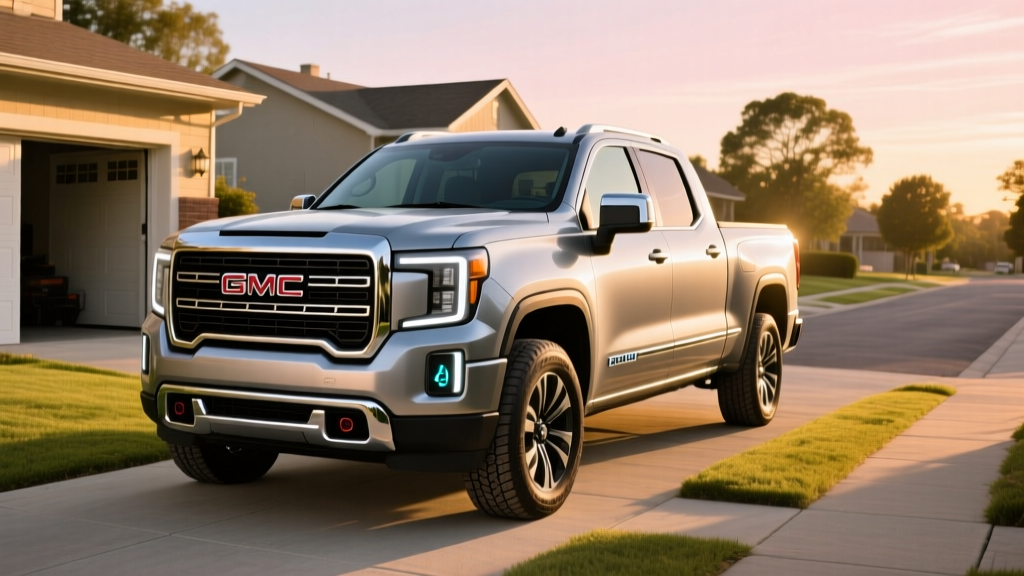
The Silverado PHEV represents Chevrolet's most practical electrified truck offering for buyers who need towing capability but want daily electric commuting. It uses a turbocharged 2.7L engine paired with an electric motor integrated into the transmission, drawing from a ~21 kWh battery pack.
| Spec | Value |
|---|---|
| Powertrain | 2.7L turbo I4 + electric motor |
| Combined HP | ~380 hp (est.) |
| Battery (usable) | ~21 kWh |
| Electric-Only Range | ~35–40 miles (EPA est.) |
| Total Range (electric + gas) | ~450+ miles |
| Level 2 Charge Time (0–100%) | ~2.5–3 hours at 7.2 kW |
| DC Fast Charge | Not supported |
| Base MSRP | ~$58,000 (est.) |
| Hybrid Battery Warranty | 8 years / 100,000 miles |
How Far Can the Silverado PHEV Go on Electric Only?
The EPA-estimated electric-only range sits around 35–40 miles, enough to cover the average American commute (roughly 16 miles each way per Census data) with margin to spare. Once the battery depletes, the truck operates as a conventional hybrid, returning an estimated 22–24 MPG combined — respectable for a full-size truck.
Charging is straightforward: a standard 120V household outlet (Level 1) adds roughly 4–5 miles of range per hour, fully replenishing overnight. A 240V Level 2 home charger at 7.2 kW fills the pack in about 2.5–3 hours. DC fast charging is not available on the Silverado PHEV — this is typical for plug-in hybrids, which prioritize smaller batteries optimized for home and destination charging.
Hybrid Battery Warranty & Replacement Cost
Every 2026 Chevrolet hybrid and PHEV comes with an 8-year / 100,000-mile hybrid battery warranty (10 years / 150,000 miles in CARB states including California, New York, Massachusetts, and others). This covers battery capacity loss below a defined threshold — typically 60–70% of original capacity.
If replacement is needed outside warranty, HEV battery packs (Equinox, E-Ray) typically cost $2,000–$4,000 installed. The Silverado PHEV's larger pack will likely run $5,000–$8,000 at current pricing. However, modern hybrid batteries routinely last 150,000–200,000+ miles before significant degradation, based on long-term data from Toyota, Honda, and GM's own prior hybrid platforms.
EPA MPG Comparison: Chevrolet Hybrid Lineup at a Glance
| Model | City MPG | Hwy MPG | Combined | EV Range (PHEV) |
|---|---|---|---|---|
| Equinox Hybrid (HEV) | 38 | 35 | 37 | N/A |
| Corvette E-Ray (HEV) | ~17 | ~23 | ~19 | N/A |
| Silverado PHEV | ~24* | ~22* | ~23* | ~35–40 mi |
*Silverado PHEV MPG figures reflect charge-sustaining (hybrid) mode after battery depletion. Source: fueleconomy.gov
Federal Tax Credit Eligibility for Chevrolet Hybrids
Under current IRS §30D rules, the federal clean vehicle credit of up to $7,500 applies only to plug-in vehicles — BEVs and PHEVs — that meet strict battery sourcing, critical mineral, MSRP cap, and buyer income requirements.
- HEVs (Equinox Hybrid, Corvette E-Ray): Not eligible for the §30D federal credit. These vehicles do not have sufficient battery capacity or plug-in capability.
- Silverado PHEV: May qualify for up to $7,500 if it meets all §30D requirements, including:
- MSRP at or below $80,000 (trucks/vans/SUVs threshold)
- Buyer AGI within limits ($150K single / $300K joint / $225K head of household)
- Battery components and critical minerals sourced from qualifying trade partners
- Point-of-sale transfer: If eligible, you can transfer the credit to the dealer at purchase for an immediate price reduction rather than claiming it on your tax return.
Important caveat: Battery sourcing requirements tighten annually. Always verify current eligibility on the official fueleconomy.gov tax credit lookup before purchasing. A tax professional can confirm your personal eligibility.
Hybrid vs PHEV vs Full EV: Which Chevrolet Fits You?
Decision Framework
Choose the Equinox Hybrid (HEV) if:
- You cannot charge at home (apartment, street parking, no garage)
- You want maximum simplicity — no cables, no charging apps, no planning
- Your priority is better MPG without changing any habits
- Budget is a primary concern (lower MSRP, no charging equipment needed)
Choose the Silverado PHEV if:
- You can install a Level 2 charger at home or have reliable workplace charging
- Your daily driving is under 40 miles round-trip (covering most commutes on electricity)
- You need truck capability (towing, hauling) but want to cut daily fuel costs
- You want to reduce emissions without range anxiety on road trips
Choose a full EV (e.g., Equinox EV, Blazer EV, Silverado EV) if:
- You can charge at home and want zero tailpipe emissions
- Your daily driving is under 250 miles and you're comfortable planning road-trip charging
- You want maximum federal tax credit eligibility and lowest per-mile fuel cost
- You want minimal maintenance (no oil changes, no engine, fewer moving parts)
Pros and Cons: Chevrolet Hybrid Ownership
Pros
- No range anxiety — gas engine provides unlimited range
- HEVs require zero behavioral change; PHEVs are optional to plug in
- Strong city MPG from regenerative braking (HEV)
- 8–10 year / 100K–150K mile battery warranty
- Lower maintenance than gas-only (less brake wear from regen)
- Silverado PHEV offers daily electric commuting + truck utility
Cons
- HEVs do not qualify for the $7,500 federal tax credit
- Highway MPG advantage over gas-only is smaller than city advantage
- PHEV adds weight and complexity (two full powertrains)
- Silverado PHEV lacks DC fast charging
- Higher upfront cost vs. gas-only equivalents
- Corvette E-Ray prioritizes performance, not efficiency
Frequently Asked Questions
How many MPG does the Chevrolet Equinox Hybrid get?
The 2026 Equinox Hybrid is EPA-rated at 38 city / 35 highway / 37 combined MPG. In real-world city driving with frequent stops, owners commonly see 40–42 MPG thanks to aggressive regenerative braking. Highway cruising at 75+ mph will drop closer to 33–34 MPG.
How far can the Chevrolet Silverado PHEV drive on electric only?
The Silverado PHEV delivers an estimated 35–40 miles of electric-only range on a full charge. This covers the majority of daily commutes. Once depleted, the truck switches to hybrid mode and continues indefinitely on gasoline — no range anxiety on longer trips.
Is the Chevrolet hybrid battery reliable and what does replacement cost?
GM's hybrid battery packs are warrantied for 8 years / 100,000 miles (10 years / 150,000 miles in CARB states). Based on historical data from GM's hybrid platforms and industry-wide evidence, modern hybrid batteries routinely last 150,000–200,000+ miles. Replacement cost, if needed out of warranty, ranges from $2,000–$4,000 for HEV packs to $5,000–$8,000 for the larger PHEV battery.
Does any Chevrolet hybrid qualify for a federal tax credit?
Conventional hybrids (Equinox Hybrid, Corvette E-Ray) do not qualify for the IRS §30D clean vehicle credit — it applies only to plug-in vehicles. The Silverado PHEV may qualify for up to $7,500 depending on MSRP, buyer income, and battery sourcing requirements. Always check fueleconomy.gov for current eligibility before purchasing.
Do I need to plug in the Equinox Hybrid or Corvette E-Ray?
No. Both are conventional hybrids (HEVs). Their small batteries recharge through regenerative braking and the gasoline engine. You simply fill up at a gas station as usual — the hybrid system operates automatically to improve efficiency.
Can the Silverado PHEV tow while using electric power?
Electric-only range decreases significantly under heavy load. When towing near the truck's rated capacity, expect the system to engage the gasoline engine much sooner, operating primarily in hybrid mode. The electric motor still assists, improving low-speed torque and overall efficiency even while towing.
What's the difference between the Equinox Hybrid and the Equinox EV?
The Equinox Hybrid (HEV) uses a gas engine + small electric motor for improved MPG (~37 combined) and never plugs in. The Equinox EV is a fully electric vehicle with ~319 miles of EPA range, no gas engine, and full eligibility for the federal tax credit. The EV costs more upfront but has dramatically lower per-mile fuel and maintenance costs.