Quick Verdict: A Supercar SUV With a Plug
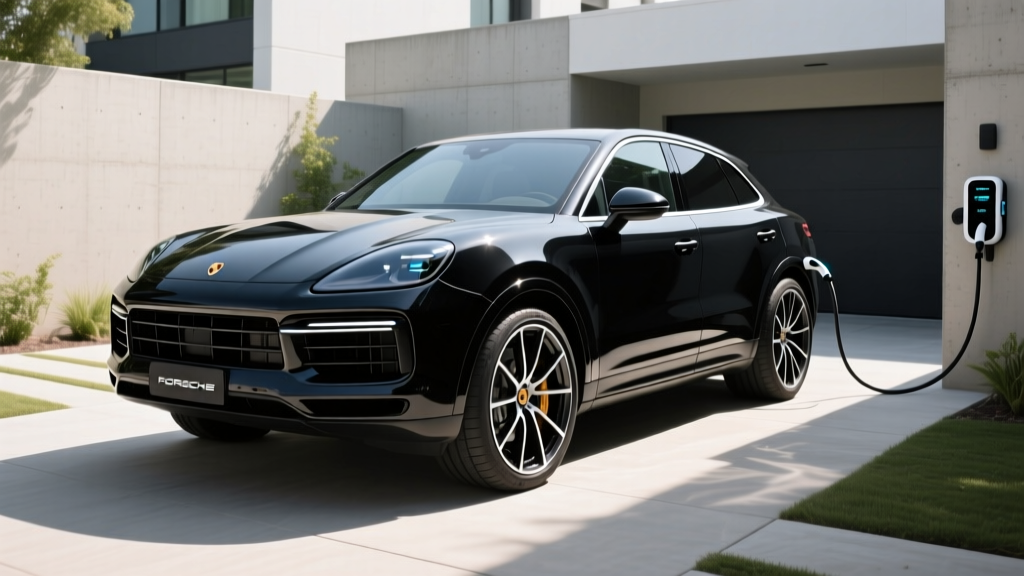
The 2026 Porsche Cayenne Turbo S E-Hybrid is the most powerful variant in the Cayenne lineup, pairing a twin-turbo V8 with an electric motor for a combined 738 horsepower. But beyond the performance headline, it's a plug-in hybrid (PHEV) that offers roughly 30 miles of electric-only range and the ability to handle daily commutes on electricity alone. For buyers who want supercar acceleration in a luxury SUV without fully committing to a battery-electric vehicle, the Turbo S E-Hybrid occupies a narrow but compelling niche.
This guide covers the exact EPA numbers, battery specs, charging logistics, tax-credit eligibility under current IRS §30D rules, and real-world ownership considerations — the data you need before writing a $190,000+ check.
HEV vs PHEV: Where the Cayenne Turbo S E-Hybrid Fits
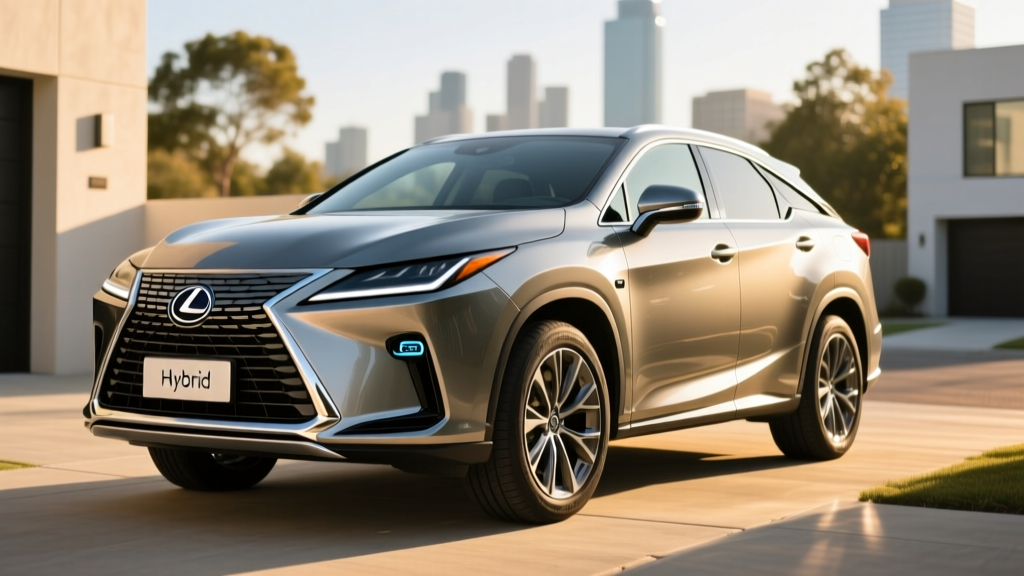
Conventional Hybrid (HEV): Charges its small battery through regenerative braking and the engine. No plug. Think Toyota RAV4 Hybrid — you just add gas and drive. Typical electric assist is limited to low-speed crawling and brief boost.
Plug-in Hybrid (PHEV): Has a larger battery you charge by plugging in. Offers meaningful electric-only range (typically 20-50 miles) before the gas engine takes over. The Cayenne Turbo S E-Hybrid is a PHEV — it has a 25.9 kWh battery and a charge port.
Full BEV: No gas engine at all. Runs entirely on battery electricity. Examples: Porsche Taycan, Tesla Model X.
The Cayenne Turbo S E-Hybrid is unambiguously a PHEV. You can plug it in at home or at public Level 2 chargers to replenish its battery. If you never plug it in, it still drives — the V8 engine handles everything — but you'll forfeit the electric range and much of the efficiency advantage.
Powertrain Specs: V8 Meets Electric Motor
| Attribute | Specification |
|---|---|
| Gas Engine | 4.0L twin-turbo V8, 542 hp / 568 lb-ft |
| Electric Motor | 174 hp / 339 lb-ft (integrated in transmission) |
| Combined System Output | 738 hp / 700 lb-ft |
| Transmission | 8-speed Tiptronic automatic, AWD |
| 0-60 mph | 3.5 seconds (manufacturer est.) |
| Top Speed | 183 mph |
| Battery Capacity | 25.9 kWh (gross), ~20.8 kWh usable |
| Battery Chemistry | NMC (nickel manganese cobalt) |
| EPA Electric-Only Range | ~30 miles (est., final EPA pending) |
| Total Combined Range | ~430 miles (gas + electric) |
| Fuel Tank | 19.8 gallons (premium required) |
| Base MSRP | ~$191,700 (incl. destination) |
The electric motor sits between the engine and the eight-speed automatic, enabling pure electric driving at speeds up to 84 mph. When you floor it, both power sources combine for the full 738 hp. Porsche's hybrid strategy here prioritizes performance fill-in — the electric motor eliminates turbo lag and adds instant torque — while still delivering usable zero-emission miles for school runs and grocery trips.
Fuel Economy: EPA MPG and Real-World Expectations
| Mode | City | Highway | Combined |
|---|---|---|---|
| Charge-Depleting (electric + gas) | ~46 MPGe combined (est.) | ||
| Charge-Sustaining (hybrid, battery depleted) | ~17 mpg | ~22 mpg | ~19 mpg |
| Electric-Only Energy Use | ~52 kWh/100 mi (est.) | ||
Real-world MPG reality check: PHEV fuel economy is heavily dependent on how often you charge. If you plug in nightly and your commute is under 30 miles, you may burn almost no gasoline during the week — making your effective "MPG" essentially infinite for daily driving. On a long road trip where the battery depletes in the first 30 miles and you drive 400 miles on gas alone, expect the charge-sustaining figure of roughly 19 mpg combined. That's par for a 5,500-pound twin-turbo V8 SUV; it's not a Prius.
According to fueleconomy.gov, PHEV efficiency varies dramatically based on driving patterns. The EPA provides both a charge-depleting (electricity + gas blended) and charge-sustaining (gas only) figure precisely because of this variability. City driving in hybrid mode may actually beat the highway number slightly thanks to regenerative braking recapturing energy at stoplights — a characteristic shared with conventional hybrids.
Electric-Only Range Reality: The EPA-estimated ~30 miles of electric range assumes moderate temperatures and mixed driving. Expect 22-26 miles in cold weather (below 40°F) due to cabin heating demands and reduced battery efficiency. Highway driving at 75+ mph will also reduce electric range to roughly 20-24 miles. For most commutes under 25 miles round-trip, daily electric driving is realistic year-round in moderate climates.
Charging: Level 2 Only, No DC Fast Charging
The Cayenne Turbo S E-Hybrid charges exclusively via AC — there is no DC fast-charging capability. This is standard for PHEVs; their smaller batteries don't justify the cost and weight of DC hardware.
| Charging Level | Power | Time (0-100%) | Notes |
|---|---|---|---|
| Level 1 (120V household) | ~1.4 kW | ~15-17 hours | Emergency/trickle only |
| Level 2 (240V, 7.2 kW onboard charger) | 7.2 kW | ~3.0-3.5 hours | Recommended for daily use |
| DC Fast Charge | N/A | N/A | Not supported |
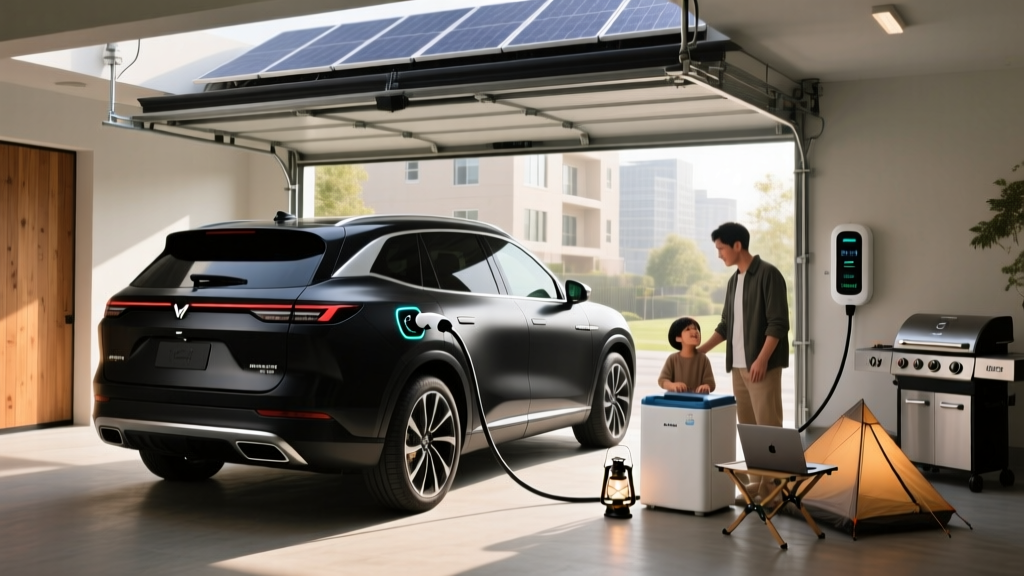
Home charging setup: A Level 2 home charger (240V, 32-amp circuit minimum) will fully replenish the 25.9 kWh battery overnight — typically 3 to 3.5 hours from empty. Most PHEV owners charge nightly, waking to a full battery every morning. Installation of a Level 2 charger typically costs $500-$2,000 depending on your electrical panel capacity and run length, per the Department of Energy.
kW vs kWh reminder: The battery holds 25.9 kWh of energy (think of it as the "tank size"). The onboard charger accepts up to 7.2 kW of power (the "flow rate"). Don't confuse the two — kW is how fast energy flows in; kWh is how much the battery stores.
Tax Credit Eligibility: The $191,700 Problem
Federal §30D Tax Credit — Likely Ineligible: Under current IRS rules for the new clean vehicle credit, the Cayenne Turbo S E-Hybrid faces two disqualifying barriers:
- MSRP Cap: SUVs must have an MSRP at or below $80,000 to qualify. At ~$191,700, the Cayenne Turbo S E-Hybrid exceeds this cap by over $100,000.
- Buyer Income Cap: Modified adjusted gross income must not exceed $300,000 (joint filers), $225,000 (head of household), or $150,000 (individual). Many buyers in this price range exceed these thresholds.
- Battery Sourcing Requirements: Critical mineral and battery component sourcing rules further restrict eligible vehicles regardless of price.
Bottom line: Do not factor a $7,500 federal tax credit into your Cayenne Turbo S E-Hybrid purchase. Consult IRS.gov §30D guidelines and a tax professional for your specific situation. Some states offer separate PHEV rebates that may apply regardless of MSRP — check your state energy office for details.
Battery Warranty, Reliability, and Replacement Cost
Porsche PHEV Battery Warranty: Porsche covers the high-voltage battery for 8 years or 100,000 miles (whichever comes first), with a capacity retention threshold of 70%. If the battery degrades below 70% of original capacity within the warranty period, Porsche will repair or replace it.
Powertrain Warranty: The conventional powertrain is covered for 4 years / 50,000 miles, matching Porsche's standard limited warranty.
Reliability context: Porsche's PHEV powertrains have been in production since the Panamera S E-Hybrid in 2014, and the Cayenne E-Hybrid line since 2019. The twin-turbo V8 is a proven architecture. PHEV systems add complexity (electric motor, power electronics, high-voltage battery, charge port) compared to a gas-only Cayenne, but the electric motor actually reduces wear on the engine during low-load driving. There are no widespread reports of systemic PHEV battery failures in the Cayenne line.
Battery replacement cost: Out-of-warranty high-voltage battery replacement for the Cayenne E-Hybrid is estimated at $12,000-$18,000 including parts and labor, based on dealer service data for comparable Porsche PHEV platforms. This is a worst-case scenario; most PHEV batteries outlast the vehicle's useful life. NMC chemistry in a PHEV operates in a relatively shallow state-of-charge window (the car's software prevents full 0% or 100% usage), which significantly extends cycle life compared to a full BEV that regularly cycles from 10% to 90%.
For long-term ownership peace of mind, consider an extended warranty that covers the hybrid system beyond the 8-year battery warranty, particularly if you plan to keep the vehicle past 100,000 miles.
Who Should Buy the Cayenne Turbo S E-Hybrid?
Choose the Cayenne Turbo S E-Hybrid if:
- You want supercar-level acceleration (3.5s 0-60) in a practical luxury SUV
- You have home charging access and a commute under 30 miles round-trip
- You take frequent road trips where a BEV's charging stops would be inconvenient
- You value Porsche build quality, driving dynamics, and brand prestige
- Budget is not your primary constraint ($190K+ before options)
Choose a full BEV (e.g., Porsche Taycan, Tesla Model X, Rivian R1S) if:
- You want zero tailpipe emissions and no gasoline expenses
- You have reliable home and workplace charging
- Your road trips are infrequent or along well-served DC fast-charging corridors
- You want lower per-mile "fuel" costs (electricity vs premium gasoline)
Choose a conventional hybrid (HEV) or gas Cayenne if:
- You lack home or workplace charging access (an uncharged PHEV is a heavy, less-efficient hybrid)
- You want lower upfront cost (gas Cayenne starts ~$85,000)
- You prefer simpler ownership with no plug-in routine
Pros
- 738 hp with 3.5s 0-60 — genuinely thrilling performance
- ~30 mi electric range covers most daily commutes
- No range anxiety on road trips — 430+ mi total range
- Porsche driving dynamics, steering feel, and build quality
- 8-year / 100,000-mi battery warranty
- Electric motor fills turbo lag for seamless acceleration
Cons
- $191,700+ base price; easily exceeds $210K with options
- No DC fast charging (Level 2 only)
- ~19 mpg when battery is depleted — thirsty on road trips
- Ineligible for federal §30D tax credit (MSRP cap)
- 5,500+ lb curb weight affects handling vs gas Cayenne
- Premium fuel required; high running costs when on gas
Frequently Asked Questions
How many MPG does the Cayenne Turbo S E-Hybrid get?
When the battery is charged, it achieves roughly 46 MPGe combined in charge-depleting mode. Once the battery is depleted and you're driving on gasoline alone, expect approximately 19 mpg combined (17 city / 22 highway). Real-world results depend heavily on how often you plug in — daily charging can dramatically reduce gasoline consumption.
How far can it go on electric only?
Approximately 30 miles EPA-estimated on a full charge. In cold weather or at sustained highway speeds, expect 20-26 miles. This is sufficient for most daily commutes and errands when you charge at home overnight.
Does the Cayenne Turbo S E-Hybrid qualify for any tax credit?
It does not qualify for the federal §30D new clean vehicle credit because its MSRP (~$191,700) far exceeds the $80,000 SUV cap. State-level incentives vary — some states offer PHEV rebates without MSRP caps. Consult a tax professional for your specific eligibility.
Is the PHEV system reliable and what does battery replacement cost?
Porsche's PHEV architecture has been in production since 2014 with no widespread systemic failures. The high-voltage battery is warrantied for 8 years / 100,000 miles at 70% capacity retention. Out-of-warranty replacement is estimated at $12,000-$18,000, though most PHEV batteries outlast the vehicle given the shallow cycling the software enforces.
Can I drive it without ever plugging it in?
Yes — it operates as a conventional (though heavy) hybrid when the battery is depleted. However, you'll sacrifice the electric-only range, reduce overall efficiency, and miss the performance benefit of a fully charged battery. A PHEV you never plug in is an expensive, overweight hybrid.
Does it have DC fast charging?
No. The Cayenne Turbo S E-Hybrid supports AC charging only — Level 1 (120V) and Level 2 (240V, up to 7.2 kW). A full charge on Level 2 takes approximately 3 to 3.5 hours. This is standard for PHEVs; DC fast charging is not offered on any current Cayenne E-Hybrid variant.