If you have spent any time researching compact SUVs, the Toyota RAV4 Hybrid is almost impossible to ignore. For 2026, Toyota continues to refine the formula that made this vehicle the best-selling hybrid SUV in America: a practical cabin, standard electronic all-wheel drive, and fuel economy that routinely beats its EPA estimates in real-world city driving. This guide breaks down the 2026 Toyota RAV4 Hybrid interior, powertrain specs, fuel economy, pricing, and long-term reliability so you can decide whether the HEV version, the plug-in RAV4 Prime, or a full battery-electric SUV is the right call for your household.
2026 Toyota RAV4 Hybrid Interior: What Changed and What Carried Over
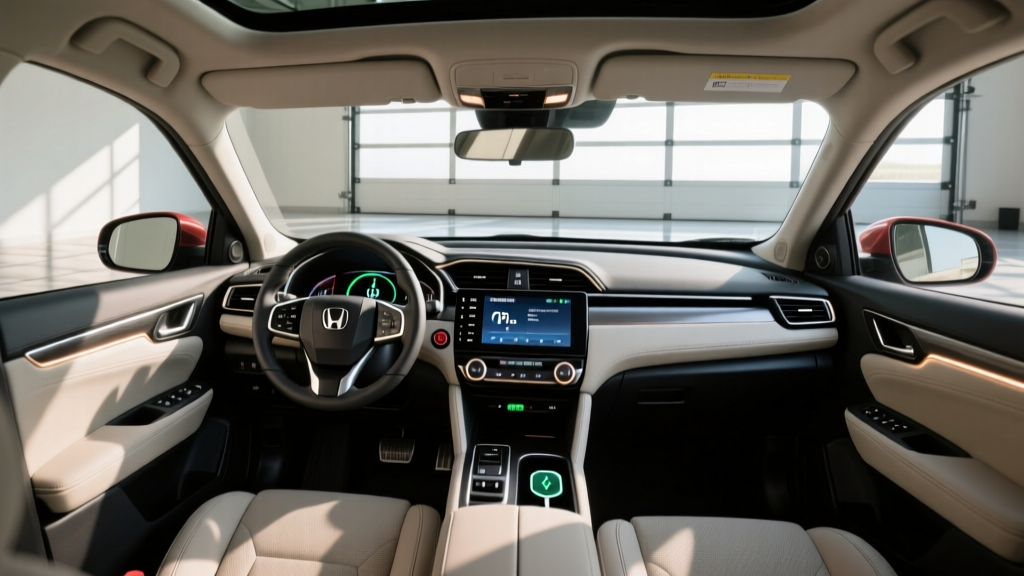
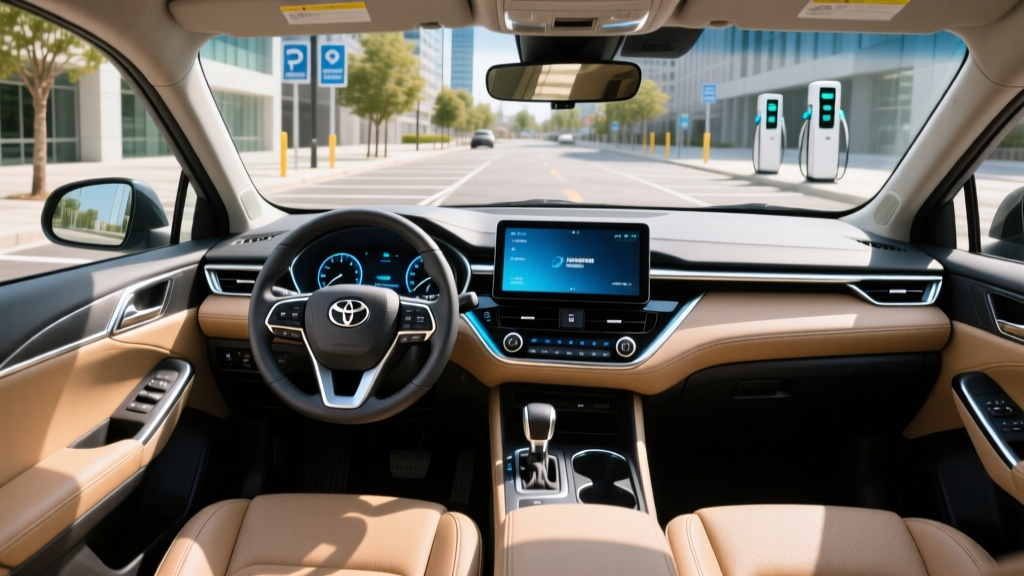
The 2026 RAV4 Hybrid cabin picks up where the current generation left off, with Toyota's latest infotainment interface now standard across all trims. The LE trim starts with an 8-inch touchscreen, while XLE and above move to a 10.5-inch display running Toyota's updated multimedia system with wireless Apple CarPlay and Android Auto. A 12.3-inch digital gauge cluster replaces the analog-digital hybrid instrument panel on XLE Premium and higher trims, offering customizable displays for hybrid energy flow, trip data, and driver-assist status.
Material quality follows Toyota's tiered approach: the LE uses durable cloth upholstery with hard-touch plastics on the lower dash and door panels, while the XLE introduces SofTex synthetic leather and soft-touch surfaces on the armrests and upper door trim. The Limited and Woodland Edition trims add heated and ventilated front seats, a heated steering wheel, and ambient interior lighting.
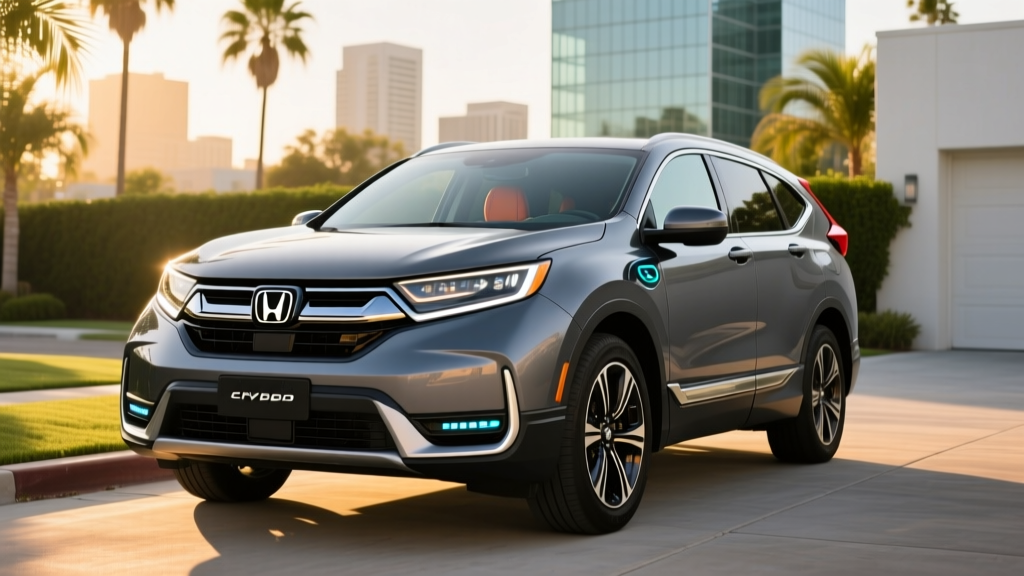
Cargo volume remains one of the RAV4 Hybrid's strongest selling points. Behind the second row, you get 37.5 cubic feet of space — enough for a full week of family luggage or a pair of large dog crates. Folding the 60/40 split rear seats flat opens up 69.8 cubic feet, which competes favorably with the Honda CR-V Hybrid (39.3/76.5 cu ft) and significantly outpaces the Mazda CX-50 Hybrid (31.1/62.8 cu ft). The hybrid battery sits beneath the rear seats, preserving the low, flat load floor that makes the RAV4 practical for bulky items.
HEV vs PHEV: Which RAV4 Hybrid Is Which?
Toyota sells two electrified RAV4 variants, and the distinction matters for your wallet, your commute, and your charging habits.
| Feature | RAV4 Hybrid (HEV) | RAV4 Prime (PHEV) |
|---|---|---|
| Powertrain | 2.5L 4-cyl + 3 electric motors (eAWD) | 2.5L 4-cyl + front/rear motors (eAWD) |
| Combined Horsepower | 219 hp | 302 hp |
| Battery | 1.6 kWh NiMH (self-charging) | 18.1 kWh lithium-ion (plug-in) |
| Electric-Only Range | N/A (EV assist only) | 42 miles (EPA) |
| Plugs In? | No — regenerates via braking/engine | Yes — Level 1 or Level 2 |
| DC Fast Charging | No | No |
| EPA Combined MPG | 39 MPG | 38 MPG (hybrid mode) / 94 MPGe (EV mode) |
| Starting MSRP (2026 est.) | ~$33,500 | ~$44,500 |
| Federal Tax Credit | Not eligible (§30D is BEV/PHEV only) | Up to $7,500 (subject to sourcing/income rules) |
The conventional RAV4 Hybrid (HEV) never plugs in. Its small nickel-metal hydride battery recharges through regenerative braking and the gas engine. You drive it exactly like a gas car — fill up at the pump — but the electric motors assist during acceleration and handle low-speed driving, cutting fuel consumption dramatically in stop-and-go traffic.
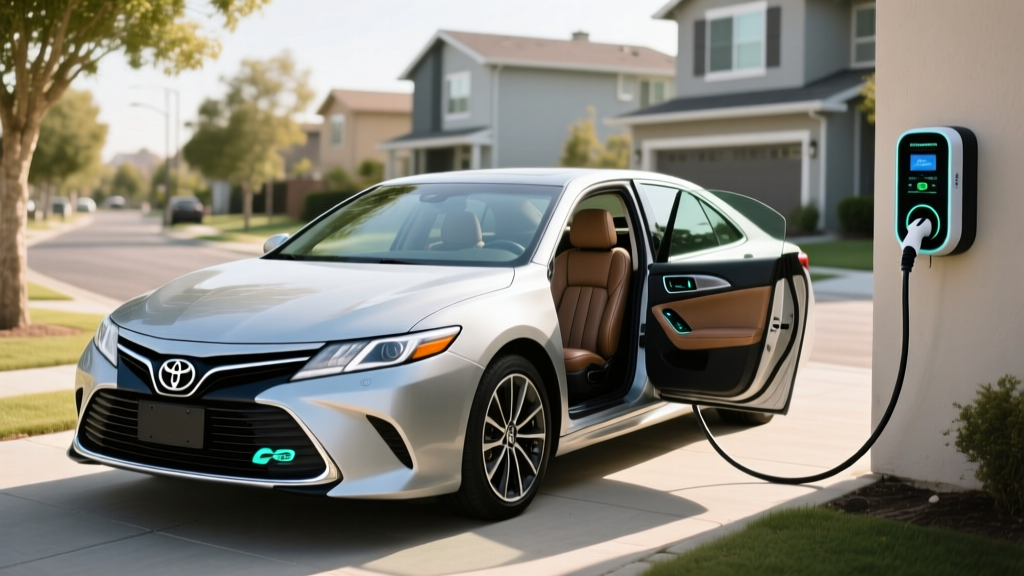
The RAV4 Prime (PHEV) pairs a much larger 18.1 kWh lithium-ion battery with a more powerful electric drivetrain. Plug it in at home (Level 2, 240V) and you can drive 42 miles on electricity alone before the gas engine kicks in. That covers most daily commutes without burning a drop of fuel. When the battery depletes, it operates as a conventional hybrid at 38 MPG combined. Note that the RAV4 Prime does not support DC fast charging — Level 2 at 6.6 kW is the fastest option, taking roughly 2.5 hours for a full charge from empty.
Fuel Economy: EPA Ratings and Real-World MPG
| Trim / Drivetrain | City | Highway | Combined |
|---|---|---|---|
| RAV4 Hybrid LE (eAWD) | 41 MPG | 38 MPG | 39 MPG |
| RAV4 Hybrid XLE / XLE Premium (eAWD) | 41 MPG | 38 MPG | 39 MPG |
| RAV4 Hybrid Woodland Edition (eAWD) | 38 MPG | 35 MPG | 37 MPG |
| RAV4 Hybrid Limited (eAWD) | 41 MPG | 38 MPG | 39 MPG |
| RAV4 Prime (PHEV, hybrid mode) | 40 MPG | 36 MPG | 38 MPG |
Source: fueleconomy.gov
Toyota's hybrid system shines in city driving, where the electric motors handle frequent stops and low-speed crawling. Many owners report exceeding the 41 MPG city EPA estimate by 2–4 MPG in warm weather on suburban routes with moderate stoplights. Highway fuel economy is the hybrid's weaker suit — at sustained 70–75 mph speeds, expect the real-world figure to land closer to 34–36 MPG, particularly with roof cargo boxes or in cold weather below 35°F, where the engine runs more often for cabin heat and battery conditioning.
The Woodland Edition's all-terrain tires and slightly higher ride height cost it 2 MPG combined versus the standard trims. If maximum efficiency is the priority, stick with the LE or XLE on the standard 18-inch wheels.
Powertrain and Driving Impressions
The 2026 RAV4 Hybrid uses Toyota's fifth-generation hybrid system: a 2.5-liter Atkinson-cycle four-cylinder engine paired with two front electric motors (one for propulsion, one as a generator/starter) and a rear-mounted electric motor that provides electronic all-wheel drive (eAWD). Combined output is 219 horsepower, delivered through an electronically controlled continuously variable transmission (eCVT).
The eAWD system is not a traditional mechanical all-wheel-drive setup. There is no driveshaft connecting the front and rear axles. Instead, the rear electric motor engages automatically when the system detects front-wheel slip, during hard acceleration, or in low-traction conditions like rain and light snow. It is not designed for serious off-road use, but it handles gravel driveways, wet highway on-ramps, and moderate winter conditions with confidence.
The RAV4 Prime's 302 combined horsepower makes it genuinely quick — Toyota claims a 0–60 mph time of 7.1 seconds for the Prime versus roughly 7.4 seconds for the standard Hybrid. In EV mode, the Prime accelerates briskly up to about 84 mph before the gas engine engages, making it viable for highway merging on electric power alone.
Pricing, Trims, and Tax Credit Eligibility
The 2026 RAV4 Hybrid lineup spans five trims, with pricing starting in the low $30,000s and climbing past $42,000 for a fully loaded Limited. Here is the estimated MSRP breakdown:
- LE: ~$33,500 — cloth seats, 8-inch touchscreen, Toyota Safety Sense 3.0
- XLE: ~$35,800 — SofTex seats, 10.5-inch screen, dual-zone climate, blind-spot monitor
- XLE Premium: ~$38,200 — 12.3-inch digital cluster, power liftgate, moonroof
- Woodland Edition: ~$37,500 — TRD-tuned suspension, all-terrain tires, roof rails
- Limited: ~$42,000 — ventilated front seats, premium JBL audio, 360-degree camera
Tax credit note: The conventional RAV4 Hybrid (HEV) does not qualify for the federal §30D clean vehicle credit — that credit applies only to battery-electric vehicles (BEVs) and plug-in hybrids (PHEVs). The RAV4 Prime (PHEV) may qualify for up to $7,500 under §30D, but eligibility depends on battery component and critical mineral sourcing requirements, buyer income caps ($150K single / $300K joint), and the SUV MSRP cap of $80,000. Rules change frequently — always verify current-year eligibility on IRS.gov and consult a tax professional before relying on the credit in your purchase decision.
Battery Warranty, Reliability, and Replacement Cost
RAV4 Hybrid (HEV) battery warranty: 10 years / 150,000 miles (whichever comes first) for the hybrid battery and all hybrid system components, including the inverter and electric motors. This warranty is transferable to subsequent owners.
RAV4 Prime (PHEV) battery warranty: 10 years / 150,000 miles for the plug-in hybrid battery, with a capacity retention guarantee of at least 70% of original capacity over the warranty period.
Toyota's hybrid system has an exceptional reliability track record. The RAV4 Hybrid's NiMH battery is deliberately undersized and conservatively managed — it never fully charges or fully depletes, which dramatically reduces degradation stress. Data from fleet operators and high-mileage owners shows hybrid battery replacements are rare before 150,000 miles, and many original batteries in 2016–2018 RAV4 Hybrids are still in service with over 200,000 miles.
If replacement is needed, a new OEM hybrid battery for the RAV4 Hybrid currently runs between $2,500 and $3,500 installed at a dealership. Third-party reconditioned batteries are available for $1,500–$2,000. The RAV4 Prime's larger lithium-ion pack is more expensive — expect $6,000–$8,000 for a full replacement, though failures within the warranty period are covered.
Toyota consistently ranks at or near the top of J.D. Power and Consumer Reports reliability surveys for the compact SUV segment, and the RAV4 Hybrid specifically has earned IIHS Top Safety Pick+ recognition in recent model years. Check the latest ratings at iihs.org before purchasing.
RAV4 Hybrid vs RAV4 Prime vs Full EV: Which Fits You?
Choose the RAV4 Hybrid (HEV) if:
- You cannot charge at home (apartment, street parking, no garage access)
- Your budget is under $40,000 and you want AWD with maximum cargo space
- You drive a mix of city and highway and want 39 MPG without any behavior change
- You plan to keep the vehicle 8–10+ years and value proven reliability
Choose the RAV4 Prime (PHEV) if:
- You can install a Level 2 charger at home (240V outlet or hardwired)
- Your daily commute is under 40 miles round-trip (you will rarely use gas)
- You want 302 hp and the quickest acceleration in the RAV4 lineup
- You can navigate the §30D tax credit eligibility requirements
Choose a full BEV (like the Toyota bZ4X, Hyundai Ioniq 5, or Tesla Model Y) if:
- You want zero tailpipe emissions and the lowest per-mile fuel cost
- You have reliable home charging and access to DC fast chargers for road trips
- You are comfortable with a 250–320 mile range and route planning on long trips
- You want the full $7,500 federal credit (on eligible models) and lower maintenance costs
Pros and Cons at a Glance
Pros
- 41 MPG city EPA — often exceeded in real-world suburban driving
- 37.5 cu ft cargo with no battery intrusion into the load floor
- Standard eAWD across all trims — no FWD-only base model
- 10-year / 150K-mile hybrid battery warranty
- Toyota Safety Sense 3.0 standard (adaptive cruise, lane tracing, pre-collision)
- Strong resale value — RAV4 Hybrids hold value better than most compact SUVs
Cons
- No DC fast charging (HEV doesn't plug in; Prime is Level 2 only)
- Woodland Edition sacrifices 2 MPG for all-terrain tires
- Base LE interior uses hard plastics that feel dated at this price point
- No third-row seat — families needing 7+ seats must look at the Highlander Hybrid
- HEV not eligible for any federal purchase incentive
- eAWD rear motor disengages above ~25 mph in steady-state cruising
Frequently Asked Questions
How many MPG does the 2026 Toyota RAV4 Hybrid get?
The EPA rates the 2026 RAV4 Hybrid (LE, XLE, XLE Premium, Limited) at 41 city / 38 highway / 39 combined MPG. The Woodland Edition drops to 38/35/37 MPG due to its all-terrain tires. In real-world city driving, many owners report 42–45 MPG in warm weather; highway driving at 75 mph typically yields 34–36 MPG.
How far can the RAV4 Prime go on electric only?
The RAV4 Prime delivers an EPA-rated 42 miles of electric-only range on a full charge of its 18.1 kWh battery. At highway speeds above 70 mph or in cold weather below freezing, expect that figure to drop to 32–36 miles. Once the battery depletes, the Prime operates as a conventional hybrid at 38 MPG combined.
Is the RAV4 Hybrid reliable, and what does a battery replacement cost?
Toyota's hybrid system is among the most proven in the industry, with the RAV4 Hybrid consistently earning top reliability scores. The hybrid battery is warranted for 10 years / 150,000 miles. Out-of-warranty replacement costs $2,500–$3,500 for the HEV and $6,000–$8,000 for the Prime's larger pack, though most batteries last well beyond 150,000 miles.
Does the RAV4 Hybrid qualify for any tax credit?
The conventional RAV4 Hybrid (HEV) does not qualify for the federal §30D clean vehicle credit — that incentive is limited to BEVs and PHEVs. The RAV4 Prime (PHEV) may qualify for up to $7,500, but eligibility depends on battery sourcing requirements, buyer income limits, and MSRP caps. Verify current rules at IRS.gov before purchase.
Do I need to plug in the RAV4 Hybrid?
No. The conventional RAV4 Hybrid (HEV) never plugs in. Its small battery charges through regenerative braking and the gas engine. Only the RAV4 Prime (PHEV) requires plugging in to access its 42-mile electric-only range — if you never plug in the Prime, it still functions as a regular hybrid at 38 MPG combined, but you miss the core benefit.
How does the RAV4 Hybrid interior compare to the Honda CR-V Hybrid?
The RAV4 Hybrid offers 37.5 cu ft of cargo space behind the rear seats versus the CR-V Hybrid's 39.3 cu ft — a modest advantage for Honda. However, the RAV4's standard eAWD, higher city MPG (41 vs. 40), and more aggressive hybrid battery warranty (10 years vs. Honda's 8 years) give Toyota an edge for buyers prioritizing efficiency and long-term coverage. Interior material quality is comparable at equivalent trim levels.