The Truth About the 2025 Ford Fusion Hybrid
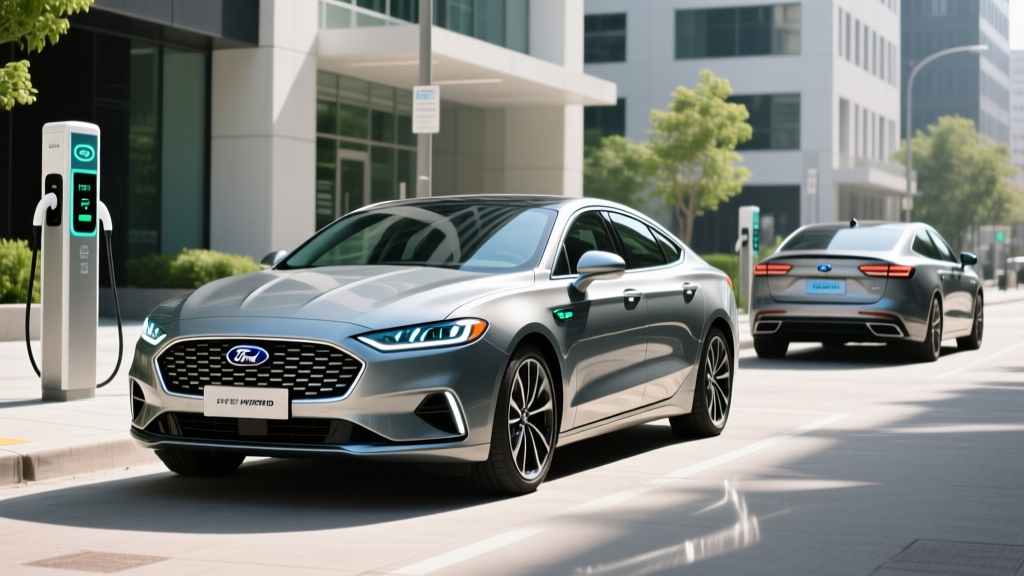
If you've been searching for a 2025 Ford Fusion Hybrid, you're not alone — the Fusion remains one of the most searched hybrid sedans in the U.S. But here's what you need to know before heading to a dealership: Ford discontinued the Fusion after the 2020 model year. There is no 2025 Ford Fusion Hybrid, no plug-in Fusion Energi successor, and no announced revival of the nameplate as of early 2026.
The Fusion Hybrid and Fusion Energi (the plug-in variant) were strong midsize sedans during their production run, competing with the Toyota Camry Hybrid and Honda Accord Hybrid. Ford exited the sedan market entirely to focus on trucks, SUVs, and electric vehicles like the Mustang Mach-E and F-150 Lightning. That decision still shapes Ford's 2025-2026 lineup.
This guide covers the last-generation Fusion Hybrid specs for used-car shoppers, maps the search to Ford's actual 2025 hybrid alternatives, and provides the MPG, battery, and reliability data you need to make a smart purchase — whether that's a certified pre-owned Fusion or a brand-new Ford hybrid.
Last-Generation Fusion Hybrid: EPA MPG and Powertrain Specs
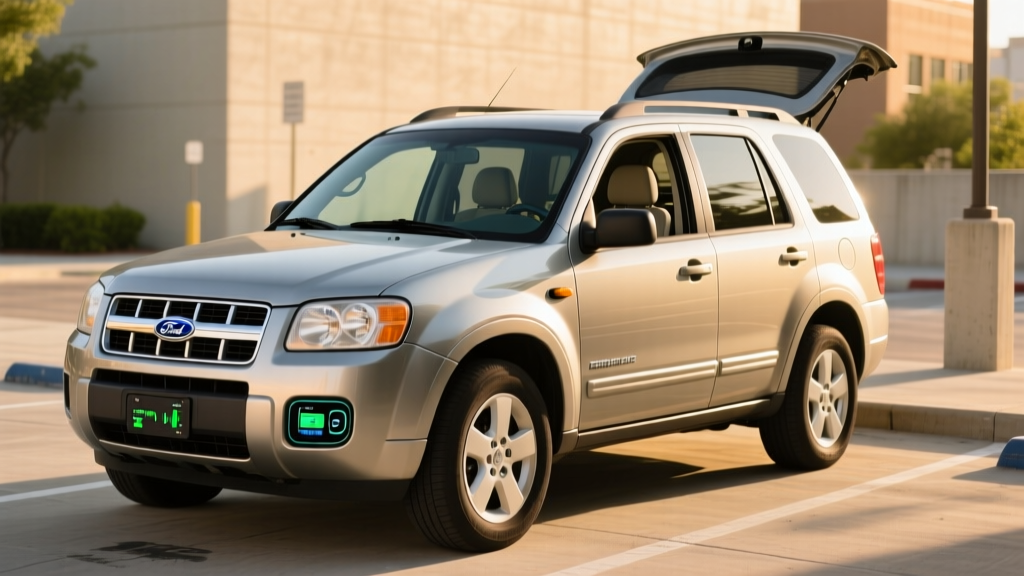
For buyers considering a used 2020 Ford Fusion Hybrid (the final model year), here are the official EPA figures and powertrain details that made this sedan popular.
| Specification | Value |
|---|---|
| EPA City MPG | 43 mpg |
| EPA Highway MPG | 41 mpg |
| EPA Combined MPG | 42 mpg |
| Engine | 2.0L Atkinson-cycle inline-4 |
| Electric Motor | Permanent-magnet AC synchronous |
| Combined System Horsepower | 195 hp |
| Transmission | eCVT (planetary gearset) |
| Hybrid Battery | 1.4 kWh lithium-ion (HEV, not plug-in) |
| Drivetrain | Front-wheel drive |
| 0–60 mph | ~7.8 seconds |
The Fusion Hybrid's 42 mpg combined was competitive in its class, though the Toyota Camry Hybrid LE eventually edged ahead at 52 mpg combined in later generations. Where the Fusion excelled was ride quality, cabin quietness, and a more substantial feel at highway speeds compared to some lighter competitors.
Fusion Hybrid (HEV) vs. Fusion Energi (PHEV): What Changed
The Fusion was sold in two electrified variants, and understanding the difference is critical for used-car shoppers.
Fusion Hybrid (HEV)
- Type: Conventional hybrid — no plug required
- Battery: 1.4 kWh lithium-ion
- Electric-only driving: Very short distances at low speed (<1 mile)
- Refueling: Gas station only; battery recharges via regenerative braking and engine
- Best for: Drivers who want better MPG without changing their fueling routine
Fusion Energi (PHEV)
- Type: Plug-in hybrid — must plug in to access electric range
- Battery: 7.6 kWh usable (9.0 kWh gross)
- EPA electric-only range: 26 miles
- Total range (electric + gas): ~410 miles
- Charging: Level 1 (120V) ~7 hours; Level 2 (240V) ~2.5 hours; no DC fast charging
- Best for: Drivers with short commutes (<25 miles) who can charge at home
The Fusion Energi's 26 miles of electric-only range was useful for daily commutes when it launched, but by 2020 competitors like the Toyota Prius Prime (25 miles EV range, but far more efficient overall) and the Honda Clarity PHEV (47 miles EV range) had raised the bar. Ford discontinued the Energi variant alongside the rest of the Fusion line.
Key distinction: A conventional hybrid (HEV) like the Fusion Hybrid never needs to be plugged in. Its small battery charges entirely through regenerative braking and the gasoline engine. A plug-in hybrid (PHEV) like the Fusion Energi has a larger battery that you charge via a wall outlet or Level 2 charger, enabling meaningful electric-only driving before the gas engine engages.
Ford's 2025 Hybrid Lineup: What Replaced the Fusion?
Ford doesn't sell a hybrid sedan in 2025. If you want a new Ford hybrid, you're looking at SUVs and trucks. Here's how the current lineup maps to what Fusion buyers originally wanted:
| Model | Type | EPA Combined MPG | Combined HP | Starting MSRP |
|---|---|---|---|---|
| Ford Maverick Hybrid | HEV | 37 mpg (FWD) | 191 hp | ~$28,995 |
| Ford Escape Hybrid | HEV | 39 mpg (FWD) | 210 hp | ~$34,995 |
| Ford Escape PHEV | PHEV | 37 mi EV range; 40 mpg combined (gas) | 210 hp | ~$40,495 |
| Ford Explorer Hybrid | HEV | 23 mpg (RWD) | 318 hp | ~$54,995 |
| Ford F-150 Hybrid (PowerBoost) | HEV | 24 mpg (4WD) | 430 hp | ~$59,995 |
The Ford Maverick Hybrid is the spiritual successor to the Fusion Hybrid's value proposition: an efficient, affordable, practical vehicle that sips fuel in the city. It's a compact truck rather than a sedan, but its 37 mpg combined and sub-$30,000 starting price attract many of the same cost-conscious buyers who once cross-shopped the Fusion.
The Ford Escape PHEV is the closest thing to a Fusion Energi replacement. Its 37 miles of EPA electric-only range is a meaningful improvement over the Fusion Energi's 26 miles, and the Escape PHEV qualifies for the federal §30D clean vehicle credit — up to $7,500, subject to income limits ($150K single / $300K joint), MSRP caps ($80,000 for SUVs), and battery critical-mineral sourcing requirements. The point-of-sale transfer option lets buyers apply the credit as a down payment reduction at the dealer.
Hybrid Battery Reliability and Replacement Cost
Hybrid battery longevity is the top concern for used Fusion Hybrid buyers. Here's what the data shows.
Real-world degradation: The Fusion Hybrid's 1.4 kWh battery is small and is managed conservatively by Ford's battery management system — it never fully charges or fully depletes, which dramatically extends cycle life. Most Fusion Hybrids on the road show minimal battery degradation even at 100,000+ miles. Taxi fleets using the previous-generation Fusion Hybrid (2013–2019) routinely exceeded 200,000 miles on the original battery pack.
Replacement cost if out of warranty: A replacement hybrid battery for a 2013–2020 Fusion Hybrid runs approximately $2,000–$3,500 for a refurbished unit and $4,000–$6,000 for a new OEM pack, including labor. Independent hybrid specialists often offer refurbished packs with 1–3 year warranties at the lower end of that range. For context, this is significantly cheaper than a full EV battery replacement, which can exceed $10,000–$20,000.
Consumer Reports and J.D. Power data consistently rank the Fusion Hybrid's powertrain reliability as average to above-average for its class. The eCVT transmission (a planetary gearset with no traditional belts or clutches) is one of the most durable transmission designs in the industry — it's the same basic architecture Toyota has used in the Prius for decades.
Tax Credits: Does the Fusion Hybrid Qualify?
This is where the distinction between used and new, and between HEV and PHEV, matters most.
- Used Fusion Hybrid (HEV): Not eligible for any federal tax credit. The §30D credit applies only to new plug-in vehicles (BEVs and PHEVs). Some states offer used-EV credits under §25E (up to $4,000 for used plug-in vehicles under $25,000), but conventional hybrids are excluded.
- Used Fusion Energi (PHEV): May qualify for the federal used clean vehicle credit (§25E) — up to $4,000 or 30% of the sale price, whichever is lower — if the vehicle sells for $25,000 or less, the buyer's income is under $75K (single) / $150K (joint), and it's purchased from a licensed dealer. Check IRS §25E guidelines for current eligibility.
- 2025 Ford Escape PHEV (new alternative): Eligible for up to $7,500 under §30D, subject to income caps, MSRP limits, and battery sourcing requirements. Point-of-sale transfer is available.
Conventional hybrids — whether the Fusion Hybrid or the current Maverick Hybrid — receive no federal purchase incentive. Their value proposition is purely fuel savings over time.
Hybrid vs. PHEV vs. Full EV: Which Fits Your Situation?
If you were shopping a Fusion Hybrid, you're likely weighing three options. Here's a practical decision framework:
Choose a Conventional Hybrid (HEV) If:
- You can't charge at home (apartment, street parking, no garage)
- You want zero change to your fueling routine
- Your budget is under $30,000
- You drive 12,000–15,000 miles/year and want 40+ mpg without plugging in
Choose a Plug-In Hybrid (PHEV) If:
- You can install a Level 2 charger at home
- Your daily commute is under 35 miles round-trip (you'll rarely use gas)
- You want electric commuting but need gas flexibility for road trips
- You want access to the $7,500 federal tax credit on a new vehicle
Choose a Full Battery EV (BEV) If:
- You have reliable home charging and your daily driving is under 250 miles
- You want the lowest per-mile fuel cost ($0.04–$0.06/mile on home electricity vs. $0.12–$0.15/mile for a hybrid on gas)
- You want minimal maintenance (no oil changes, no transmission fluid, fewer moving parts)
- You qualify for the full $7,500 §30D credit and your state offers additional EV incentives
Buying a Used Fusion Hybrid: What to Inspect
If you've decided a certified pre-owned or used 2017–2020 Fusion Hybrid is the right move, prioritize these checks:
- Hybrid battery state of health (SoH): Ask the dealer for a battery health report. Ford's diagnostic tool can read remaining capacity. Look for SoH above 85%.
- Maintenance records: The gasoline engine still requires regular oil changes (every 7,500–10,000 miles with synthetic). Neglected oil changes can lead to engine issues that the hybrid system can't compensate for.
- Brake pad life: Regenerative braking extends pad life significantly — many Fusion Hybrids reach 80,000+ miles on original pads. But if they're due for replacement, factor in $200–$400 per axle.
- Remaining warranty: The 8-year/100,000-mile hybrid battery warranty is transferable to second owners. A 2020 model retains factory hybrid warranty coverage through 2028 or 100,000 miles from the original in-service date.
- Software updates: Ensure the SYNC 3 infotainment and powertrain control modules have received their latest updates from a Ford dealer.
Frequently Asked Questions
How many MPG does the Ford Fusion Hybrid get?
The 2020 Ford Fusion Hybrid (final model year) is EPA-rated at 43 mpg city, 41 mpg highway, and 42 mpg combined. Real-world results vary: city-heavy drivers often see 44–46 mpg thanks to regenerative braking, while sustained highway driving at 75+ mph drops to roughly 37–39 mpg.
How far can the Fusion Energi go on electric only?
The 2020 Ford Fusion Energi (PHEV) has an EPA-rated 26 miles of electric-only range. After the battery is depleted, it operates as a conventional hybrid at roughly 42 mpg combined. Total range (electric + gas) is approximately 410 miles. The Energi was discontinued after 2020.
Does the Ford Fusion Hybrid need to be plugged in?
No. The Fusion Hybrid is a conventional hybrid (HEV). Its small 1.4 kWh battery charges entirely through regenerative braking and the gasoline engine. You fuel it at a gas station like any other car. Only the Fusion Energi (PHEV) requires plug-in charging to access its electric-only range.
Is the Fusion Hybrid reliable, and what does a battery replacement cost?
The Fusion Hybrid's powertrain is generally reliable, with the eCVT planetary gearset being one of the most durable transmission designs available. The hybrid battery is warranted for 8 years/100,000 miles (10 years/150,000 miles in CARB states). Out-of-warranty replacement costs $2,000–$6,000 depending on whether you choose refurbished or new OEM. Most Fusion Hybrids reach 150,000+ miles without battery replacement.
Does the Fusion Hybrid qualify for any tax credit?
No. The Fusion Hybrid (HEV) does not qualify for any federal purchase incentive — new or used. The Fusion Energi (PHEV) may qualify for the federal used clean vehicle credit (§25E, up to $4,000) if purchased for $25,000 or less from a dealer and the buyer meets income requirements. For a new Ford that does qualify for the $7,500 §30D credit, look at the 2025 Ford Escape PHEV.
What Ford hybrid should I buy instead of a Fusion?
For sedan-like efficiency in a Ford, the 2025 Maverick Hybrid (37 mpg combined, starting ~$28,995) offers the best value. For a PHEV with electric-only commuting, the 2025 Escape PHEV (37 miles EV range, ~$40,495 before incentives) is Ford's most efficient plug-in option. Neither is a sedan, but both deliver the fuel savings Fusion buyers were after.