Quick Verdict: The 2016 Volkswagen Jetta Hybrid at a Glance
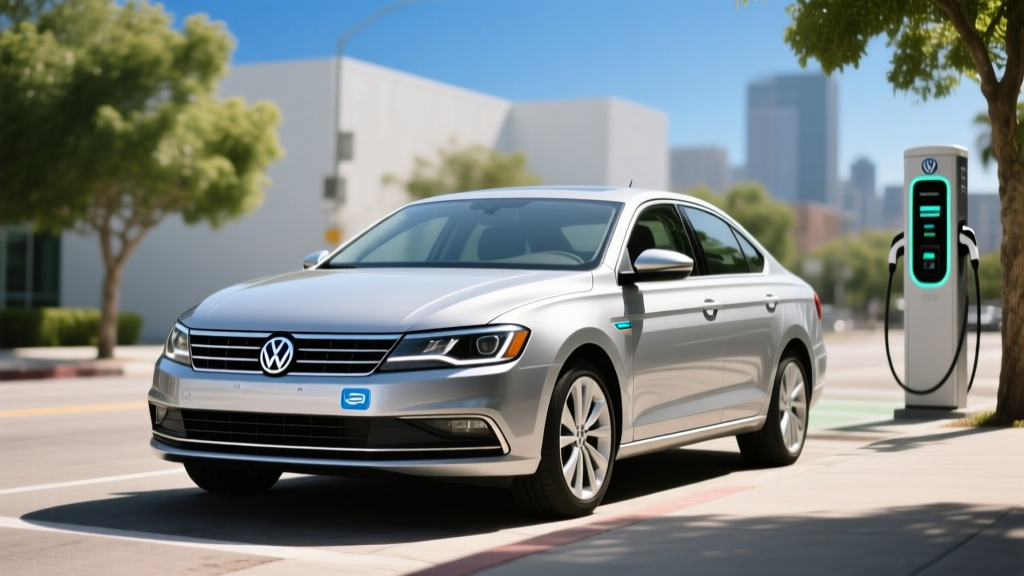
The 2016 Volkswagen Jetta Hybrid occupies a specific niche in the used-car market: a conventional hybrid (HEV) sedan that pairs a small turbocharged engine with an electric motor to deliver strong fuel economy without ever needing a plug. For buyers in 2026 searching for an affordable, fuel-efficient daily driver on the used market, the 2016 Jetta Hybrid remains a compelling option — provided you understand what it is, what it isn't, and what to watch for as these cars age past the 10-year mark.
This guide breaks down the 2016 hybrid Jetta's real-world MPG, powertrain architecture, battery longevity, and how it stacks up against modern hybrids, plug-in hybrids, and full EVs available today.
HEV vs PHEV: Where the 2016 Jetta Hybrid Fits
Before evaluating specs, it's essential to clarify what kind of hybrid the 2016 Jetta is, because the distinction drives everything from daily operation to cost of ownership.
| Feature | HEV (2016 Jetta Hybrid) | PHEV (e.g., Toyota Prius Prime) |
|---|---|---|
| Plugs in to charge? | No — self-charging via regen & engine | Yes — Level 1/Level 2 charging |
| Electric-only range | None (electric assist only) | 25–45 miles typical |
| Battery size | ~1.1 kWh (small, buffer-limited) | 13–18 kWh usable |
| Federal tax credit (§30D) | Not eligible | Up to $7,500 (if new & qualifying) |
| Fueling | Gasoline only | Gasoline + electricity |
The 2016 Jetta Hybrid uses a relatively small lithium-ion battery pack — roughly 1.1 kWh gross capacity — that you never plug in. The car's computer manages charge and discharge automatically, using the electric motor to assist during acceleration, enable brief engine-off coasting, and capture energy during braking. This is fundamentally different from a PHEV like the current Toyota Prius Prime or a full BEV like the Chevrolet Equinox EV.
Fuel Economy: EPA Ratings vs Real-World MPG
The headline number for the 2016 hybrid Jetta is its fuel efficiency. Here's how the EPA rates it, alongside what owners actually report in mixed driving.
| Metric | Value |
|---|---|
| City MPG | 42 MPG |
| Highway MPG | 48 MPG |
| Combined MPG | 45 MPG |
| Fuel type | Regular unleaded (87 octane) |
| Fuel tank capacity | 13.2 gallons |
| Total range (estimated) | ~594 miles |
Source: EPA Fuel Economy Guide — 2016 Volkswagen Jetta Hybrid
Powertrain Specs: Turbo Engine Meets Electric Motor
The 2016 Jetta Hybrid's powertrain is a parallel hybrid system — both the gasoline engine and electric motor can drive the front wheels, either independently or together. Here's the complete breakdown:
| Component | Specification |
|---|---|
| Gasoline engine | 1.4L TSI turbocharged inline-4 |
| Engine output | 150 HP / 184 lb-ft torque |
| Electric motor | 27 HP (20 kW) integrated into transmission |
| Combined system output | 170 HP / 184 lb-ft torque |
| Transmission | 7-speed DSG dual-clutch automatic |
| Drivetrain | Front-wheel drive |
| 0–60 mph (est.) | ~8.2 seconds |
| Hybrid battery | ~1.1 kWh lithium-ion (behind rear seat) |
The 1.4L TSI engine is the same turbocharged unit VW used across many models in this era. The 27 HP electric motor sits between the engine and the 7-speed DSG transmission, enabling seamless transitions between electric assist, engine-only, and combined power delivery. The system never drives on electric power alone for meaningful distances — the motor's role is assist and regeneration, not propulsion.
Compared to the 2026 Toyota Prius (which delivers 194 HP combined and 57 MPG), the Jetta Hybrid's powertrain feels a generation behind in output but remains adequate for daily commuting and highway merging.
Battery Longevity, Warranty, and Replacement Cost
For any used hybrid buyer in 2026, the traction battery is the single biggest financial unknown. A 2016 Jetta Hybrid is now 10 years old, which puts it at the edge of — or past — its original hybrid battery warranty.
Battery degradation reality: The Jetta Hybrid's ~1.1 kWh pack is small and managed conservatively by VW's battery management system. The BMS maintains a substantial buffer — the car never fully charges or fully depletes the pack — which significantly extends cycle life. Many VW hybrid owners report minimal noticeable degradation at 100,000+ miles, though the battery's assist capability may diminish slightly over time, resulting in marginally lower MPG.
Replacement cost: If the hybrid battery does fail out of warranty, expect a replacement to cost between $2,000 and $4,000 for a refurbished or aftermarket unit, or $4,000 to $6,000+ for a new OEM battery pack through a VW dealer. Independent hybrid specialists can often source refurbished packs at the lower end of that range. This is considerably less than a full EV battery replacement (which can exceed $10,000–$20,000) because the pack is so much smaller.
Tax Credits and Incentives: What Applies in 2026?
This is where many used-hybrid shoppers get confused. Let's be precise:
- Federal §30D Clean Vehicle Credit: The 2016 Jetta Hybrid does not qualify. This credit applies only to new plug-in vehicles (PHEVs and BEVs) meeting battery sourcing, MSRP, and buyer income requirements per IRS guidelines. Conventional hybrids are excluded.
- Used Clean Vehicle Credit (§25E): This credit (up to $4,000 or 30% of sale price) applies only to used plug-in EVs and PHEVs — not conventional hybrids like the Jetta Hybrid.
- State incentives: A handful of states offer modest rebates or HOV lane access for hybrids, but most state-level EV incentives target plug-in vehicles. Check your state's DMV or energy office for current programs.
Bottom line: Budget for the full purchase price. There are no federal tax credits available for buying a used 2016 Jetta Hybrid in 2026.
Used Market Pricing: What to Expect in 2026
The 2016 Jetta Hybrid was offered in three trims: SE, SEL, and SEL Premium. Original MSRPs ranged from approximately $26,995 (SE) to $31,495 (SEL Premium). In the 2026 used market:
| Trim | Original MSRP | 2026 Used Range (80k–120k mi) |
|---|---|---|
| SE | ~$26,995 | $8,500 – $11,000 |
| SEL | ~$28,795 | $9,500 – $12,500 |
| SEL Premium | ~$31,495 | $10,500 – $14,000 |
Prices vary by mileage, condition, region, and whether the hybrid battery has been tested or replaced. Always request a pre-purchase inspection that includes a hybrid battery state-of-health check.
Reliability and Common Issues
The 2016 Jetta Hybrid carries some specific reliability considerations that distinguish it from the gas-only Jetta of the same year:
- DSG transmission: The 7-speed dry-clutch DSG (DQ200 variant) used in the Jetta Hybrid has a mixed reliability history. Earlier VW DSG units had well-documented mechatronic failures. By 2016, the design had improved, but some owners report shuddering at low speeds or hesitation during stop-and-go driving. A DSG fluid and filter service every 40,000 miles is recommended.
- Hybrid system: The hybrid components (motor, inverter, battery) have been generally reliable. The most common hybrid-related complaint is a gradual reduction in electric assist as the battery ages, which manifests as slightly lower MPG rather than a hard failure.
- 12V battery: Like all hybrids, the Jetta Hybrid has a standard 12V auxiliary battery that powers electronics. This battery can fail independently of the hybrid system and is a common source of "no-start" complaints that owners mistakenly attribute to the hybrid battery.
- Water pump and thermostat: The 1.4L TSI engine is known for cooling system component wear. Budget for a water pump replacement (~$400–$700) if it hasn't been done.
Overall, the 2016 Jetta Hybrid rates as average to slightly below average in long-term reliability compared to the segment benchmark — the Toyota Prius. IIHS safety ratings were strong for its class, with Good ratings in most crashworthiness tests.
Who Should Buy the 2016 Jetta Hybrid — and Who Shouldn't
✓ Choose This If
- You want 40+ MPG without changing your fueling habits
- You lack access to home or workplace charging (apartment, street parking)
- Your budget is $9,000–$14,000 for a fuel-efficient sedan
- You prefer a turbocharged driving feel over CVT drone
- Your commute is mostly city/suburban with moderate highway use
✗ Look Elsewhere If
- You want electric-only driving or plug-in capability
- You want federal tax credits (look at new PHEVs/BEVs)
- Maximum reliability is your top priority (consider a used Prius)
- You need AWD or significant cargo space
- You plan to keep the car 10+ years and want minimal repair risk
Hybrid vs PHEV vs EV: Which Powertrain Fits You?
If you're cross-shopping the 2016 Jetta Hybrid against other electrified options, here's a practical decision framework:
Conventional Hybrid (HEV) — like the 2016 Jetta Hybrid: Best for drivers who want better fuel economy with zero lifestyle change. No plugs, no range planning, no charging apps. You fill up at gas stations as usual and get 40–45 MPG. Ideal for apartment dwellers, high-mileage commuters, and budget-conscious buyers.
Plug-In Hybrid (PHEV) — like a used Chevrolet Volt or new Toyota RAV4 Prime: Best for drivers with home charging access who want 25–45 miles of electric-only range for daily commutes but gas-engine flexibility for road trips. PHEVs offer the best of both worlds — if you can charge nightly, you may burn almost no gasoline on weekdays.
Battery Electric Vehicle (BEV) — like a used Tesla Model 3 or new Hyundai Ioniq 5: Best for drivers with reliable home or workplace charging who want zero tailpipe emissions, minimal maintenance, and the lowest per-mile fuel cost. Requires planning for road trips and acceptance of charging infrastructure limitations in some regions.
Frequently Asked Questions
How many MPG does the 2016 hybrid Jetta get?
The EPA rates the 2016 Jetta Hybrid at 42 MPG city, 48 MPG highway, and 45 MPG combined. In real-world mixed driving, most owners report 40–44 MPG. City-heavy routes with frequent stops can push it above 45 MPG thanks to regenerative braking, while sustained highway driving at 75+ mph typically yields 38–42 MPG.
Can the 2016 Jetta Hybrid drive on electric power alone?
Only for very brief, low-speed coasting or creeping. The electric motor (27 HP) is designed to assist the gasoline engine, not replace it. There is no EV mode button and no meaningful electric-only range. This is a conventional hybrid, not a plug-in.
Is the 2016 Jetta Hybrid reliable?
It's average for its class. The hybrid system itself has been generally trouble-free, but the 7-speed DSG transmission and 1.4L TSI engine have known maintenance needs (DSG service intervals, water pump wear). Compared to a same-year Toyota Prius, the Jetta Hybrid carries slightly higher long-term maintenance risk. A thorough pre-purchase inspection is strongly recommended.
What does a hybrid battery replacement cost for the 2016 Jetta?
Expect $2,000–$4,000 for a refurbished replacement or $4,000–$6,000+ for a new OEM battery. The original warranty was 8 years/100,000 miles (10 years/150,000 miles in CARB states). As of 2026, most 2016 models have aged out of the standard warranty, though CARB-state vehicles under 150,000 miles may still have coverage.
Does the 2016 Jetta Hybrid qualify for any tax credit?
No. The federal §30D Clean Vehicle Credit and the §25E Used Clean Vehicle Credit both require a plug-in vehicle (PHEV or BEV). Conventional hybrids like the Jetta Hybrid are not eligible for any federal purchase incentive. Check your state's energy office for any local hybrid incentives, though these are increasingly rare.
How does the 2016 Jetta Hybrid compare to a 2026 Toyota Prius?
The current-generation Prius delivers 57 MPG combined (vs. 45 MPG), 194 HP (vs. 170 HP), and a modern interior with updated safety tech. However, a new 2026 Prius starts around $29,000–$35,000, while a used 2016 Jetta Hybrid can be had for $9,000–$14,000. If budget is the primary constraint, the Jetta Hybrid offers solid value. If you want maximum efficiency and modern features, the newer Prius is the clear winner.