Quick Verdict: The 2015 Prius Plug-In in 2026
If you are searching for a 2015 Toyota Prius Plug-In on the used market, you are looking at one of the most pragmatic gateway vehicles into electrified driving. This second-generation Prius Plug-In (sometimes called the Prius PHV) pairs a 1.8-liter Atkinson-cycle four-cylinder with a plug-in battery that delivers approximately 11 miles of electric-only driving before seamlessly reverting to a conventional hybrid. With an EPA-estimated 95 MPGe in charge-depleting mode and 50 MPG combined once the battery is depleted, it remains a remarkably efficient daily driver more than a decade after its debut.
However, buying a 2015 PHEV in 2026 means evaluating a vehicle that is now 11 years old, with a traction battery that has likely seen significant cycle and calendar aging. This guide breaks down every spec, real-world efficiency expectation, battery longevity concern, and cost factor you need to make an informed purchase.
HEV vs PHEV: What the 2015 Prius Plug-In Actually Is
Toyota sold two distinct Prius variants for the 2015 model year, and confusing them is a common buyer mistake. Here is the fundamental distinction:
Standard 2015 Prius (HEV — Liftback)
- Cannot be plugged in — charges its small battery entirely through regenerative braking and engine power
- EPA combined: 50 MPG
- No electric-only driving range to speak of (under 1 mile at very low speeds)
- No charging port on the vehicle
2015 Toyota Prius Plug-In Hybrid (PHEV)
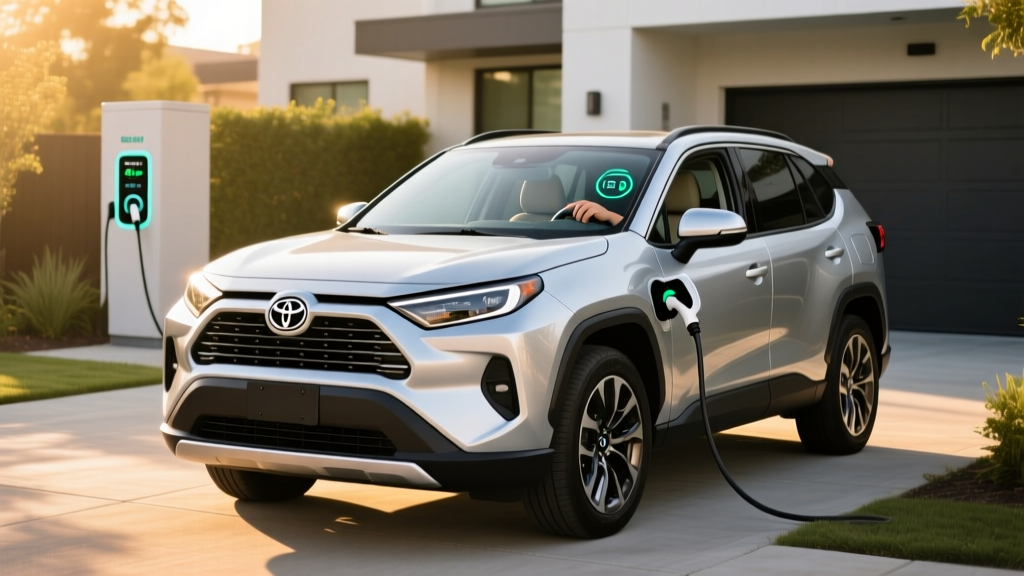
- Has a charge port — plugs into a standard 120V outlet or a 240V Level 2 charger
- EPA combined: 95 MPGe (electric + gas) / 50 MPG (hybrid-only after battery depleted)
- 11 miles of electric-only range at full charge
- Operates as a standard hybrid once EV range is used up — no range anxiety
The key takeaway: the 2015 Prius Plug-In requires access to a plug to capture its efficiency advantage. If you cannot charge at home or work, you are essentially driving a slightly heavier standard Prius with a dead battery — and you will see 50 MPG, not 95 MPGe.
Powertrain Specs: Engine, Motor, and Combined Output
| Specification | 2015 Toyota Prius Plug-In |
|---|---|
| Engine | 1.8L Atkinson-cycle inline-4 (98 hp, 105 lb-ft) |
| Electric Motor | 80 hp (60 kW) AC synchronous motor |
| Combined Net Horsepower | 134 hp |
| Transmission | eCVT (planetary gearset, no fixed gears) |
| Drivetrain | Front-wheel drive |
| 0–60 mph | ~9.1 seconds |
| Traction Battery | 4.4 kWh lithium-ion (usable capacity ~3.6 kWh) |
| Curb Weight | ~3,210 lbs |
The 134 hp combined output is modest by 2026 standards, and the 9.1-second 0–60 time reflects a vehicle engineered for efficiency, not acceleration. The eCVT is Toyota's proven planetary gearset design — it has no belts or pulleys to wear out, which contributes to the powertrain's exceptional longevity record.
Fuel Economy: EPA Ratings vs Real-World MPG
| Mode | City | Highway | Combined |
|---|---|---|---|
| Charge-Depleting (EV + Gas) | 95 MPGe combined | 95 MPGe | |
| Charge-Sustaining (Hybrid Only) | 51 MPG | 49 MPG | 50 MPG |
According to fueleconomy.gov, the 2015 Prius Plug-In achieves 95 MPGe when blending electric and gasoline operation. Once the 11-mile EV range is depleted, it operates identically to a standard Prius Liftback at 50 MPG combined (51 city / 49 highway).
Real-world expectations in 2026: Owners consistently report that the 11-mile EV range holds up reasonably well in mild weather, though winter temperatures can reduce it to 7–9 miles due to cabin heating demands and reduced battery efficiency. In hybrid mode, real-world fuel economy often exceeds the EPA city figure during stop-and-go commuting — 52–55 MPG is common in urban driving. Highway cruising at 75+ mph may yield 44–47 MPG, as the Prius powertrain is optimized for lower speeds.
Total combined range: With a full charge and a full 11.9-gallon fuel tank, expect approximately 600–620 total miles before needing gas or a plug. The EV portion contributes roughly 11 of those miles; the remaining ~590 come from gasoline in hybrid mode.
Charging: How Long and What Equipment You Need
The 2015 Prius Plug-In uses a J1772 connector for AC charging and does not support DC fast charging. This is a critical limitation to understand — you cannot pull up to a public DC fast charger and add range in minutes. All charging is AC-only.
| Charging Level | Power | Full Charge Time (0–100%) | Equipment Needed |
|---|---|---|---|
| Level 1 (120V household outlet) | ~1.4 kW | ~2.5–3 hours | Included 120V charging cord |
| Level 2 (240V home/public station) | ~3.3 kW (vehicle-limited) | ~1.5 hours | J1772 Level 2 station (16A+) |
The onboard charger is capped at approximately 3.3 kW, meaning even if you plug into a 7.2 kW or 11.5 kW Level 2 station, the Prius Plug-In will only draw ~3.3 kW. The small 4.4 kWh battery means charging times are short regardless — a full top-up from empty takes about 90 minutes on Level 2 or roughly 3 hours on a standard household outlet.
Practical tip for used buyers: Verify that the original Level 1 charging cord is included with the vehicle. Replacement OEM cords can cost $300–$500. Also inspect the J1772 inlet for corrosion or loose pins, especially on vehicles that lived in coastal or road-salt climates.
Battery Health, Warranty, and Replacement Cost
Original Battery Warranty (2015 Model Year)
- Hybrid Battery Warranty: 8 years / 100,000 miles (10 years / 150,000 miles in CARB states including California, New York, Massachusetts, and others adopting California emissions standards)
- Capacity Retention Threshold: Toyota warranted the battery against failure or significant capacity loss below functional levels
- Status in 2026: Original factory warranty has expired for virtually all 2015 models, even in CARB states (8 years from 2015 = 2023 expiration; 10 years = 2025)
The 4.4 kWh lithium-ion traction battery in the 2015 Prius Plug-In uses NMC (nickel-manganese-cobalt) chemistry. Unlike the smaller NiMH battery in the standard 2015 Prius Liftback, this lithium-ion pack is larger, more energy-dense, and subject to calendar aging regardless of mileage.
Degradation expectations in 2026: An 11-year-old NMC pack will have experienced measurable capacity loss. Where the vehicle originally delivered 11 EV miles when new, expect approximately 7–10 miles of usable EV range on a well-maintained example. Batteries that were frequently drained to near-zero, charged to 100% daily in hot climates, or left sitting at low state-of-charge for extended periods will show more degradation.
Battery replacement cost: A new OEM replacement traction battery from Toyota runs approximately $2,500–$4,000 installed at a dealership. Third-party refurbished or reconditioned battery packs are available for $1,200–$2,200 installed through independent hybrid specialists. Individual module replacement (replacing only the weak cells) can cost $500–$1,000 if a hybrid specialist diagnoses specific cell failures.
Pre-purchase battery check: Before buying any used 2015 Prius Plug-In, request a hybrid battery health check using Toyota's Techstream diagnostic tool or an aftermarket OBD-II scanner compatible with Toyota hybrid systems (such as Dr. Prius or Hybrid Assistant apps with a compatible Bluetooth OBD-II dongle). These tools read individual cell voltages and internal resistance — a healthy pack shows cell voltage variance under 0.20V at rest. Variance above 0.30V signals weak modules that may need attention soon.
Pricing, Tax Credits, and Used Market Value
Original MSRP (2015): The 2015 Prius Plug-In started at approximately $30,370 (including destination), with the Advanced trim reaching roughly $35,070. A federal tax credit of up to $2,500 was available for new purchasers at the time.
Used market pricing in 2026: Expect to pay between $8,500 and $14,000 depending on mileage, condition, battery health, and trim level. Lower-mileage examples (under 80,000 miles) with documented battery health reports command the upper end of this range. High-mileage examples (130,000+ miles) or vehicles with known battery issues can sell for $6,000–$8,000.
Tax credit eligibility in 2026: Under current IRS §25E rules (the Previously Owned Clean Vehicle Credit), you may qualify for a used-EV/PHEV credit of up to $4,000 or 30% of the sale price, whichever is less. Key requirements include:
- Sale price must be $25,000 or less (the 2015 Prius Plug-In qualifies)
- Buyer income caps: $75,000 single / $112,500 head of household / $150,000 married filing jointly (modified AGI)
- Vehicle must be purchased from a licensed dealer (private-party sales do not qualify)
- The vehicle must have been placed in service originally at least two years before the tax year of purchase (satisfied for a 2015 model)
- You must not have claimed the used-vehicle credit in the prior 3 years
At typical 2026 used prices ($8,500–$14,000), the credit would be 30% of the sale price — meaning $2,550 to $4,000 depending on the purchase price and your tax liability. Consult a tax professional to confirm your eligibility. This credit can be transferred to the dealer as a point-of-sale discount under current rules.
Reliability Record and Common Issues
The third-generation Prius platform (2010–2015) has one of the strongest long-term reliability records in the automotive industry. The 2015 model year, being the final year of this generation, benefits from Toyota's iterative refinements. Key reliability notes:
- eCVT transmission: Extremely durable. Planetary gearset design has no belts, clutches, or torque converters to fail. Hundreds of thousands of Prius taxis have run 300,000+ miles on the original transaxle.
- Engine (2ZR-FXE): Proven 1.8L Atkinson-cycle engine. Head gasket issues reported on some 2010–2012 models were largely addressed by the 2015 model year. Maintain coolant levels and follow the 100,000-mile coolant replacement interval.
- Brakes: Regenerative braking means the friction brake pads last exceptionally long — 80,000–120,000 miles before replacement is common.
- 12V auxiliary battery: Located in the rear cargo area. Replacement every 4–6 years is typical. An AGM-type battery is required (approximately $180–$250).
- Inverter coolant pump: Check for recalls and service history. A failed inverter coolant pump can lead to inverter overheating and a costly repair ($1,500–$2,500).
According to NHTSA records, the 2015 Prius Plug-In has a minimal recall footprint. Verify that any open recalls (particularly related to the brake booster assembly on some third-gen Prius models) have been completed before purchase.
Who Should Buy the 2015 Prius Plug-In vs a Full EV or Gas Car
Choose the 2015 Prius Plug-In if:
- You have a short commute (under 12 miles one way) and can charge at home — you will drive almost entirely on electricity most days
- You want a safety net for longer road trips without range anxiety — the hybrid mode delivers 50 MPG and 600+ total miles
- Your budget is $8,000–$14,000 and you want the lowest possible cost-per-mile transportation
- You live in a climate with extreme cold or heat where a full EV's range loss concerns you
- You lack access to DC fast charging infrastructure in your area
Choose a full EV (BEV) instead if:
- Your daily driving exceeds 30 miles and you want zero gasoline expenses
- You want access to HOV lane stickers (availability varies by state and may have expired for this model)
- You want DC fast charging for road trips (the Prius Plug-In cannot DC fast charge)
- You prefer the latest infotainment, ADAS, and connectivity features
Choose a conventional hybrid (HEV) instead if:
- You cannot plug in at home or work — a PHEV without a plug is just a heavier, more expensive HEV
- You want lower purchase price and less complexity — a standard 2015 Prius Liftback is often $1,000–$2,500 cheaper used
Choose a gas-only car instead if:
- You drive very few miles per year (under 5,000) — the fuel savings won't offset the purchase premium
- You need towing capacity or performance the Prius platform cannot deliver
Pros
- 50 MPG hybrid mode is exceptional even by 2026 standards
- 11-mile EV range covers many short commutes emissions-free
- Proven, ultra-reliable Toyota hybrid powertrain
- 600+ mile total range eliminates range anxiety entirely
- Charges fully on a standard 120V outlet in ~3 hours
- Low running costs: brake pads, tires, and fuel all last longer
- Potential $4,000 used-EV tax credit under §25E
Cons
- Only 11 miles EV range — far less than modern PHEVs (25–45 miles)
- No DC fast charging capability
- Modest 134 hp — slow acceleration by current standards
- 2015-era infotainment lacks Apple CarPlay, Android Auto
- Original battery warranty has expired; replacement is an out-of-pocket risk
- Cargo space reduced vs standard Prius due to larger battery placement
- Dated interior materials and sound insulation
Frequently Asked Questions
How many MPG does the 2015 Toyota Prius Plug-In get?
The EPA rates it at 95 MPGe when blending electric and gasoline operation. Once the EV range is depleted, it operates as a standard hybrid at 50 MPG combined (51 city / 49 highway). Real-world city driving often yields 52–55 MPG; highway driving at 75+ mph typically returns 44–47 MPG.
How far can the 2015 Prius Plug-In go on electric only?
The EPA-rated EV range is 11 miles on a full charge. In 2026, an 11-year-old battery in good health typically delivers 7–10 miles of real-world EV range. Cold weather and highway speeds reduce this further.
Is the 2015 Prius Plug-In reliable, and what does a battery replacement cost?
Yes — the third-generation Prius platform is among the most reliable vehicles Toyota has built. The eCVT and engine routinely exceed 200,000 miles with basic maintenance. The main risk in 2026 is traction battery age: a new OEM replacement costs $2,500–$4,000 installed, while refurbished packs run $1,200–$2,200. Always get a battery health report before purchasing.
Does the 2015 Prius Plug-In qualify for any tax credit in 2026?
It may qualify for the IRS §25E Previously Owned Clean Vehicle Credit — up to $4,000 or 30% of the sale price (whichever is less). The vehicle must sell for $25,000 or less from a licensed dealer, and buyer income caps apply ($75K single / $150K married). Consult a tax professional or IRS.gov for your specific eligibility.
Can the 2015 Prius Plug-In use DC fast chargers?
No. The 2015 Prius Plug-In only supports AC charging via a J1772 connector — Level 1 (120V, ~3 hours for a full charge) or Level 2 (240V, ~1.5 hours). It cannot connect to DC fast chargers (CHAdeMO, CCS, or NACS).
What is the difference between the 2015 Prius Plug-In and the standard 2015 Prius?
The standard 2015 Prius is a conventional hybrid (HEV) — it cannot be plugged in and has no meaningful electric-only range. The Prius Plug-In (PHEV) has a larger 4.4 kWh lithium-ion battery, a charge port, and 11 miles of EV range. Once the EV range is depleted, both vehicles operate identically as hybrids at approximately 50 MPG combined.
Is the 2015 Prius Plug-In a good buy in 2026?
For the right buyer, yes. If your commute is short, you can charge at home, and you want ultra-low running costs with the flexibility of a gas engine for longer trips, it remains an excellent value at $8,500–$14,000. The primary risk is battery replacement cost if the original pack has degraded significantly — factor in a potential $1,500–$4,000 battery expense within your first few years of ownership, or confirm battery health before purchase.