The 2015 Toyota Prius: America's Hybrid Benchmark, 11 Years Later
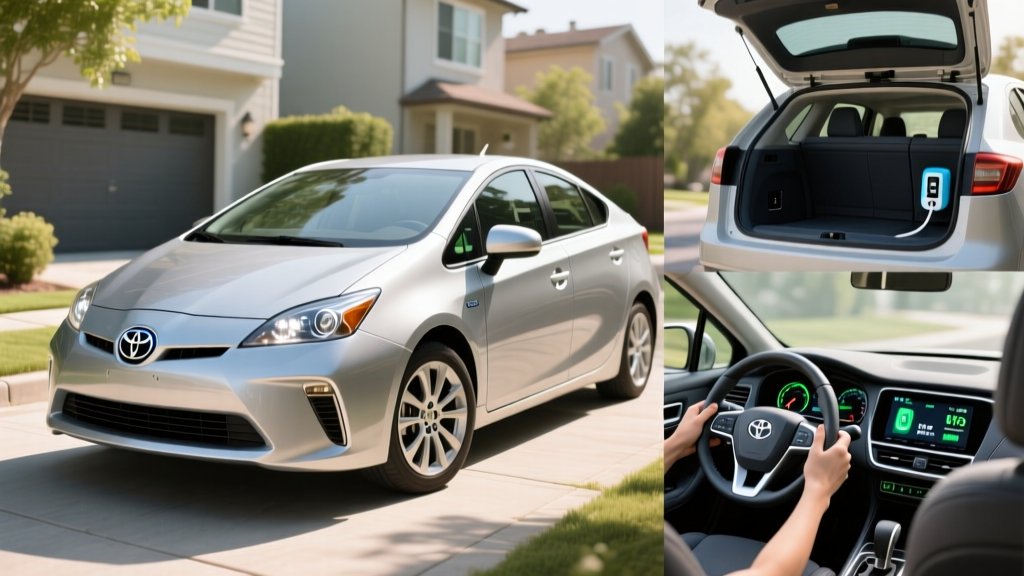
If you're researching the 2015 Prius hybrid in 2026, you're likely shopping the used market for a proven, ultra-efficient commuter that won't drain your wallet at the pump — or the repair shop. The third-generation Prius (model years 2010–2015) remains one of the most fuel-efficient non-plug-in vehicles ever sold in the United States, and its reputation for bulletproof reliability has largely held up over a decade of real-world use.
But buying an 11-year-old hybrid comes with specific questions: How long does the battery last? What does replacement cost? And does the 2015 Prius still make sense when newer hybrids and full EVs are available? This guide answers every question with exact data.
| Specification | Value |
|---|---|
| Powertrain Type | Conventional Hybrid (HEV) — no plug |
| Combined Horsepower | 134 hp (net system) |
| Gas Engine | 1.8L 4-cylinder Atkinson-cycle, 98 hp |
| Electric Motor | 60 kW (80 hp), 153 lb-ft torque |
| Hybrid Battery | 1.3 kWh (usable ~0.9 kWh), Nickel-Metal Hydride (NiMH) |
| Transmission | ECVT (planetary gearset, no traditional gears) |
| EPA Fuel Economy | 51 city / 48 highway / 50 combined MPG |
| Fuel Tank | 11.9 gallons |
| Total Range | ~595 miles per tank |
| 0–60 mph | 9.8 seconds |
| Cargo Volume | 21.6 cu ft (rear seats up), 39.6 cu ft (folded) |
| Curb Weight | 3,042 lbs |
| Original MSRP (2015) | $24,200 (Two) – $30,005 (Five/Advanced) |
| Used Price Range (2026) | $9,000 – $16,000 depending on mileage/condition |
Fuel Economy: 50 MPG EPA, Often Better in the Real World
The headline number for the 2015 Prius is its EPA-estimated 50 MPG combined (51 city / 48 highway), verified by fueleconomy.gov. But unlike most vehicles where real-world fuel economy falls short of the sticker, the Prius frequently exceeds its EPA ratings in city driving.
| Driving Scenario | EPA Estimate | Real-World Typical |
|---|---|---|
| City (stop-and-go) | 51 MPG | 52–58 MPG |
| Highway (65–70 mph) | 48 MPG | 43–47 MPG |
| Combined mixed driving | 50 MPG | 47–53 MPG |
| Cold weather (below 35°F) | N/A | 40–45 MPG |
Why city MPG beats highway: The Prius hybrid system recaptures energy during braking and runs the electric motor extensively at low speeds. In stop-and-go traffic, the gas engine shuts off frequently, letting the 60 kW electric motor handle propulsion from the small NiMH battery. On the highway, the gasoline engine runs nearly continuously, and aerodynamic drag at 70+ mph erodes efficiency.
Owners tracking fuel-ups on platforms like Fuelly report lifetime averages clustering between 46 and 52 MPG — validating the EPA combined figure as realistic for mixed driving. Short trips in warm weather with light traffic regularly push past 55 MPG.
HEV vs. PHEV vs. Full EV: Where Does the 2015 Prius Fit?
The 2015 Prius is a conventional hybrid (HEV). It does not plug in. There is no charging port, no electric-only driving range to speak of (the car can creep about half a mile on battery alone at very low speeds), and no home charger to install. The hybrid battery recharges entirely through regenerative braking and the gasoline engine.
| Feature | HEV (2015 Prius) | PHEV (e.g., Prius Prime) | BEV (Full EV) |
|---|---|---|---|
| Plugs in? | No | Yes | Yes |
| Electric-only range | ~0.5 mi (low speed) | 25–44 mi (model dependent) | 200–400+ mi |
| Home charging needed? | No | Recommended | Essential |
| Gas engine? | Yes (primary + assist) | Yes (backup + assist) | No |
| Typical fuel cost/mile | ~$0.06–0.07 | ~$0.03–0.06 (varies) | ~$0.03–0.05 (electric) |
| Federal tax credit (new) | None | Up to $7,500 (§30D) | Up to $7,500 (§30D) |
| Maintenance complexity | Low | Moderate | Lowest (no engine) |
Who should choose the 2015 Prius HEV?
- Renters or apartment dwellers who cannot install a home charger
- High-mileage commuters wanting minimal fuel cost without plug-in logistics
- Buyers on a strict budget (under $15,000) who want hybrid efficiency
- Drivers in areas with sparse public charging infrastructure
Who should look at a PHEV or full EV instead?
- Homeowners with a garage who can install Level 2 charging and want electric-only commuting
- Drivers with short commutes (under 30 miles) who could rarely use gas with a PHEV
- Buyers wanting the latest safety tech, infotainment, and ADAS features unavailable in a 2015 model
Hybrid Battery Lifespan and Replacement Cost
The single biggest concern for any used hybrid buyer is the traction battery. The 2015 Prius uses a 1.3 kWh Nickel-Metal Hydride (NiMH) battery pack — not the lithium-ion chemistry found in modern EVs and newer Prius models.
Original Battery Warranty: Toyota covered the 2015 Prius hybrid battery for 8 years / 100,000 miles (10 years / 150,000 miles in California and states adopting CARB emissions standards). For a 2015 model, factory warranty coverage has expired as of 2025 in most states.
How Long Does the Battery Actually Last?
NiMH batteries in the third-generation Prius have demonstrated excellent longevity. Data from owner communities and repair shops shows:
- Average lifespan: 12–15 years or 150,000–200,000 miles before significant degradation
- Failure mode: Individual cells weaken rather than the entire pack failing simultaneously
- Warning signs: Reduced fuel economy, battery warning light, rapid state-of-charge fluctuations on the dash display, engine running more frequently
- Climate impact: Hot climates (Arizona, Texas) accelerate degradation faster than moderate climates
Battery Replacement Costs (2026 Pricing)
| Option | Cost Range | Warranty | Notes |
|---|---|---|---|
| New OEM Toyota battery | $2,500 – $3,500 (installed) | 3 years / 36,000 mi | Dealer-installed; most reliable |
| Remanufactured battery | $1,200 – $2,000 (installed) | 1–3 years varies | Rebuilt with tested cells; popular choice |
| Used/salvage battery | $500 – $1,000 (installed) | 30–90 days typical | Highest risk; condition unknown |
| Individual cell replacement | $300 – $800 | Varies by shop | Only failed cells replaced; requires specialist |
Many independent hybrid specialists now offer remanufactured packs or individual cell replacements at a fraction of the OEM cost. For a $12,000 used Prius, a $1,500 remanufactured battery is economically rational — unlike early hybrids where replacement approached the car's value.
Reliability, Safety, and Long-Term Ownership Costs
The third-generation Prius earned a strong reliability reputation, though the 2010–2012 model years had documented issues (head gasket failures, oil consumption) that Toyota largely resolved by the 2013 refresh. The 2015 model year is considered one of the most reliable in the generation, benefiting from late-cycle refinements.
According to NHTSA records, the 2015 Prius has minimal open recalls compared to earlier years. The vehicle earned a 4-star overall NHTSA safety rating and was an IIHS Top Safety Pick when new.
5-Year Ownership Cost Estimate (Used Purchase in 2026)
| Category | Estimated Cost | Notes |
|---|---|---|
| Purchase price | $12,000 | Average private-party, ~110K miles |
| Fuel (15,000 mi/yr × 5 yr) | $4,700 | At $3.15/gal, 50 MPG combined |
| Insurance | $4,500 | ~$75/month average |
| Maintenance | $2,500 | Oil changes, brakes, tires, fluids |
| Battery replacement reserve | $1,500 | Set aside for possible replacement |
| Registration/taxes | $1,200 | Varies by state |
| Total 5-year cost | ~$26,400 | ~$0.35/mile all-in |
For comparison, a similarly priced used gas-only sedan averaging 28 MPG would cost roughly $8,400 in fuel over the same period — nearly $3,700 more. The Prius hybrid premium pays for itself in fuel savings within about 2.5 years of average driving.
Tax Credits and Incentives for a Used 2015 Prius
Here's the straightforward answer: the 2015 Toyota Prius does not qualify for any federal tax credit as a used purchase in 2026. Here's why:
- §30D New Clean Vehicle Credit: Only applies to new vehicle purchases. The 2015 Prius was never eligible as new (conventional HEVs have never qualified for §30D — only PHEVs and BEVs with sufficient battery capacity).
- §25E Used Clean Vehicle Credit: This credit (up to $4,000 or 30% of sale price, whichever is less) applies only to used EVs and PHEVs with at least 7 kWh of battery capacity. The 2015 Prius HEV has a 1.3 kWh battery and does not plug in, so it is not eligible.
- State incentives: A handful of states offer rebates for used hybrid purchases, but these are uncommon and change frequently. Check your state's energy office or DMV for current programs.
If tax credits are a priority, you would need to look at a used Prius Prime (PHEV) from 2017 or later, which may qualify for the §25E used clean vehicle credit if purchased through a licensed dealer and meeting income requirements per IRS guidelines.
Driving Experience: What to Expect in 2026
The 2015 Prius delivers 134 combined horsepower through Toyota's Hybrid Synergy Drive system. The 1.8L Atkinson-cycle engine produces 98 hp while the electric motor contributes 80 hp (60 kW), with system net output of 134 hp due to the power-split device's blending.
Acceleration: The 0–60 mph time of 9.8 seconds feels leisurely by 2026 standards, but the electric motor's instant 153 lb-ft of torque gives the Prius surprisingly responsive city acceleration from stops. Highway passing requires planning — the CVT drones noticeably under hard acceleration.
Ride and handling: Firm but compliant. Road noise is the most common complaint, especially on coarse pavement. The low-rolling-resistance tires prioritize efficiency over grip.
Interior and tech: The 2015 model shows its age here. The standard 6.1-inch touchscreen lacks Apple CarPlay and Android Auto (those arrived with the 2016 redesign). Bluetooth audio streaming and a backup camera are standard. Higher trims (Three, Four, Five) add navigation, JBL audio, and a head-up display.
What it lacks vs. modern vehicles:
- No automatic emergency braking (standard on 2017+ Prius)
- No lane-keeping assist or adaptive cruise control
- No Apple CarPlay / Android Auto
- No USB-C ports
- No over-the-air updates
Pros
- Proven 50 MPG combined with real-world potential to exceed it
- Exceptional reliability record for 2015 model year
- Low purchase price in the used market ($9K–$16K)
- No charging infrastructure needed — just add gas
- Spacious cargo area (21.6 cu ft) with hatchback utility
- Very low maintenance costs (no timing belt, long-life coolant, regen saves brakes)
Cons
- No modern ADAS features (AEB, lane-keeping, blind-spot monitoring)
- Dated infotainment with no smartphone integration
- Sluggish highway acceleration and droning CVT
- NiMH battery nearing end of typical lifespan on most examples
- Road noise and firm ride quality
- No federal or state tax credits available
Buying Tips: What to Check Before Purchasing
If you're seriously considering a used 2015 Prius, these checks are essential:
- Hybrid battery health check: Ask for a diagnostic scan showing individual battery block voltages. A healthy pack shows less than 0.3V variance between blocks. Wide variance signals impending failure.
- Coolant system inspection: The inverter coolant pump and engine coolant system should be checked. Some 2010–2015 models had coolant bleed issues that could lead to head gasket stress if neglected.
- EGR valve and intake cleaning: Carbon buildup in the EGR system is common past 100,000 miles. If the previous owner hasn't cleaned it, budget $200–$400 for this service.
- Brake actuator: The regenerative braking system uses a specialized actuator. Listen for unusual pump cycling noises when pressing the brake pedal with the car off (in ready mode).
- 12V auxiliary battery: The small 12V battery in the trunk powers electronics and boots the hybrid system. These typically last 4–6 years and cost ~$200 to replace. A weak 12V can cause bizarre error messages.
- Pre-purchase inspection: Have a hybrid-certified technician (ideally a Toyota dealer or independent Prius specialist) perform a full inspection including hybrid battery load test.
Frequently Asked Questions
How many MPG does the 2015 Prius hybrid get?
The EPA rates the 2015 Toyota Prius at 51 city / 48 highway / 50 combined MPG. In real-world driving, many owners achieve 47–55 MPG combined, with city driving often exceeding the EPA estimate thanks to regenerative braking and frequent engine shutoff.
Does the 2015 Prius need to be plugged in?
No. The 2015 Prius is a conventional hybrid (HEV), not a plug-in hybrid (PHEV). It has no charging port. The hybrid battery recharges entirely through regenerative braking and the gasoline engine. You simply fuel it like any other car.
How much does it cost to replace the hybrid battery in a 2015 Prius?
A new OEM Toyota battery costs $2,500–$3,500 installed. Remanufactured batteries range from $1,200–$2,000 installed and are the most popular choice for used vehicles. Individual cell replacement by a specialist can cost as little as $300–$800 if only a few cells have failed.
Is the 2015 Prius reliable at high mileage?
Yes. The 2015 model year is among the most reliable in the third-generation Prius lineup. Examples with 200,000+ miles are common with proper maintenance. The hybrid system, ECVT transmission, and Atkinson-cycle engine are all proven to be low-stress, long-lasting components. The main wear items are the hybrid battery (12–15 year typical life), suspension components, and the EGR system.
Does the 2015 Prius qualify for any tax credit?
No. As a conventional hybrid, the 2015 Prius never qualified for the federal §30D new vehicle credit, and it does not qualify for the §25E used clean vehicle credit (which requires plug-in capability and at least 7 kWh of battery). No federal tax incentives are available for this vehicle.
Should I buy a 2015 Prius or a newer used hybrid?
If your budget is under $15,000 and you want maximum MPG with minimal risk, the 2015 Prius is an excellent choice. If you can spend $18,000–$25,000, a 2017–2019 Prius (fourth generation) adds Toyota Safety Sense (automatic emergency braking, lane-keeping), Apple CarPlay (2019+), and a more refined ride. If you want electric-only commuting with home charging, look at a used Prius Prime PHEV instead.
What's the difference between the 2015 Prius and the Prius Plug-In?
Toyota sold a separate model called the Prius Plug-in Hybrid (2012–2015) alongside the standard Prius. The Plug-in version had a larger 4.4 kWh lithium-ion battery, an EPA-rated 11 miles of electric-only range, and a charging port for Level 1/Level 2 charging. It was priced higher and qualifies as a PHEV. The standard 2015 Prius discussed in this review is the conventional HEV with no plug.