Quick Verdict: A Performance Hybrid From a Different Era
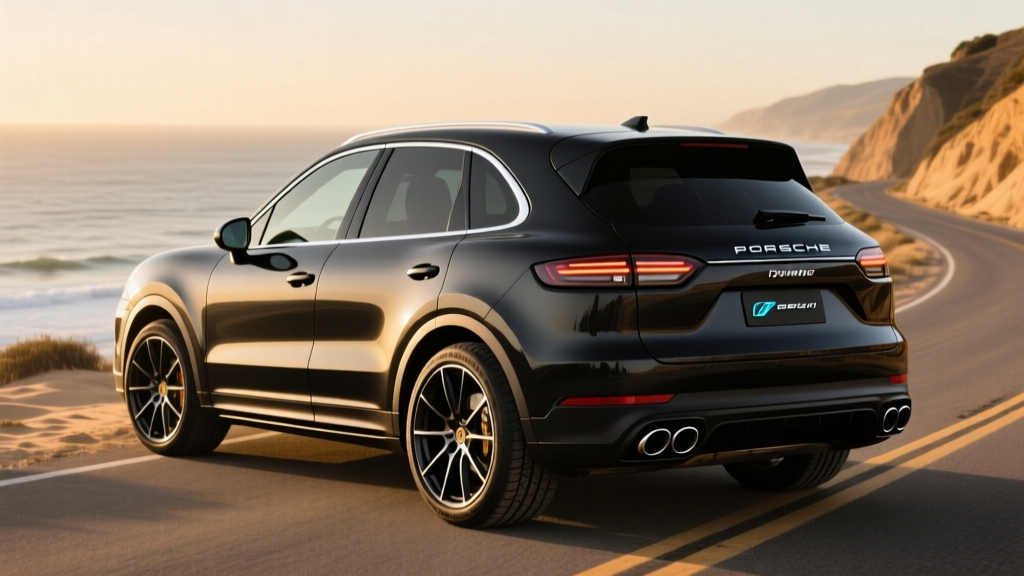
The 2014 Porsche Cayenne S Hybrid is a conventional hybrid (HEV) — not a plug-in — that pairs a supercharged 3.0L V6 with an electric motor for 380 combined horsepower and an EPA-estimated 23 MPG combined. In 2026, it occupies a specific niche in the used market: buyers who want Porsche performance and luxury SUV practicality with a modest fuel-economy bump over the gas-only Cayenne S, without dealing with plug-in charging logistics.
But this is a 12-year-old German luxury SUV with a high-voltage battery, a complex powertrain, and maintenance costs that reflect its pedigree. This guide breaks down the real-world fuel economy, battery longevity expectations, reliability data, and ownership economics you need before buying one today.
Powertrain and Performance Specs
| Spec | Value |
|---|---|
| Powertrain Type | Conventional Hybrid (HEV) — no plug |
| Engine | 3.0L Supercharged V6 |
| Engine Output | 333 HP / 324 lb-ft torque |
| Electric Motor Output | 47 HP (34 kW) / 221 lb-ft torque |
| Combined System Output | 380 HP / 428 lb-ft torque |
| Transmission | 8-speed automatic (Tiptronic S) |
| Drivetrain | All-wheel drive (AWD) |
| Hybrid Battery | ~1.7 kWh NiMH (nickel-metal hydride) |
| 0–60 mph | 6.1 seconds (Porsche estimate) |
| Top Speed | 151 mph |
| Curb Weight | ~4,795 lbs |
| Towing Capacity | 7,716 lbs (braked) |
The powertrain architecture uses the electric motor sandwiched between the engine and transmission — a "parallel hybrid" layout. The motor assists during acceleration, enables brief electric-only creeping at low speeds (under ~32 mph for very short distances), and provides regenerative braking. The system automatically manages the blend; there is no EV mode button and no plug to connect.
Fuel Economy: EPA Ratings vs Real-World MPG
| Cycle | EPA Estimate | Real-World Expectation |
|---|---|---|
| City | 20 MPG | 19–22 MPG |
| Highway | 24 MPG | 22–26 MPG |
| Combined | 23 MPG | 21–24 MPG |
Source: fueleconomy.gov
The hybrid system's fuel-economy advantage is most pronounced in stop-and-go city driving, where regenerative braking recaptures energy and the electric motor handles low-speed launches. On the highway, the supercharged V6 does most of the work, and the aerodynamic profile and weight of a 4,800-lb SUV limit gains. Real-world owners on forums and fuel-tracking sites typically report 21–23 MPG combined, which tracks closely with the EPA sticker — a sign the estimate is realistic for this powertrain.
For comparison, the gas-only 2014 Cayenne S (4.8L V8) is rated at 17 city / 24 highway / 20 combined. The hybrid's advantage is roughly 3 MPG combined — meaningful over 15,000 miles annually (saving roughly 50 gallons per year at $3.50/gal ≈ $175/year in fuel savings), but not transformative.
Hybrid vs PHEV vs EV: Which Cayenne Fits You?
| Feature | 2014 Cayenne S Hybrid (HEV) | 2015–2018 Cayenne S E-Hybrid (PHEV) | 2019+ Cayenne E-Hybrid (PHEV) |
|---|---|---|---|
| Type | HEV (no plug) | PHEV (plug-in) | PHEV (plug-in) |
| Electric-Only Range | ~1 mi (low-speed creep) | ~14 mi (EPA) | ~27–44 mi (EPA, varies by year) |
| Combined HP | 380 HP | 416 HP | 455–670 HP |
| Combined MPG (gas) | 23 MPG | 46 MPGe / 22 MPG gas-only | 46–51 MPGe / 21 MPG gas-only |
| Plug Required? | No | Yes (Level 2) | Yes (Level 2) |
| Typical Used Price (2026) | $18,000–$28,000 | $22,000–$35,000 | $45,000–$75,000 |
Choose the 2014 Cayenne S Hybrid (HEV) if: You want a simpler ownership experience with no charging infrastructure, no plug-in battery degradation concerns, and a lower purchase price. You mostly drive highway miles where the hybrid advantage is minimal anyway, and you prioritize Porsche performance over fuel savings.
Choose a Cayenne S E-Hybrid (PHEV) instead if: You have home charging access, a short commute (under 15 miles), and want to drive most weekdays on electricity. The PHEV's electric-only range makes it functionally an EV for daily errands with gas-engine backup for road trips.
Choose a full EV (e.g., Porsche Taycan, Tesla Model X) if: You want zero tailpipe emissions, minimal powertrain maintenance, and have reliable home or workplace charging. A full BEV eliminates oil changes, spark plugs, and supercharger belt replacements entirely — at a higher upfront cost.
Battery Longevity, Warranty, and Replacement Costs
The Cayenne S Hybrid uses a relatively small ~1.7 kWh nickel-metal hydride (NiMH) battery pack. Unlike the larger lithium-ion packs in PHEVs and full EVs, this battery is not designed for deep cycling — it operates in a narrow state-of-charge window (roughly 40–60% SoC), which significantly reduces degradation stress. This shallow-cycling strategy is the same approach Toyota uses in its Prius lineup and is proven to extend NiMH battery life well beyond 150,000 miles in many applications.
Expected battery lifespan: Based on owner reports and NiMH chemistry characteristics, the hybrid battery in the 2014 Cayenne S Hybrid typically lasts 120,000–180,000 miles before significant capacity loss or cell failure. Some units exceed 200,000 miles; others may develop issues earlier, particularly in hot climates where under-hood temperatures accelerate NiMH degradation.
Replacement cost: A new OEM hybrid battery from Porsche for this model runs approximately $3,500–$5,500 (parts only) as of 2026 pricing. With dealership labor, expect a total of $4,500–$7,000. Independent hybrid specialists can often source refurbished or reconditioned NiMH packs for $2,000–$3,500 installed — a significant savings. Third-party rebuilt packs are available from hybrid battery remanufacturers.
Warning signs of battery degradation: Reduced fuel economy (dropping below 18 MPG combined), the battery warning light on the dash, the gasoline engine running more frequently at low speeds, and reduced regenerative braking feel. A pre-purchase inspection at a Porsche specialist or hybrid shop should include a battery health scan via OBD-II.
Reliability and Known Issues
The 2014 Cayenne S Hybrid carries the typical reliability profile of a German luxury SUV from this era — competent engineering with expensive failure points. Key items for used buyers:
- Supercharger belt and tensioner: The Eaton supercharger on the 3.0L V6 requires periodic belt inspection. Replacement at 80,000–100,000 miles is common. Cost: $600–$1,200.
- Coolant system: The hybrid system adds a separate cooling circuit for the electric motor and power electronics. Coolant leaks or pump failures are documented. Budget $800–$1,500 for cooling system service.
- Air suspension (if equipped): Many Cayennes from this generation have air suspension, which is prone to leaks in the air springs and compressor failure after 80,000–120,000 miles. Replacement: $1,500–$3,000 per corner, or $4,000–$6,000 for a full aftermarket conversion to coil springs.
- Transfer case: The AWD transfer case has known bearing and chain wear issues on 2011–2018 Cayennes. Symptoms include clunking or whining from the center console area. Repair: $2,500–$4,500.
- Hybrid system electronics: The power inverter and DC-DC converter are generally robust, but failures do occur outside warranty. Inverter replacement can exceed $3,000.
Overall, the hybrid powertrain itself (motor + battery + inverter) has proven more reliable than the surrounding vehicle systems. The supercharged V6 is a known engine design (shared with Audi S4/S5 of the same era) with a solid track record when maintained. The risk is not the hybrid system — it's the 12-year-old luxury SUV around it.
Tax Credits and Purchase Economics in 2026
Federal tax credit (§30D): The 2014 Cayenne S Hybrid does not qualify for the federal new-vehicle EV/PHEV tax credit. As a conventional hybrid (HEV) with no plug-in capability, it was never eligible for §30D even when new. There is no federal used-hybrid tax credit — the Used Clean Vehicle Credit (§25A) applies only to used BEVs and PHEVs priced under $25,000, and only to plug-in vehicles.
State incentives: A handful of states previously offered hybrid purchase incentives, but most have been phased out or redirected to plug-in vehicles. Check your state's current energy or DMV website for any remaining hybrid rebates, but do not count on them for a 2014 model-year purchase in 2026.
Used market pricing (2026): Expect to pay $18,000–$28,000 for a 2014 Cayenne S Hybrid depending on mileage, condition, and service history. Low-mileage examples (under 70,000 miles) with dealer records command a premium. High-mileage examples (120,000+ miles) can be found for $14,000–$17,000 but carry elevated maintenance risk.
Who Should Buy the 2014 Cayenne S Hybrid?
✓ Good Fit
- You want Porsche performance (380 HP, 6.1s 0–60) in a family SUV
- You prefer no plug-in charging hassle — just fill up with gas
- You have access to a trusted independent Porsche/Audi mechanic
- You budget $2,000–$4,000/year for maintenance and repairs
- You want AWD and towing capability (7,716 lbs)
- You value the smoother power delivery the hybrid system provides
✗ Poor Fit
- You're buying primarily for fuel savings (3 MPG gain won't pay off)
- You want electric-only commuting — look at a PHEV or BEV
- You're on a tight maintenance budget
- You want modern driver-assistance tech (this generation lacks current ADAS features)
- You want current infotainment (Apple CarPlay/Android Auto were not available)
- You expect new-car warranty coverage
Frequently Asked Questions
How many MPG does the 2014 Porsche Cayenne S Hybrid get?
The EPA rates it at 20 city / 24 highway / 23 combined MPG. Real-world owners typically report 21–23 MPG combined in mixed driving. City-heavy driving may yield slightly higher numbers thanks to regenerative braking; highway-only driving at 75+ mph will drop toward 20–21 MPG.
Does the 2014 Cayenne S Hybrid need to be plugged in?
No. This is a conventional hybrid (HEV), not a plug-in hybrid (PHEV). The battery charges exclusively through regenerative braking and the gasoline engine. There is no charging port and no electric-only driving range beyond brief low-speed coasting.
How far can it go on electric power alone?
Effectively zero practical electric-only range. The hybrid system can propel the Cayenne at very low speeds (under ~32 mph) for roughly a mile or less on flat ground — enough to creep through a parking lot or stoplight, but not for any meaningful driving distance. For electric-only commuting, you need the Cayenne S E-Hybrid (PHEV) with its ~14 miles of EPA-rated electric range, or a newer Cayenne E-Hybrid with 27–44 miles.
Is the 2014 Cayenne S Hybrid reliable?
The hybrid powertrain components (motor, inverter, NiMH battery) have proven generally reliable. The surrounding vehicle — air suspension, coolant system, transfer case, supercharger accessories — carries typical 12-year-old German luxury SUV maintenance costs. A pre-purchase inspection by a Porsche specialist is essential, and budgeting $2,000–$4,000/year for maintenance is realistic at this age.
What does hybrid battery replacement cost?
A new OEM NiMH battery from Porsche costs roughly $3,500–$5,500 for the part alone, totaling $4,500–$7,000 with dealer labor. Refurbished/reconditioned packs from independent hybrid specialists run $2,000–$3,500 installed. The NiMH battery typically lasts 120,000–180,000 miles due to shallow-cycling design.
Does it qualify for any tax credit in 2026?
No. The 2014 Cayenne S Hybrid is a conventional hybrid (HEV) and does not qualify for the federal §30D Clean Vehicle Credit, which applies only to plug-in vehicles (BEVs and PHEVs). The Used Clean Vehicle Credit also requires a plug-in vehicle. No federal tax incentive is available for this model. Check your state's energy office for any local hybrid incentives, though most have been discontinued.
What's the difference between the Cayenne S Hybrid and the Cayenne S E-Hybrid?
The S Hybrid (2011–2014) is a conventional HEV with no plug, a ~1.7 kWh NiMH battery, and 380 HP. The S E-Hybrid (2015–2018) is a plug-in PHEV with a larger lithium-ion battery (~10.4 kWh usable), ~14 miles of EPA electric-only range, 416 HP combined, and a charging port for Level 2 home charging. The E-Hybrid is significantly more capable as a daily electric commuter but requires home charging infrastructure and carries higher battery replacement costs for its larger lithium-ion pack.
Sources: fueleconomy.gov — 2014 Porsche Cayenne S Hybrid, IRS Used Clean Vehicle Credit, Porsche AG technical specifications.