Quick Verdict: The 2014 MKZ Hybrid in 2026
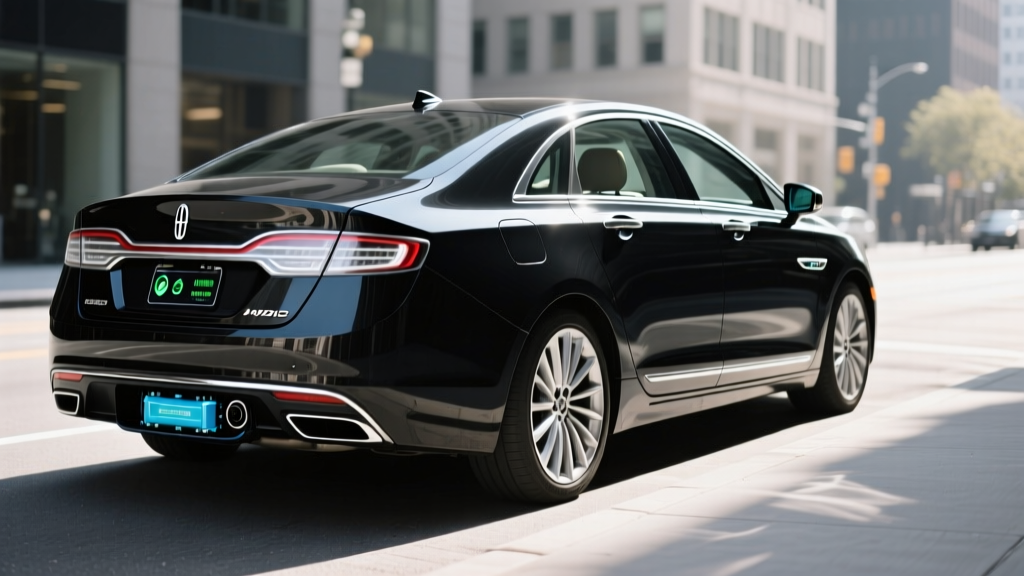
The 2014 Lincoln MKZ Hybrid was Ford's luxury answer to the Lexus ES 300h — a midsize sedan that paired a 2.0-liter Atkinson-cycle four-cylinder with an electric motor for an EPA-estimated 38 MPG combined, at a price that undercut German rivals by thousands. More than a decade later, it remains one of the most affordable entry points into a luxury hybrid on the used market, with examples routinely selling between $8,000 and $14,000 depending on mileage and condition.
But buying a 12-year-old hybrid in 2026 raises legitimate questions: How has the lithium-ion traction battery held up? What does replacement cost? And does its fuel economy still hold an advantage over newer hybrids or even some modern plug-in models? This guide answers each of those with hard numbers.
2014 Lincoln MKZ Hybrid — Key Specifications
| Attribute | Specification |
|---|---|
| Powertrain | 2.0L Atkinson I-4 + AC synchronous electric motor |
| Combined Horsepower | 188 HP (net system) |
| Engine Output | 141 HP @ 6,000 rpm / 129 lb-ft torque |
| Electric Motor Output | 118 HP / 117 lb-ft torque |
| Transmission | eCVT (planetary gearset, not belt-driven) |
| EPA MPG (City / Hwy / Combined) | 38 / 37 / 38 |
| Fuel Tank | 13.5 gallons |
| Total Range | ~513 miles (EPA) |
| Hybrid Battery | 1.4 kWh lithium-ion (usable ~1.0 kWh) |
| 0-60 MPH | ~8.4 seconds |
| Drivetrain | Front-wheel drive |
| Cargo Volume | 11.1 cu ft (trunk, battery reduces space) |
| Original MSRP | $36,190 (base, no hybrid premium) |
| Typical Used Price (2026) | $8,000–$14,000 |
EPA Fuel Economy vs. Real-World MPG
The EPA rates the 2014 MKZ Hybrid at 38 MPG city, 37 highway, and 38 combined. Lincoln made a notable marketing decision that year: they priced the hybrid identically to the gas-only 2.0L EcoBoost MKZ, eliminating the "hybrid premium" that plagued competitors. Buyers didn't pay extra to get the hybrid powertrain.
How Many MPG Does the 2014 MKZ Hybrid Actually Get?
In real-world ownership, the 2014 MKZ Hybrid tends to deliver between 35 and 42 MPG combined, with city driving often exceeding the EPA estimate — a hallmark of series-parallel hybrid systems that recapture braking energy in stop-and-go traffic. Highway driving at sustained 70-80 MPH speeds typically drops to 34-36 MPG because the electric motor assists less and aerodynamic drag dominates.
| Driving Scenario | Expected MPG |
|---|---|
| City (stop-and-go, under 45 MPH) | 39–43 MPG |
| Suburban mixed (35–55 MPH) | 37–40 MPG |
| Highway (70–80 MPH sustained) | 34–36 MPG |
| Cold weather (below 32°F, short trips) | 30–34 MPG |
| EPA Combined (sticker) | 38 MPG |
Cold weather hits all hybrids hard. The engine runs more frequently to provide cabin heat (the 2014 MKZ Hybrid lacks a heat pump), and the battery's charge/discharge efficiency drops at low temperatures. Expect a 10-15% MPG penalty in freezing conditions on short trips under 5 miles where the engine never reaches full operating temperature.
HEV vs. PHEV vs. EV: Where Does the MKZ Hybrid Fit?
The 2014 MKZ is a conventional hybrid electric vehicle (HEV). It cannot be plugged in. It has no meaningful electric-only range (roughly 1 mile at very low speeds on battery alone). It recovers energy through regenerative braking and the gasoline engine, storing it in a small 1.4 kWh battery that assists during acceleration and enables engine-off coasting at low speeds.
This is fundamentally different from a plug-in hybrid (PHEV) like the Toyota Prius Prime or a full battery electric vehicle (BEV) like the Tesla Model 3. Here's how they compare for a used-car buyer in 2026:
| Factor | HEV (2014 MKZ Hybrid) | PHEV (e.g., used Prius Prime) | BEV (e.g., used Model 3) |
|---|---|---|---|
| Plug-in Required? | No | Yes (for EV range benefit) | Yes |
| Electric-Only Range | ~1 mile (creep only) | 25–40 miles | 200–350 miles |
| Home Charging Needed? | No | Recommended (Level 2) | Essential |
| Fuel Cost per Mile | ~$0.09–0.11 | ~$0.04 electric / ~$0.10 gas | ~$0.04–0.06 |
| Used Price Range (2026) | $8,000–$14,000 | $18,000–$28,000 | $18,000–$30,000 |
| Maintenance Complexity | Low (proven system) | Moderate (two full systems) | Low (fewer moving parts) |
| Federal Tax Credit (Used) | Not eligible | Up to $4,000 (§25E, if eligible) | Up to $4,000 (§25E, if eligible) |
Choose the 2014 MKZ Hybrid if: You want a luxury-branded sedan under $15,000, you lack access to home or workplace charging, your commute is mixed city/highway, and you want zero lifestyle change from a gas car — just fill up and drive.
Look at a PHEV or BEV instead if: You have Level 2 charging access at home, your daily commute is under 30 miles (PHEV sweet spot), or you want to minimize fuel spending and tailpipe emissions on most trips.
Hybrid Battery Longevity and Replacement Cost
This is the number-one concern for anyone buying a used hybrid, and it should be. The 2014 MKZ Hybrid uses a 1.4 kWh lithium-ion traction battery pack (sourced from LG Chem for this generation), mounted behind the rear seats. It's a small pack by modern standards — for comparison, even a modest PHEV today carries 11-18 kWh, and a BEV carries 60-100 kWh.
Original Battery Warranty
Ford/Lincoln warranted the hybrid battery for 8 years / 100,000 miles (10 years / 150,000 miles in California Air Resources Board states including CA, NY, MA, and others that adopted CARB emissions rules). By 2026, all original factory battery warranties have expired unless the vehicle was sold new in a CARB state and has under 150,000 miles.
How Long Does the MKZ Hybrid Battery Actually Last?
The Ford Fusion Hybrid and Lincoln MKZ Hybrid share the same powertrain, and real-world data from fleet use (taxis, rideshare) shows these battery packs routinely reaching 150,000 to 200,000 miles before significant degradation. The key factor is that Ford engineered a conservative state-of-charge buffer — the battery never charges to true 100% or discharges to true 0%, which dramatically extends cycle life.
However, age matters alongside mileage. Lithium-ion cells degrade via calendar aging even when not heavily cycled. A 2014 model is now 12 years old. Battery degradation manifests as reduced electric-assist capability, slightly lower MPG (the engine runs more), and occasionally a dashboard warning. Many 2013-2016 MKZ and Fusion Hybrids are still running on original batteries at 120,000-160,000 miles, but failure risk increases with each passing year.
What Does a Replacement Battery Cost?
If the hybrid battery fails out of warranty:
- OEM new battery (Lincoln dealer): $3,000–$4,500 including labor
- Remanufactured/reconditioned battery: $1,500–$2,500 installed
- Individual cell/module replacement: $500–$1,200 (specialist hybrid shops can replace only the failed modules rather than the entire pack)
Before purchasing, request a hybrid battery health report from a Ford/Lincoln dealer or a hybrid-specialist shop. This reads the battery's State of Health (SoH) via OBD-II and reveals whether cells are balanced and within normal degradation parameters. A pre-purchase inspection by a hybrid-qualified technician ($100–$200) is strongly recommended.
Powertrain and Driving Experience
The MKZ Hybrid's powertrain is Ford's second-generation hybrid system, shared with the Fusion Hybrid. The 2.0-liter Atkinson-cycle engine produces 141 HP on its own, supplemented by a 118 HP AC synchronous electric motor, for a net system output of 188 HP. The eCVT is a planetary gearset design — not a belt-and-cone CVT like those in some Nissan products — which means it's mechanically robust and has a proven reliability record.
Acceleration is adequate but not quick: 0-60 MPH takes approximately 8.4 seconds. The electric motor provides smooth, immediate torque from a stop, which makes the car feel peppy in city driving despite the modest power figure. Highway passing requires a downshift (or rather, a ratio change in the planetary gearset) and the engine becomes audible, but it's never strained.
The regenerative braking system is well-calibrated. Unlike some early hybrids with grabby or inconsistent brake feel, the MKZ blends regen and friction braking smoothly. There's no one-pedal driving mode — this is a traditional hybrid, not an EV — but lifting off the accelerator produces noticeable deceleration as the motor recovers energy.
Interior, Technology, and Practicality
The 2014 MKZ's cabin reflects Lincoln's early-2010s design language: clean, understated, with real wood and available leather. The push-button gear selector (no traditional shifter) was a talking point at launch. Standard features included a 10-way power driver seat, dual-zone climate control, and an 8-inch touchscreen running Ford's SYNC with MyFord Touch — which was widely criticized for lag and unresponsiveness even when new.
The hybrid battery placement behind the rear seatback reduces trunk space to 11.1 cubic feet (compared to 15.4 cu ft in the gas MKZ). This is the MKZ Hybrid's most significant practical compromise — it's noticeably smaller than competitors and won't accommodate large suitcases easily. The rear seats do not fold flat due to the battery position, further limiting cargo flexibility.
From a safety standpoint, the IIHS gave the 2014 MKZ a "Good" rating in the moderate overlap front test and "Acceptable" in the small overlap front test. NHTSA awarded it 5 stars overall.
Does the 2014 MKZ Hybrid Qualify for Any Tax Credits?
No. The 2014 MKZ Hybrid is a conventional HEV (not a PHEV or BEV), so it has never qualified for the federal §30D new vehicle tax credit or the §25E used EV credit. Those credits are reserved for plug-in vehicles with a minimum battery capacity of 7 kWh (for §25E used credit) or 16 kWh (for §30D new credit).
The IRS §25E used clean vehicle credit — worth up to $4,000 or 30% of the sale price — applies only to used PHEVs and BEVs purchased from a dealer, with income caps ($75,000 single / $150,000 married filing jointly) and a sale price cap of $25,000. Since the MKZ Hybrid can't be plugged in, it falls outside these programs entirely.
Some states historically offered rebates for conventional hybrids, but most have sunset or shifted focus to PHEVs and BEVs. Check your state's energy or environmental agency for any remaining programs, but don't count on incentives for this purchase.
Reliability, Ownership Costs, and Common Issues
The Ford/Lincoln hybrid system in this generation is one of the most proven on the road. Taxi fleets running Fusion Hybrids routinely logged 200,000+ miles with minimal powertrain issues. The eCVT planetary gearset has no belts, chains, or clutches to wear, and the electric motor has essentially no consumable parts.
Common issues reported by owners of the 2013-2016 MKZ Hybrid include:
- MyFord Touch infotainment glitches: Screen freezes, Bluetooth dropout, slow response. Software updates addressed some of this; many owners simply tolerate it or install an aftermarket head unit.
- Electric power steering (EPAS) faults: Some units require replacement ($800–$1,500). Not unique to the hybrid.
- 12V auxiliary battery drain: If the car sits unused for weeks, the 12V battery (which boots the hybrid system) can die, preventing the car from starting even if the traction battery is full. A $150 AGM replacement resolves this.
- Hybrid battery cooling fan: Located near the rear seat, the fan can accumulate dust and debris. Cleaning it during routine service prevents overheating and extends battery life.
Insurance costs are generally in line with a midsize luxury sedan of this era — expect $80–$140/month depending on your profile and state. Maintenance is straightforward: oil changes every 7,500–10,000 miles (the engine runs less than a conventional car, so oil stays cleaner longer), brake pads often last 80,000+ miles thanks to regenerative braking doing much of the work.
Pros
- 38 MPG combined, often exceeded in city driving (40+)
- No plug-in required — zero lifestyle change from a gas car
- Proven, durable hybrid powertrain (shared with Fusion Hybrid/taxi fleets)
- Luxury features at a budget used price ($8K–$14K)
- No hybrid price premium when new — strong used value
- Smooth, quiet ride quality
Cons
- Trunk space reduced to 11.1 cu ft (battery intrusion)
- MyFord Touch infotainment is dated and laggy
- 8.4-second 0-60 time — adequate, not quick
- Original hybrid battery warranty has expired
- Rear seats don't fold flat
- No DC fast charging or plug-in capability
Frequently Asked Questions
How many MPG does the 2014 MKZ Hybrid get in real-world driving?
Expect 35–42 MPG combined depending on your driving mix. City driving with frequent stops often yields 39–43 MPG thanks to regenerative braking. Sustained highway driving at 75+ MPH drops to 34–36 MPG. Cold weather on short trips can dip to 30–34 MPG.
Can I plug in the 2014 MKZ Hybrid?
No. The 2014 MKZ Hybrid is a conventional hybrid (HEV), not a plug-in hybrid (PHEV). It charges its small 1.4 kWh battery exclusively through regenerative braking and the gasoline engine. There is no charging port and no electric-only driving range beyond a brief low-speed creep.
Is the 2014 MKZ Hybrid reliable at over 100,000 miles?
Yes, with caveats. The hybrid powertrain itself — engine, electric motor, eCVT — is among the most reliable Ford has ever produced. The main risk on a high-mileage example is hybrid battery degradation due to age (12 years in 2026). A pre-purchase hybrid battery health check is essential. Replacement costs $1,500–$4,500 depending on whether you go remanufactured or OEM.
What is the hybrid battery replacement cost for the 2014 MKZ?
A new OEM battery from a Lincoln dealer runs $3,000–$4,500 installed. Remanufactured packs from hybrid specialists cost $1,500–$2,500 installed. Individual module replacement (if only certain cells have failed) can be done for $500–$1,200 at a hybrid-specialist shop.
Does the 2014 MKZ Hybrid qualify for any federal tax credit?
No. Because it is a conventional hybrid (HEV) without a plug, it does not qualify for the §30D new vehicle credit or the §25E used clean vehicle credit (up to $4,000). Those credits require plug-in capability and a minimum battery capacity of 7 kWh for used vehicles. The MKZ Hybrid's 1.4 kWh battery doesn't meet that threshold.
How does the MKZ Hybrid compare to a 2014 Lexus ES 300h?
The Lexus ES 300h offers a slightly larger trunk (12.1 cu ft), a more refined interior, and a comparable 40 MPG combined EPA rating. However, used ES 300h examples typically command $12,000–$18,000 — a significant premium over the MKZ. The Lexus also has Toyota's legendary hybrid reliability reputation, though Ford's system in this generation is also well-proven. If budget is the priority, the MKZ delivers 90% of the Lexus experience at 60-70% of the price.
Should I buy the 2014 MKZ Hybrid or a full EV like a used Tesla Model 3?
If you have reliable Level 2 home charging and your daily driving is under 200 miles, a used Model 3 offers dramatically lower fuel and maintenance costs, instant torque, and access to the Supercharger network. But if you lack home charging, frequently drive long distances in rural areas with sparse charging infrastructure, or simply want a $10,000 luxury sedan with no charging logistics, the MKZ Hybrid is the pragmatic choice. It eliminates range anxiety entirely — every gas station is your "charging station."
Sources: U.S. EPA fueleconomy.gov, IRS §25E Used Clean Vehicle Credit, IIHS 2014 Lincoln MKZ Safety Ratings.