If you are shopping the used market for a 2014 Lexus hybrid SUV, you are looking at two very different vehicles: the midsize RX 450h and the compact NX 300h (which debuted for the 2015 model year but was announced and previewed throughout 2014). Both use Toyota's proven Hybrid Synergy Drive architecture, but their fuel economy, powertrains, and ownership profiles diverge sharply. This guide breaks down every spec that matters — EPA MPG, real-world efficiency, hybrid battery longevity, replacement costs, and how these 2014 models stack up against modern PHEVs and full EVs in 2026.
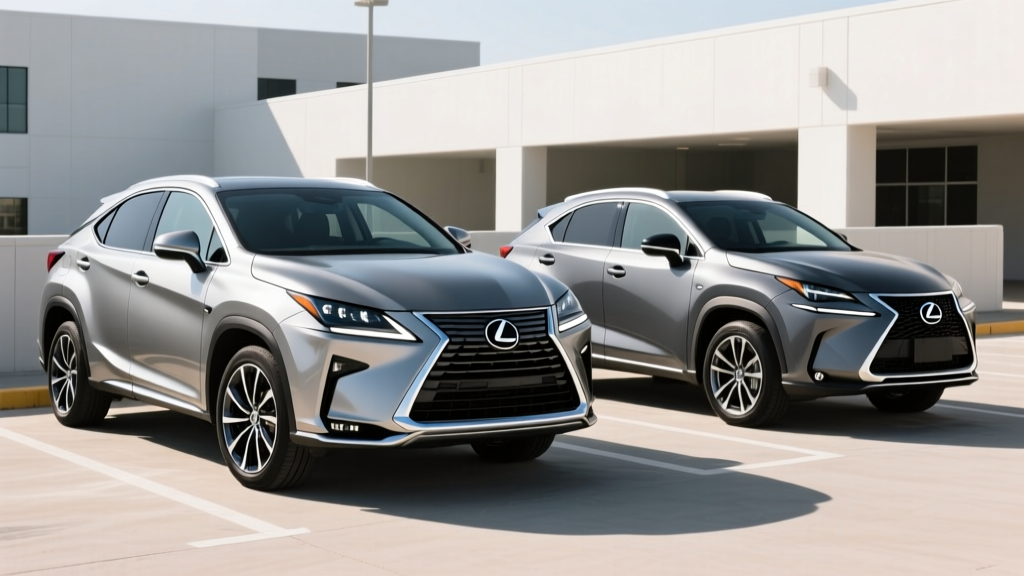
2014 Lexus Hybrid SUV Models: RX 450h vs. NX 300h at a Glance
For the 2014 model year, Lexus sold one primary hybrid SUV in the United States: the RX 450h. The NX 300h arrived in showrooms as a 2015 model. Below is a side-by-side spec table covering both, since many buyers cross-shop them on the used market.
| Spec | 2014 RX 450h | 2015 NX 300h (announced 2014) |
|---|---|---|
| Powertrain | 3.5L V6 + 2 electric motors (AWD) | 2.5L I4 + electric motor (AWD) |
| Combined HP | 295 hp | 194 hp |
| EPA City / Hwy / Combined MPG | 32 / 28 / 30 | 33 / 30 / 31 |
| Drivetrain | AWD (e-motor rear axle) | AWD (e-motor rear axle) |
| Hybrid Battery | NiMH, ~1.9 kWh (usable ~1.3 kWh) | NiMH, ~1.6 kWh (usable ~1.0 kWh) |
| 0-60 mph | 7.4 sec | 9.1 sec |
| Cargo (behind 2nd row) | 40.0 cu ft | 17.7 cu ft |
| Original MSRP (base AWD) | $47,310 | $39,720 |
| 2026 Used Price Range (est.) | $14,000–$20,000 | $15,000–$21,000 |
How Many MPG Does the 2014 Lexus RX 450h Get?
The EPA rates the 2014 RX 450h AWD at 32 city / 28 highway / 30 combined MPG (fueleconomy.gov). That city-dominant split is classic Toyota hybrid behavior: the electric motor handles low-speed propulsion and stop-and-go traffic, where a conventional V6 would be least efficient.
| Model | City MPG | Highway MPG | Combined MPG |
|---|---|---|---|
| RX 450h AWD | 32 | 28 | 30 |
| NX 300h AWD (2015 MY) | 33 | 30 | 31 |
Real-World MPG vs. EPA Sticker
Hybrids often beat their EPA city numbers in real-world stop-and-go driving because regenerative braking recovers energy the EPA test cycle only partially captures. Owners on Fuelly and Edmunds forums report 29–33 MPG combined in mixed driving for the RX 450h, with city-dominant commuters occasionally seeing 34 MPG. Highway-only trips at 75+ mph drop efficiency to 25–27 MPG, since the gasoline engine does all the work and the vehicle's 4,700-lb curb weight works against it.
Cold weather reduces MPG by roughly 5–10% due to cabin heating demands and reduced battery efficiency — expect 27–28 combined in sub-freezing climates.
HEV vs. PHEV: Why the 2014 RX 450h Is a Conventional Hybrid
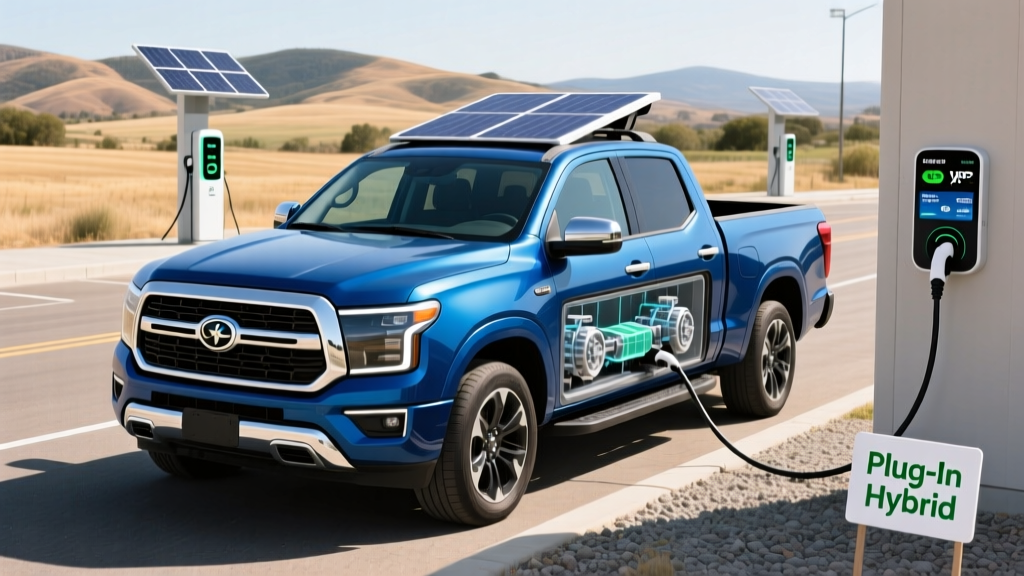
Neither the 2014 RX 450h nor the NX 300h is a plug-in hybrid. They are conventional hybrids (HEVs) — meaning you never plug them in. The 1.9 kWh nickel-metal hydride (NiMH) battery charges exclusively through regenerative braking and engine-driven generation. Electric-only driving is limited to roughly 1–2 miles at speeds below 25 mph, typically just gliding through parking lots or creeping in traffic.
Conventional Hybrid (HEV) vs. Plug-In Hybrid (PHEV): Key Differences
| Feature | HEV (e.g., 2014 RX 450h) | PHEV (e.g., 2026 RAV4 Prime) |
|---|---|---|
| Plug-in charging? | No — self-charging via regen | Yes — Level 1 or Level 2 |
| Battery size | ~1.9 kWh NiMH | ~18.1 kWh lithium-ion |
| Electric-only range | ~1–2 mi at low speed | 42 mi (EPA est.) |
| DC fast charge? | No | No (most PHEVs lack DCFC) |
| Federal tax credit (§30D) | Not eligible | Up to $7,500 if eligible |
| Gas-free daily driving? | No | Yes, for most commutes |
If you want electric-only commuting, a 2014 Lexus hybrid SUV will not deliver it. You would need a modern PHEV like the Toyota RAV4 Prime (42 mi electric) or a full BEV. The HEV's advantage is simplicity: no charging infrastructure needed, no range anxiety, and a proven 10+ year track record.
Powertrain Deep Dive: V6 Hybrid Muscle Meets Efficiency
The 2014 RX 450h pairs a 3.5-liter 2GR-FXE V6 (245 hp, 234 lb-ft) with a front electric motor (167 hp, 247 lb-ft) and a rear electric motor (68 hp, 96 lb-ft) for AWD. Combined system output is 295 horsepower. Power routes through an electronically controlled CVT (eCVT), which uses planetary gearsets rather than a belt — a design Toyota has refined since the original Prius and which avoids the rubber-band feel of conventional CVTs.
The rear axle has no mechanical connection to the engine; the rear e-motor engages only when AWD traction is needed or during hard acceleration. This "e-AWD" approach saves weight and reduces parasitic drivetrain losses compared to a traditional mechanical AWD system.
Hybrid Battery Reliability, Lifespan, and Replacement Cost
This is the single biggest concern for used hybrid buyers, and it is where the 2014 Lexus hybrid SUV lineup excels.
Original Hybrid Battery Warranty
Lexus covered the 2014 RX 450h hybrid battery for 8 years / 100,000 miles (10 years / 150,000 miles in California Air Resources Board states). By 2026, all original factory warranties have expired unless the vehicle was certified pre-owned with an extended hybrid component warranty.
Real-World Battery Longevity
The NiMH battery in the RX 450h is one of the most durable hybrid batteries ever produced. Toyota/Lexus NiMH packs in the RX 400h (2006–2008) and RX 450h (2010–2015) routinely last 200,000–300,000 miles before significant degradation. The battery management system keeps the pack in a conservative state-of-charge window (roughly 40–80%), which dramatically slows cell aging.
When replacement is needed:
- New OEM battery (Lexus dealer): $3,500–$5,000 installed
- Refurbished/remanufactured battery: $1,500–$2,500 installed
- Individual module replacement (specialist shop): $500–$1,200 if only 1–2 of the 30 NiMH modules have failed
Many independent hybrid specialists (such as those using Re-Invent or Dorman remanufactured packs) offer 3-year warranties on replacements. The RX 450h's NiMH chemistry is far more tolerant of heat and age than early lithium-ion packs, which is why 12-year-old examples with original batteries are common.
Is the 2014 RX 450h Reliable Overall?
Lexus consistently ranks at or near the top of J.D. Power Vehicle Dependability Studies and Consumer Reports reliability surveys. The 2014 RX 450h specifically benefits from:
- The 2GR-FXE V6, a mature engine with no widespread failure modes
- eCVT planetary gearing with no wear-prone belts or clutches
- NiMH battery chemistry with a 20-year field-proven track record
- Minimal high-voltage system complexity compared to modern PHEVs/BEVs
Common non-hybrid issues at this age include worn suspension bushings, aging power steering racks (electric, but bearings wear), and infotainment obsolescence — all typical for any 12-year-old luxury vehicle.
Does the 2014 Lexus RX 450h Qualify for Any Tax Credit?
No. The federal §30D New Clean Vehicle Credit applies only to new plug-in vehicles (PHEVs and BEVs) with sufficient battery capacity and domestic battery-sourcing compliance. The 2014 RX 450h is a conventional hybrid with a battery too small to have ever qualified, even when new. The IRS hybrid tax credit that existed pre-2010 (for vehicles like the early RX 400h) expired long ago.
For used purchases in 2026, the Used Clean Vehicle Credit (§25E) offers up to $4,000, but it also requires a plug-in vehicle — so the RX 450h is excluded. If you want a used Lexus hybrid that qualifies, you would need a plug-in model, and Lexus did not offer a plug-in SUV until the 2023 RX 500h+.
Always verify current incentive rules at irs.gov, as legislation can change.
2014 Lexus Hybrid SUV vs. Modern PHEV vs. Full EV: Which Fits You?
Choose the 2014 RX 450h If…
- You want a proven, low-risk hybrid with no charging requirement
- Your budget is $14,000–$20,000 for a reliable luxury SUV
- You drive 10,000–15,000 miles/year and want ~30 MPG without behavioral changes
- You lack access to home or workplace charging
- You value Lexus dealer service network and parts availability
Choose a Modern PHEV or Full EV If…
- You want electric-only daily commuting (30–50 mi on a PHEV)
- You have home Level 2 charging and want to minimize gas use
- You want to claim the §30D or §25E federal tax credit
- You prioritize modern ADAS (lane-keep, adaptive cruise, automatic emergency braking)
- You want lower per-mile fuel costs ($0.04/mi electric vs. $0.14/mi at 30 MPG)
The 2014 RX 450h makes 30 MPG on regular unleaded and asks nothing more of you. A 2026 Toyota RAV4 Prime PHEV delivers 42 miles electric + 38 MPG hybrid and qualifies for credits — but costs $45,000+ new. The decision comes down to budget, charging access, and how much you value electric-only driving.
Ownership Costs: Fuel, Insurance, and Maintenance in 2026
At 30 MPG combined and $3.40/gallon regular unleaded (2026 national average), the RX 450h costs roughly $1,700/year in fuel for 15,000 miles of driving. A comparable non-hybrid V6 SUV at 20 MPG would cost $2,550/year — an $850 annual savings for the hybrid.
Insurance for a 2014 RX 450h averages $1,200–$1,600/year depending on state and driver profile, comparable to a non-hybrid 2014 RX 350. Maintenance is straightforward: standard Toyota/Lexus V6 service intervals, with no hybrid-specific consumables beyond eventual battery replacement.
Frequently Asked Questions
How many MPG does the 2014 Lexus RX 450h get in real-world driving?
Expect 29–33 MPG combined, with city driving often reaching 33–34 MPG and highway-only trips dropping to 25–27 MPG. Cold weather reduces efficiency by 5–10%.
Can I plug in the 2014 Lexus RX 450h to charge it?
No. The RX 450h is a conventional hybrid (HEV). It charges its battery exclusively through regenerative braking and the gasoline engine. There is no plug, no charging port, and no electric-only range beyond low-speed creeping.
How long does the hybrid battery last in a 2014 Lexus RX 450h?
The NiMH battery commonly lasts 200,000–300,000 miles. Many 2010–2015 RX 450h vehicles are still running on original batteries at 12+ years old. Replacement costs $1,500–$5,000 depending on new OEM vs. refurbished.
Is the 2014 Lexus NX 300h a 2014 model year vehicle?
No. The NX 300h debuted as a 2015 model year vehicle, though it was announced and previewed in 2014. If you see a "2014 NX 300h" listing, verify the actual model year on the window sticker or VIN.
Does the 2014 RX 450h qualify for any federal or state tax credit in 2026?
No. Federal §30D and §25E credits require plug-in vehicles. The RX 450h is a conventional hybrid and is ineligible. Some states offer registration discounts or HOV lane access for hybrids, but check your local DMV.
How does the 2014 RX 450h compare to the gas-only RX 350 in fuel costs?
The gas-only 2014 RX 350 AWD gets 20 MPG combined. At 15,000 miles/year and $3.40/gallon, the RX 350 costs ~$2,550/year in fuel vs. ~$1,700 for the RX 450h — an $850/year savings for the hybrid.
Is the 2014 Lexus RX 450h a good buy in 2026?
Yes, if you want a reliable, efficient luxury SUV under $20,000 with no charging dependency. It lacks modern ADAS features and the infotainment is dated, but the powertrain is bulletproof and fuel savings are meaningful. Verify hybrid battery health via an OBD-II scan tool (checking internal resistance and voltage spread across modules) before purchasing.
Sources: fueleconomy.gov (EPA ratings), irs.gov (§30D and §25E credit rules), Lexus USA press archives for 2014 model-year specifications.