Quick Verdict: The 2013 C-Max Energi in 2026
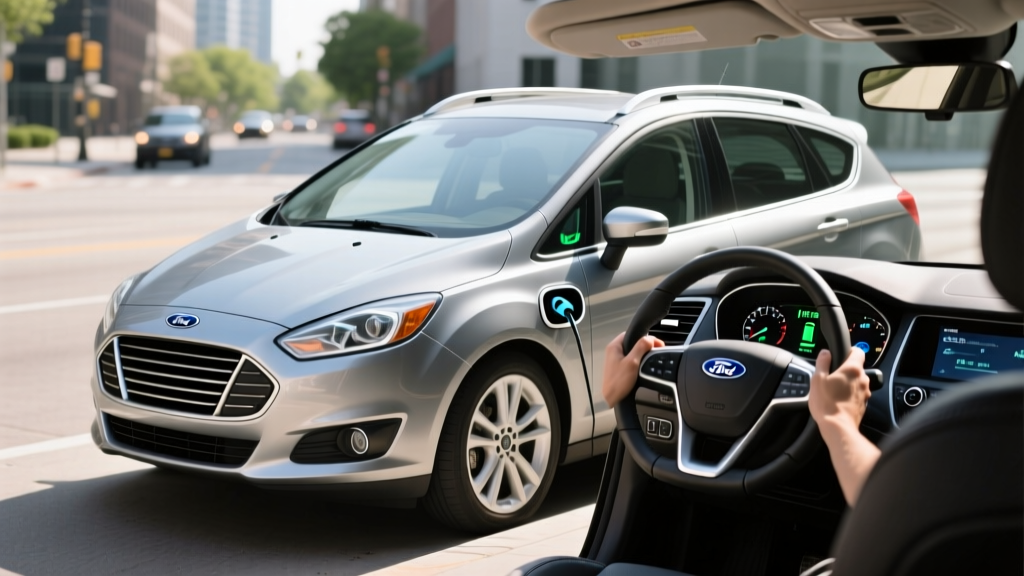
The 2013 Ford C-Max Energi is a plug-in hybrid (PHEV) hatchback that pairs a 2.0-liter Atkinson-cycle gasoline engine with an electric motor and a 7.6 kWh lithium-ion battery pack. Originally positioned against the Toyota Prius Plug-In and Chevrolet Volt, it offered a practical blend of short-distance electric commuting and gas-powered flexibility. In 2026, it survives exclusively on the used market, where well-maintained examples trade between $6,000 and $10,000 depending on mileage and battery health. If you can charge at home and your daily commute falls under 15 miles, the Energi still delivers meaningful fuel savings — but battery degradation and aging powertrain electronics demand careful pre-purchase vetting.
| Spec | Value |
|---|---|
| Powertrain Type | Plug-in Hybrid (PHEV) |
| Engine | 2.0L Atkinson-cycle I4 |
| Electric Motor | Permanent-magnet synchronous (integrated in transmission) |
| Combined Horsepower | 195 hp (net system) |
| Battery Capacity | 7.6 kWh total / ~6.1 kWh usable (Lithium-ion) |
| EPA Electric-Only Range | 19 miles |
| EPA Combined Range (gas + electric) | 550 miles |
| EPA Fuel Economy (charge-sustaining) | 43 city / 41 hwy / 43 combined MPG |
| MPGe (electric + gas combined) | 100 MPGe |
| Level 1 Charging (120V) | ~7 hours (0–100%) |
| Level 2 Charging (240V) | ~2.5 hours (0–100%) |
| DC Fast Charging | Not supported |
| 0–60 mph | ~8.4 seconds |
| Cargo Volume | 19.2 cu ft (behind rear seats) |
| Original MSRP | $32,950 (before incentives) |
| Battery Warranty (original) | 8 years / 100,000 miles |
HEV vs. PHEV: Understanding the C-Max Lineup
Ford sold two distinct C-Max variants for the 2013 model year, and confusing them is a common buyer mistake:
| Feature | C-Max Hybrid (HEV) | C-Max Energi (PHEV) |
|---|---|---|
| Plug-in capable? | No — self-charging only | Yes — plugs into Level 1 or Level 2 |
| Battery Size | 1.4 kWh | 7.6 kWh |
| Electric-Only Range | ~1 mile at low speed | 19 miles (EPA) |
| EPA Combined MPG | 47 MPG (revised sticker) | 43 MPG (charge-sustaining) |
| Cargo Space | 24.5 cu ft | 19.2 cu ft (battery intrudes) |
| Original Tax Credit | None | $3,750 federal credit (expired) |
The conventional hybrid (HEV) never needs to be plugged in — it regenerates energy during braking and deceleration to recharge its small battery. The Energi (PHEV) has a much larger battery that you plug in overnight, giving you a genuine electric-only commute window before the gas engine takes over. For drivers who rarely plug in, the standard C-Max Hybrid actually delivers better fuel economy in charge-sustaining mode and offers more cargo room. The Energi only pays dividends if you charge regularly.
Fuel Economy and Electric Range: EPA vs. Real World
| Mode | City | Highway | Combined |
|---|---|---|---|
| Charge-Sustaining (gas only) | 43 MPG | 41 MPG | 43 MPG |
| Blended (electric + gas) | 100 MPGe | ||
The EPA's official figures rate the C-Max Energi at 43 MPG combined when operating purely on gasoline after the battery is depleted. In the real world, results depend heavily on driving style and climate:
- City driving (warm weather): Owners frequently report 44–48 MPG in stop-and-go traffic, where regenerative braking is most effective.
- Highway driving (70+ mph): Expect 37–40 MPG. The Atkinson-cycle engine sacrifices high-RPM efficiency, and aerodynamic drag penalizes the tall hatchback body.
- Cold weather (below 35°F): Fuel economy drops to 34–38 MPG as the engine runs more frequently for cabin heat and battery conditioning.
The EPA-rated 19-mile electric-only range was measured under ideal conditions. In practice, expect 14–17 miles on a full charge in moderate weather, and as little as 10–12 miles in freezing temperatures when the cabin heater demands energy. After a decade of battery aging, many 2013 examples now deliver only 12–15 miles of electric range even in favorable conditions.
Powertrain, Charging, and Battery Health
The C-Max Energi's powertrain combines a 141-hp 2.0-liter four-cylinder engine with a 118-kW electric motor, routed through Ford's power-split eCVT transmission for a net system output of 195 hp. Acceleration to 60 mph takes about 8.4 seconds — adequate for merging and passing, though not sporty. The eCVT has no fixed gears, which keeps the engine in its most efficient RPM range but produces the characteristic "drone" under hard acceleration that some drivers find objectionable.
Charging is limited to AC power only:
- Level 1 (120V household outlet): The included cordset delivers roughly 1.4 kW, requiring about 7 hours for a full charge. Plugging in overnight is sufficient for most commuters.
- Level 2 (240V): At 3.3 kW via a J1772 connector, a full charge takes approximately 2.5 hours. A home Level 2 station is a worthwhile upgrade if you can make multiple short trips per day and want to recharge between them.
- DC fast charging: Not available. The C-Max Energi lacks a CCS or CHAdeMO port entirely.
Before purchasing a used 2013 C-Max Energi, request a battery State of Health (SoH) reading from a Ford dealer or a hybrid specialist. A pack retaining below 70% of its original capacity will noticeably reduce your electric-only range and should factor into price negotiations. Watch for the "Stop Safely Now" warning on the dash — it can indicate a high-voltage battery cooling system failure, a known issue on early C-Max Energi models that Ford addressed through technical service bulletins.
Pricing, Tax Credits, and Ownership Costs
The 2013 C-Max Energi originally carried an MSRP of $32,950 and qualified for a $3,750 federal tax credit under the original §30D rules, effectively reducing the net cost to around $29,200. That credit structure no longer applies.
Current tax credit situation (2026): The 2013 C-Max Energi does not qualify for the new-vehicle §30D federal tax credit — it is only available on the used market. Under current IRS rules, the Used Clean Vehicle Credit offers up to $4,000 (or 30% of the sale price, whichever is lower) for qualifying pre-owned EVs and PHEVs. However, the C-Max Energi's 19-mile electric range and aging battery may complicate eligibility. The vehicle must have a battery capacity of at least 7 kWh (it meets this at 7.6 kWh), the sale price must be $25,000 or less (most used examples qualify), and buyer income caps apply ($75,000 single / $150,000 married filing jointly). Consult a tax professional and verify eligibility on the IRS website before relying on this credit.
| Category | Estimated Cost |
|---|---|
| Purchase Price (avg. used) | $8,000 |
| Fuel (gas + electricity, 12k mi/yr) | $4,500–$5,500 |
| Insurance (national avg.) | $5,000–$6,500 |
| Maintenance & Repairs | $3,000–$5,000 |
| Potential Battery Replacement | $0–$5,500 |
| Total (5 years) | $20,500–$30,500 |
Insurance costs are modest for a 13-year-old hatchback, but maintenance expenses climb as the vehicle ages. The power-split transmission is generally robust, but the hybrid cooling system, electric A/C compressor, and onboard charger are potential failure points beyond 120,000 miles.
Reliability and Common Issues
The C-Max Energi's powertrain is mechanically related to the Ford Fusion Energi and shares many components with the conventional C-Max Hybrid, which has proven reasonably durable. However, several issues are well-documented among owners:
- High-voltage battery degradation: The most significant concern. Expect 15–25% capacity loss after 10+ years, reducing electric-only range.
- Battery cooling fan failure: The HVAC-based battery cooling system can fail, causing the battery to overheat and trigger reduced-power warnings. Repair cost: $400–$800.
- 12V auxiliary battery drain: Like many hybrids, the C-Max Energi can drain its conventional 12V battery if left un-driven for extended periods, preventing the vehicle from starting even with a full high-voltage pack.
- Transmission shudder: Some owners report a low-speed shudder from the eCVT, typically resolved with a fluid change or, in severe cases, a transmission replacement ($2,500–$4,000).
- SYNC infotainment glitches: Ford's MyFord Touch system (standard on 2013 models) is widely regarded as slow and buggy. Software updates help but don't fully resolve the issue.
The NHTSA vehicle page lists several recalls for the 2013 C-Max Energi, including issues with the battery energy control module and the restraint system. Confirm all recall work has been completed by entering the VIN on NHTSA's website before purchasing.
Who Should Buy the 2013 C-Max Energi — And Who Shouldn't
Choose the C-Max Energi if:
- You can charge at home (Level 1 or Level 2) and your round-trip commute is under 15 miles
- You want to reduce gasoline consumption without committing to a full EV
- You need a practical hatchback with reasonable cargo space at a low entry price
- You're comfortable with the risk of an aging high-voltage battery and potential replacement costs
Look elsewhere if:
- You cannot charge at home — without plugging in, the Energi is heavier and less efficient than the standard C-Max Hybrid
- You need more than 19 cu ft of cargo space (the battery pack raises the load floor)
- You want DC fast charging for road trips — this vehicle does not support it
- You prefer a newer vehicle with modern ADAS features, updated infotainment, and remaining factory warranty
- Low used purchase price ($6k–$10k)
- Real electric-only commuting for short trips
- Strong city MPG via regenerative braking
- Comfortable ride, spacious front seats
- No range anxiety — gas engine covers long trips
- Battery degradation reduces electric range over time
- No DC fast charging capability
- Reduced cargo space vs. conventional C-Max Hybrid
- Outdated infotainment (MyFord Touch)
- Original battery warranty has expired on all examples
- Highway MPG underwhelms vs. rivals like the Prius
Hybrid vs. PHEV vs. Full EV: Where Does the C-Max Energi Fit?
Deciding between a conventional hybrid, a plug-in hybrid, and a battery electric vehicle (BEV) depends on your driving patterns and charging access:
- Conventional Hybrid (HEV): Best for drivers who cannot charge at home. No plug needed — just drive and let regenerative braking handle the rest. The standard C-Max Hybrid or a used Toyota Prius delivers 45–50+ MPG with zero behavioral change.
- Plug-in Hybrid (PHEV): The C-Max Energi fits here. Ideal if you can charge at home and want 10–20 miles of electric commuting with the security of a gas engine for longer trips. You must plug in regularly to realize the benefit — an unplugged PHEV is just a heavier, less efficient hybrid.
- Full Electric Vehicle (BEV): If you have reliable home charging, a commute under 30 miles, and access to DC fast charging for road trips, a used BEV like the Chevrolet Bolt EV or Nissan Leaf eliminates gasoline entirely and offers lower per-mile fuel costs. The trade-off is range planning on long trips and higher upfront cost for newer models.
Frequently Asked Questions
How many MPG does the 2013 Ford C-Max Energi get?
The EPA rates the C-Max Energi at 43 MPG combined (43 city / 41 highway) when operating on gasoline alone after the battery is depleted. Real-world city driving often yields 44–48 MPG thanks to regenerative braking, while sustained highway driving at 70+ mph typically drops to 37–40 MPG. Cold weather reduces efficiency further.
How far can the 2013 C-Max Energi go on electric only?
The EPA rated the 2013 C-Max Energi at 19 miles of electric-only range when new. In 2026, with typical battery degradation, expect 12–15 miles on a full charge in moderate weather. Cold temperatures can reduce this to 10–12 miles.
Does the 2013 C-Max Energi qualify for any tax credit?
It no longer qualifies for the new-vehicle federal tax credit. However, it may qualify for the Used Clean Vehicle Credit (up to $4,000 or 30% of sale price) under current IRS rules, provided the sale price is $25,000 or less, buyer income falls within caps, and the vehicle meets battery-capacity requirements. Verify details at irs.gov and consult a tax professional.
Is the 2013 C-Max Energi reliable, and what does battery replacement cost?
The powertrain is generally durable, but the high-voltage battery is the primary concern at this vehicle's age. Degradation of 15–25% is typical after 10+ years. A full battery replacement costs $3,000–$5,500 for a new or refurbished pack. Individual cell repair by a hybrid specialist can cost $800–$1,500. The original 8-year/100,000-mile battery warranty has expired on all 2013 examples.
Can the C-Max Energi charge at DC fast-charging stations?
No. The 2013 C-Max Energi supports only Level 1 (120V, ~7 hours) and Level 2 (240V J1772, ~2.5 hours) AC charging. It has no DC fast-charging port.
Should I buy the C-Max Energi or the regular C-Max Hybrid?
If you can charge at home daily and your commute is under 15 miles round-trip, the Energi saves meaningful fuel by running on electricity most days. If you cannot plug in regularly, the standard C-Max Hybrid is lighter, has more cargo space, and achieves comparable or better MPG in real-world driving without the complexity of a large battery pack.