Quick Verdict: A Full-Size Hybrid Ahead of Its Time
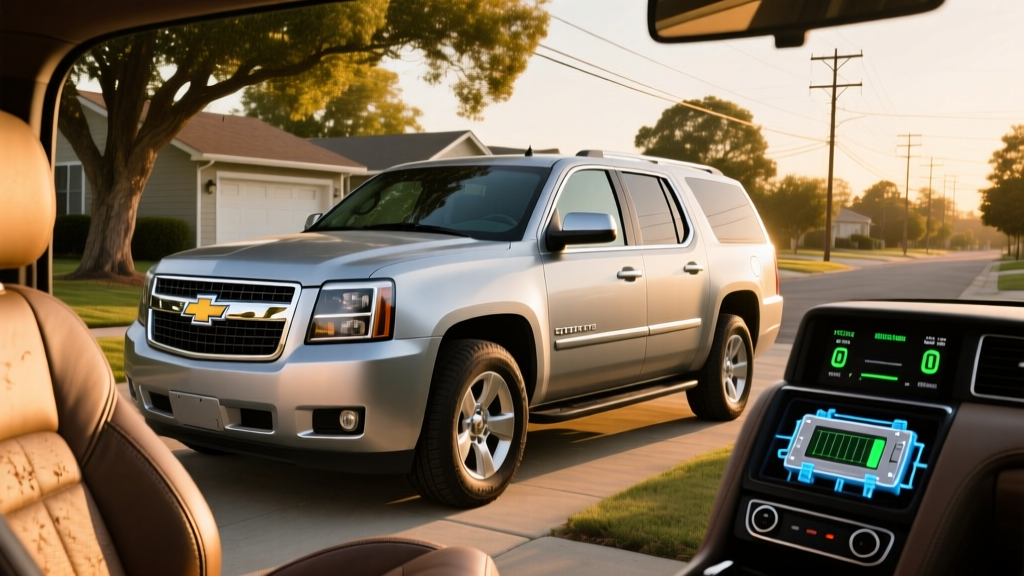
The 2013 Chevrolet Tahoe Hybrid was one of the first full-size SUVs to pair a V8 with a two-mode hybrid system, delivering modest fuel savings over its gas-only sibling without sacrificing towing or passenger capacity. As a conventional hybrid (HEV) — not a plug-in — it requires no charging infrastructure and operates exactly like a standard Tahoe at the pump. For 2026 used-car shoppers, it represents a niche proposition: a body-on-frame SUV with slightly better fuel economy, but one that demands careful scrutiny of its aging hybrid battery and discontinued powertrain components.
| Spec | Value |
|---|---|
| Powertrain | 6.0L V8 + Two-Mode Hybrid System (2 electric motor/generators) |
| Combined Horsepower | 379 hp (net system output) |
| Transmission | Two-mode hybrid CVT (electronically variable) |
| EPA City MPG | 20 mpg |
| EPA Highway MPG | 23 mpg |
| EPA Combined MPG | 21 mpg |
| Drivetrain | RWD or 4WD |
| Towing Capacity | Up to 6,200 lbs (RWD) |
| Seating | 7–8 passengers |
| Original MSRP (2013) | ~$54,050 (base Hybrid trim) |
| Hybrid Battery Warranty (Original) | 8 years / 100,000 miles |
How Many MPG Does the 2013 Tahoe Hybrid Get?
The EPA rates the 2013 Chevrolet Tahoe Hybrid at 20 city / 23 highway / 21 combined mpg. For context, the conventional 2013 Tahoe with the 5.3L V8 earned 15 city / 21 highway / 17 combined — meaning the hybrid delivered roughly a 24% improvement in combined fuel economy, with city driving seeing the most dramatic gains thanks to electric-only low-speed operation and regenerative braking.
| Model | City | Highway | Combined |
|---|---|---|---|
| 2013 Tahoe Hybrid (2WD) | 20 mpg | 23 mpg | 21 mpg |
| 2013 Tahoe 5.3L V8 (2WD) | 15 mpg | 21 mpg | 17 mpg |
| 2013 Tahoe 6.2L V8 (2WD) | 14 mpg | 18 mpg | 15 mpg |
Real-World MPG: What Owners Report
Source: fueleconomy.gov owner estimates and Fuelly logs show the 2013 Tahoe Hybrid averaging between 18–22 mpg combined in real-world driving. Highway-heavy commutes at 70+ mph tend to fall to 18–19 mpg, while stop-and-go city driving — where the hybrid system recovers the most energy — can push toward 22 mpg. This is typical of full-size, body-on-frame SUVs where aerodynamic drag dominates at speed.
HEV vs. PHEV: Understanding the Tahoe Hybrid System
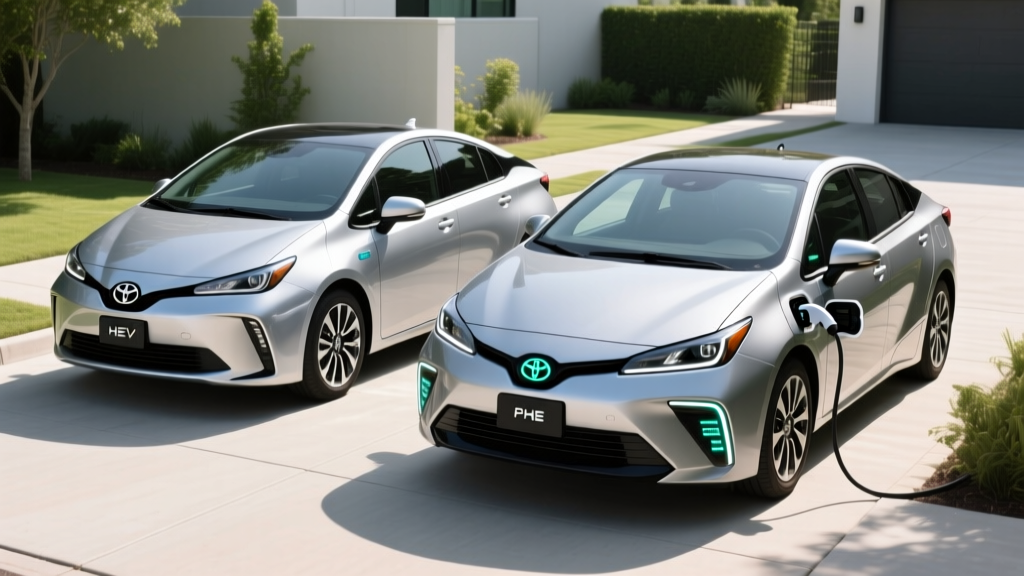
The 2013 Tahoe Hybrid is a conventional hybrid (HEV), not a plug-in hybrid (PHEV). This distinction matters enormously for used buyers:
HEV (This Tahoe)
- No plug — charges via engine and regenerative braking
- Small battery (~1.8 kWh NiMH) — assists engine, enables electric-only at very low speeds
- No electric-only highway driving
- Refuels only at gas stations
- No federal tax credit (now or originally)
PHEV (e.g., Chrysler Pacifica Hybrid)
- Plugs in — charges via grid + engine + regen
- Larger battery (16+ kWh) — enables 30+ miles electric-only
- Electric-only highway driving possible
- Refuels at gas stations AND charging stations
- May qualify for federal/state tax credits when purchased new
The Tahoe's two-mode hybrid system uses a 6.0L V8 (332 hp) mated to a transmission housing two electric motor/generators. At low speeds (typically under 30 mph in light-load conditions), the Tahoe can move on electric power alone for brief distances. Above that, or under heavy throttle, the V8 engages seamlessly. The system also enables cylinder deactivation (Active Fuel Management) on the V8, shutting down four cylinders during light-load cruising.
Battery Specs and Charging
The hybrid battery pack is a nickel-metal hydride (NiMH) unit with approximately 1.8 kWh of capacity, located under the rear cargo floor. Because this is an HEV, there is no plug and no external charging capability. The battery charges exclusively through regenerative braking and the gasoline engine. There is no DC fast charging or Level 2 charging — those terms apply only to PHEVs and BEVs.
Hybrid Battery Life, Reliability, and Replacement Cost
This is the single most important question for anyone considering a 13-year-old hybrid in 2026.
Battery Degradation and Failure Patterns
The NiMH pack in the Tahoe Hybrid shares architecture with the GMC Yukon Hybrid, Cadillac Escalade Hybrid, and the earlier two-mode hybrid system co-developed by GM, BMW, and Chrysler (the "Global Hybrid Cooperation" system). Real-world data from owner forums and repair databases shows:
- Typical battery lifespan: 120,000–180,000 miles before significant degradation or failure
- Common failure mode: Individual cell imbalance within the pack, triggering a P0A7F or similar hybrid battery degradation code
- Warning signs: Reduced fuel economy, "Service Hybrid System" message on dash, reduced regenerative braking feel
Battery Replacement Cost (2026 Estimates)
| Option | Estimated Cost | Notes |
|---|---|---|
| New OEM GM battery pack | $3,500–$5,500 (parts + labor) | Availability declining as model ages; check dealer parts inventory |
| Refurbished/remanufactured pack | $2,000–$3,500 | From hybrid specialty shops; warranty typically 1–3 years |
| Individual cell replacement | $800–$1,500 | Requires a hybrid-savvy technician; not all shops offer this |
| Used/salvage yard pack | $500–$1,200 | Highest risk — unknown remaining lifespan |
Overall Reliability
The 2013 Tahoe platform (GMT900) is generally robust mechanically — the 6.0L V8 is durable and the body-on-frame construction holds up well. However, the two-mode hybrid transmission adds complexity. Common non-battery issues include:
- Hybrid system coolant pump failures (separate from engine cooling)
- Power inverter module faults (rare but expensive — $2,000+ repair)
- Active Fuel Management lifter failures (a known GM V8 issue that can cause costly top-end engine damage)
- Standard Tahoe wear items: suspension components, power accessories
We recommend a pre-purchase inspection by a technician with hybrid system diagnostic capability. Request a hybrid battery state-of-health (SoH) scan — a good shop can pull individual cell voltage data to reveal imbalance before it triggers a dashboard warning.
Tax Credits and Pricing in 2026
Federal Tax Credit: Not Eligible
The 2013 Chevrolet Tahoe Hybrid does not qualify for any federal tax credit, whether purchased new or used. The IRS §30D New Clean Vehicle Credit applies only to new plug-in electric vehicles (PHEVs and BEVs) with sufficient battery capacity. Conventional hybrids like this Tahoe have never qualified. The IRS Used Clean Vehicle Credit (§25E, up to $4,000) also requires a plug-in vehicle — HEVs are excluded.
For current tax credit rules, always verify eligibility at irs.gov.
Used Pricing (2026 Market)
As of early 2026, expect to find 2013 Tahoe Hybrids on the used market in the $8,000–$14,000 range, depending on mileage, condition, and whether the hybrid battery has been replaced or tested. Examples with documented battery replacement command a premium. High-mileage units (150,000+ miles) with original batteries carry significant financial risk.
Pros
- ~24% better fuel economy than gas Tahoe (21 vs. 17 combined mpg)
- Full towing capability (up to 6,200 lbs)
- 8-passenger seating in a familiar, spacious cabin
- No charging infrastructure needed — works like a normal SUV
- Durable GMT900 platform with abundant aftermarket support
Cons
- Hybrid battery out of warranty — replacement risk is real
- Two-mode hybrid transmission parts are increasingly scarce
- MPG gains are modest by 2026 standards (many modern non-hybrid SUVs match or approach 21 mpg)
- Active Fuel Management lifter failure risk on the 6.0L V8
- No EV mode for meaningful zero-emission driving
Who Should Buy This Hybrid — And Who Shouldn't
Choose the 2013 Tahoe Hybrid if:
- You need a full-size, body-on-frame SUV with 8-passenger seating and real towing capacity
- You do a lot of city or suburban driving where hybrid regenerative braking pays dividends
- You want slightly better fuel economy without changing your refueling habits
- You find a well-maintained example with a recently replaced or tested hybrid battery
Look elsewhere if:
- You want meaningful electric-only driving range (consider a PHEV like the Chrysler Pacifica Hybrid or Toyota RAV4 Prime)
- You want zero tailpipe emissions (consider a BEV like the Rivian R1S or Tesla Model X)
- You cannot budget $2,000–$5,000 for a potential hybrid battery replacement
- You prioritize modern safety tech, infotainment, or driver-assistance features (this 2013 model has none of today's ADAS standards)
Hybrid vs. PHEV vs. EV — Which Fits You?
| Factor | HEV (This Tahoe) | PHEV | BEV (Full Electric) |
|---|---|---|---|
| Plug-in required? | No | Optional (but recommended) | Yes |
| Electric-only range | ~1 mile at low speed | 25–50+ miles | 200–400+ miles |
| Home charging needed? | No | Recommended for savings | Essential |
| Fuel cost per mile | ~$0.18–$0.22 | ~$0.04 (electric) / $0.18 (gas) | ~$0.03–$0.06 |
| Maintenance complexity | Moderate (hybrid-specific parts) | Moderate | Low (fewer moving parts) |
| Best for | No-charging-access buyers needing towing/size | Daily commuters with home charging + road-trip flexibility | Home-charging access + range needs within battery capacity |
Frequently Asked Questions
Is the 2013 Chevy Tahoe Hybrid reliable?
Mechanically, the GMT900 platform and 6.0L V8 are durable. The hybrid system adds risk: the NiMH battery pack, hybrid coolant pump, and power inverter are expensive failure points on a 13-year-old vehicle. Reliability largely depends on maintenance history and whether the hybrid battery has been replaced. A pre-purchase hybrid system diagnostic is essential.
How much does it cost to replace the hybrid battery?
Expect $2,000–$5,500 depending on whether you choose a refurbished pack, individual cell repair, or a new OEM unit. New OEM parts are becoming harder to source as GM discontinues support for this generation.
Does the 2013 Tahoe Hybrid need to be plugged in?
No. This is a conventional hybrid (HEV). It charges its small battery through regenerative braking and the gasoline engine. You never plug it in — you simply fill it with gas like any other SUV.
Can I still get the hybrid battery serviced?
Yes, but your options are narrowing. GM dealers may still stock or order replacement packs, though availability is declining. Independent hybrid specialists (shops that service Prius, Escalade Hybrid, and similar two-mode systems) are often the better option for diagnostics and refurbished-pack installation.
Does it qualify for any tax credit in 2026?
No. The federal IRS §30D and §25E credits apply only to plug-in vehicles (PHEVs and BEVs). Conventional hybrids have never qualified for federal purchase incentives. Some states historically offered hybrid rebates, but most have transitioned to plug-in-only programs. Check your state's current energy office for any remaining incentives.
How does the Tahoe Hybrid compare to modern hybrid SUVs?
By 2026 standards, the Tahoe Hybrid's 21 combined mpg is modest. The 2026 Toyota Grand Highlander Hybrid achieves 36 combined mpg with three rows, and the Ford Explorer Hybrid returns around 23–24 combined. However, neither of those matches the Tahoe's body-on-frame towing capability. If towing 5,000+ lbs matters and you want hybrid efficiency, your modern alternatives are limited — the Ford F-150 PowerBoost Hybrid (24 combined mpg, 12,700-lb towing) is the closest functional successor.
What is Active Fuel Management and is it a problem?
Active Fuel Management (AFM) is GM's cylinder deactivation system that shuts down 4 of the 8 cylinders during light-load driving to save fuel. On the 6.0L V8 (LFA/LC9 engine family), AFM lifter failure is a known issue that can lead to catastrophic engine damage — collapsed lifters, cam lobe wear, and metal debris in the oil. Some owners preemptively install an AFM disabler module (~$300) to keep all 8 cylinders active at all times, sacrificing a small amount of fuel economy for engine longevity.
Sources: EPA fuel economy data via fueleconomy.gov; IRS clean vehicle credit rules via irs.gov; NHTSA vehicle data via nhtsa.gov.