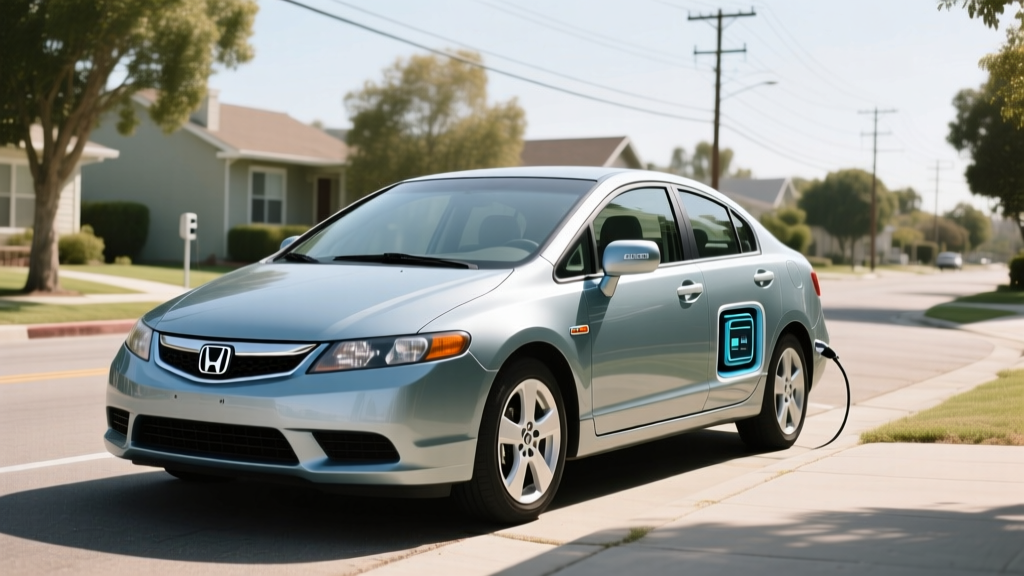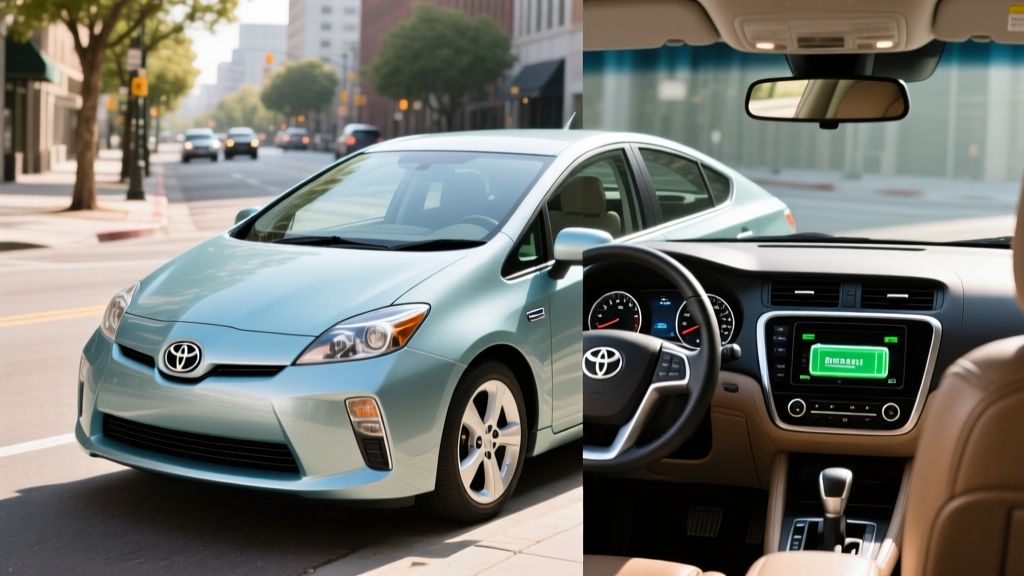
The 2012 Toyota Prius hybrid hatchback remains one of the most recognizable vehicles on American roads more than a decade after its debut. As a third-generation model (2010–2015), it refined the formula that made the Prius synonymous with fuel efficiency: a 1.8-liter Atkinson-cycle four-cylinder paired with Toyota's Hybrid Synergy Drive. For used-car shoppers in 2026 weighing a budget-friendly hybrid against a newer EV or plug-in hybrid, the 2012 Prius demands a hard look at its real-world economy, battery longevity, and total cost of ownership.
This guide covers everything a prospective buyer or current owner needs to know — from EPA fuel economy figures and the HEV vs. PHEV distinction to hybrid battery replacement costs and whether any tax credits still apply to a vehicle this age.
2012 Toyota Prius Hybrid Hatchback: Key Specifications
| Specification | 2012 Toyota Prius (Third Gen) |
|---|---|
| Powertrain | 1.8L 4-cyl Atkinson-cycle + electric motor (HEV) |
| Combined Horsepower | 134 hp (net system output) |
| Engine Output | 98 hp @ 5,200 rpm / 105 lb-ft torque |
| Electric Motor Output | 80 hp (60 kW) |
| Hybrid Battery | 1.3 kWh Nickel-Metal Hydride (NiMH), 201.6V nominal |
| Transmission | ECVT (planetary gearset, not a belt CVT) |
| EPA Fuel Economy | 51 city / 48 highway / 50 combined MPG |
| 0–60 mph | ~9.8 seconds |
| Curb Weight | ~3,042 lbs |
| Cargo Volume | 21.6 cu ft (rear seats up) / 39.6 cu ft (folded) |
| Original MSRP (Base) | $24,000 (2012) |
| Typical Used Price (2026) | $5,500–$9,500 depending on mileage/condition |
Fuel Economy: EPA Sticker vs. Real-World MPG
| Driving Condition | EPA Estimate | Real-World Expectation |
|---|---|---|
| City | 51 MPG | 48–55 MPG (hybrids excel in stop-and-go) |
| Highway | 48 MPG | 42–47 MPG (aero drag and sustained speeds reduce regen benefit) |
| Combined | 50 MPG | 44–50 MPG |
| Cold Weather (below 35°F) | — | 38–44 MPG (engine runs more for cabin heat, battery less efficient) |
The 2012 Prius is one of the rare vehicles where real-world city driving can match or exceed the EPA sticker. Toyota's hybrid system recovers braking energy and shuts off the gasoline engine at low speeds, making congested urban commutes its best-case scenario. Highway driving flips the script: at 75 mph, the Prius runs its gasoline engine continuously, and the tall hatchback body creates more aerodynamic drag than a sleek sedan.
Cold weather introduces a meaningful penalty. The NiMH battery operates less efficiently at low temperatures, and the engine must run to generate cabin heat (there is no electric heater on the base 2012 model, though the Prius V and some higher trims offered an optional PTC heater). Expect a 10–20% fuel economy drop in winter conditions, per data aggregated on fueleconomy.gov.
HEV vs. PHEV: Understanding What the 2012 Prius Is (and Isn't)
| Feature | 2012 Prius (HEV) | Prius Plug-in / Prius Prime (PHEV) |
|---|---|---|
| Plug-in Charging | No — never plug in | Yes — Level 1 or Level 2 AC |
| Electric-Only Range | ~1 mile at very low speed | 11 mi (2012 Plug-in) to 44 mi (2023+ Prime) |
| Battery Chemistry | NiMH (1.3 kWh) | Lithium-ion (4.4 kWh to 13.6 kWh) |
| DC Fast Charging | No | No (AC only) |
| Regenerative Braking | Yes | Yes (stronger) |
| Federal Tax Credit (New) | Never eligible | Up to $7,500 (current models, subject to §30D rules) |
The 2012 Toyota Prius is a conventional hybrid electric vehicle (HEV). It cannot be plugged in. Its small 1.3 kWh NiMH battery charges exclusively through regenerative braking and the gasoline engine. The electric motor assists during acceleration and enables brief, low-speed electric-only movement (typically under 25 mph for less than a mile), but this is not a plug-in vehicle.
Toyota did introduce the Prius Plug-in Hybrid for the 2012 model year as a separate variant. That PHEV offered roughly 11 miles of electric-only range on a 4.4 kWh lithium-ion battery and could be charged from a standard 120V outlet in about 3 hours. If you see a Prius with a charge port on the right rear quarter panel, that's the Plug-in variant — not the standard HEV covered in this guide.
Powertrain Deep Dive: How the Hybrid Synergy Drive Works
The 2012 Prius uses Toyota's third-generation Hybrid Synergy Drive, a power-split system built around a planetary gearset rather than a traditional transmission. Here's how the components work together:
- 1.8L Atkinson-Cycle Engine (2ZR-FXE): Produces 98 hp and 105 lb-ft of torque. The Atkinson cycle delays intake valve closing, sacrificing low-end torque for higher thermal efficiency (~38%). This engine is designed to operate in its most efficient RPM band, with the electric motor compensating for its torque deficit.
- Electric Motor (1NM): Contributes up to 80 hp (60 kW) and 153 lb-ft of instant torque. This motor handles initial acceleration, low-speed EV-mode driving, and regenerative braking.
- Generator (MG1): A second, smaller motor-generator starts the engine, controls the planetary gearset ratio, and charges the hybrid battery.
- NiMH Battery Pack: 1.3 kWh gross capacity (approximately 1.0 kWh usable due to state-of-charge buffering). The battery management system keeps the pack between roughly 40% and 80% SoC to maximize longevity — you never see a full charge or full depletion on the dashboard display.
- ECVT: Not a belt-driven continuously variable transmission. It's a planetary gearset that seamlessly blends engine and motor speeds. This design has no clutch packs or bands to wear out, contributing to the Prius's reliability reputation.
The net system output is 134 hp. That figure is lower than the simple sum of engine + motor because peak outputs occur at different RPM points. The result is adequate for commuting and city driving, but highway merging and steep grades require patience.
Hybrid Battery Lifespan, Degradation, and Replacement Cost
The NiMH battery in the 2012 Prius is one of the most studied hybrid batteries in existence. Here's what the data tells us:
Expected Lifespan
NiMH packs in third-generation Prius models typically last 150,000–200,000 miles before degradation becomes noticeable (reduced fuel economy, more frequent engine cycling, dashboard warnings). Many original batteries have exceeded 200,000 miles, particularly in moderate climates. Heat is the primary degradation accelerant — Prius batteries in Arizona and Texas tend to fail earlier than those in cooler regions.
Signs of Battery Degradation
- Noticeable drop in fuel economy (5–10+ MPG below historical average)
- Engine running more frequently, including at stops
- Rapid state-of-charge swings on the energy monitor display
- Check hybrid system or red triangle warning light
- Fan running loudly near the rear seat (battery cooling fan working overtime)
Replacement Options and Costs (2026 Pricing)
| Option | Cost Range | Notes |
|---|---|---|
| New OEM Toyota battery | $2,200–$3,000 (part only) | Available through dealers; installation adds $300–$600 |
| Refurbished/reconditioned pack | $800–$1,500 installed | Replaced individual weak modules; varies by shop quality |
| Aftermarket new battery | $1,200–$2,000 installed | Third-party NiMH packs from suppliers like Dorman |
| Used/salvage yard battery | $300–$700 installed | Highest risk; unknown remaining life; suitable for short-term ownership |
| Individual module replacement | $200–$600 | DIY-capable; requires identifying and replacing only failed cells |
The most cost-effective approach for a 2012 Prius in 2026 is typically a refurbished pack or individual module replacement from a qualified hybrid specialist. A brand-new OEM battery rarely makes financial sense on a vehicle worth $5,500–$9,500.
Tax Credits and Incentives: What Applies to a 2012 Prius?
The 2012 Toyota Prius (standard HEV) does not qualify for the federal §30D Clean Vehicle Credit. This credit applies only to plug-in electric vehicles (BEVs and PHEVs) with sufficient battery capacity and meeting current-year battery sourcing and critical mineral requirements per IRS guidelines.
The 2012 Prius Plug-in Hybrid originally qualified for a $2,500 federal credit when new, but that credit is no longer available for used purchases. Under current §30D rules, the used clean vehicle credit (up to $4,000 or 30% of sale price, whichever is less) applies only to BEVs and PHEVs — not conventional HEVs — and only through licensed dealers with specific battery-sourcing documentation.
Some states offer registration discounts, HOV lane access, or inspection exemptions for hybrid vehicles, but these programs have largely wound down for older models. Check your state's DMV for any remaining benefits.
- Federal §30D new vehicle credit: ❌ Not eligible (HEV, not plug-in)
- Federal used EV credit (§25E): ❌ Not eligible (HEV, not plug-in)
- State hybrid incentives: Varies — most expired; check local DMV
- HOV lane access: Expired in most states for 2012 models
Who Should Buy a 2012 Toyota Prius Hybrid Hatchback?
Pros
- Proven 50 MPG combined — real-world city driving often matches or exceeds EPA
- Extremely low operating costs: ~$1,000–$1,200/year in fuel at 12,000 miles
- Massive parts availability and independent hybrid repair knowledge
- Hatchback practicality: 39.6 cu ft cargo with seats folded
- ECVT transmission has no wear components — highly durable
- Low insurance premiums relative to newer EVs
Cons
- Hybrid battery likely at or past expected lifespan; budget $800–$2,500 for replacement
- Modest 134 hp — slow highway merging, struggles on steep grades
- Outdated infotainment: no Apple CarPlay, Android Auto, or modern safety tech
- NiMH battery less energy-dense than modern lithium-ion; no meaningful EV-only driving
- No federal tax credit available
- Interior materials and ride refinement feel dated by 2026 standards
- Your budget is under $10,000 and you need maximum fuel economy without plug-in access
- You drive primarily in city/urban conditions where hybrid regen excels
- You want minimal maintenance costs and don't mind an older interior
- You cannot install a home charger (apartment, no garage) — HEVs never need plugging in
- You have home charging access and a commute under 30 miles (a PHEV like the current Prius Prime covers most trips on electricity alone)
- You want modern safety features (automatic emergency braking, lane-keeping, blind-spot monitoring)
- You qualify for the §30D federal tax credit on a new plug-in vehicle (income and MSRP caps apply)
- You plan to own the vehicle 8+ years and want lower long-term energy costs
Reliability and Long-Term Ownership Data
The third-generation Prius (2010–2015) has one of the strongest reliability records in the industry. NHTSA data shows few systemic complaints beyond the hybrid battery and a known issue with the brake actuator assembly (subject to a recall campaign). The 1.8L 2ZR-FXE engine is under-stressed and routinely reaches 250,000+ miles with basic oil changes.
Key maintenance items for a 2012 Prius at this age:
- Hybrid battery cooling fan: Clean the intake filter (located near the rear passenger seat) every 15,000–20,000 miles. A clogged fan causes battery overheating and premature failure.
- Inverter coolant: Toyota specifies replacement at 100,000 miles, then every 50,000 miles. The inverter coolant pump is a known failure point (~$300–$500 replacement).
- Brake actuator: Check for recall completion. The regenerative braking system uses an electro-hydraulic actuator that can fail expensively ($1,500–$2,500) if not addressed.
- 12V auxiliary battery: Located in the rear cargo area. Replace every 4–5 years; a weak 12V battery can prevent the hybrid system from booting.
- EGR valve and intake manifold: Carbon buildup can cause rough idle and head gasket issues past 150,000 miles. Periodic cleaning is recommended.
Frequently Asked Questions
How many MPG does the 2012 Toyota Prius hybrid hatchback get?
The EPA rates the 2012 Prius at 51 city / 48 highway / 50 combined MPG. In real-world driving, expect 48–55 MPG in city traffic (hybrids benefit from regenerative braking) and 42–47 MPG on the highway. Cold weather can reduce economy to 38–44 MPG. According to fueleconomy.gov, the combined average reported by owners is approximately 48 MPG.
Does the 2012 Prius need to be plugged in?
No. The standard 2012 Prius is a conventional hybrid (HEV). Its battery charges through regenerative braking and the gasoline engine. You never plug it in. Only the separate Prius Plug-in Hybrid variant requires charging.
How long does the 2012 Prius hybrid battery last?
The NiMH hybrid battery typically lasts 150,000–200,000 miles, though climate plays a significant role. Hot climates accelerate degradation. At 14 years old in 2026, most 2012 Prius vehicles have either had a battery replacement or are candidates for one. Budget $800–$2,500 for replacement depending on whether you choose refurbished, aftermarket, or OEM.
Is the 2012 Prius hybrid battery covered by warranty?
The original Toyota warranty covered the hybrid battery for 8 years / 100,000 miles (10 years / 150,000 miles in CARB states). By 2026, this warranty has expired for virtually all 2012 models. Some aftermarket battery replacements come with 1–3 year warranties from the installer.
Does the 2012 Toyota Prius qualify for any tax credit?
No. The standard 2012 Prius HEV does not qualify for any federal tax credit — neither the new vehicle §30D credit nor the used clean vehicle §25E credit. These credits apply only to plug-in vehicles (BEVs and PHEVs). The 2012 Prius Plug-in Hybrid originally qualified for $2,500, but that credit is no longer available for used purchases.
Hybrid vs. PHEV vs. EV — which should I choose?
If you lack home charging access and drive primarily in the city, a conventional HEV like the 2012 Prius delivers excellent economy with zero behavior change. If you can charge at home and commute under 40 miles, a PHEV (like the current Prius Prime with 44 miles of electric range) eliminates most gasoline use while retaining road-trip flexibility. A full BEV makes sense if you have reliable charging access, want minimal maintenance, and qualify for the §30D tax credit — but the upfront cost is significantly higher than a used Prius.
What does it cost to fuel a 2012 Prius annually?
At 12,000 miles per year and $3.30/gallon (2026 national average for regular unleaded), the 2012 Prius costs approximately $790–$900 per year in gasoline at the EPA combined 50 MPG. Real-world economy of 45–48 MPG pushes that to roughly $825–$970 annually. Compare that to a 28 MPG combined gas-only sedan at ~$1,415/year — a savings of $450–$600 per year with the Prius.
Is the 2012 Prius safe?
The 2012 Prius earned a 4-star overall rating from NHTSA (out of 5) and was an IIHS Top Safety Pick. It includes standard stability control, antilock brakes, and seven airbags. However, it lacks modern active safety features like automatic emergency braking, lane departure warning, and blind-spot monitoring that are standard on most 2020+ vehicles.